REVIEW · SEOUL
Seoul: National Museum of Korea Guided Tour
Book on GetYourGuide →Operated by Korea Guide Tour · Bookable on GetYourGuide
Some museums feel like a hallway workout. This one turns the entrance area into a launchpad for meaning.
I like how the guide pushes past the usual first impressions, so you don’t stop at the entrance hall. I also like the focus on Buddhism and ceramics, which helps you see everyday Korean culture in the objects—not just the objects on the wall. One thing to consider: booking can be less predictable on weekends and holidays, and the tour may cancel if the group doesn’t reach the minimum size.
In practice, this is a small-group museum tour built around stories you can remember. Guides such as Sue, Sally, Minju, and MJ are highlighted in past sessions for clear explanations and patient answers—so questions don’t feel like a disruption. If you’re expecting a super-short scan-and-go, you may feel the pacing is a bit structured, since the value here is the guided context, not random roaming.
In This Review
- Key points
- Turning the museum entrance into a story you can carry home
- What makes the focus on Buddhism and ceramics so useful
- The hand axe and comb-pattern pottery: small objects with big impact
- How the guided time is structured for a 2-hour visit
- Why the guide matters more than you think
- Price and value: why $38 can feel fair here
- Practical expectations before you go
- Who should book this Seoul National Museum of Korea guided tour
- Should you book it?
- FAQ
- How long is the National Museum of Korea guided tour?
- Where is the meeting point?
- Is admission included in the price?
- What language is the tour guide speaking?
- What group size is it?
- Can I get a refund if I cancel?
- What happens if there are too few participants?
Key points
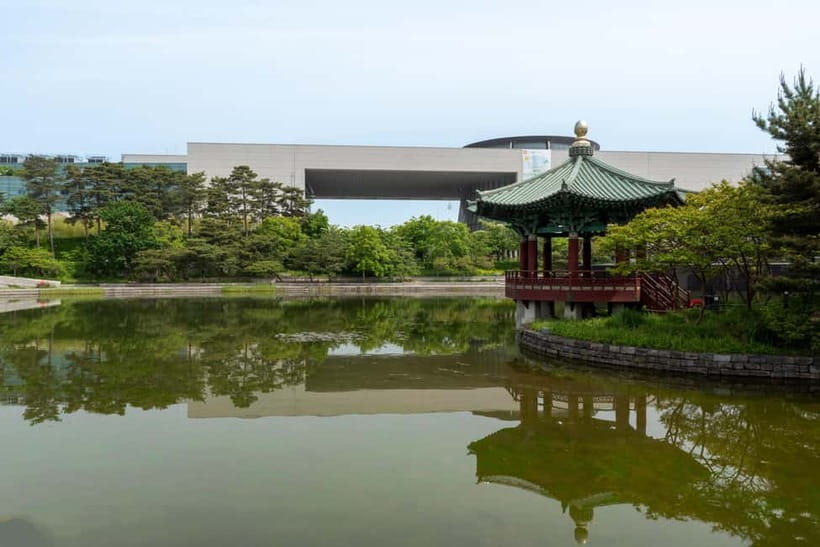
- Start at the Great Hall and get oriented fast, instead of getting stuck in the museum’s first room.
- Buddhism and ceramics are the through-lines, tying artifacts to how people lived and thought.
- The tour focuses on standouts like the hand axe and comb-pattern pottery, cited as memorable in a museum survey.
- Expect English interpretation with time for questions in a group capped at 10.
- You’ll see more than “interesting objects”—you’ll practice reading what a relic or tool is saying about society.
- At $38 for about 2 hours with admission included, you’re paying mainly for guided interpretation, not just entry.
Turning the museum entrance into a story you can carry home
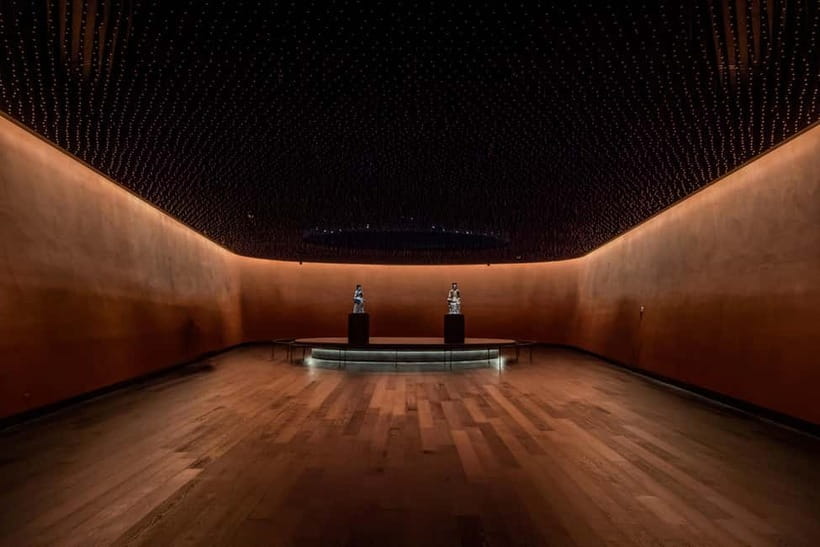
The National Museum of Korea has a way of swallowing people whole. You walk in, you look around, you feel impressed—and then you leave with only a vague memory of big rooms and labels.
This guided format fixes that. It’s built to help you get meaning early, right where most visitors start: the Great Hall, 1st Floor Lobby of the Exhibition Hall. From that first meeting point, the tour’s goal is simple: use a few key artifacts to explain how Korea’s culture formed over time.
In my kind of travel day, that’s what I want. I’m not just collecting photos. I want a framework that makes the rest of the museum easier to understand after the tour ends. A guide can do that faster than reading every label on your own.
Also, the tour is designed for real interaction. With a maximum of 10 participants, you’re less likely to feel like you’re watching a lecture from the back row. Past groups have praised guides like Sue for clarity, and Minju for storytelling that stays engaging without turning into a marathon.
You can also read our reviews of more guided tours in Seoul



What makes the focus on Buddhism and ceramics so useful
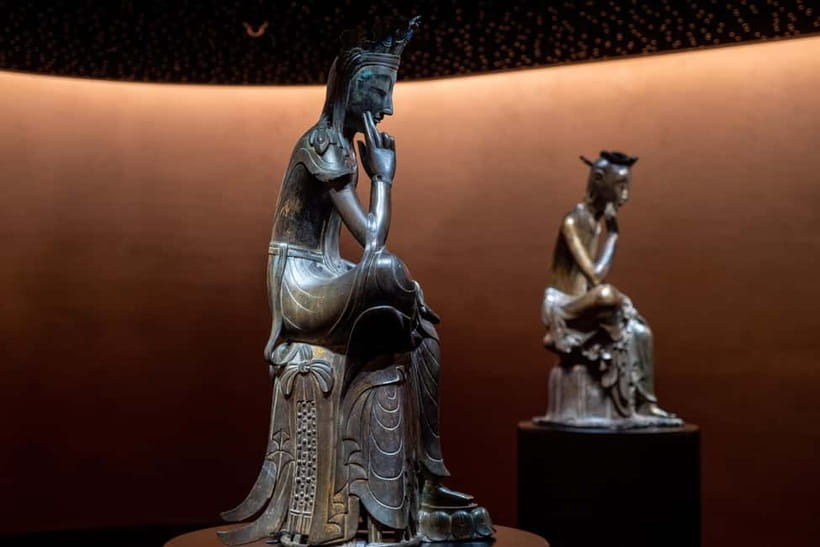
A museum tour can go two directions. It can list facts, or it can show relationships. This one leans toward relationships.
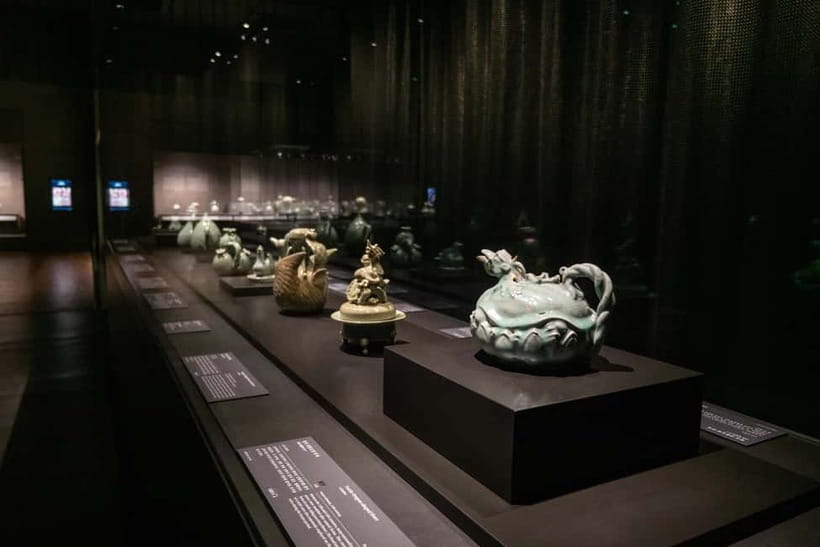
You’ll spend time with Buddhism-linked relics and with ceramics, and the connection matters. Buddhism influenced belief, ritual, and the way people understood the spirit world—so it’s not just about religion as an idea. It shows up in objects, symbols, and the kind of craftsmanship a society supports.
Ceramics are equally powerful for a different reason. Clay is everyday material, but it also becomes art when a culture learns techniques and standards over many generations. When a guide connects ceramics to daily life and cultural identity, you start seeing craft as history you can touch.
That’s why I think this tour works for first-timers. If you’re new to Korean history, Buddhism and ceramics are big enough themes to orient you quickly. If you already know some Korean dynasties or temple history, these themes let you see how broader ideas become physical form.
The guide’s job is to make those connections feel obvious, not academic. Based on how people have described sessions in the past, the explanations tend to be clear, and the cultural context is delivered in a way that helps you follow along without stopping every 20 seconds to decode.
The hand axe and comb-pattern pottery: small objects with big impact
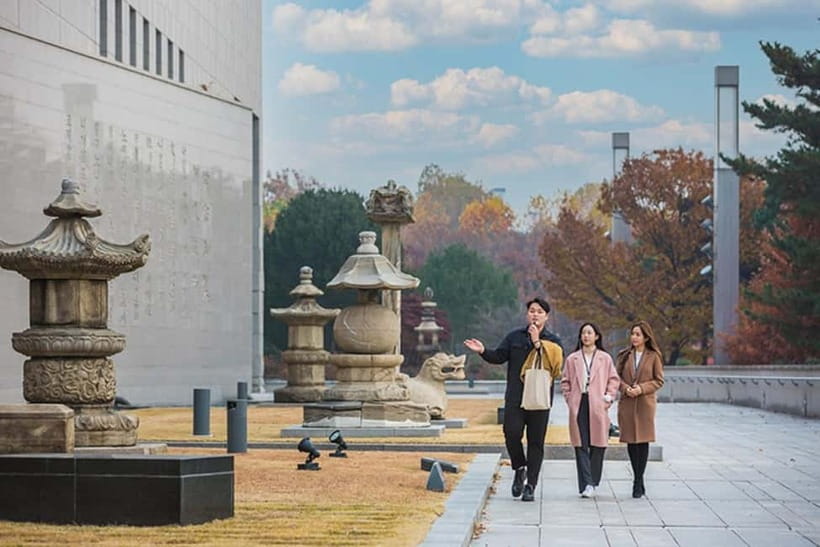
One of the most interesting details about this tour is its respect for unlikely standouts. Inside the museum, the hand axe and the comb-pattern pottery are singled out as memorable in a 2017 National Museum of Korea survey: 70% of respondents said those were the most memorable exhibits.
That tells you something. Many visitors don’t remember “the big story,” even if they see impressive things. They remember what catches the mind—an artifact that looks ordinary at first glance, but suddenly feels important once someone gives it context.
That’s what this tour targets. You don’t just hear that these items exist. You get a guided explanation for why they matter—how the objects can reflect technique, daily life, or shifts in society. You’ll also learn how patterns and materials can be clues, not just decoration.
If you’re the type who thinks you don’t care about prehistory or early crafts, this is exactly the tour style that can change your mind. The hand axe isn’t there to be a random display case. It’s used as an anchor point—an example that helps you understand what “culture” means before you’re dealing with kings, wars, or famous names.
And the comb-pattern pottery? It’s a great middle step between the very early and the more clearly “museum-famous” eras. You can look at the pattern and immediately understand that human choices shaped the object—how people made it, what they valued, and what they passed along.
A bonus: this tour explicitly aims to prevent the common “I only remember the entrance hall” problem. If you’ve ever visited a museum and left thinking you saw a lot but absorbed almost nothing, you’ll appreciate the tour’s focus on specific, memorable artifacts.
How the guided time is structured for a 2-hour visit
This is a 2-hour live guided experience in English, in a small group (up to 10 people). That timing shapes everything. The tour can’t cover every exhibit, so it chooses the ones that teach the most.
Here’s what that usually feels like as a visitor:
First, you start with orientation near the Great Hall. You’re not just being told where to stand. You’re being set up with a way to read what you’ll see next. That helps you avoid the museum sensation of wandering without a plan.
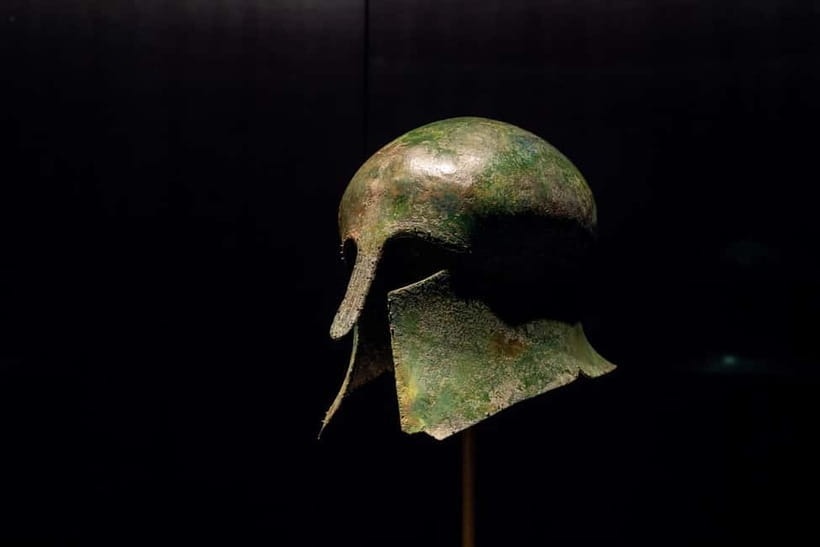
Then, the guide directs your attention toward a couple of central “teaching objects.” In this tour, that’s where the hand axe and comb-pattern pottery come in, along with other artifacts tied to Buddhism and ceramics. You’ll likely spend more time looking closely than you would on your own, because the guide’s storytelling relies on details—shape, pattern, material, and cultural meaning.
As you move through the museum’s spaces, you get the kind of explanation that makes labels feel like answers instead of homework. People have praised guides (including Sue and Sally) for explaining clearly and engagingly, which is exactly what you want when you have limited time and a museum full of information.
Finally, the tour wraps in a way that leaves you able to continue exploring afterward with better instincts. Even if you don’t plan to go deeper on your own, the tour gives you enough context to understand why certain relics feel connected to Korea’s broader story.
Why the guide matters more than you think
In a guided museum experience, the “real product” is the interpretation. You can stand in front of the same artifacts any day—what changes the trip is how someone helps you notice what the object is doing culturally.
Past groups have consistently praised the way guides handle questions and pacing. People mentioned patience, detailed answers, and an engaging delivery that didn’t drag. That’s not a small thing. If you’ve traveled before, you know the difference between a guide who rushes and a guide who actually helps you keep up.
Guides named in past sessions include Minju, MJ, and Sue, with one guest also praising MJ’s perspective drawn from Filipino, Chinese, Korean, and American cultural backgrounds. That kind of cross-cultural lens can matter in a museum, because it often leads to clearer comparisons—without flattening the culture into stereotypes.
You can think of it like this: the best museum guide doesn’t just tell you facts. They help you connect facts to human behavior. Why was this made? Who used it? What does it say about what the society honored? When those questions get answered in plain language, the museum feels less like a collection and more like a conversation.
And because this is a small group capped at 10, you’re more likely to get the benefit of a guide who can respond to your curiosity rather than racing through a script.
You can also read our reviews of more museum experiences in Seoul




Price and value: why $38 can feel fair here
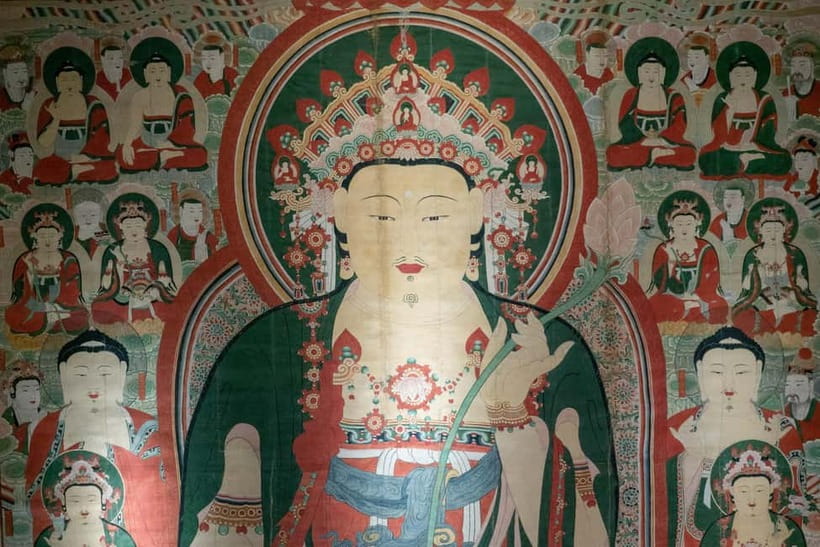
At $38 per person for about 2 hours, the price is mainly for two things: a live English guide and museum admission.
If you were to visit on your own, you’d pay for admission anyway. The extra cost is buying the guide’s time and storytelling. In my view, this price makes sense when the tour is aimed at teaching you how to read the museum, not just pointing at objects.
This experience also avoids the “random tour” problem. It has clear thematic anchors—Buddhism and ceramics—and it highlights specific memorable artifacts like the hand axe and comb-pattern pottery. That focus makes the guided time feel productive rather than scattered.
So the question for you isn’t just whether $38 is cheap or expensive. It’s whether you want to trade your own independent wandering for a guided path with better context. If you enjoy museums but often feel like you leave with only surface-level impressions, this is the kind of guided structure that can upgrade your whole visit.
Practical expectations before you go
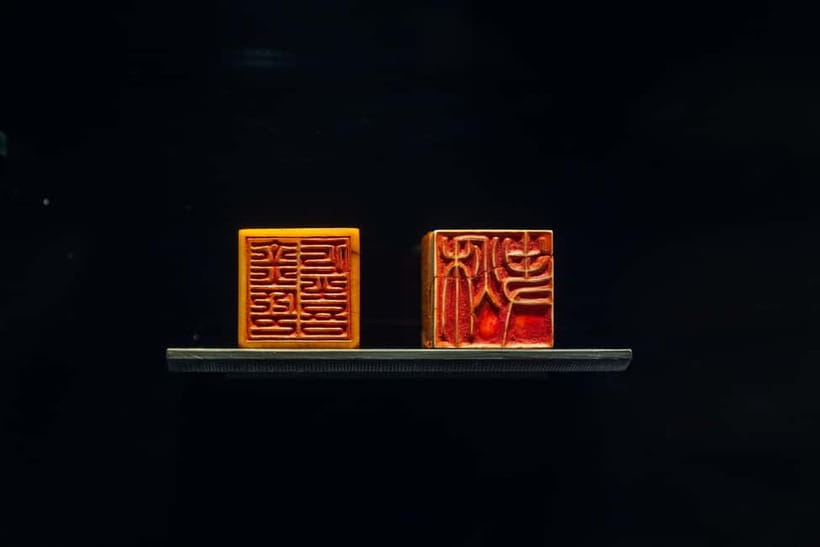
A few details can help you have a smoother day.
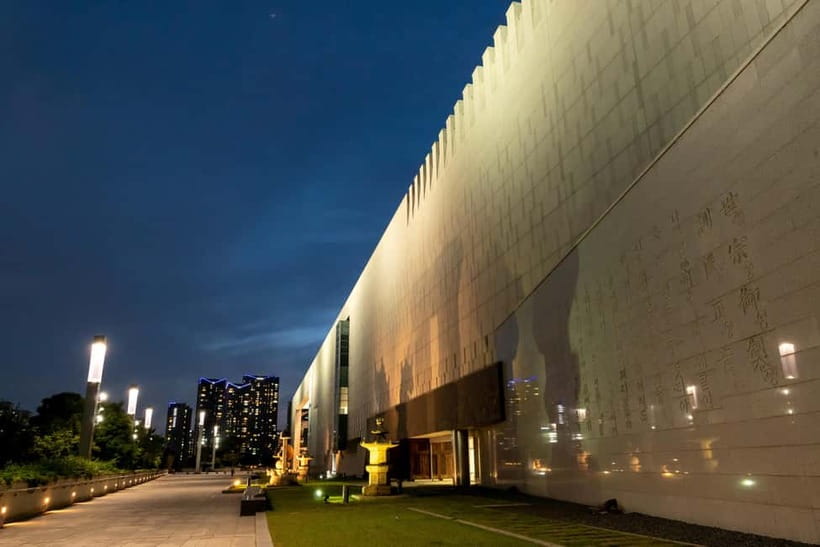
Meeting point: You’ll meet at The Great Hall, 1st Floor Lobby of the Exhibition Hall inside the National Museum of Korea. Plan to arrive a bit early so you’re not hunting for the group while everyone else is already gathering.
How you’ll find out exact timing: the provider sends updates by email/WhatsApp about the meetup place and time.
Group size: limited to 10 participants, so you get more interaction than on large bus-style tours.
What language you’ll get: English live guide.
What the tour includes: admission plus the guide. Traveler’s insurance is not included, so you’ll want to handle that separately.
One more thing to keep in mind: reservations may not be confirmed on weekends and holidays. And if the participant count falls below 4, the tour can be canceled with notice sent by WhatsApp. That’s not a dealbreaker, but it does affect how confidently you should plan if you’re visiting on peak days.
Who should book this Seoul National Museum of Korea guided tour
This tour is a strong match if:
- You want a first-time-friendly museum experience with themes that connect to everyday culture.
- You appreciate museum guiding that explains context, not just dates and labels.
- You prefer a small group setting where questions are welcome.
- You like the idea of learning through specific artifacts, especially the standout duo: hand axe and comb-pattern pottery.
You might not love it as much if:
- You’re the type who wants total freedom to roam and stay as long as you want in each room.
- You’re expecting a full museum coverage tour. This is 2 hours, so it’s about smart selection, not seeing everything.
If you’re planning a broader Seoul itinerary, this kind of guided visit can also act like a primer. Afterward, you’ll likely be able to navigate the museum with more confidence, because you’ll know what kinds of stories to look for.
Should you book it?
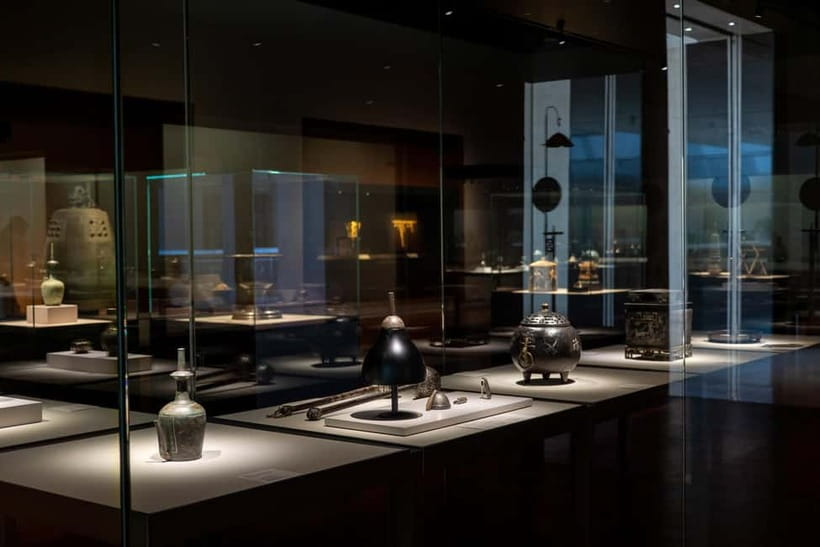
I’d book this guided tour if your main goal is to leave the National Museum of Korea with real understanding, not just photos and a vague “that was cool” feeling. The best part is the focus: it takes you beyond the entrance hall and points you toward artifacts tied to Buddhism and ceramics, including objects like the hand axe and comb-pattern pottery that are proven to stick with people.
Choose it especially if you’re short on time in Seoul and you want the museum to make sense quickly. If your schedule includes weekends or holidays, keep one eye on confirmation timing, since bookings may not be confirmed and the tour can cancel if there aren’t enough participants.
If you’re curious about Korean culture and you want your museum experience to feel like a guided conversation, this is a solid value at $38 for 2 hours with admission included.
FAQ
How long is the National Museum of Korea guided tour?
The tour lasts 2 hours.
Where is the meeting point?
Meet at The Great Hall, 1st Floor Lobby of the Exhibition Hall, National Museum of Korea.
Is admission included in the price?
Yes. Admission to the National Museum of Korea is included.
What language is the tour guide speaking?
The live tour guide is in English.
What group size is it?
It’s a small group limited to 10 participants.
Can I get a refund if I cancel?
You can cancel up to 24 hours in advance for a full refund.
What happens if there are too few participants?
If the number of participants is under 4, the tour will be canceled, and you’ll be notified by WhatsApp.