REVIEW · SEOUL
SEOUL: Gugak – Korean Traditional Music Museum&Concert Tour
Book on GetYourGuide →Operated by Aha · Bookable on GetYourGuide
A concert inside a music museum sounds good. This Gugak tour pairs a guided walk through the Korean Traditional Music Museum with a live performance at the National Gugak Center, so the sounds make instant sense.
I especially like the way the English guide brings the material down to earth—one guide named Elisa is often singled out for explaining clearly and warmly. I also love that it stays small, capped at 10 people, which makes the concert feel personal instead of crowded.
One thing to consider: there are no meals included, and transportation to and from the sites isn’t part of the price, so you’ll want to plan food and getting there before the day starts.
In This Review
- Key Highlights I Think You’ll Care About
- How This 140-Minute Gugak Tour Fits a Seoul Day
- Museum Stop: Korean Traditional Music Museum and Instrument Stories
- What’s the main “win” of the museum first?
- A small caution
- Concert Stop at National Gugak Center Rehearsal Hall
- Why the rehearsal hall location can be a good thing
- Timing note
- The English Guide Factor: Clear, Friendly Explanations
- Price and Value: What $49 Buys You in Seoul
- Logistics You Should Know Before You Go
- Who This Gugak Tour Is Best For
- Should You Book This Seoul Gugak Tour?
- FAQ
- How long is the Gugak tour?
- Where does the tour start and end?
- What happens at the museum stop?
- Where is the concert held?
- How long is the live concert?
- Is this tour offered in English?
- How big is the group?
- What’s included in the price?
- Are meals and drinks included?
- Do I need my own transportation to the sites?
- Can I cancel for a refund?
Key Highlights I Think You’ll Care About
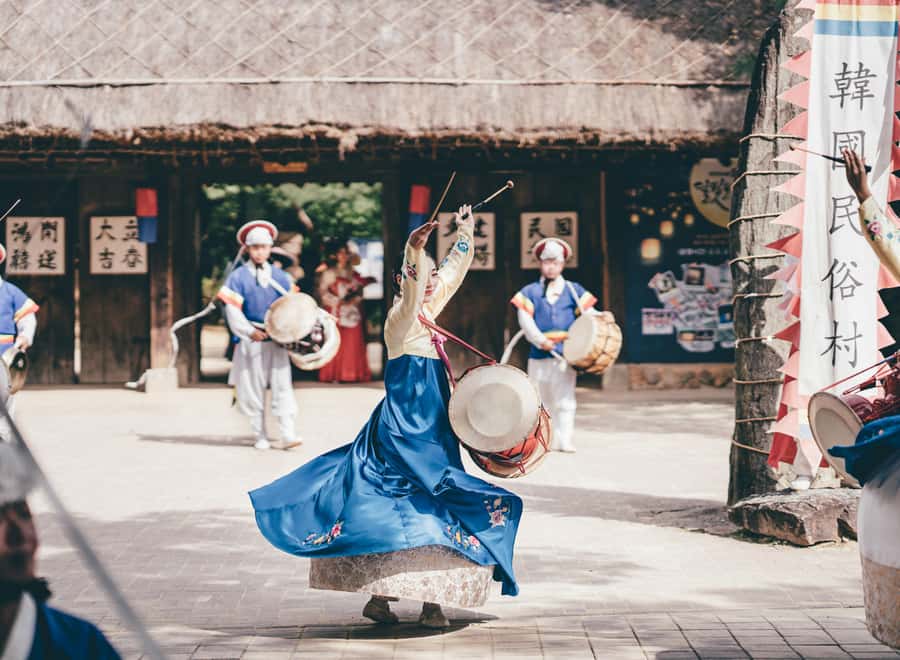
- Museum + concert in one block: 40 minutes of guided learning, then 80 minutes of live music
- English guide support: the history and instruments are explained for you, not left to guesswork
- Small-group format (max 10): better pace and a calmer listening environment
- You hear key instruments up close: expect performances that highlight pieces like those featuring the gayageum
- Back-to-meeting-point ending: it’s straightforward if you want a clean start and finish
How This 140-Minute Gugak Tour Fits a Seoul Day
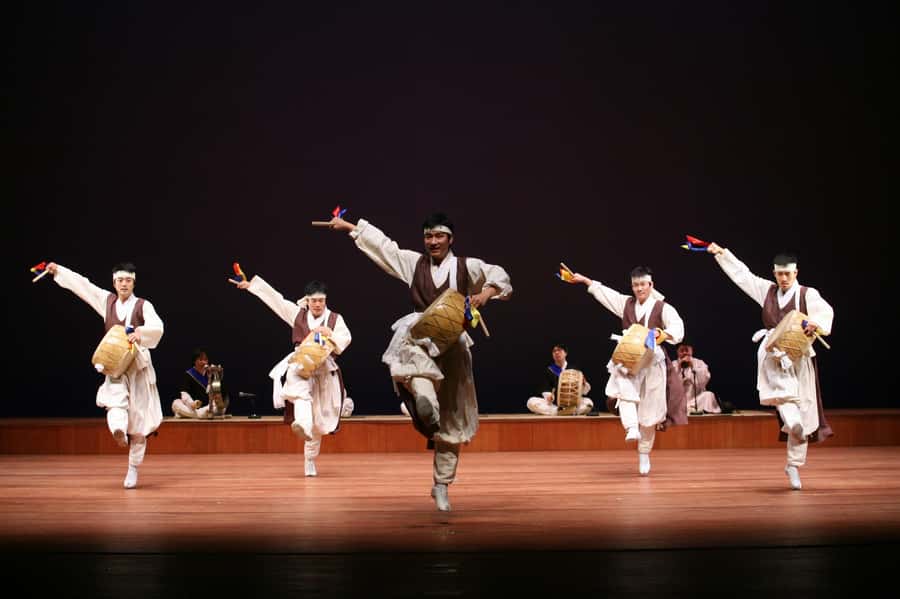
This is a tight, well-shaped 140-minute experience, built to give you both context and sound. You don’t spend your whole day hopping between far-flung stops—you get one museum segment, then one concert segment, and the tour ends back at your meeting point.
That timing matters in Seoul. A lot of cultural programming can feel either too short (you miss the point) or too long (you’re exhausted before the performance). Here, the balance is the whole idea: a guided museum visit first, then you shift gears into listening mode.
If you’re planning around other activities, this also helps you keep a realistic schedule. You’ll still want to check your start time availability, since the tour length is fixed but the departure can vary.
You can also read our reviews of more museum experiences in Seoul

Museum Stop: Korean Traditional Music Museum and Instrument Stories
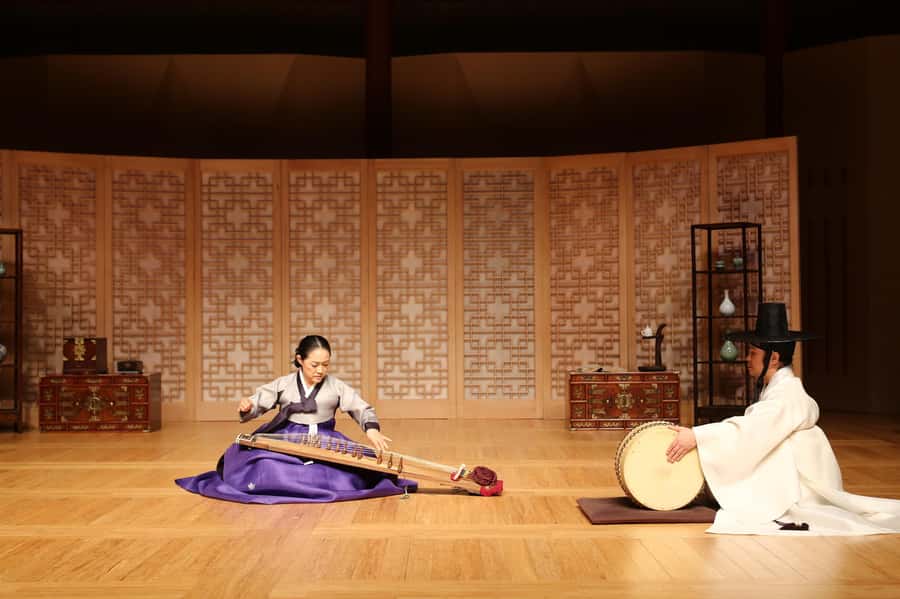
Your day starts with a meeting point listed as 2364, and then you head to the Museum of Korean Traditional Music for a guided tour that lasts about 40 minutes. This portion is designed to give you the “why” behind what you’ll hear later—history and instruments, explained by your English-speaking guide.
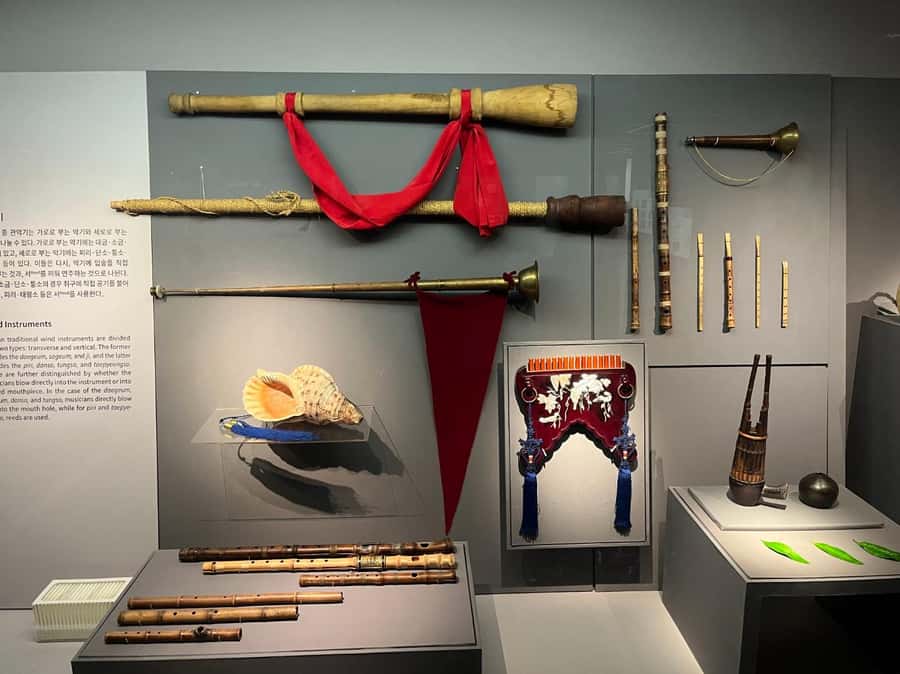
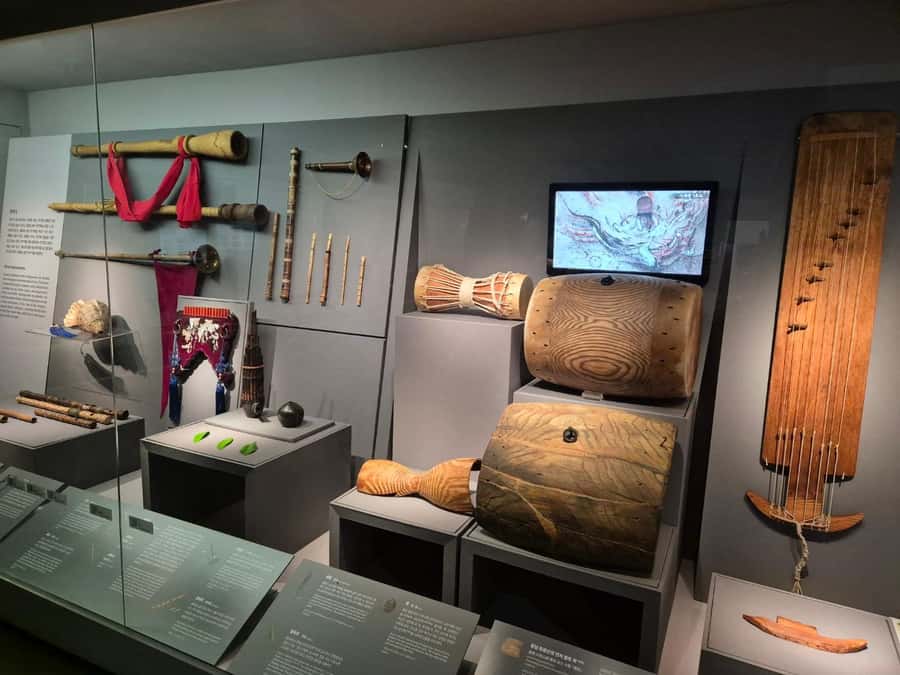
Inside, you’ll find displays meant to connect the dots between Korean traditional music and the instruments that shape it. The guide’s job is to make those objects feel like living tools, not museum artifacts. When you’re listening later, you’ll likely recognize the instruments or at least understand what they’re trying to do musically.
A practical way to get more from this 40-minute block: come in ready to focus. Don’t treat it like casual sightseeing. Look at what’s in front of you, then let the guide translate the ideas into simple terms. The payoff is biggest during the concert, because you’ll spend less time wondering what’s going on and more time actually listening.
What’s the main “win” of the museum first?
The concert doesn’t happen in a vacuum. After the museum stop, you’re not just hearing sounds—you’re hearing sounds with names, purposes, and historical context attached.
A small caution
Forty minutes is not long. If you’re the type who loves lingering over every display photo, this stop may feel like you’re moving a bit quickly. The structure is intentional, though. It keeps the concert as the highlight of the experience.
Concert Stop at National Gugak Center Rehearsal Hall
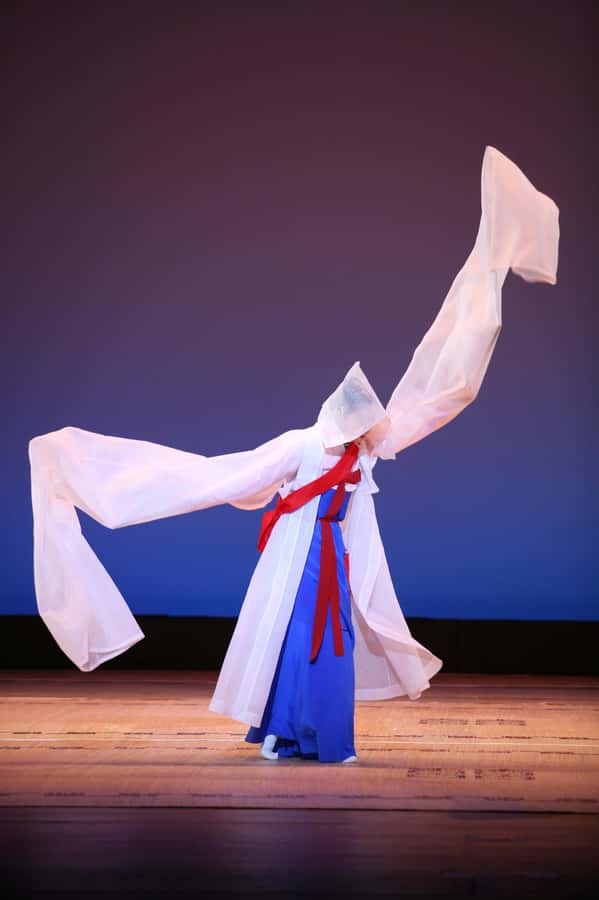
After the museum, the tour moves to the National Gugak Center—specifically the Performance Rehearsal Hall—for an 80-minute live concert. This is where the experience really earns its ticket price.
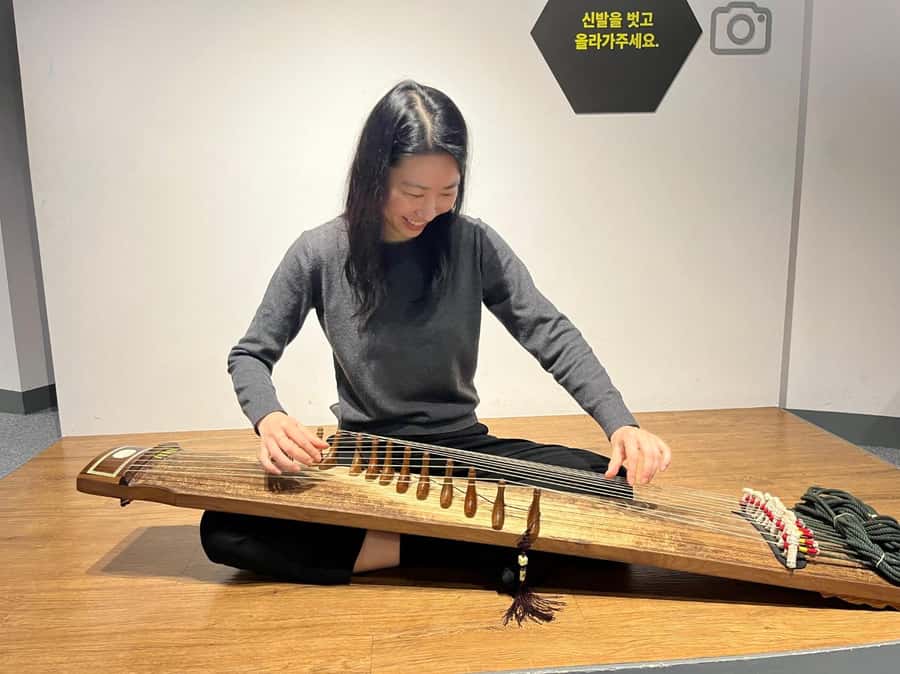
This concert gives you Gugak as performance, not lecture. Expect a mix that includes ensemble pieces, and you’ll hear instruments described in the museum through real music, in real time. The overview calls out the gayageum—a plucked string instrument—and that’s exactly the kind of detail that helps you listen with better awareness instead of just enjoying the sound vaguely.
Here’s how to make the concert part work for you:
- Give your ears the job first. Try to follow rhythm and texture before you chase individual melodies.
- Watch the musicians’ coordination. Even when you don’t know the piece, ensemble interaction can tell you a lot.
- Let the museum context guide your attention. If the guide talked about how an instrument produces sound, you’ll often start hearing that mechanism once the concert begins.





Why the rehearsal hall location can be a good thing
Rehearsal spaces often feel more direct than grand theaters. You may get a closer, more grounded feel for how traditional music is executed—less spectacle, more craft. The tour’s design uses that to help you “hear Gugak up close,” and that’s a big part of why people choose this format.
Timing note
Eighty minutes is long enough to feel satisfying. It’s also long enough that you might want to avoid arriving dehydrated or hungry. Since meals aren’t included, plan for water beforehand if your schedule allows.
The English Guide Factor: Clear, Friendly Explanations
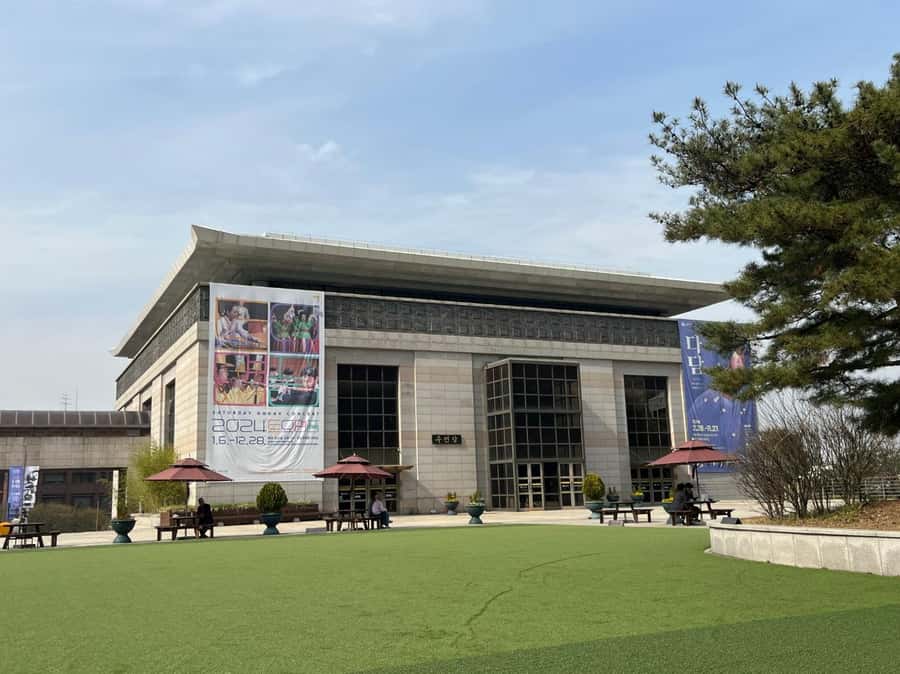
A strong guide can turn “I like music” into “I understand what I’m hearing.” This tour leans on that. It includes a friendly and knowledgeable English-speaking guide, and that explanation component is a major reason the experience scores well.
One guide named Elisa is specifically praised for being sweet and for explaining things clearly. That matters because Gugak is not always familiar to first-time listeners. Without context, you might enjoy the sound but miss the meaning. With context, you can follow instruments, roles, and musical intent more easily.
Also, the group size—up to 10 participants—helps the guide manage the pace. You don’t feel lost in a big crowd, and your questions or attention can land more naturally.
Price and Value: What $49 Buys You in Seoul
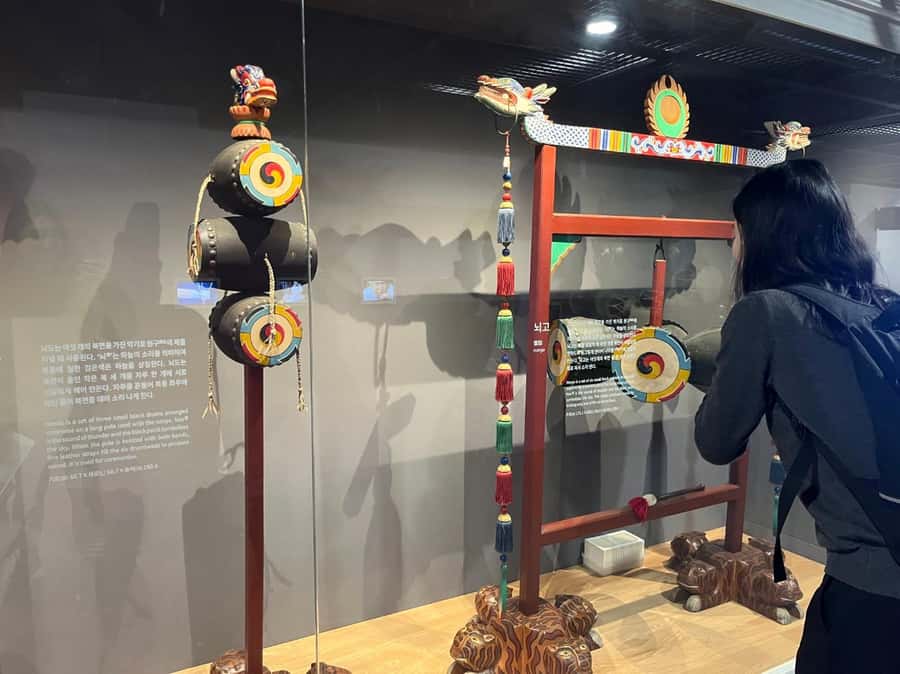
At $49 per person for about 140 minutes, you’re paying for a full package: the Korean Traditional Music Museum visit, a live Gugak concert, and an English guide. You’re not just buying admission to one place. You’re buying a guided translation from museum to stage.
That matters for value. Doing these elements separately can cost more in time and effort, and the “bridge” between museum learning and concert listening is what you’re really paying for. If you like cultural experiences that have a clear learning-to-performance connection, this format is a solid deal for the money.
What you should mentally factor in: transportation isn’t included, and meals aren’t included. So the all-in cost is likely slightly higher once you add your commute and any snack breaks.
Logistics You Should Know Before You Go
This tour ends back at your meeting point, which keeps your planning simple. You’ll receive detailed meeting information before the tour starts. If something pops up, you can reach the team by WhatsApp at 82-10-6263-5744.
A couple more practical notes that affect your comfort:
- No meals and drinks included: bring a plan for water and a light snack if you need one.
- Transportation to and from the museum isn’t included: you’ll need your own way to get there.
- Small group: max 10 participants means you’ll want to arrive on time so the group can move together.
If you want the museum/concert flow to feel smooth, aim to be calm and ready to focus—this is a listening and learning experience, not a casual wander.
Who This Gugak Tour Is Best For
I think this tour hits hardest if you’re one of these types of visitors:
- You want a structured cultural experience with a guide, not just an audio guide
- You’re curious about traditional Korean instruments and want to hear them right after learning about them
- You prefer small-group activities in Seoul so you don’t feel swallowed by a crowd
- You’d like music-focused programming that doesn’t demand advanced background knowledge
It’s also a decent fit for first-timers to Seoul who want something distinctly Korean that isn’t built around shopping or “check the box” photo stops.
If you’re the kind of person who already knows Gugak instruments and you’re hunting for deep academic detail, you might wish the museum time were longer. But for most visitors, the balance of museum context plus live sound is exactly what you need.
Should You Book This Seoul Gugak Tour?
If you want an experience where you learn a bit, then immediately hear it, book it. The museum-guided setup plus an 80-minute live concert at the National Gugak Center is a smart pairing for first-time Gugak listeners. Add the small-group size and the English guide support (with Elisa praised for clear, friendly explanations), and it becomes an easy “yes” for many travelers.
Skip it only if you strongly prefer fully free-roaming tours or you don’t want any planning around food and transport. Because meals and transportation aren’t included, you’ll do better if you’re willing to handle those basics yourself.
FAQ
How long is the Gugak tour?
The total duration is 140 minutes.
Where does the tour start and end?
It starts at the designated meeting point (listed as 2364 in the activity details) and ends back at the meeting point.
What happens at the museum stop?
You visit the Museum of Korean Traditional Music for a guided tour lasting about 40 minutes.
Where is the concert held?
The live Gugak concert is held at the National Gugak Center, in the Performance Rehearsal Hall.
How long is the live concert?
The concert portion lasts about 80 minutes.
Is this tour offered in English?
Yes, the tour guide language is English.
How big is the group?
The group is small, limited to 10 participants.
What’s included in the price?
Included are the Korean Traditional Music Museum visit, the live Gugak concert, and the guide.
Are meals and drinks included?
No, meals and drinks are not included.
Do I need my own transportation to the sites?
Transportation to and from the museum is not included.
Can I cancel for a refund?
Yes. Free cancellation is available up to 24 hours in advance for a full refund.

![[DMZ Private Full day Tour] & The War Memorial include Lunch - Getting through DMZ logistics without losing your mind](https://m.discoveringseoul.com/wp-content/uploads/dmz-private-full-day-tour-the-war-memorial-include-lunch-400x267.jpg)