REVIEW · SEOUL
Small Group 7D Korea package Tour with Seoul Gyeongju Busan Jeju
Book on Viator →Operated by Here Korea Travel · Bookable on Viator
Seven days, five regions, zero guesswork. This small-group route hits Seoul, Jeju, Busan, Gyeongju, and the DMZ with real guided context, not just photo stops. I love the built-in structure (airport pickup, domestic flight, KTX, and a full coach) and the food focus, especially the included Gwangjang Market food tour and Seoul cooking class. One drawback to plan for: it’s a fast, packed schedule, so you’ll want comfortable shoes and a flexible mindset.
This is the kind of tour that helps you get oriented fast in Korea, especially if it’s your first time or you’d rather spend energy on places than on logistics. Guides for different segments include Jung, Sang, Harry, Jiyoung, Clover, and Jones, and the best moments come from how they connect what you’re seeing to what’s going on in modern Korea. If you prefer slow travel with lots of downtime between sites, you may feel a little rushed.
In This Review
- Key things to know before you go
- Why this 7-day Seoul to Jeju to DMZ route works
- Group size, pickup, and how the guides change the trip
- Price and value: where your money really goes
- Jeju Day 1: beaches, sunrise peak, and volcanic oddities
- Jeju Day 2: Hallasan, waterfalls, and ARTE Museum lights
- Busan Day 3: art stairways, seafood markets, and a cliffside temple
- Gyeongju Day 4: UNESCO-style Silla sites plus a night pond walk
- Seoul Day 5: cooking class, Hongdae street energy, and optional Nanta
- Seoul Day 6: palaces, temples, and tower views over N Seoul Tower
- DMZ Day 7: Imjingak, Third Tunnel, Dora Observatory, and a military history reality check
- Hotels, meals, and what to plan for during a tight schedule
- Should you book this 7-day Korea small group tour?
- FAQ
- How many days and nights are included?
- What’s included for meals?
- Is entrance fee coverage included?
- Do I need to pay for major travel between regions?
- Is the Nanta show included?
- Is there a vegetarian option?
- Can I get a refund if plans change?
Key things to know before you go
- Small group (max 15): you get more personal help while still meeting international travelers
- Flights + KTX included: domestic hop to Jeju, then the bullet train back to Seoul
- Food experiences are real and scheduled: Gwangjang Market and an in-person cooking class
- Jeju isn’t just beaches: sunrise peak climbing, caves, waterfalls, and Hallasan-area scenery
- DMZ is passport-included: an ID check is part of the process for the civilian control zone
Why this 7-day Seoul to Jeju to DMZ route works
If you want the big-name Korea highlights in one trip, this itinerary is built for that goal. You’re covering four major destinations (Seoul, Jeju, Busan, Gyeongju) plus the DMZ in just 7 days. That sounds intense because it is, but the structure removes a lot of friction—especially if you’d rather not coordinate trains, transfers, and entrance tickets across multiple cities.
The value comes from what’s bundled. Your price includes English-speaking guides, entrance fees, an air-conditioned vehicle, 6 nights in 3–4 star hotels in good condition, domestic flights and KTX, plus a set of meals (4 breakfasts and 7 lunches per the included list). You’re paying for the “connective tissue” that usually costs time and energy when you DIY.
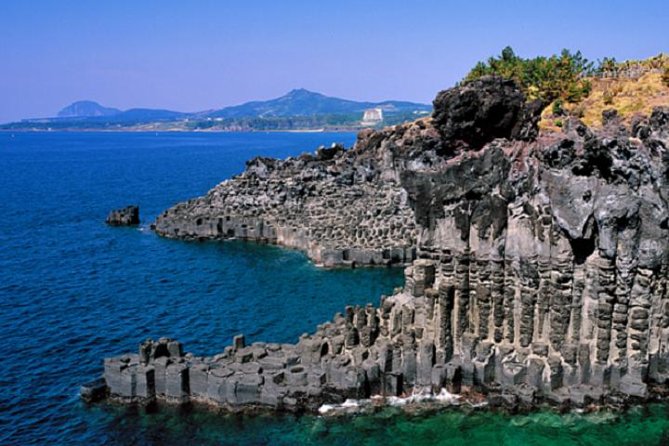
The other reason it works: you get guidance across very different parts of Korea. Jeju feels like a separate world—volcanic landscapes, caves, and dramatic ocean cliffs—while Busan adds coastal neighborhoods and seafood markets. Then Seoul shifts to palaces, temples, and modern shopping, and the DMZ adds a heavy, tightly controlled history lesson.
You can also read our reviews of more tours and experiences in Seoul.
Group size, pickup, and how the guides change the trip
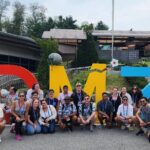
With a maximum of 15 travelers, you’re not stuck in a giant bus. You’ll still meet other international visitors, and that often turns into easy camaraderie during breaks and meals. It’s also the sweet spot where an English-speaking guide can answer questions without feeling drowned out.
Pickup is included, and you’ll start with airport handling that routes you to the next travel step. On Day 1, you arrive at ICN, get picked up, transfer to Gimpo airport, and fly to Jeju. On the Seoul side, the trip later uses the KTX bullet train from Gyeongju Station to Seoul, which is a huge convenience if you’re trying to avoid station-hunting.
What I like about this tour model is the human factor. In Seoul, Jung is highlighted for giving both historical context and current commentary—politics alongside what’s popular in Korean culture like K-dramas and K-pop. Other guides like Sang and Clover are described as energetic and attentive, and Harry shows up as the lead tour coordinator in the responses. That kind of variety matters because it keeps each city from feeling like the same day repeated.
Price and value: where your money really goes
At $1,988 per person, this isn’t a budget deal on paper. But when you line up what’s included, it starts to make sense for many travelers.
Here’s what you’re not paying out of pocket for:
- Domestic flight (to Jeju) and KTX bullet train (back to Seoul)
- 6 nights at 3–4 star hotels
- Entrance fees for the scheduled sights
- The guide team plus an air-conditioned vehicle
- Food experiences: a market food tour at Gwangjang Market and a cooking class in Seoul
- Meals that include 4 breakfasts and 7 lunches
If you DIY, the airfare, hotel locations, entrance fees, and transport in the middle of a tight 7-day window add up fast. Also, Seoul-to-Jeju-to-Busan-to-Gyeongju routing can turn into a time tax if you get it slightly wrong. You’re paying to compress that learning curve.
My practical take: this tour is best value if you want to see a lot without spending your vacation days solving transit puzzles.
Jeju Day 1: beaches, sunrise peak, and volcanic oddities
Day 1 is where Jeju flexes its personality. You’ll land on the island and move through a series of coastal and geological stops that make the island feel instantly different from mainland Korea.
- Woljeongri Beach and Café Street: an easy start where you can grab coffee and get your bearings with ocean scenery.
- Gwangchigi Beach: the wow factor is the black sand. The sand is tied to basalt rock weathering, and the whole shoreline feels more otherworldly than a typical beach.
- Seongsan Ilchulbong (Sunrise Peak): you climb up for the iconic crater view. It’s one of those places where even if you don’t care about the legend, the shape of the landscape does the job.
- Canola Flower Field / Seongsan Canola areas: the tour notes seasonal changes—cherry blossom timing in late March to early April and canola from April through September.
- Manjanggul Cave: a shorter cave visit (about 30 minutes) to see how volcanic action shaped the underground world.
- Seongeup Folk Village: a cultural counterweight to the natural stops, where you’ll see traditional Jeju houses and historic island life.
A drawback to keep in mind: even though several stops are about an hour, Day 1 is loaded. You’ll want to treat it like a day of “active sightseeing,” not leisurely wandering.
Jeju Day 2: Hallasan, waterfalls, and ARTE Museum lights
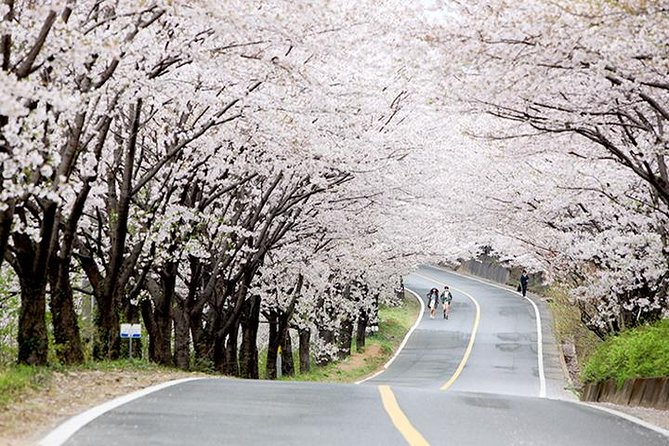
Day 2 shifts toward interior scenery and dramatic water. You start with a timed cherry blossom stop at Jeju National University, Ara Campus (the notes mention 7–10 Apr near the university). If your dates line up, that’s one of the easiest ways to catch spring without hunting.
Then the day leans scenic and a bit strange in the best way:
- Hallasan National Park: the tour positions Hallasan as the island’s giant, a dormant volcano with a top around 1,950m. Even without hiking far, the drive-by and viewpoints tend to feel like you’re in the “real Jeju” zone rather than a resort strip.
- A short optical illusion stop: the description is about objects that appear to roll upward, which is mostly visual trickery. It’s quick, but it adds variety.
- Cheonjiyeon Falls: the tour gives the fairy legend and focuses on the waterfall dropping about 22 meters.
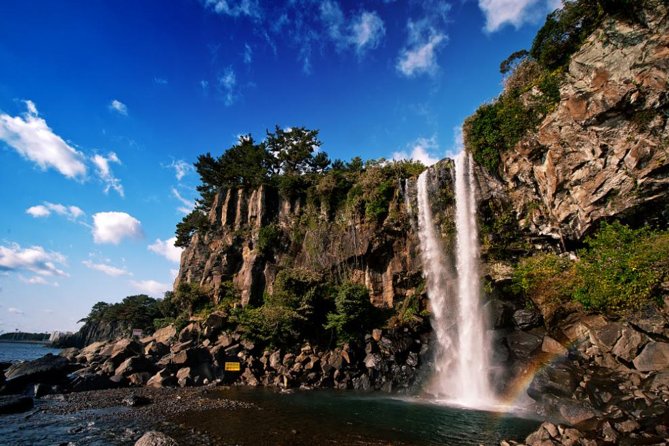
- Jeongbang Waterfall: this one is special because it plunges directly into the ocean, and the tour notes it as a standout in Asia.
- ARTE Museum Jeju: light and video art. This is a good break from the outdoor pacing, and it gives you something modern and different at the end of a day of nature.
One practical consideration: waterfalls and outdoor stops can be weather-dependent. If it’s raining or windy, keep expectations flexible and prioritize good footwear and a light rain layer.
Busan Day 3: art stairways, seafood markets, and a cliffside temple
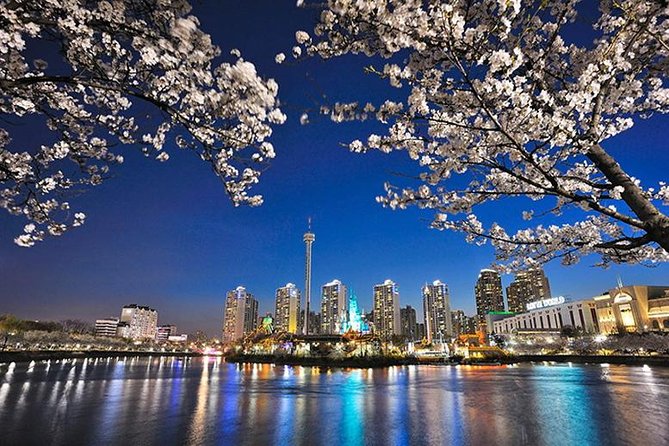
Busan day is coastal energy plus food. You start with Haeundae Dalmaji-gil Road, a cherry blossom road beyond the main beach area. That’s a smart warm-up because it sets a gentle pace before you hit more crowded food and market spaces.
Next comes the neighborhood that many people love on first contact:
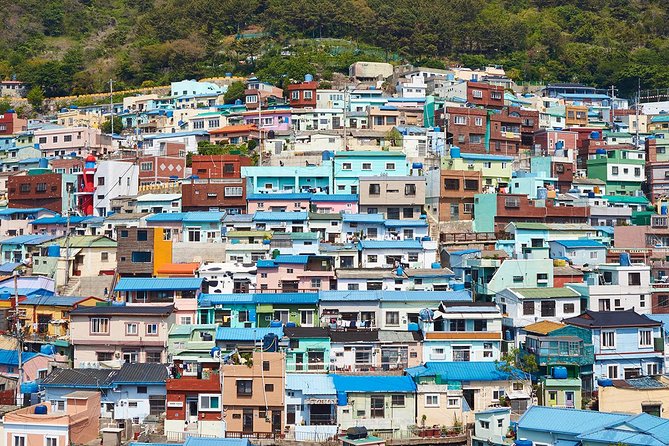
- Gamcheon Culture Village: houses built on a staircase-like hillside. It’s historically rooted and visually playful—an area where you can get lost in alleys just by walking.
Then the tour goes straight into what Busan is famous for:
- Jagalchi Market: seafood by the water. The tour notes you can buy and eat fresh raw fish right at the market, which can be great if you want to try something local fast without planning a meal.
- BIFF Square and Gukje Market: film-festival streets and then a Korean War-era market story behind the stalls. Even if you don’t buy much, these stops are about atmosphere and everyday Korea.
- Haedong Yonggungsa: the “ocean temple” style stop—described as one of Busan’s most beautiful temples. The key idea is that it’s on the coast rather than tucked inland.
- Haeundae Blue Line Park: a train ride that gives you sea views. It’s a nice way to take a break from walking but still keep momentum.
Potential drawback: Busan market time can feel busy and sensory-heavy. If you’re sensitive to crowds, you’ll want to pace yourself and use the guide’s timing to avoid the thickest moments.
Gyeongju Day 4: UNESCO-style Silla sites plus a night pond walk
Gyeongju is where the trip adds weight and depth. The day includes standout historic temples and tomb complexes, then transitions into a night view.
- Bulguksa Temple: introduced as a UNESCO World Heritage site tied to the Silla capital. It’s the kind of place where the buildings and stonework are the story.
- Seokguram: a stone grotto temple kept intact for over 1,200 years (as described), protected by its design and ventilation.
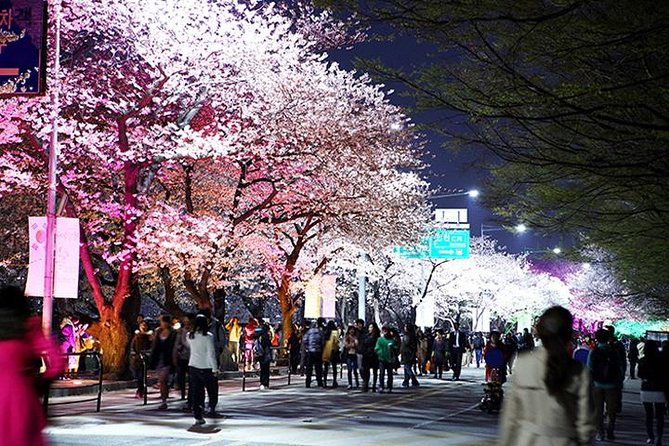
- Bomunho Lake Tourism Complex: the cherry blossom note is front-and-center, with pink petals around the walkways if your timing matches spring.
- Daereungwon Tomb Complex: big tomb hills and the Cheonmachong Tomb, where you can enter the tomb itself (not always the case with tomb sites).
- Gyeongju Gyochon Traditional Village: nobleman-style homes in a short visit—more quick cultural flavor than a long lesson.
Then the day turns toward evening:
- Donggung Palace and Wolji Pond: the tour frames this as a night view spot with traditional pavilions around the lake, great after dinner pacing.
Finally, you take the KTX bullet train (about 2 hours) from Gyeongju Station to Seoul. This is a big logistics win. It gets you to Seoul efficiently and keeps the day from turning into an all-day transfer marathon.
Seoul Day 5: cooking class, Hongdae street energy, and optional Nanta
Seoul starts to feel more like “choose your vibe.” Day 5 mixes food training, youth-street culture, and a performance option.
- Korean cooking class at 오미 요리연구소: you learn three traditional dishes: bibimbab, a traditional pancake, and soup (with menu changes depending on season). Even if you don’t cook much at home, it’s one of the most memorable hands-on experiences for understanding Korean flavors.
- Hongdae: a youthful street area for shopping, food, and street performances. If you like walking through creative districts, this fits.
- Myeongdong NANTA Theater: the tour calls this the most popular non-verbal show in Korea and makes it optional. Seats are listed by section (S 35 USD, P 45 USD, V 55 USD). If you’re curious about Korean comedy without language barriers, it’s an easy add-on.
My practical tip: if you’re tired after Hongdae, choose your energy level for Nanta. It’s optional, and the day already has a lot of movement.
Seoul Day 6: palaces, temples, and tower views over N Seoul Tower
Day 6 is a classic Seoul highlight day, built around iconic landmarks and neighborhoods.
- Yeouido Park: noted as a cherry blossom festival site. Even outside peak bloom, it’s a good “reset” on a spring-themed route.
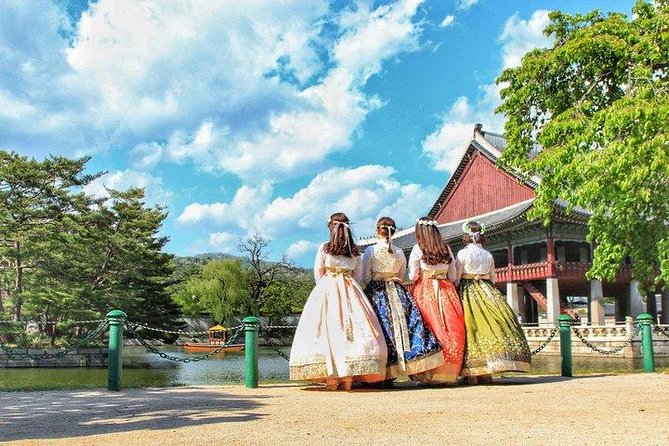
- Gyeongbokgung Palace: the main Joseon Dynasty palace built in 1395. This is your big palace stop and one of the most meaningful architectural moments in central Seoul.
- Jogyesa Temple: a major Buddhism head temple in the city center. It’s a nice contrast to palace formality—more human scale, garden-like calm if you catch quieter hours.
Then the day becomes food and views:
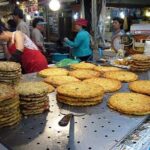
- Kwangjang Market: labeled as the food tour location. This is one of the most valuable included experiences because it’s where Korean street food meets a real market tradition. If you’re the kind of traveler who wants to eat like locals, this is a key stop.
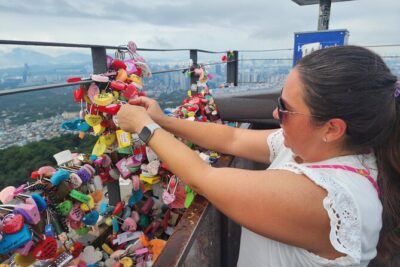
- N Seoul Tower: a 360-degree view over Seoul with the tower height noted at almost 480m above sea level.
- Myeongdong Shopping Street and Insadong: shopping lanes plus tea cafes, traditional sweets, and souvenir browsing.
A drawback to plan for: Seoul days like this can turn hot, crowded, and time-pressured if you hit peak tour hours. Use the guide’s pacing, take breaks when offered, and keep water handy.
DMZ Day 7: Imjingak, Third Tunnel, Dora Observatory, and a military history reality check
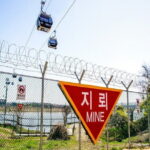
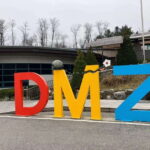
The final day is emotionally heavier than the rest of the trip. The DMZ route includes an ID process in a civilian control zone, so you need your passport for the check.
The day’s stops include:
- Imjingak Pyeonghoa-Nuri Park: where you buy DMZ shuttle bus tickets and board the shuttle. This is where your physical journey toward the border officially begins.
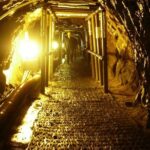
- The Third Tunnel: described as the first stop on the DMZ tour, with you entering the tunnel itself and passing lines tied to the DMZ south limit. It’s connected to history right after the Korean War.
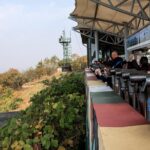
- Dora Observatory: an observatory open to the public where you can see North Korea with your naked eyes (as described).
- Tongilchonan-gil: a last stop with DMZ souvenirs and local products, in a civilian control zone under curfew.
- Gamaksan Chulleong Bridge: a short hike (about 10 minutes) to a suspension bridge with Korean War battlefield context.
This day can feel surreal in a way that pictures can’t explain. If you want a tour that treats the DMZ as a real experience—procedures, boundaries, and all—this route is built for that.
Hotels, meals, and what to plan for during a tight schedule
Hotels are 3–4 star and described as clean and in good condition. With a 6-night stay across the trip, you’ll appreciate not having to constantly check in and out in unfamiliar places, even though you’ll still be moving between regions.
Meal coverage is helpful but not universal. The included list states 4 breakfasts and 7 lunches. That means some dinners are on your own. In a country where food is a big part of the joy, planning a few flexible dinner choices is usually a win, not a problem—just don’t assume every meal is covered.
Your best practical packing advice is simple:
- Comfortable shoes for frequent walking
- A light layer for palaces and outdoor sites
- Travel-ready rain gear for Jeju waterfalls
- An open mind for how quickly Korea moves during peak hours
Also, if you’re vegetarian, the tour notes a vegetarian option is available if you advise at booking time.
Should you book this 7-day Korea small group tour?
Book it if you want a high-coverage Korea trip that connects major regions—Seoul palaces, Busan coastal life, Gyeongju historic landmarks, volcanic Jeju scenery, and the DMZ—without making you wrestle transport and tickets. It’s also a good fit if you like having English-speaking guides and you’re okay with a busy day-to-day rhythm.
Skip it (or adjust expectations) if your ideal trip is slow, with long free afternoons and lots of room for spontaneous detours. This route is scheduled tightly, and you’ll be walking and switching areas with regular frequency.
If your priority is saving time and seeing the big highlights in one go, this is the kind of package that tends to feel worth it.
FAQ
How many days and nights are included?
The tour runs for 7 days (about 7 days / 6 nights). Accommodation is included for 6 nights.
What’s included for meals?
Breakfast is included for 4 days, and lunch is included for 7 days. Dinner is not listed as fully included for every day, so you may need to plan some meals on your own.
Is entrance fee coverage included?
Yes. Entrance fees are listed as included.
Do I need to pay for major travel between regions?
The included price covers domestic flights and the KTX bullet train, along with the air-conditioned vehicle used for the tour.
Is the Nanta show included?
The Nanta theater visit is optional. The show price is listed by seat category (S 35 USD, P 45 USD, V 55 USD).
Is there a vegetarian option?
Yes. A vegetarian option is available if you advise at the time of booking.
Can I get a refund if plans change?
This experience is non-refundable and cannot be changed for any reason. If you cancel or ask for an amendment, the amount paid will not be refunded.