REVIEW · SEOUL
Seoul: DMZ Guided Tour with Suspension Bridge and Gondola
Book on GetYourGuide →Operated by Korea Time Tour · Bookable on GetYourGuide
The DMZ feels uncomfortably close to home. This guided day trip brings you to the DMZ border sites with a strong, no-nonsense focus: Dora Observatory for looking toward North Korea, plus the 3rd Tunnel for a real sense of how the Korean Peninsula was prepared for conflict.
I like that the stops aren’t just photos. You get the feeling of scale and purpose at the 3rd Tunnel, and you get an actual vantage point for the border story at Dora Observatory. One drawback to plan for: the day is structured and can be physically demanding.
The 3rd Tunnel involves tight, steep conditions and an intermediate hiking effort. If you’re claustrophobic or have heart issues, you may need to stay outside rather than trying to go in.
In This Review
- Quick hits
- DMZ access in one tight 7 to 9 hour day
- Pickup timing and the passport reality check
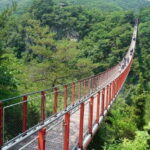
- Gamaksan suspension bridge: 150 meters of motion
- Imjingak + gondola over the Imjingang River
- Visitor center: a short briefing before the tunnel
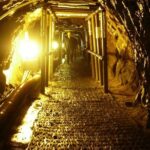
- The 3rd Tunnel of Aggression: facts, tight space, real effort
- Dora Observatory: looking across with your own eyes
- Unification Village shopping and Dorasan Station symbolism
- Is the $48 price actually good value?
- What the best guides do with a tense day
- Who should book this DMZ tour, and who should skip it
- Should you book this DMZ guided tour from Seoul?
- FAQ
- How long is the DMZ guided tour?
- How much does the tour cost?
- Where is the pickup, and what if I booked a join-in tour?
- Do I get hotel pickup and drop-off?
- Is the gondola included, and is it available every day?
- Can I do the gondola and meet a North Korean defector on the same tour?
- What does the tour include?
- What should I bring?
- What if the weather or political situation changes?
- Is the 3rd Tunnel suitable for claustrophobic or low-fitness travelers?
Quick hits
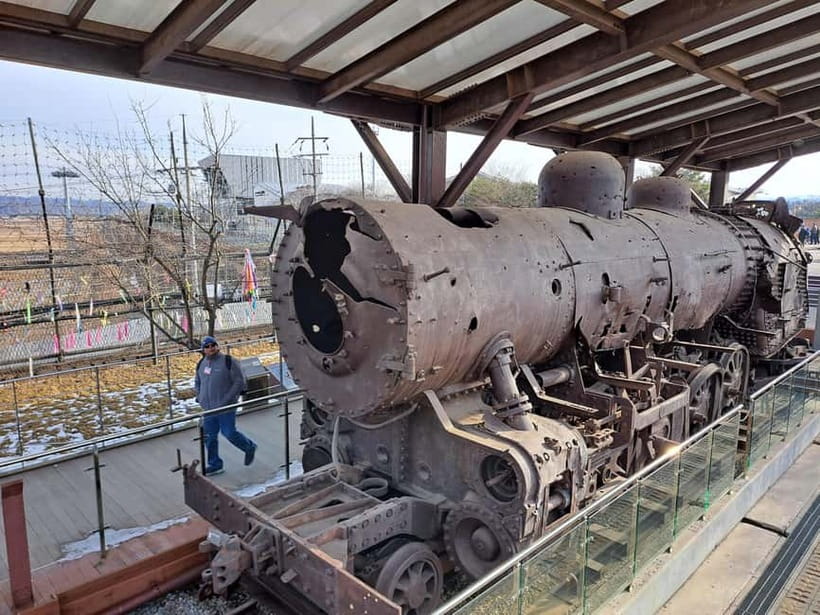
- Dora Observatory viewpoints for staring across the border on clear days
- 3rd Tunnel of Aggression with hard numbers: 1,635m long, about 2m wide/high
- Optional gondola over the Imjingang River for a closer look at North Korea (not on Mondays)
- 150m Gamaksan suspension bridge option with mountain views and a swinging crossing
- Dorasan Station symbolism as the final South Korea stop, currently closed
- Guides like Roy, Patrick, Sean Kim, Ki, and April are repeatedly praised for keeping the day on schedule and making it feel human
DMZ access in one tight 7 to 9 hour day
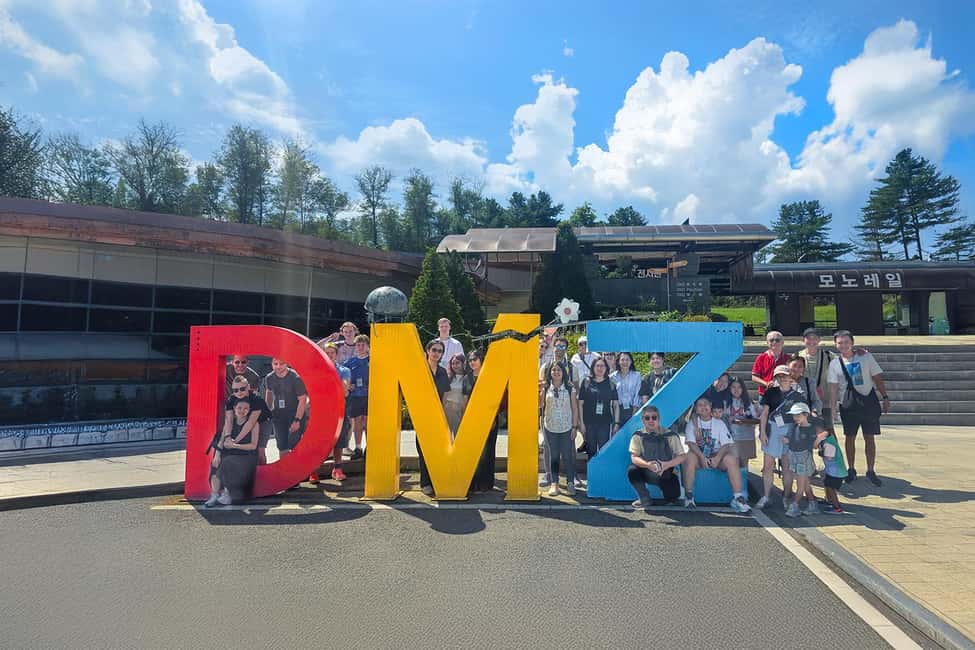
A DMZ trip from Seoul isn’t about wandering. It’s about hitting key places in a set order so you see the story of separation as the day unfolds. This one runs about 7 to 9 hours, which is a practical way to do the DMZ without giving up your entire travel day.
You’ll be in Gyeonggi Province, inside a United Nations-managed region, and the vibe there is different from normal sightseeing. Even when the weather cooperates, the feeling is serious. It helps that the itinerary mixes moments of reflection (observatories and memorial-style stops) with hands-on, physical history (the tunnel portion). The result is a day that stays grounded in what people built, watched, and prepared for.
One more reason this tour format works: it’s designed for structure. You’re not trying to figure out timing between far-apart locations. You show up, you ride, you walk, you move on. That matters when you’re dealing with border-area rules and occasional last-minute changes.
You can also read our reviews of more guided tours in Seoul


Pickup timing and the passport reality check
Plan to be early. The tour operates on a strict schedule with a simple rule: the driver waits no longer than 5 minutes after the scheduled pickup time, and latecomers can’t be refunded. That means your best move is to show up early at your hotel lobby (private option) or at the meeting spot your booking assigns you (join-in options often use areas like Myeongdong or Hongdae).
Your passport is not optional. You need passports for everyone, including infants, with validity of 6 months or longer. If you forget or bring something with short remaining validity, you won’t be able to join.
Also think about shoes. You’ll want comfortable footwear for walking and for the 3rd Tunnel area, where the experience includes an intermediate level of hiking. If you’re used to sandals or fashion shoes, this is the day to switch that plan.
Gamaksan suspension bridge: 150 meters of motion
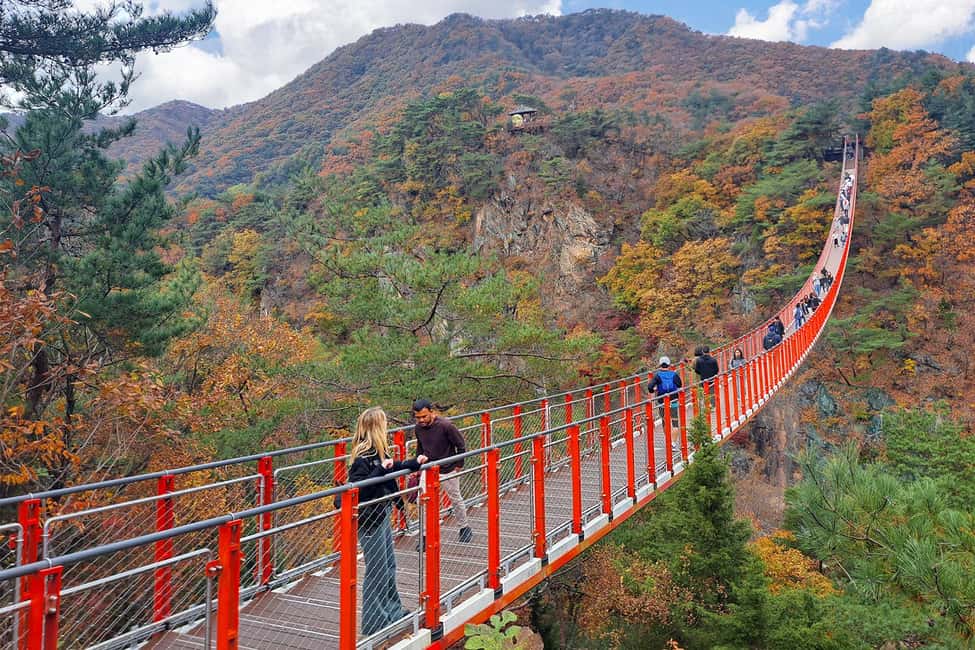
If you choose the suspension bridge add-on, you’ll cross a 150m swinging suspension bridge at Gamaksan Suspension Bridge. It’s not just a scenic pause. It gives your day a change of pace before the more serious stops. You also get those mountain views in different seasons, depending on when you travel.
This stop is short—about 30 minutes—so it won’t eat your whole day. Still, it’s long enough to get photos, take in the air, and reset your legs. If you’re traveling with anyone who needs a break from history talk, this works because it’s simple and outdoors.
A quick practicality: the bridge option is optional, so if you want it, select it during booking. It’s also an easy stop to skip if weather turns bad or if you’d rather save energy for the tunnel.
Imjingak + gondola over the Imjingang River
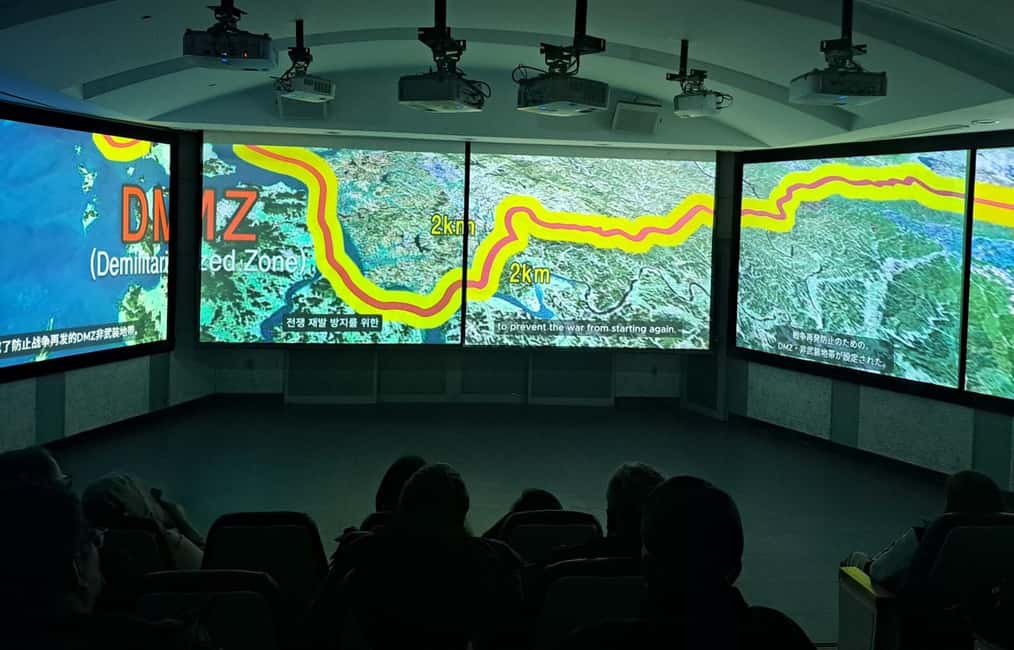
After the suspension bridge, the day heads toward Imjingak (about 1 hour). This is one of those DMZ area stops where you feel the border story from ground level before you go higher-tech and more observatory-focused.
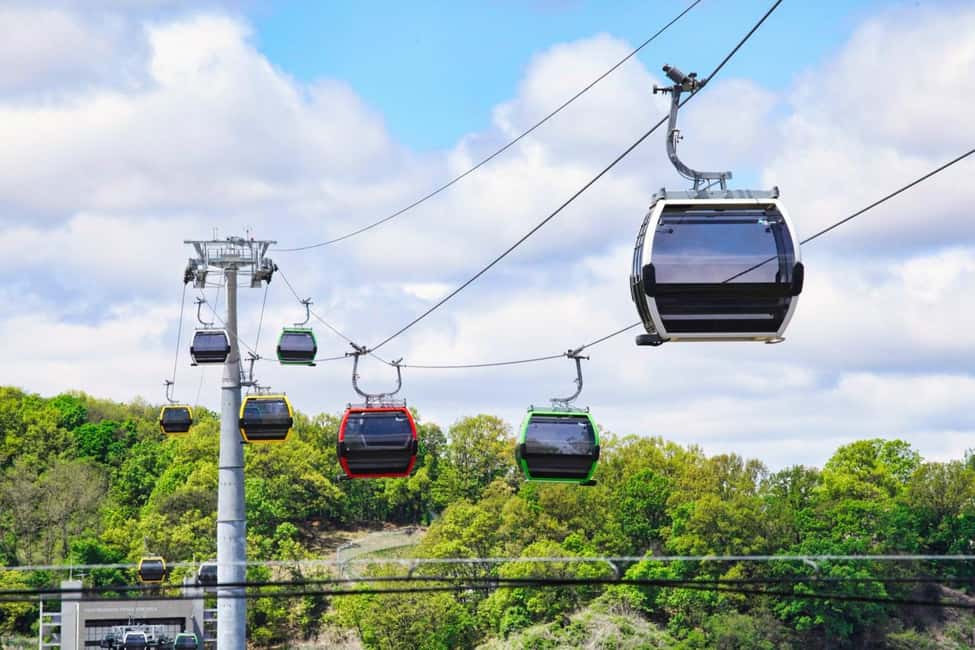
Then comes the optional highlight for many people: the Peace Gondola ride over the Imjingang River in Paju. It’s about 1 hour, and it’s described as self-guided time—meaning you’re not in a nonstop lecture while you’re riding. You’re there to look, take in the view toward North Korea, and soak up the perspective.
Two key planning notes:
- Gondola is available except Mondays.
- You can only do ONE between gondola and the option to meet a North Korean defector. You pick.
Also, self-guided time is a gift in a structured day. It lets you slow down without feeling like you’re asking permission for every photo.
Visitor center: a short briefing before the tunnel
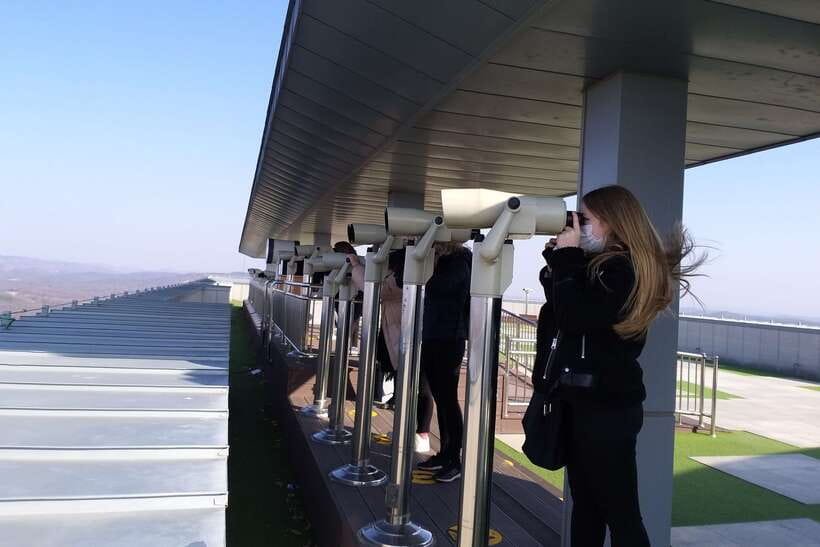
You’ll get a visitor center stop of about 30 minutes before the main tunnel portion. This is where you typically orient your expectations—what you’re about to see, how the site is managed, and how to move safely through the area.
For a day like this, that kind of brief stop matters. The 3rd Tunnel part is physically and mentally different from a viewpoint. You’ll want clarity on what’s required so you don’t end up scrambling when it’s time to go.
If you’re the type who likes to understand the purpose before the action starts, you’ll appreciate this pause. And if you’re trying to conserve energy, it’s also a good time to use washrooms and do a quick check of where you are in the schedule.

The 3rd Tunnel of Aggression: facts, tight space, real effort
The 3rd Tunnel of Aggression is the day’s hands-on history moment. It’s guided (about 1 hour) and it’s built around the tunnel’s scale and intent. The numbers given here are stark: 1,635m long, roughly 2m wide, roughly 2m high, and reportedly capable of moving 30,000 soldiers per hour.
Let that sink in. A structure like that isn’t a vague symbol. It’s a concrete answer to a specific kind of fear and planning. Seeing it as a tunnel—physically narrow and enclosed—helps the history feel less abstract.
Important: the tour notes call out an intermediate hiking level and steep walking. If you’re worried, don’t force it. The guidance also says that if you think you can’t handle it—whether because of fitness limits or being very claustrophobic—you can stay outside.
This is the part of the day where comfort and safety should win. If you ignore that, you’ll spend the rest of the DMZ day distracted instead of present.
Dora Observatory: looking across with your own eyes
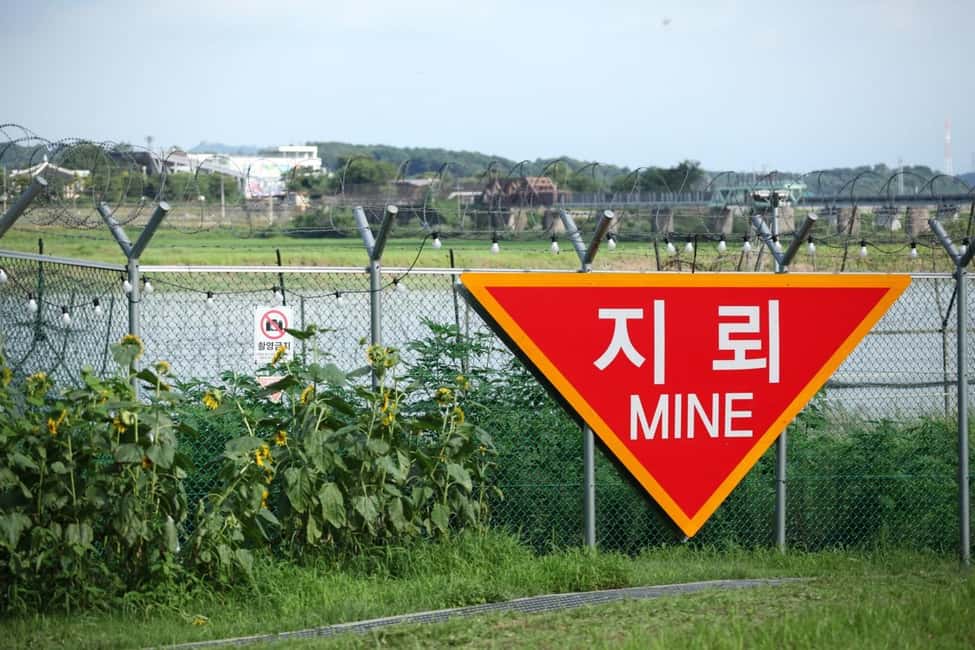
Then you reach Dora Observatory (about 50 minutes, guided). On a clear day, you can gaze across the border into North Korea. That’s the core promise of this stop, and it’s exactly why Dora Observatory tends to be the emotional center of the trip.
What I like about this kind of viewing point is that it doesn’t require special imagination. You’re not relying on someone’s story alone. You’re standing at an official vantage point and letting the border geography do part of the teaching.
The guide portion matters here. You get context for what you’re looking at and why this place became such a focal point over time. It’s also where the day’s mood often shifts from logistics to meaning—tension and hope are not abstract concepts out here; they’re the atmosphere.
Bring your eyes, not just your camera. Even when the weather doesn’t give you the perfect view, the experience still has weight because the setting is unmistakable.
Unification Village shopping and Dorasan Station symbolism
After Dora, you’ll head to Unification Village for shopping time (about 40 minutes). This is your practical stop: souvenirs, small purchases, and a bit of decompression after the more intense border sites.
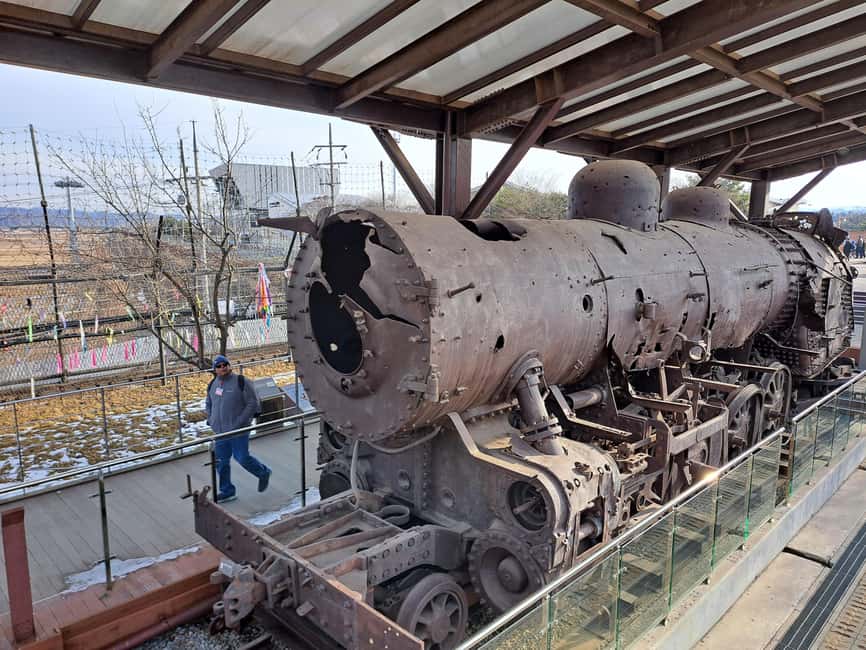
The tour also points to Dorasan Station, described as the last South Korea stop, with Pyeongyang Station about 205km away. Even though the station is currently closed, the symbolism is clear: it’s tied to the idea of reunification and the possibility of connection that never fully happened.
This part of the day is different from the tunnel or observatory. It’s where you turn the experience into something portable—an item in your bag, a reminder that this isn’t only about the past.
Is the $48 price actually good value?
For $48 per person, you’re paying for a whole day inside one of the most regulated sightseeing areas on Earth. The price includes transfers from Seoul, a professional English guide, entry tickets to the DMZ sites, and the DMZ transport loop that connects far-flung stops. It also covers the core structure: bridge (if selected), gondola (if selected), and the main guided sites.
What’s not included is food and drinks, so budget for at least a couple of meals on your own. That’s normal for South Korea day trips, but it affects the true cost.
In my view, this is the kind of trip where value comes from time saved and access protected. Without a guided format, you’d burn hours figuring out transport and site rules. Here, the day is run as a timed itinerary, so your money buys organization as much as it buys admission.
What the best guides do with a tense day
The DMZ is a heavy subject. The best guides know how to keep it from becoming just grim facts on repeat. On this tour, guides such as Roy and Patrick are repeatedly credited with running things smoothly, keeping the pace fair, and still adding humor and human touches.
You’ll also benefit from practical guide behavior:
- Making sure there’s time to handle photos and breaks without turning the day sloppy
- Explaining policies and how to behave at each stop
- Safe, steady driving so you can focus on the sites rather than the road
There’s also a recurring theme of flexibility. If a shop is closed when your group stops, a good guide works to help you find what you need. And some guides help with things like binocular viewing at the observatory, which can matter when you’re trying to spot far-away details.
Group size can change the feel of the day. Some outings are kept small (one example given is a group of 8), which usually means more personal attention and fewer delays.
Who should book this DMZ tour, and who should skip it
This tour is a strong match if you want a structured DMZ guided tour from Seoul with the core sites: Imjingak, Dora Observatory, and the 3rd Tunnel. It’s also a fit if you like photo stops and want options like the Peace Gondola and the Gamaksan suspension bridge for different perspectives.
Skip (or think carefully) if you:
- Have claustrophobia or worry about very tight spaces in tunnels
- Have heart problems
- Have low fitness and can’t comfortably handle steep, intermediate hiking conditions
Also note the Monday pattern. Gondola and the meeting with a North Korean defector are both unavailable on Mondays, and the itinerary shifts to 2nd tunnel, Peace Observatory, and the northern most Train Station in DMZ. So if those options are your must-haves, pick your day wisely.
Should you book this DMZ guided tour from Seoul?
Book it if you want a well-paced day with Dora Observatory and the 3rd Tunnel, plus optional experiences that give you added perspective like the Imjingang River gondola and the Gamaksan 150m suspension bridge. It’s priced like a serious guided day, and the included guide + entry + transfers are a real part of what you’re paying for.
Don’t book it if the tunnel conditions sound like a bad match for your body or your comfort level. No souvenir is worth feeling miserable in a narrow space.
If you’re ready for a packed but meaningful border day, this is a practical way to do it with minimal uncertainty.
FAQ
How long is the DMZ guided tour?
The duration is listed as 7 to 9 hours, depending on the starting time and day.
How much does the tour cost?
The price is $48 per person.
Where is the pickup, and what if I booked a join-in tour?
Join-in options use convenient meeting points around Myeongdong or Hongdae. Meeting point can vary depending on the option you book.
Do I get hotel pickup and drop-off?
Hotel pickup and drop-off are included if you choose the private option.
Is the gondola included, and is it available every day?
The gondola is an optional add-on. It is available except Mondays.
Can I do the gondola and meet a North Korean defector on the same tour?
No. You can only choose ONE between the gondola add-on and the option to meet a North Korean defector. Also, both are unavailable on Mondays.
What does the tour include?
Included items are transfers from Seoul, a professional English guide, DMZ entry tickets, and hotel pickup/drop-off for private. Optional add-ons (suspension bridge and gondola) are included if selected.
What should I bring?
Bring your passport and wear comfortable shoes. The passport must be valid for 6 months or longer for everyone on the booking, including infants.
What if the weather or political situation changes?
There can be last-minute changes due to weather or political reasons. You’ll be contacted in advance with a free rescheduling or refund option.
Is the 3rd Tunnel suitable for claustrophobic or low-fitness travelers?
It may not be suitable. The notes say the 3rd tunnel requires an intermediate hiking level and can be hard for people with claustrophobia, heart problems, or low fitness. You can stay outside if needed.