REVIEW · SEOUL
Seoul: Traditional Korean Dessert Workshop with Korean Tea
Book on GetYourGuide →Operated by K-Vibe Studio · Bookable on GetYourGuide
If you like food you can also display, this workshop fits. You’ll make Dasik, a patterned Korean tea dessert, and learn the meaning behind it while pairing it with Korean tea. The vibe is calm and guided, which is a rare win in a busy city. My favorite parts are the hands-on dessert making and the tea tasting, though one thing to consider is that it’s not for kids under 6.
This class runs in English with an instructor who explains the process clearly. It’s also designed to be worth the short time you spend there: you’ll leave with sweets in a premium box, ready to share or gift. It’s a simple plan, but it does ask you to focus for about 90 minutes at the worktable.
In This Review
- Key Highlights You’ll Actually Care About
- Why Seoul’s Dasik Workshop Works in Just 90 Minutes
- K-Vibe Studio Setup: Where the Workshop Starts
- Dasik 101: What You’re Making and Why It Matters
- Your Workshop Plate: Making Dasik Step by Step
- Korean Tea Tasting: The Calm Part You’ll Remember
- Taking Home Your Dasik in a Premium Box
- Price and Value: What $58 Really Buys You
- Who Should Book This Seoul Dessert and Tea Class
- Tips to Prepare So You Enjoy Every Minute
- Should You Book It?
- FAQ
- How long is the Seoul Dasik workshop?
- What is Dasik made from?
- Is the workshop taught in English?
- What flavors or ingredients are used during the class?
- Will I get to taste Korean tea?
- What do I take home?
- Where is the meeting point?
- Is the workshop suitable for young children?
Key Highlights You’ll Actually Care About
- Dasik patterns with meaning tied to the traditional tea-dessert tradition since the Joseon Dynasty
- Hands-on instruction in English, with helpful pacing for a short 90-minute session
- Korean tea tasting in a calm traditional setting that many people describe as almost meditative
- Traditional + modern flavors in one workshop, including omija, injeolmi, chocolate, and pistachio
- Premium take-home box so your handmade sweets feel gift-worthy, not just snack-worthy
Why Seoul’s Dasik Workshop Works in Just 90 Minutes
Seoul has plenty of food tours, but this one is different because you don’t just watch and eat. You make. Dasik is a traditional Korean tea dessert made from natural grains and nuts, and it has been around since the Joseon Dynasty. That long timeframe matters here, because you’re not learning recipes as trivia. You’re learning why these sweets exist in tea culture and why the patterns matter.
You’ll also appreciate the setup for photos and sharing. Dasik is often called a dessert for the eyes because each piece can look like small art tiles. You’ll create something that’s easy to show off, but the point isn’t social media. It’s that the design is part of the experience. When your sweet has meaning, you actually pay attention to what you’re making.
One more reason I like this format: it’s short. Ninety minutes is enough time to learn the basics, form your pieces, and still enjoy the tea tasting without feeling rushed. If you want a “one afternoon skill” in Seoul, this hits that sweet spot.
You can also read our reviews of more tours and experiences in Seoul.



K-Vibe Studio Setup: Where the Workshop Starts
The class meets at 1 Floor, K-Vibe Studio. Once you’re inside, the tone is meant to feel relaxed and focused. People describe the hosts as welcoming and the session as well explained, which matters because dasik has a look that people assume is complicated. It isn’t magic, but it does need a bit of technique—especially if you want the pieces to look clean and well stamped.
This workshop is conducted in English, so you won’t be stuck guessing what to do at the worktable. If you’re booking with a friend who prefers another language, there’s AI-powered translation support noted as available, but the instructor is English-first.
Two practical notes so you can plan comfortably:
- It’s wheelchair accessible, so the studio is set up for guests who need that.
- It’s not suitable for children under 6, so if you’re traveling with very young kids, choose a different food experience that fits their age range.
Dasik 101: What You’re Making and Why It Matters
Before hands start moving, you get the key cultural background. Dasik is tea-dessert culture in solid form. In Korean tea traditions, sweets like this aren’t only dessert; they’re part of the tasting rhythm—something you hold, smell, and nibble alongside tea.
Here’s what makes this workshop especially satisfying for curious food people: Dasik isn’t just one flavor. It’s a base made from natural ingredients—think grains and nuts such as soybean and almond—shaped into patterned pieces. The designs aren’t random either. Each piece features a pattern, and those patterns carry special meaning.
You’ll also learn how the ingredients connect to the tradition. In this class, you’ll use both well-known traditional flavors and newer, modern twists. Traditional options mentioned include omija (a berry associated with distinct fruit flavors) and injeolmi (often linked with sesame-based sweetness). Then, you’ll also work with modern flavors like chocolate and pistachio. That combination gives you a clear story: Korean dessert culture can honor tradition while still creating flavors people recognize today.
And yes, the look really does deserve attention. Many people highlight that the sweets turn out beautiful. If you like the idea of taking home something that looks handmade instead of generic, this is one of the better workshops for that payoff.
Your Workshop Plate: Making Dasik Step by Step
The core experience is the hands-on dasik session. You’ll work with the dough and shape the pieces into patterned forms, learning how the process works rather than just following vague instructions.
What I like about this part is that the class teaches you the purpose behind each step. Instead of thinking of it as a craft project where you only care about the final product, you’re learning why the method produces that clean pattern look and how the ingredients influence texture and flavor.
Based on how the class is described, you should expect a guided workflow:
- You’ll start with the instructions for creating dasik pieces.
- You’ll use a mix of traditional and modern ingredient flavors during the session.
- You’ll stamp or shape the pieces so they develop the characteristic patterned aesthetic.
You’re also getting cultural context at the same time. That matters because you’re not just building skill—you’re understanding meaning. The Joseon Dynasty reference isn’t there to sound fancy. It’s there to give you a reason to care about the patterns and the tea pairing.
If you’re someone who gets impatient in busy classes, this one still benefits you because it’s structured. People mention the workshop felt professional, organized, and clearly explained, which usually means less confusion and less wasted time.
Korean Tea Tasting: The Calm Part You’ll Remember
After (or alongside) making, the workshop includes a Korean tea culture experience and a tasting in a calm setting. This is one of the most praised pieces of the whole experience. People describe the time as almost meditative, which makes sense: when you’ve been shaping something small and detailed, switching to tea encourages a slower pace.
The studio environment is described as beautiful and peaceful, which helps your brain stop treating the day like a checklist. You get a tea moment, not a tea moment-by-transaction. And in cold-weather situations, it sounds like the hosts really pay attention to comfort. One person mentions hand warm packs when leaving during a cold day, which is the kind of thoughtful touch that doesn’t show up in every class.
Tea also affects how you perceive your dessert. Dasik is made for the tea pairing idea, so tasting helps you understand the flavor balance better than you would just eating the pieces alone later.
Also worth noting: people mention getting extra tea and extra dessert during the session. That suggests you’re not stuck with a tiny token portion. You get more of the experience, not less.
You can also read our reviews of more tours and experiences in Seoul



Taking Home Your Dasik in a Premium Box
The best souvenirs aren’t just pretty. They’re useful in your real life: you can gift them, share them, or enjoy them later without throwing away the whole story.
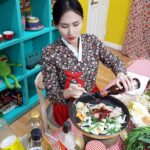
That’s why the take-home setup matters. This class includes a premium box for your handmade sweets. That turns your final pieces into something you’d feel good giving to someone back home. It also protects the pieces so you can transport them without stress.
Think about who this part is for:
- If you’re traveling with a gift-giver in mind, this box makes it easier.
- If you want a “no shopping mall” souvenir, it’s a made-by-you item.
- If you’re pairing it with another Seoul plan that afternoon, the box helps the logistics feel manageable.
And because you made the pieces yourself, it’s not just a snack you bought. It’s a small, personal story you can share.
Price and Value: What $58 Really Buys You
At $58 per person for about 90 minutes, you might wonder if this is “just a workshop.” Here’s the value angle that makes it feel more like an actual experience:
You’re paying for three things at once:
- A hands-on session to make dasik (not just watching)
- Korean tea culture and tasting
- A premium box to take your sweets home
On top of that, the instruction is in English, so you’re not paying for language barriers you’d have to solve yourself. People also mention the hosts are friendly, professional, and good at explaining—so you spend less time puzzled and more time actually making.
The small touches matter too. Extra tea/dessert and comfort help during bad weather are part of the experience quality. Those details don’t change the basic price, but they change whether the class feels worth it once you’ve joined.
In short: if you like learning food skills and you want something more memorable than a plate at a restaurant, this price is reasonable for the time, instruction, and take-home reward.
Who Should Book This Seoul Dessert and Tea Class
This workshop is a great match if you:
- Want a hands-on Korean food experience that isn’t a full-day commitment
- Like cultural explanations tied directly to what you’re doing
- Enjoy crafts where the final result is photogenic but also meaningful
- Prefer calmer, guided activities where the pace feels manageable
It’s also a strong choice for bad-weather days. People call it a good weather option, and that tracks. You’re indoors, guided, and focused on an activity that doesn’t require navigating the city.
Avoid it if:
- Your group includes children under 6
- You’re looking for a high-energy activity with lots of walking and big outdoor sights
If you’re traveling as a couple, the tea portion plus the craft workflow makes for a relaxing shared moment. If you’re traveling solo, the workshop format can also be a friendly social setting—one person even notes meeting like-minded people from around the world during the session.
Tips to Prepare So You Enjoy Every Minute
You don’t need special skills, but you can show up ready to get the most out of the class:
- Dress comfortably. You’ll be working at a table, and a food-craft session should feel easy on your body.
- Keep expectations realistic. Ninety minutes is enough to make dasik pieces and enjoy tea, not enough for a long cooking course.
- If you have food sensitivities, pay attention to the ingredients mentioned. The class includes nuts like almond and flavors like chocolate and pistachio, so it’s worth being mindful before you join.
- Bring your phone for the patterns, but don’t let it take over. The best part is the slow tea moment and the process you control.
Should You Book It?
If you want one Seoul activity that’s hands-on, culturally grounded, and actually leaves you with a take-home product, I’d book this. The strongest reasons are the combination: dasik making + Korean tea tasting + premium box in a compact 90-minute format. The workshop is also described as well organized and clearly explained, with a welcoming, friendly tone.
I’d skip it only if you’re strictly seeking outdoor sightseeing, or if you’re traveling with very young children under 6. Otherwise, this is a smart pick for food lovers, culture learners, and anyone who likes making something beautiful with their own hands.
FAQ
How long is the Seoul Dasik workshop?
The class lasts about 90 minutes.
What is Dasik made from?
Dasik is a traditional Korean tea dessert made from natural grains and nuts, such as soybean and almond.
Is the workshop taught in English?
Yes. The program is conducted in English, with AI-powered translation support available for other languages.
What flavors or ingredients are used during the class?
The workshop uses traditional ingredients like omija and injeolmi, and also modern flavors such as chocolate and pistachio.
Will I get to taste Korean tea?
Yes. The experience includes Korean tea culture and a tea tasting.
What do I take home?
You’ll make your own Dasik and receive a premium box so you can take the handmade sweets home (and gift them).
Where is the meeting point?
The meeting point is 1 Floor, K-Vibe Studio.
Is the workshop suitable for young children?
It is not suitable for children under 6 years old.