REVIEW · SEOUL
Small-Group Night Food Tour in Seoul with Korean BBQ
Book on GetYourGuide →Operated by O'ngo Food Communications · Bookable on GetYourGuide
Seoul at night tastes like a story. This walk hits you with Korean BBQ and classic street flavors like kimchi, savory pancakes, and spicy rice cake stew, then backs it up with a guide who explains what you’re actually eating. I like that it feels like real local wandering, not just a stop-and-photo circuit. The one catch: alcohol is part of the experience, so if you want a low-key night, tell your guide early.
You’ll meet at Anguk Station Exit 5 and spend about 3.5 hours moving through Jongno-gu in a group capped at 12. That small size matters. You can ask questions, get food recommendations on the spot, and actually hear the explanations between the crowds.
By the time you finish at Jongno-5ga Station, you’ll have tried a spread of food and drinks that most visitors don’t fit into one evening. Expect tastings plus a 3-course dinner, with options that include Korean beer, soju, and traditional rice wine tastings alongside soft drinks. If you’re on a first Seoul trip, this is a solid way to get your bearings fast.
In This Review
- Key things that make this Seoul food tour work
- Night Food in Seoul: Why This 3.5-Hour Walk Hits Different
- Starting at Anguk Station Exit 5: Your Evening’s Easy Launch
- Insadong Regional Bites (First Stop): Set Your Taste Map
- Beer, BBQ, and Dinner in Insadong: The Main Event
- Ikseondong Hanok Village: Tea, Dessert, and a Slower Rhythm
- Gwangjang Market Food Stop: Where Seoul Food Feels Real
- Korean Drinks Included: Soju, Rice Wine, and Beer Without Guessing
- Guide Energy and the Benefit of a Small Group
- Price and Value: What $96 Actually Buys You
- Who This Seoul Night Tour Suits Best (And Who Should Skip)
- Should You Book This Seoul Night Food Tour?
- FAQ
- Where does the tour start and where does it end?
- How long is the night food tour in Seoul?
- What size is the small group?
- What’s included for dinner and drinks?
- Can the tour accommodate dietary restrictions?
- Is the tour guided and in English?
- What if I need to cancel or pay later?
- What happens if I arrive late to the meeting point?
Key things that make this Seoul food tour work
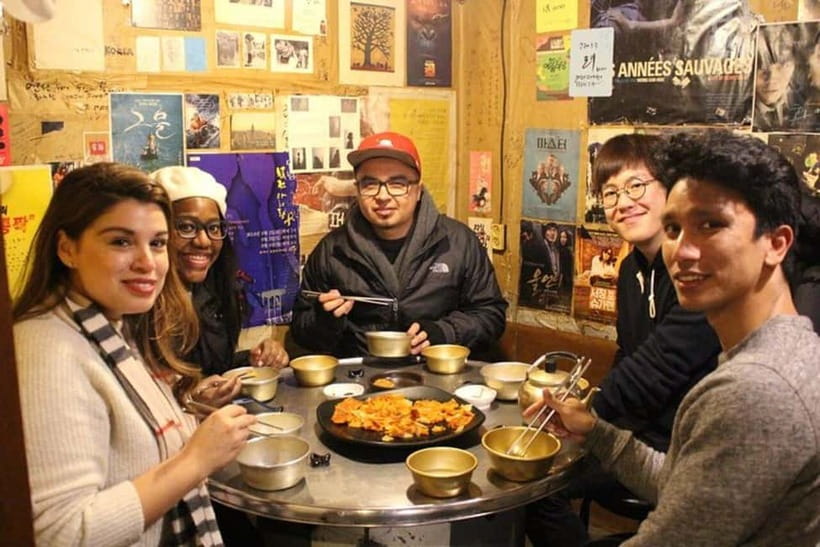
- Small group (up to 12) so the guide can slow down and answer questions
- Insadong for regional bites, then a proper BBQ dinner with beer and tastings
- Ikseondong Hanok Village break for tea, dessert, and local snacks in a traditional setting
- Gwangjang Market stop so you get market-food energy, not only restaurant food
- Korean drinks included: soju, Korean beer, and traditional rice wine tastings
- Food explanations that turn random dishes into something you can repeat later
Night Food in Seoul: Why This 3.5-Hour Walk Hits Different
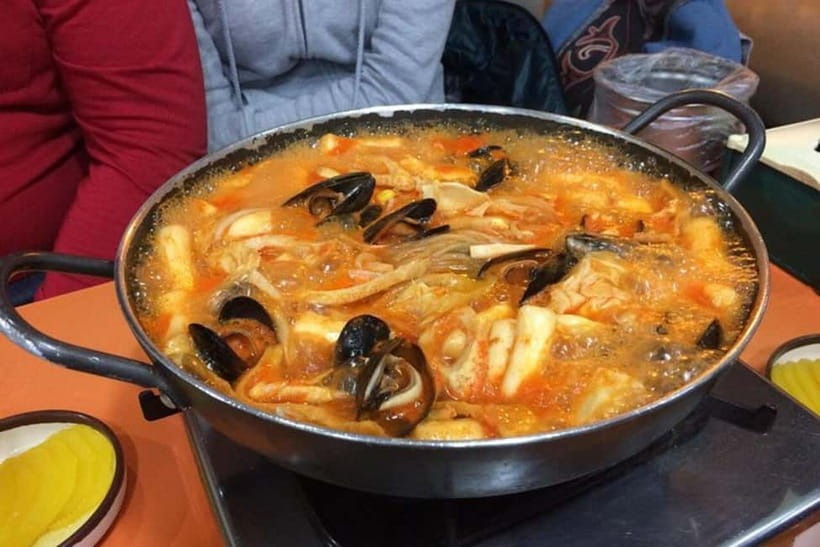
A night food tour in Seoul can be hit or miss. Some feel like you’re being herded from one stall to the next, with little context. This one works because it mixes food settings: street-style tastings, a BBQ dinner format, a hanok village pause, and then a market stop.
I also like the balance between fun and usefulness. You get enough variety to learn what Koreans actually order and snack on, but the evening doesn’t drag. You’re done in about 210 minutes, which is long enough to taste widely and short enough to still enjoy the rest of your night.
The group size helps here too. With numbers kept to 12, you’re not stuck behind someone who decides every bite needs a photo first. It stays social, and you learn faster.
You can also read our reviews of more food & drink experiences in Seoul
Starting at Anguk Station Exit 5: Your Evening’s Easy Launch
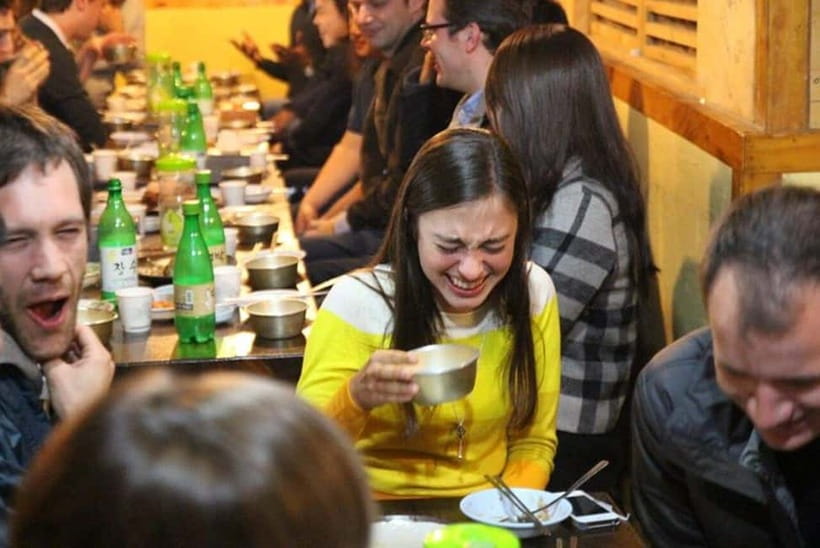
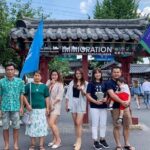
Meeting at Anguk Station is convenient because it’s one of Seoul’s easier anchors for transit and wandering. The guide waits at Exit 5, so treat it like a time-sensitive meetup. If you’re late, you’re responsible for missing part of the program.
Once you’re together, the route is built for walking. You’ll be moving through Jongno-gu, where it’s easy to get the sense of everyday life—snacks, small restaurants, and street corners that don’t feel staged. This isn’t a “bus tour in disguise.” You’re out on foot, which makes the food feel part of the neighborhood.
Practical tip: wear comfortable shoes. You’re sampling enough food that stopping to stretch is fine, but turning your whole night into a “my feet are done” situation is not.
Insadong Regional Bites (First Stop): Set Your Taste Map
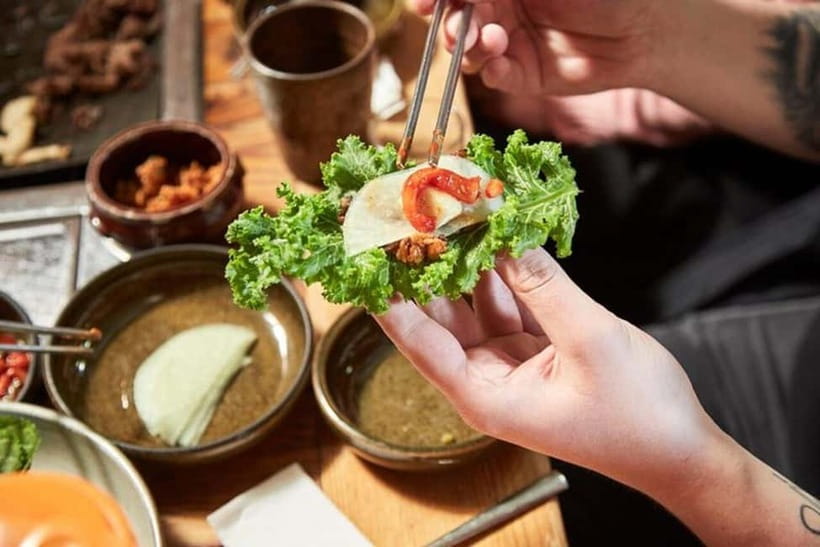
Insadong is a strong starting point because it’s known for traditional-leaning streets and a steady flow of casual food. Early on, you’ll try regional items—think of this as your flavor warm-up.
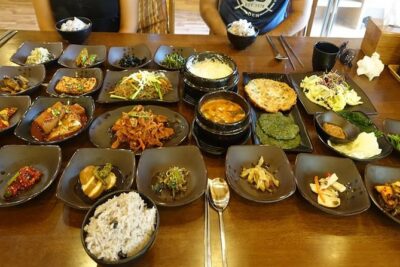
Based on what’s included in the tasting list, you can expect classics like kimchi and other savory bites that help you understand the Korean flavor base: fermented tang, salty depth, and heat that builds rather than just smacks you. You’ll also get a look at how Korean street food can be both quick and satisfying.
The upside of an early regional stop is mental. After a first set of tastings, you start spotting patterns: what tastes more sour, what tastes more sweet, which dishes are built around chili, and what goes best with rice or grilled items later.
A possible drawback: if you’re extremely hungry, your pacing might feel like you’re not getting full immediately. But that’s intentional. The evening is designed to build toward the BBQ dinner, so you’ll eat steadily rather than crash halfway through.
Beer, BBQ, and Dinner in Insadong: The Main Event
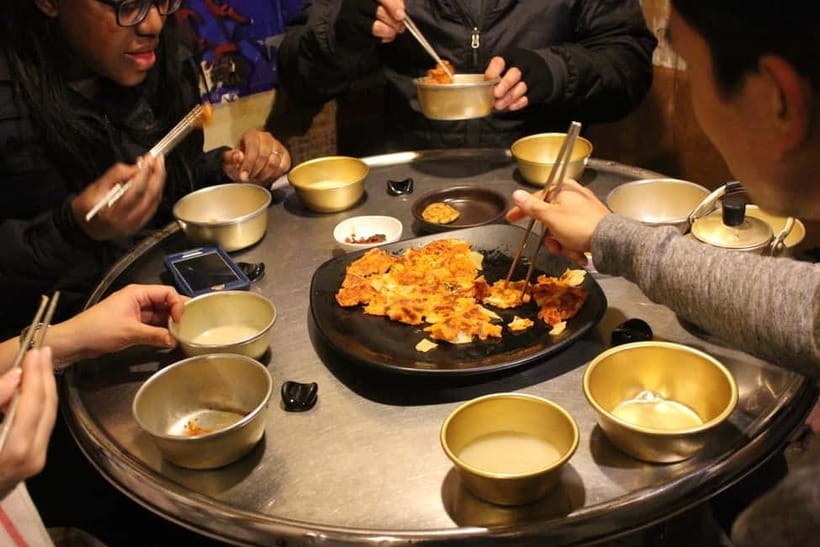
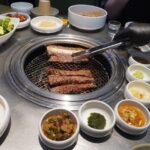
This is the centerpiece of the night: a stop for BBQ plus a dinner setup. You’ll also have alcoholic beverages like Korean beer, and tastings that can include soju and traditional rice wine.
The best thing about making BBQ the anchor is that it gives you structure. Korean BBQ isn’t just a dish; it’s a whole eat-it-together rhythm. You’ll taste, then adjust as flavors hit your palate, then repeat. Even if you’re new to Korean food, this section helps you learn what to expect from grill-centered meals: savory, smoky, and often balanced with sides and sauces.
You’re also getting a 3-course dinner included in the tour. That matters for value. A lot of “food tours” sell you on snacks and call it dinner. Here, the plan is built around an actual multi-part meal feeling, then continues with dessert and more tastings later.
One note on alcohol: the tour includes soju and Korean rice wine tastings, plus beer. That’s great if you want the full experience. If you’d rather keep your evening crisp, you can still enjoy the food—just pace your sips.
Ikseondong Hanok Village: Tea, Dessert, and a Slower Rhythm
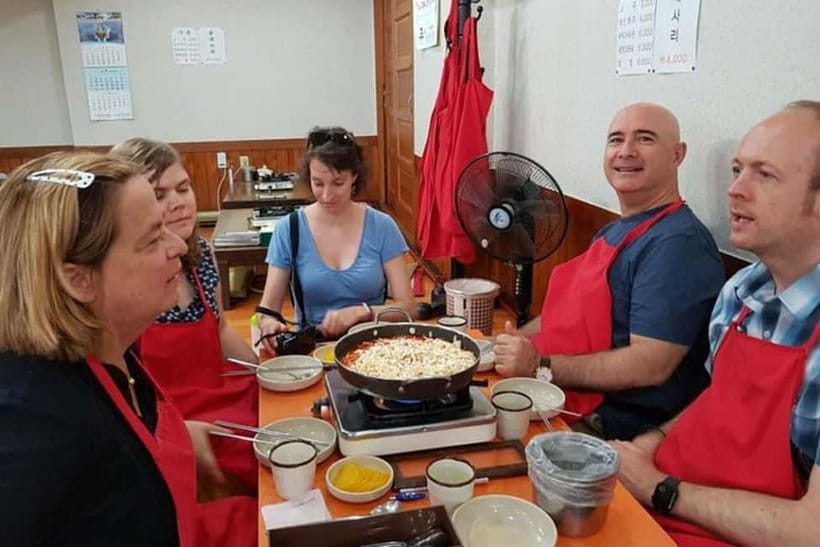
After the BBQ, the evening shifts gears at Ikseondong Hanok Village. This stop is about contrast. Instead of grills and noise, you get a traditional hanok area feel where the tour includes tea, dessert, and local snacks.
I like this break because it resets your senses. After spicy and savory bites, tea can cool your palate without stealing the flavor focus. Dessert also gives you a chance to notice how Korean sweets often balance texture and sweetness differently than what you might expect.
This is the moment where the tour stops feeling purely “eat-eat-eat” and starts feeling like an evening. You’re learning in a calmer setting, which also makes the explanations easier to absorb. The guide can talk through food culture without everyone shouting over sizzling pans.
What to consider: if you hate walking between food stops, this is still a walking tour. You’ll have a short wander through the hanok area as part of the visit, so plan for some gentle hoof-time even during the slower segment.
You can also read our reviews of more tours and experiences in Seoul
Gwangjang Market Food Stop: Where Seoul Food Feels Real
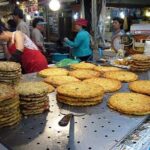
Your final tasting-style stop is Gwangjang Market, a place that’s famous for its dense concentration of food. Market food has a different vibe than restaurant food: it’s fast, focused on taste, and built for sharing bites while you keep moving.
This stop is shorter than the BBQ dinner section, but it’s memorable because it’s a genuine market experience. You’ll get a food market visit and more tastings, which is where your earlier flavor map pays off. Once you’ve tasted kimchi-style brightness, BBQ-style savor, and rice-stew spice, you can start connecting dishes to specific flavor goals.
Also, this is a key value point: lots of food tours only do a market. Here you get variety—streets, BBQ, a hanok village break, then the market. That structure makes your evening feel like Seoul, not just a single venue.
If you’re a careful eater, bring a light strategy. Ask your guide what’s worth trying next and how spicy it tends to be. You’ll waste fewer bites on guesswork.
Korean Drinks Included: Soju, Rice Wine, and Beer Without Guessing
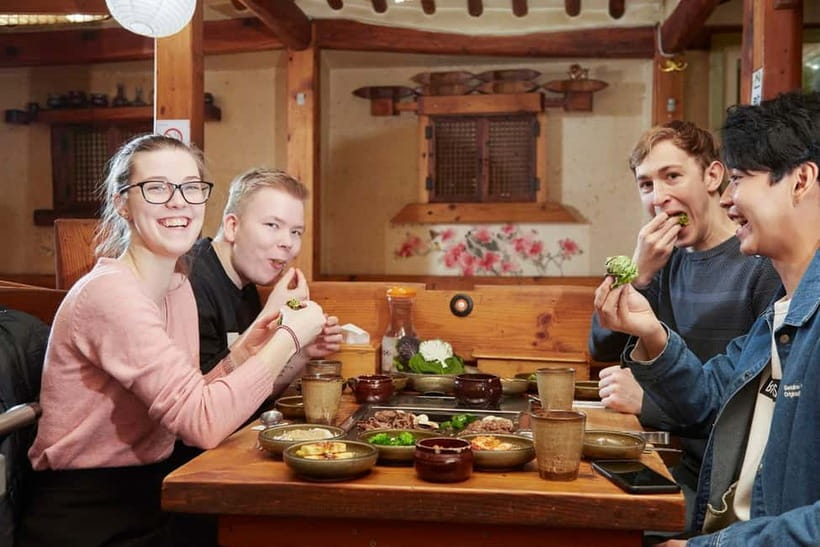
One of the most praised parts of this tour is the drink pairing. You’re not just offered alcohol randomly. The included list covers Korean beer, soju, traditional rice wine tastings, plus soft drinks.
Soju is the big one people recognize. Rice wine adds a different angle—often smoother and less sharp than spirits people associate with Western bars. Having both, plus beer, means you can find your level that night rather than committing to one flavor of buzz.
My advice: treat the drinks like seasoning, not like a full-on party. Small tastings let you stay social and still enjoy the food. If you’re driving the next day or just want to keep your evening energetic, you can also lean on soft drinks since they’re included.
If you prefer a guided experience, this is a good setup because you’re learning what these beverages taste like in context. They show up with food, so you understand why Koreans drink them that way.
Guide Energy and the Benefit of a Small Group
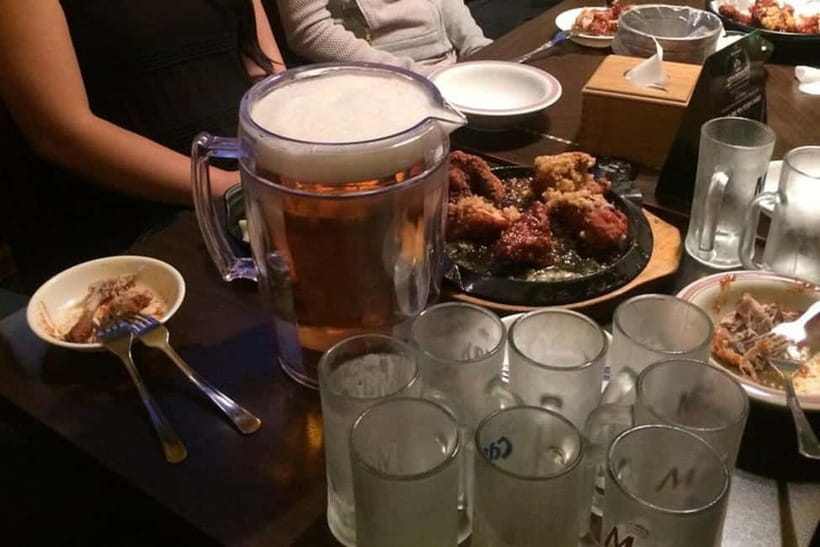
The heart of the night is the guide. A standout theme from recent experiences is how the guide keeps explanations clear and the group atmosphere fun. One guide named Chris earned top marks for being both helpful and entertaining while sharing what each dish represents.
That kind of guide work matters more than people expect. Korean menus can be intimidating because dishes overlap in ingredients and spice levels. When someone explains what you’re tasting and what to look for, you turn the meal into learning, not just eating.
With up to 12 people, you avoid long waits for each stop. You also get more chances to ask simple questions like what a dish tastes like, how spicy it runs, or what pairs well. That’s how the tour becomes more than a checklist.
If you’re traveling solo or as a couple, this format is especially friendly. It naturally creates conversation time without forcing you into awkward small talk the whole evening.
Price and Value: What $96 Actually Buys You
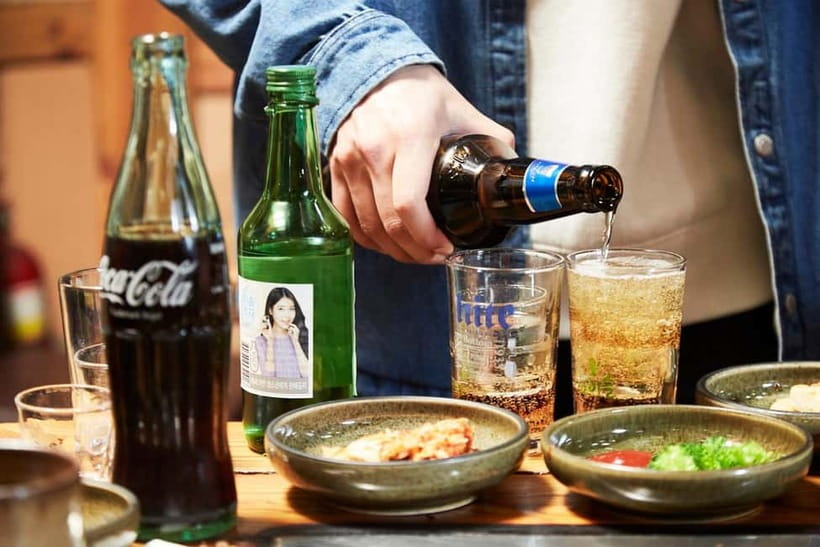
At $96 per person, this isn’t a cheap snack crawl. But you’re not paying only for food samples. The package includes a local English-speaking guide, a small-group walking tour, a visit to a hanok village, and a 3-course dinner, plus multiple alcoholic beverages and soft drinks.
So the value comes from concentration. If you tried to recreate the experience on your own, you’d likely pay separately for a multi-course meal, then spend extra time figuring out where to go for specific tastings. Here, the route handles the hard part: you follow the plan and taste widely while someone else manages timing.
Also, a high rating around 4.9 signals consistency. One great meal is luck. A consistently good evening suggests the structure works.
If you want the most value, go hungry but not starving. Arrive ready for steady tastings, then let the BBQ dinner land like the main course it is.
Who This Seoul Night Tour Suits Best (And Who Should Skip)
This tour is a strong fit if you:
- want a first-time Seoul food orientation with multiple tastings
- enjoy tasting Korean staples like kimchi, savory pancakes, and spicy rice cake stew
- like the idea of BBQ with drinks instead of only street snacks
- prefer guided pacing in a group capped at 12
It might not be ideal if:
- you avoid alcohol and want an entirely alcohol-free experience (the tour includes alcoholic beverages)
- you dislike walking and want a mostly seated tour
- you want only one type of food, like a pure market tour or a pure BBQ tour
Should You Book This Seoul Night Food Tour?
I’d book it if you want one night in Seoul that teaches you how Korean food tastes across settings—street bites, BBQ dinner, hanok tea and dessert, then market snacks. The small-group size and the guide-led explanations make it feel personal, not mechanical.
If you’re sensitive to alcohol, book with a plan: tell your guide you want lighter drink tastings and lean on the included soft drinks. If you’re flexible and hungry for variety, this is a fun, efficient way to get a real slice of Seoul after dark.
FAQ
Where does the tour start and where does it end?
The tour starts at Anguk Station Exit 5 and finishes at Jongno-5ga Station.
How long is the night food tour in Seoul?
It runs for 210 minutes (about 3.5 hours).
What size is the small group?
The walking tour is limited to up to 12 people.
What’s included for dinner and drinks?
It includes a 3-course dinner and alcoholic beverages such as soju, Korean beer, and traditional rice wine tastings, plus soft drinks.
Can the tour accommodate dietary restrictions?
Yes. You should inform the provider of any dietary restrictions before the tour. Vegan, vegetarian, and Halal options are available when private.
Is the tour guided and in English?
Yes. It includes a local English-speaking guide.
What if I need to cancel or pay later?
Free cancellation is available up to 24 hours in advance for a full refund, and there’s a reserve now & pay later option.
What happens if I arrive late to the meeting point?
The guide waits at Anguk Station Exit 5. If you’re late, you’re responsible for missed participation in the program.