REVIEW · SEOUL
Seoul City Sightseeing Tour Including Gyeongbokgung Palace, N Seoul Tower, and Namsangol Hanok Village
Book on Viator →Operated by SEOUL CITY TOUR CO. LTD. · Bookable on Viator
One day, five Seoul time-travel stops. This tour strings together Gyeongbokgung Palace, N Seoul Tower, and Namsangol Hanok Village with a real guide, convenient hotel pickup, and smart pacing for first-timers.
I especially like how the stops cover both the old kingdom and modern Seoul viewpoints, plus the guide style tends to stay friendly and clear. If your group gets a pro like AJ, BK, Sadie, or Lizzy, you’ll hear lots of context as you go, not just sign-reading.
The main thing to watch is the day includes a ginseng shopping center, and it can feel sales-heavy. Go in with a budget, and treat it as a cultural stop rather than a must-buy.
In This Review
- Key things I’d bet you’ll remember
- Starting the day with hotel pickup and an 8-hour hit list
- Jogyesa Temple first: calm contrast before palace crowds
- Cheongwadae from the road, then Gyeonghwamun Gate and guard changing
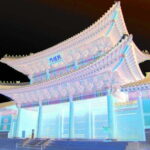
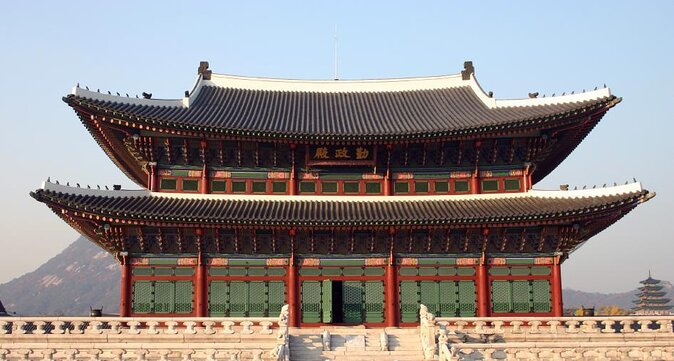
- Gyeongbokgung Palace: the main architecture story of the Joseon dynasty
- National Folk Museum of Korea: daily life, not just royalty photos
- When the day shifts: Tuesdays and Mondays change the palace/hanok plan
- The ginseng shopping center stop: cultural lesson with a sales angle
- Insadong lunch time: where to eat without losing the schedule
- N Seoul Tower: panoramic views, cable car included, main ticket extra
- Namsangol Hanok Village: Joseon-era houses for different social classes
- Price and logistics: does $80 deliver real value?
- Best-fit traveler: who this tour suits
- Should you book this Seoul highlights tour?
- FAQ
- What’s included in the tour price?
- Is there pickup from my hotel?
- How long is the tour?
- Is lunch included?
- Do I need to buy tickets for N Seoul Tower?
- What happens on Tuesdays?
- What happens on Mondays?
- How much walking is involved?
Key things I’d bet you’ll remember
- Hotel pickup by coach makes the morning easy, especially if you’re staying in central Seoul.
- Gyeongbokgung Palace timing plus the National Folk Museum means you get Joseon-era context in one stretch.
- Gwanghwamun Gate guard-changing is a quick photo moment, but it depends on day-of-week.
- Insadong lunch time gives you a real neighborhood break, with bibimbap or bulgogi options.
- N Seoul Tower includes the cable car, but the main observation ticket is extra.
- Monday and Tuesday swaps can change which palaces or hanok villages you see.
Starting the day with hotel pickup and an 8-hour hit list
This is built for people who want Seoul highlights without building your own route. You meet your guide in the morning at the tour’s start point area, and pickup is offered from your hotel. From there, you ride in an air-conditioned vehicle between stops, which matters in Seoul’s heat, wind, or sudden rain.
The whole outing runs about 8 hours with a mix of short and medium visits. Expect a moderate amount of walking. The pacing is designed so you don’t lose the day in transit, while still having enough time to look around and ask questions.
Also note the group size cap: this runs with a maximum of 40 people. That’s usually big enough for lively energy, but small enough for your guide to manage schedules and regroup the group.
You can also read our reviews of more city tours in Seoul
Jogyesa Temple first: calm contrast before palace crowds
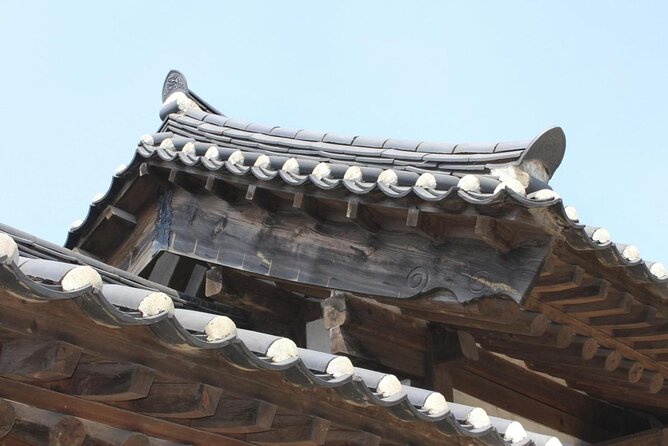
You start at Jogyesa Temple, one of Seoul’s best-known Buddhist temples. The visit is about 20 minutes, which sounds short, but it works because you’re there early in the day, when the neighborhood tends to feel less chaotic than later on.
What I like about starting here is the contrast. You’re still in the city, but Jogyesa gives you a calmer mental reset before you jump into palace architecture and national history. Take a few minutes to slow down, watch where people gather, and notice how the grounds feel like a pause from street life.
Admission is free for this stop, so you’re not paying extra to get that cultural foundation. Wear good walking shoes anyway; even “short” temple circuits can involve uneven paths and steps.
Cheongwadae from the road, then Gyeonghwamun Gate and guard changing
After Jogyesa, you pass Cheongwadae (Blue House) by vehicle. You won’t be going inside. Still, the pass gives you an easy visual anchor for modern Korea, since the complex is tied to the president’s residence and traditional-style architecture in that area.
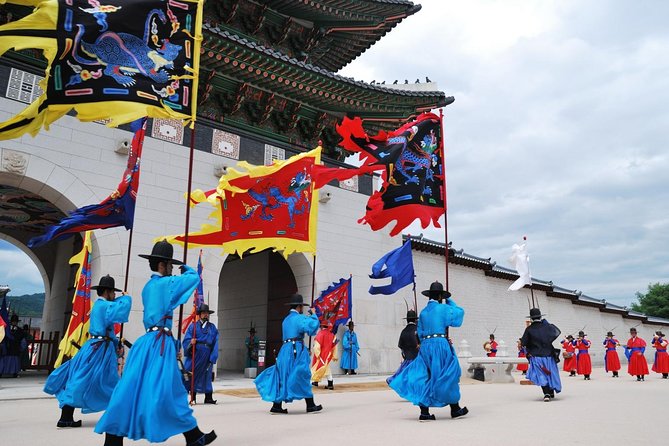
Next up is Gwanghwamun Gate, with about 10 minutes allocated. This is where you try to catch the changing of the guards ceremony. Keep your camera ready, but don’t assume it runs every day. The tour notes that Tuesdays are not available for this stop. If you’re traveling on a Tuesday, you’ll still get the schedule, but you may not see the guard-changing moment.
This stop is short, so treat it like a photo and a quick read of what you’re seeing. If you want more time, you’ll probably need a separate outing later.
Gyeongbokgung Palace: the main architecture story of the Joseon dynasty
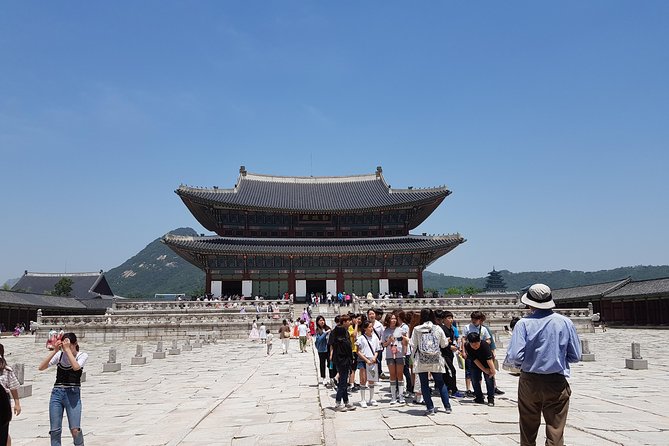
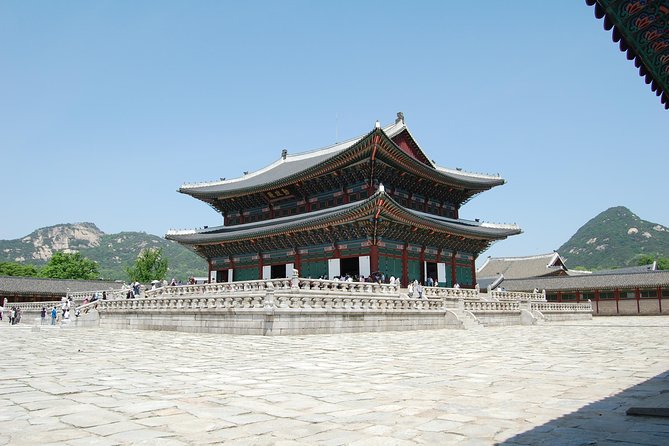
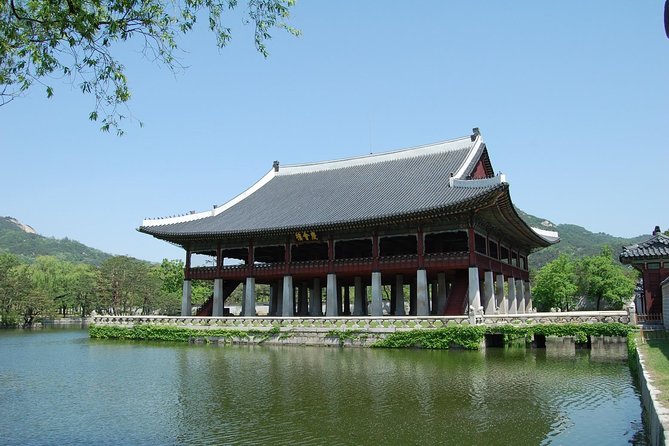
The centerpiece is Gyeongbokgung Palace, with a visit time of about 30 minutes and admission included. It’s described as the primary residence of the royal family during the Joseon Dynasty and the largest of the Five Grand Palaces. Even in a limited time window, it’s one of the best places in Seoul to understand how power, space, and ceremony were expressed through buildings.
This is also the stop where your guide’s explanations matter. A good guide helps you “see” the palace, not just walk through it. You’ll learn how the palace was built and how to connect what you’re viewing to Joseon-era traditions and architecture.
One big heads-up: Gyeongbokgung Palace is closed on Tuesdays. The tour handles this by swapping to Deoksu Palace instead. If you’re set on Gyeongbokgung specifically, plan around the closure.
National Folk Museum of Korea: daily life, not just royalty photos
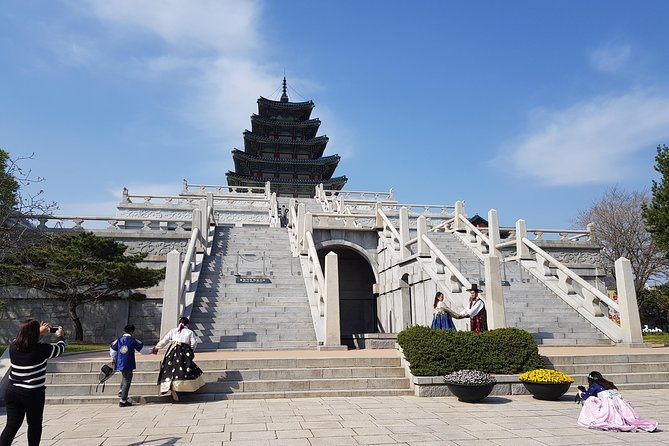
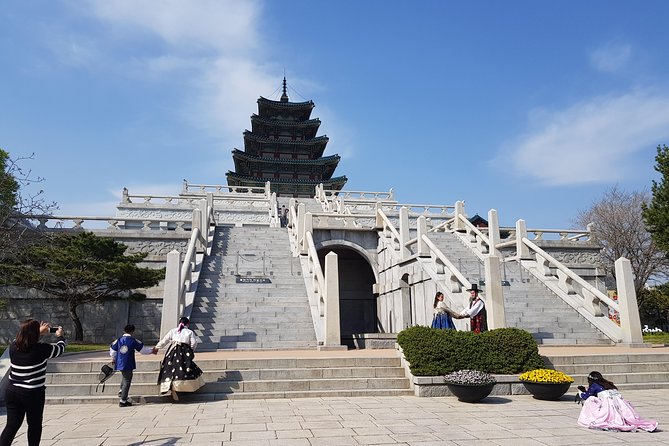
Inside the palace area, you also visit the National Folk Museum of Korea. The tour allots about 20 minutes, with admission included.
I like this pairing because it balances the grandeur. Palace stops can skew toward kings and officials, but the folk museum pushes you toward how people actually lived. Displays cover daily life themes such as traditional farming, hunting, weaving, cooking, and the contrasts between members of the aristocracy and ordinary citizens.
Even a quick museum stop can change how you interpret what you saw outside. Suddenly the palace isn’t just impressive—it becomes a setting in a full social world.

When the day shifts: Tuesdays and Mondays change the palace/hanok plan
Seoul tours often have to adapt, and this one is explicit about it.
- Tuesdays: Gyeongbokgung Palace and the National Folk Museum may be closed. The tour says you’ll visit Deoksu Palace instead, and it also notes possible replacements that can include a History Museum and Myeongdong depending on closure.
- Mondays: Namsangol Hanok Village is closed, and the tour swaps in Bukchon Hanok Village.
If you’re planning photos or want a specific “this place only” day, check the day-of-week before you book. The tour is designed to keep you moving, but your exact lineup may shift.
The ginseng shopping center stop: cultural lesson with a sales angle
Midday includes a stop at a ginseng center (the tour calls out 청하고려인삼(주)). The visit is about 20 minutes and admission is free.
Here’s the deal: you learn about Korean ginseng as a medicinal staple, and you can buy products if you want. That part is genuinely useful if you’re curious about what people take and why it’s valued.
The caution comes from the way this can feel like a sales push. Some guides do a better job than others. If you find yourself being pressured to buy on the spot, remember you can just browse, ask a couple questions, and walk away. If you do buy, set a budget first, because this is still a shopping stop.
My practical tip: treat it like a museum gift shop with extra steps. Use it to learn, then decide later if you want to purchase.
Insadong lunch time: where to eat without losing the schedule
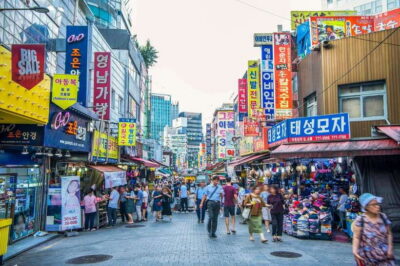
After the ginseng center, you get Insadong time for about 1 hour, with a free stop allocation. Insadong is known for traditional tea houses and antique-style galleries, and it’s one of the easiest places to get a Seoul souvenir hunt that doesn’t feel like a mall.
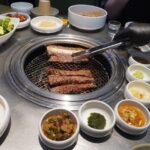
Lunch isn’t included. The tour specifically lists food and drinks as not included. But you do get time to eat something classic, and bibimbap and bulgogi are mentioned as options.
I like this structure because it keeps you from spending your whole day starving while still letting you choose where and what you want. If you’re picky about spice, or you want a lighter meal, you can use the hour to find something that suits you.
Also: if you want photos, Insadong’s lanes can give you better “street Seoul” moments than the big landmarks alone.
N Seoul Tower: panoramic views, cable car included, main ticket extra
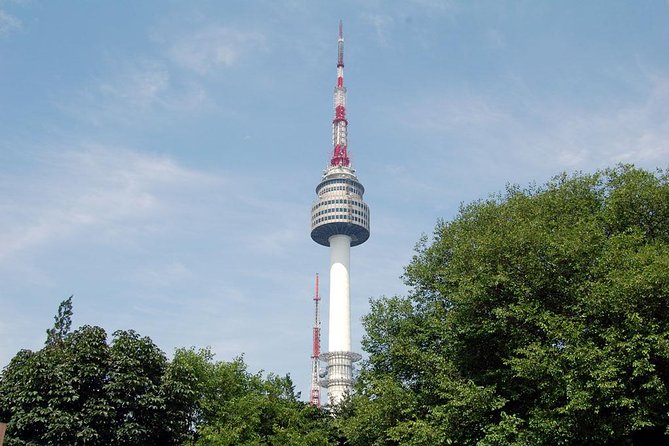
After lunch, the day shifts up to N Seoul Tower on Mt. Namsan. The scheduled time here is about 1 hour.
A practical detail: the tour notes that the cable car is included, but the observation deck ticket (tower entry) is not included. You’ll still get elevator/cable access as part of the plan, but plan on an extra cost to actually go up to the viewing area if you’re paying your own way at the top.
Even with a ticket add-on, this is usually worth it for first-timers because the tower gives you a single-frame view of Seoul’s scale. If you’re going at a clear time of day, it’s also a good moment to take perspective photos: you can trace neighborhoods and rivers in your mind afterward.
If weather is bad, the views can be muted. Don’t cancel the stop, but manage expectations. The tower visit is short enough that you won’t waste your entire afternoon if visibility is limited.
Namsangol Hanok Village: Joseon-era houses for different social classes
Your final historical stop is Namsangol Hanok Village, with about 30 minutes. Admission is free here on the tour’s listing.
This is a model village featuring five hanok (traditional Korean homes) from the Joseon Dynasty. The guide walks you through how these homes and spaces reflect different social classes, from peasants to royalty, and you’ll also see traditional garden features like a pavilion and a stream.
This is where your earlier palace and museum learning clicks into place. Instead of thinking of Joseon only as a royal stage, you start seeing daily life, housing style, and social separation as part of the same story.
If you’re traveling on a Monday, remember: the tour says Namsangol is closed and you may instead go to Bukchon Hanok Village.
Price and logistics: does $80 deliver real value?
At $80 per person for about 8 hours, the value comes from three main things: hotel pickup, a professional guide, and admission fees to most attractions included.
Admission included matters because you’re stacking multiple major stops in one day:
- Jogyesa Temple (free)
- Gyeongbokgung Palace (included)
- National Folk Museum (included)
- Gwanghwamun Gate ceremony stop (free)
- Namsangol Hanok Village (free)
Then you have the two common extras:
- Food and drinks (not included)
- N Seoul Tower observation ticket (not included), even though the cable car is included
So for most people, the $80 works best if you want structure and you’re saving time on planning and transit. You’ll also likely value the guide’s ability to give context at each stop, and the day feels curated for first-time orientation.
If you dislike shopping stops or you want total freedom, this is less ideal because the ginseng center is baked into the route and lunch is on your own time.
Best-fit traveler: who this tour suits
This is a strong match if you:
- Want an efficient first Seoul day with major landmarks
- Prefer a guide to explain what you’re looking at (especially at the palace)
- Like mixing palace history with city views
- Don’t mind short, timed stops in exchange for covering more ground
It may be a weaker match if you:
- Want to linger at Gyeongbokgung Palace for a long, quiet self-guided pace
- Are strongly opposed to shopping-oriented stops (the ginseng center)
- Are traveling on days with palace/ceremony closures and need specific sights only
Should you book this Seoul highlights tour?
If your goal is to get oriented fast and see the big-name Seoul icons in one go, I’d book it. The combination of palace + folk museum + hanok village + tower views is a smart “cover the essentials” mix, and the pickup plus mostly included admissions makes the price feel practical.
If you book, go in with two tactics: bring good shoes for a full day, and set rules for yourself at the ginseng stop so you stay in control of your wallet. Do that, and you’re likely to walk away with a clearer sense of how Seoul connects Joseon-era tradition to modern city life.
FAQ
What’s included in the tour price?
The price includes hotel pickup, a professional guide, an air-conditioned vehicle, and admission fees to most attractions. Food and drinks are not included.
Is there pickup from my hotel?
Yes, hotel pickup is offered. The tour is designed so you can start the day from your hotel.
How long is the tour?
The tour runs about 8 hours (approx.), with time scheduled at each stop.
Is lunch included?
No. The tour lists food and drinks as not included. You’ll have time for lunch in Insadong.
Do I need to buy tickets for N Seoul Tower?
Yes. The tour says the observation ticket is not included, and only the cable car is included.
What happens on Tuesdays?
On Tuesdays, Gyeongbokgung Palace is closed, so the tour visits Deoksu Palace instead. It also notes that Gwanghwamun Gate changing of the guard is not available on Tuesdays, and other closures may trigger swaps.
What happens on Mondays?
The tour notes that Namsangol Hanok Village is closed on Mondays, and the plan switches to Bukchon Hanok Village.
How much walking is involved?
There’s a moderate amount of walking, so it’s recommended to wear good walking shoes.