REVIEW · SEOUL
Royal Seoul Cooking Class in a 100-Year-Old Hanok
Book on Viator →Operated by Royal Seoul Cooking Class · Bookable on Viator
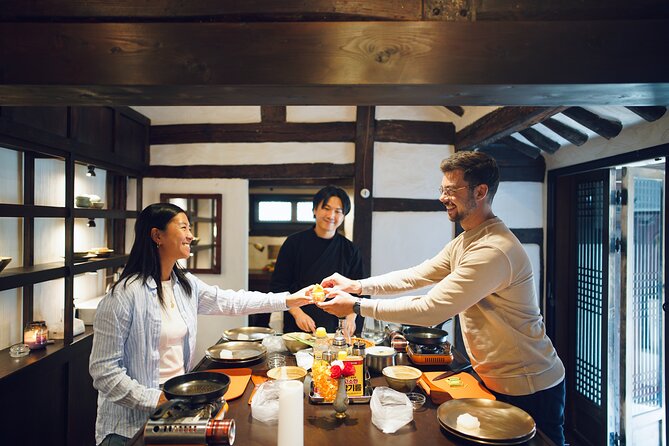
Royal food, cooked in a 100-year-old home. This Royal Seoul Cooking Class is built around a preserved hanok setting, with Chef Park (often called Ricky in the class experience) leading you through royal-style recipes in a way that feels personal, not rushed. The vibe is part lesson, part family dinner in a historic house.
I especially love the small group size (max 6), which means you actually get hands-on time and clear back-and-forth even if you’re starting from zero. One thing to consider: the menu includes Haemul Pajeon (a seafood pancake), so if seafood is a problem for you, plan to ask ahead before you go.
In This Review
- Key highlights you’ll feel during the class
- A 100-year-old hanok kitchen meal in central Seoul
- How the 2 hours 15 minutes flow actually helps you learn
- The menu: what you’re really cooking (and what it teaches you)
- LA galbi: Korean grilled short ribs energy without the guesswork
- Fresh kimchi: fermentation flavor you can taste immediately
- Haemul pajeon: the seafood pancake that explains Korean comfort food
- Tapyeongchae / Tangpyeongchae: a balancing side that makes the meal feel complete
- Eating like royalty: bangjja bronzeware, makgeolli, and dessert
- Chef Park and the teaching style that keeps it easy
- The Seoul route: palaces, markets, and hanok streets in the same outing
- Location and getting there without stress
- Price and value: what $98.98 really buys you
- Who should book this cooking class
- Things to watch before you go
- Should you book Royal Seoul Cooking Class in a 100-Year-Old Hanok?
- FAQ
- How long is the Royal Seoul Cooking Class?
- What will I cook during the class?
- How many people are in the class?
- Is makgeolli and dessert included?
- Where is the meeting point?
- Is the experience near public transportation?
- Can I cancel and get a full refund?
Key highlights you’ll feel during the class
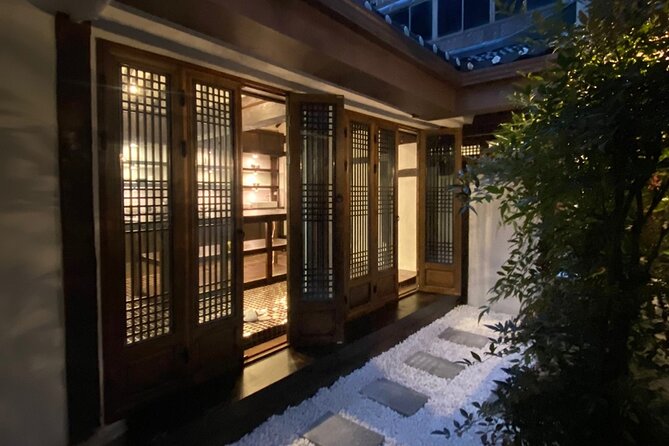
- A 100-year-old hanok home: You cook and eat inside a restored traditional residence in central Seoul.
- Chef Park leads with both food and stories: You’ll connect dishes to the culture behind them, not just memorize recipes.
- Small group, max 6: More attention per person, plus a relaxed pace.
- Royal-style dishes you can repeat at home: LA galbi, fresh kimchi, pajeon, and Tapyeongchae/Tangpyeongchae-style sides.
- Handmade bangjja bronzeware plates: Eating from traditional metal tableware is part of the experience.
- Makgeolli plus Korean dessert: Your meal isn’t complete until you finish with the drinks and sweet bites.
A 100-year-old hanok kitchen meal in central Seoul
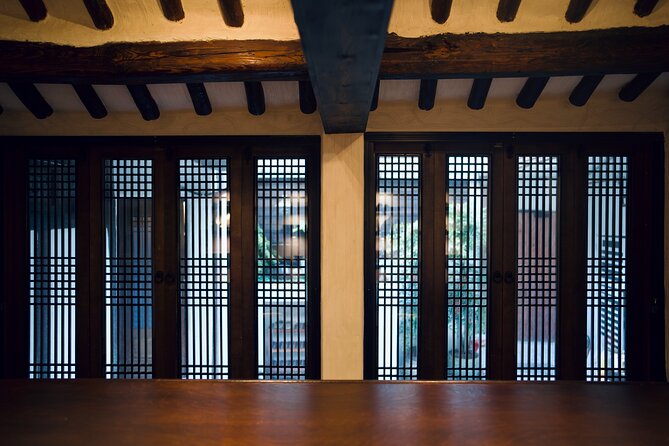
This class has one big advantage over most Seoul cooking demos: you’re not in a modern studio kitchen. You’re in a traditional home that’s been lovingly preserved and used as a real dining space. That matters, because the way food feels changes when you’re eating where people once lived and hosted.
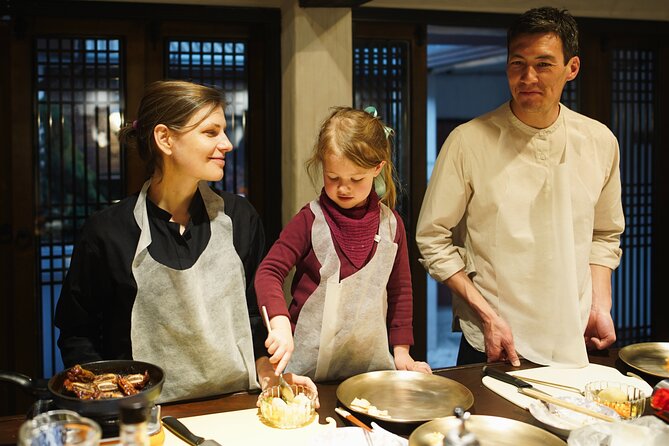
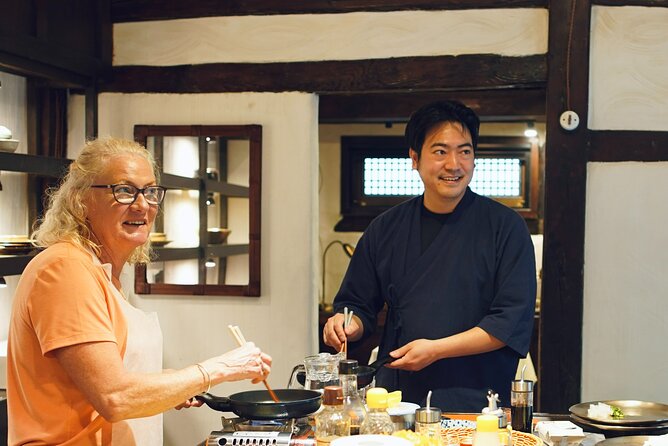
Chef Park (Ricky) sets the tone from the start. The class is designed for comfort and clarity, with instructions tailored for people who don’t have cooking skills. That mix of hand-holding and real technique is a big reason this experience earns top marks, especially for first-timers who still want something authentic.
The setting also helps you slow down. Seoul can be fast, loud, and overly planned. Here, the rhythm is simple: cook, talk, eat, and learn why these dishes show up in Korean homes and royal-influenced tables.
You can also read our reviews of more cooking classes in Seoul
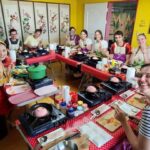
How the 2 hours 15 minutes flow actually helps you learn
The class runs about 2 hours 15 minutes, and the format is built for focus. You’ll cook, but you won’t spend half the time standing around. The small group size (max 6) is a practical advantage: you’re less likely to feel lost, and you can get help quickly when a step doesn’t go your way.
Also, the pace is friendly. Several class comments point out that it doesn’t feel as long as the time sounds, which usually means the host keeps things moving without turning it into a production line. In a cooking class, that balance is everything. Too slow wastes your evening. Too fast turns learning into stress.
You’ll also get structure without feeling stiff. The instructor uses an approachable method for techniques that might sound intimidating on paper. That’s how you end up leaving with recipes you can actually recreate, instead of just eating something good and moving on.
The menu: what you’re really cooking (and what it teaches you)
The class menu is built around Korean favorites plus royal-influenced choices. You can expect a combination of meat, fermented flavors, savory pan-cooking, and chilled or side-style accompaniments.
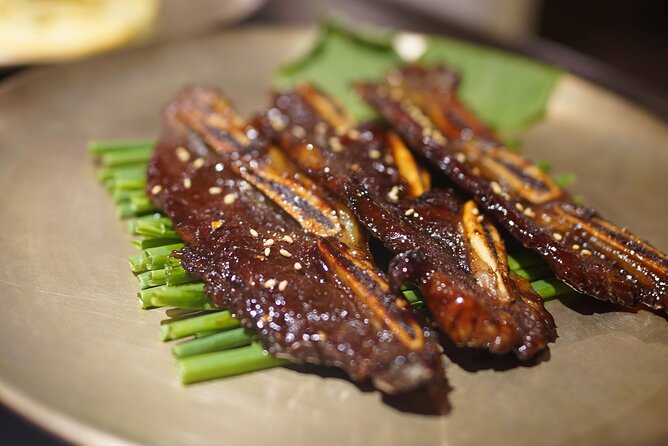
LA galbi: Korean grilled short ribs energy without the guesswork
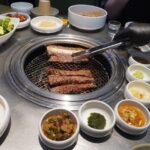
LA galbi (marinated short ribs) is a crowd-pleaser because the flavor is bold even when you’re not a grill master. In this class, you’ll learn how the marinade and handling work so the meat tastes rich and properly seasoned. It’s also a great dish to master because you can adapt the method later for other meats.
Fresh kimchi: fermentation flavor you can taste immediately
Fresh kimchi isn’t just a side. It teaches you how Korean cooks think about balance: salt, crunch, seasoning, and the right mix of flavors that makes kimchi feel alive on your tongue. Even if you’ve eaten kimchi for years, making it yourself gives you a new appreciation for what you normally take for granted.
You can also read our reviews of more tours and experiences in Seoul


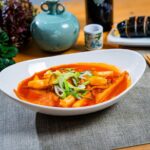
Haemul pajeon: the seafood pancake that explains Korean comfort food
Haemul pajeon (seafood pancake) is a hands-on dish that pulls together batter texture, ingredient distribution, and timing. The big learning point here is control. You want the pancake cooked so it’s crisp without getting tough, and you want toppings placed so they cook evenly.
If you avoid seafood, this is the one item that could be a deal-breaker. The class includes Haemul pajeon by name, so it’s worth checking your comfort level before you book.
Tapyeongchae / Tangpyeongchae: a balancing side that makes the meal feel complete
Tapyeongchae (spelled both Tapyeongchae and Tangpyeongchae in the class info) rounds out the meal with a side that brings contrast to the meat and pancake. Sides like this are a big deal in Korean dining because they stop your meal from tasting one-note. You’ll leave understanding how Korean tables build harmony: hot and savory, then crisp and fresh, then dessert.
Eating like royalty: bangjja bronzeware, makgeolli, and dessert
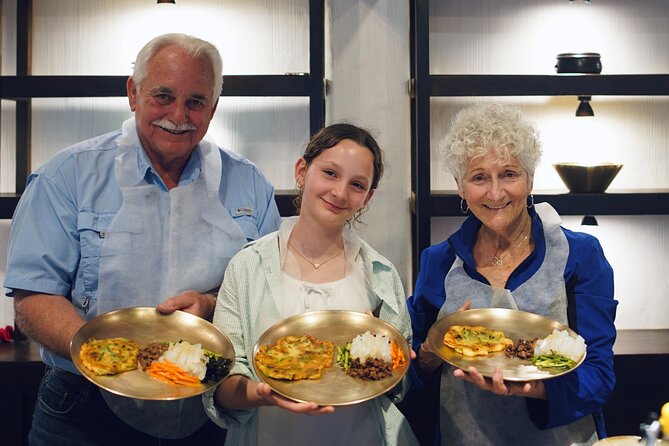
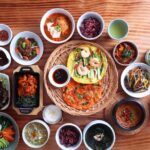
You don’t just cook; you also dine in Korean style. One of the most memorable parts is the use of handcrafted bangjja bronzeware (traditional Korean metalware). It changes the feeling of the meal in a subtle way. Even when the food is similar to what you’d make at home, the tableware makes it feel ceremonial and intentional.
To finish, the class includes a glass of freshly brewed makgeolli. Makgeolli is sweet-tangy and slightly milky, and it works well with salty, savory dishes like galbi and pajeon. If you’ve only had makgeolli once before, this is a chance to experience it as part of a planned meal instead of a random bar order.
Then you’ll round it out with a selection of traditional Korean desserts. The desserts add closure, and they also help you notice how Korean sweets are often more about texture and gentle flavor than heavy sugar overload.
Chef Park and the teaching style that keeps it easy
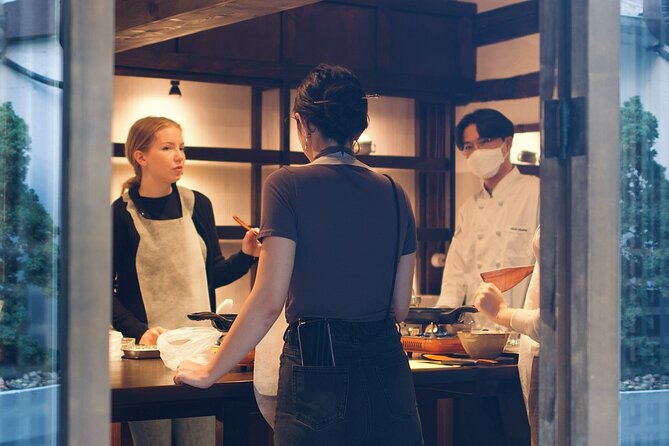
Chef Park is the kind of instructor you want in a short class: clear steps, quick corrections, and good conversation. Many class comments mention that the English level is easy to follow, which is key when you’re cooking. If you don’t understand a step, you don’t just miss instructions—you lose confidence.
What also lands well is the cultural context. The class is described as including stories and history behind dishes, and that can change your entire experience. Cooking becomes more than a task. You start connecting ingredients to the way Korean food developed across regions and royal court influences.
You’ll also likely feel a lot of patience in the workflow. Comments note that the instructor is accommodating, including for different cooking paces and needs within a small group. That’s a huge factor in whether a class feels friendly or awkward.
The Seoul route: palaces, markets, and hanok streets in the same outing
Your day doesn’t stop at the kitchen. The experience includes a route with multiple classic Seoul stops:
- Gyeongbokgung Palace
- Changdeokgung Palace
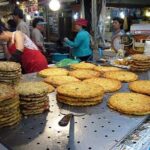
- Kwangjang Market
- Ikseon-dong Hanok Street
- Gwanghwamun Square
In a total window of about 2 hours 15 minutes, you should think of these as orientation stops rather than long palace tours. The value is in the connection. Seeing palaces near where royal court culture mattered makes the cooking theme feel more grounded. And Kwangjang Market adds a modern Korean food reality check.
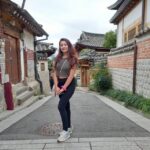
Ikseon-dong and Gwanghwamun Square give you a natural walk-through of how Seoul blends historic spaces with everyday life. Even if you’ve visited some of these places already, bundling them into a cooking-themed route can make the city feel less like a checklist and more like a story.
Location and getting there without stress
The meeting point is listed as 25 Samil-daero 32ga-gil, Jongno District, Seoul. The experience is near public transportation, which matters because you don’t want your cooking class to start with a scramble for a taxi or a long walk in the wrong direction.
Also, the activity ends back at the meeting point. That helps you plan the rest of your night, especially if you want dinner somewhere nearby afterward.
The class uses a mobile ticket, which is straightforward. Bring your confirmation on your phone and keep an eye out for the meeting instructions provided at booking.
Price and value: what $98.98 really buys you
At $98.98 per person, this isn’t a budget cooking class. But it also isn’t a generic group demo where you watch someone else cook. You’re paying for three things that usually cost extra:
- A restored hanok setting (not a plain classroom)
- A very small group cap (max 6)
- A multi-part meal experience (multiple dishes plus makgeolli and dessert)
If you’ve ever done cooking classes in large groups, you know the common problem: you get a few minutes at the station, then you’re waiting. Here, the small size is the pricing logic. It’s also part of why so many people call it a highlight of their trip.
You also leave with recipes you can recreate. Several past experiences mention that the instructor shares recipe details and sends photos afterward. That makes the value last beyond the meal.
Who should book this cooking class
This is a strong pick if you want:
- A hands-on Seoul food experience, not just tasting
- A small-group atmosphere where you can ask questions
- Korean food with a cultural angle, taught by Chef Park
- A meal that feels like dinner in a historic home
It also works for couples, solo travelers, and multi-generation groups, because the pacing and instruction are designed to be accessible. If you’re traveling with kids or family members who get bored on long tours, this format can feel like a win: you’re active, seated together, and eating right away.
Things to watch before you go
A couple considerations can help you have a smoother evening.
First, the menu includes Haemul pajeon. If you don’t eat seafood, ask the operator ahead of time if there’s flexibility, or consider whether this dish fits you.
Second, the itinerary includes several major sites. Since the class overall is about 2 hours 15 minutes, you won’t get long, slow palace-time. That can be great for efficiency, but it’s not the best match if you want deep museum-style visits.
Finally, this is a cooking class. If you’re hoping for only wandering and photos, this may feel more hands-on than you expect.
Should you book Royal Seoul Cooking Class in a 100-Year-Old Hanok?
I think you should book it if you want a Seoul experience that feels local and human, not staged. The combination of a 100-year-old hanok home, a small group led by Chef Park (Ricky), and a menu that actually teaches you technique makes it worth the price.
Skip it only if seafood is a hard no for your group, or if you want a long, slow sightseeing day instead of a compact cultural route plus cooking.
If you book, do it early enough that you can pair it with dinner plans after. This class makes a strong first-night or early-trip highlight because it gives you Korean food context fast, and you’ll have recipes you can repeat when you’re back home.
FAQ
How long is the Royal Seoul Cooking Class?
The experience is listed as about 2 hours 15 minutes.
What will I cook during the class?
The class includes dishes such as LA galbi, fresh kimchi, Haemul pajeon, and Tapyeongchae (also shown as Tangpyeongchae in the class description).
How many people are in the class?
The class is limited to a maximum of 6 travelers.
Is makgeolli and dessert included?
Yes. You’ll be served a glass of freshly brewed makgeolli and a selection of traditional Korean desserts.
Where is the meeting point?
Meet at 25 Samil-daero 32ga-gil, Jongno District, Seoul, South Korea.
Is the experience near public transportation?
Yes, it’s listed as near public transportation.
Can I cancel and get a full refund?
You can cancel for a full refund if you cancel up to 24 hours in advance of the experience start time. Canceling less than 24 hours before the start time is not refunded.