
REVIEW · PAJU SI
From Seoul: DMZ Tour and North Korea Experience Hall
Book on GetYourGuide →Operated by Sunny Seoul Korea Tour · Bookable on GetYourGuide
Want context for the DMZ? This does it. In one long day, you pair the North Korea Experience Hall with major DMZ viewpoints, so you leave with history you can picture, not just facts you forget.
I like the photo zones and replicas—home, classroom, and everyday household items—because they turn abstract headlines into something you can actually understand. I also like the live session with a North Korean defector, plus an English-speaking guide who keeps the story grounded while you move from site to site.
The main drawback is the schedule: it runs 8–9 hours, meals aren’t included, and you’ll need a valid passport for DMZ access. The tour also isn’t set up for many mobility/health situations, so check that before you book.
In This Review
- Key Highlights You’ll Care About
- Why the North Korea Experience Hall Changes Everything
- Pickup and the Van Ride: Timing You Can Actually Plan
- Imjingak Park: A Starting Point with Emotional Weight
- Freedom Bridge and the Other Border Viewpoints: Symbols You Can Read
- Mangbaedan and the Tunnel Stop: Where Engineering Meets Fear
- Dora Observatory: The View Is the Easy Part
- The Live Defector Q&A: One of the Most Important Stops
- Gamaksan Suspension Bridge and Peace Eco Park: A Break in the Mood
- Ending with Gyeongbokgung: A Familiar Landmark After Hard Learning
- Price and Value: What $40 Buys You
- Who This DMZ + North Korea Hall Tour Fits Best
- Before You Go: What to Pack and What to Remember
- Should You Book This DMZ Tour from Seoul?
- FAQ
- How long is the DMZ tour from Seoul?
- Where are the pickup locations in Seoul?
- Is lunch included?
- Do I need a passport?
- What language is the tour guide?
- Is the tour suitable for children or health conditions?
Key Highlights You’ll Care About
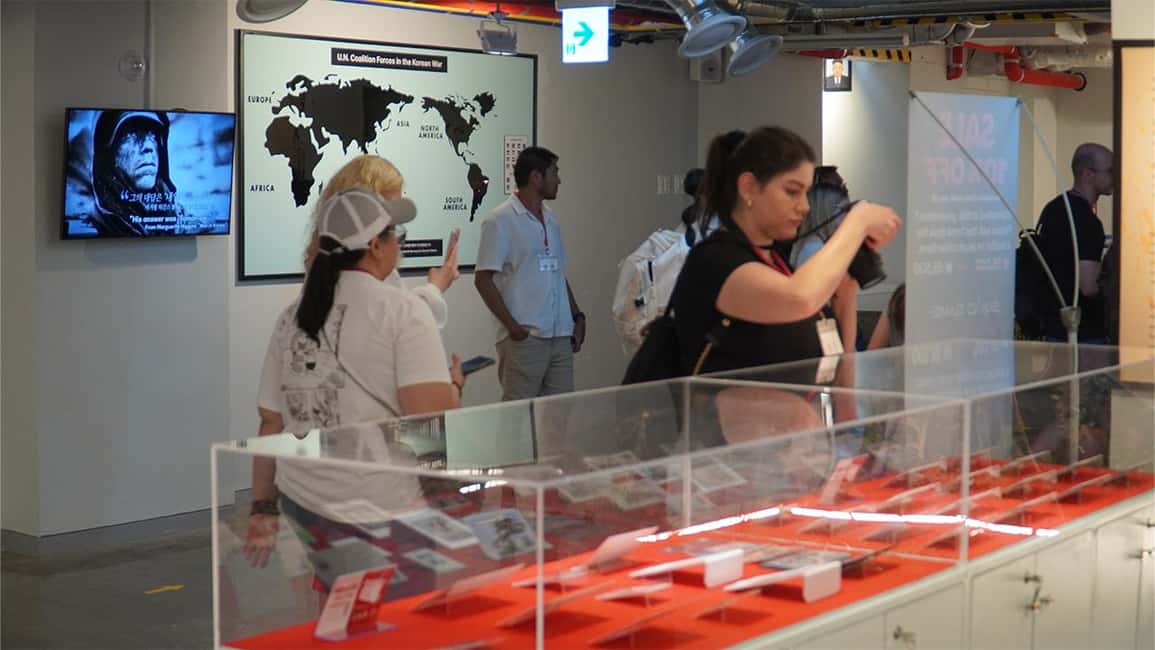
- North Korea Experience Hall photo zones with realistic replica rooms and everyday-life displays
- Live Q&A with a North Korean defector plus a special commemorative photo
- Iconic DMZ stops such as Imjingak, Freedom Bridge, Dora Observatory, and the Third Tunnel of Aggression
- English guide and transport included, so you’re not juggling tickets and timing all day
- Weather matters for views toward North Korea, so plan for visibility changes
- Small-ish groups (up to 30), with possible splits to manage the day
Why the North Korea Experience Hall Changes Everything

The DMZ can feel like a collection of landmarks—cameras up, awe in the air, then you’re back in Seoul. This tour fixes that problem by adding the North Korea Experience Hall early enough that your brain has a framework before you start looking across the border.
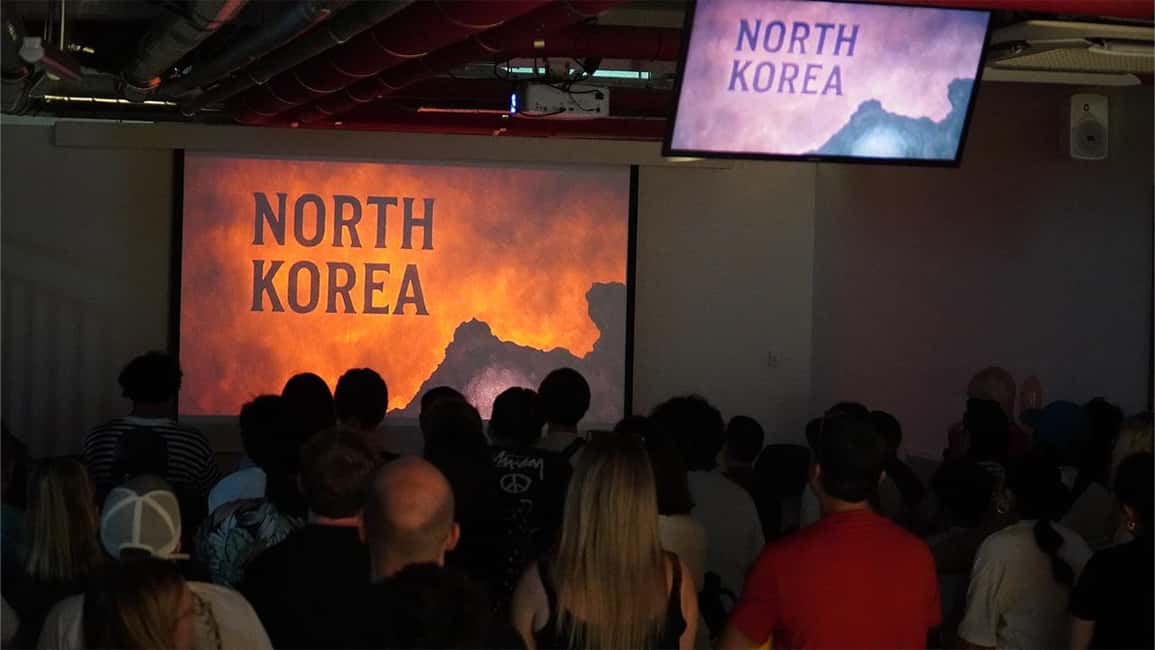
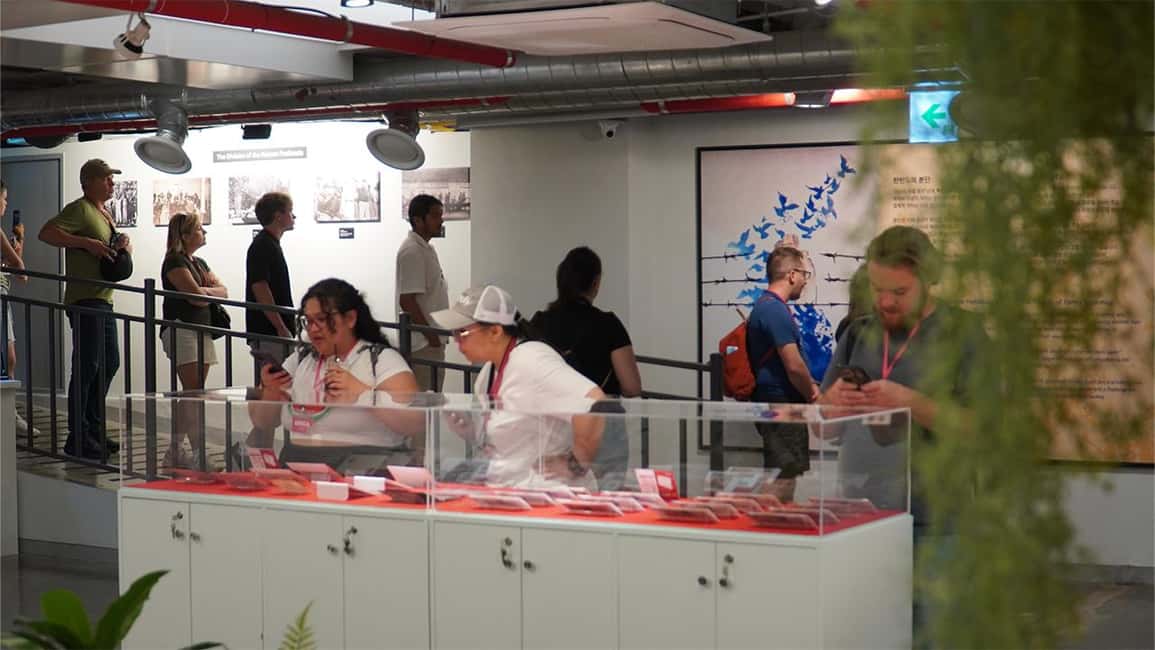
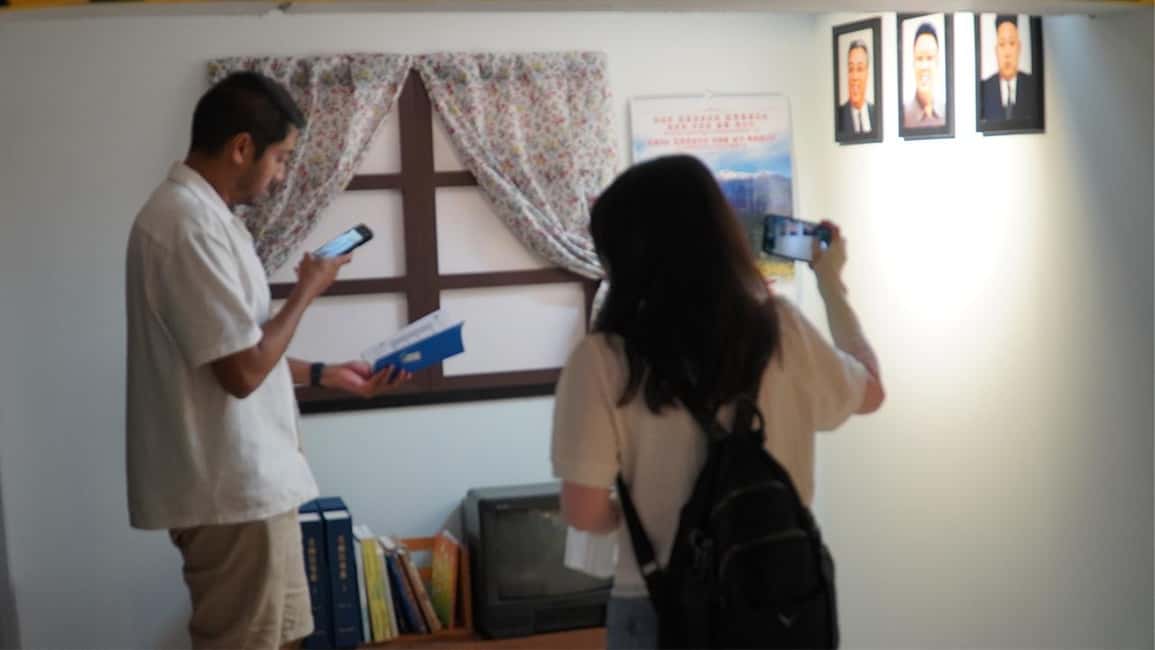
What works best is that the hall isn’t just “information.” You get replica settings and photo areas made to mimic life inside North Korea, including home and classroom-style displays and everyday household items. You’ll also see documentary screenings designed to connect the dots between what you see on the ground and what people experienced day to day.
This matters because the DMZ isn’t only about politics. It’s about routines, fear, survival, propaganda, and family life under a closed system. The hall gives you language and images to connect those themes when you’re standing at the real-world viewpoints later.
Pickup and the Van Ride: Timing You Can Actually Plan
The day is built around one thing: getting you from central Seoul to the DMZ area without stress. You can join from several easy-to-find pickup points, including Myeongdong Station Exit 10, City Hall Station, or Hongik Univ. Station Exit 3. The van ride is about an hour each way, and the tour runs a total of 8–9 hours.
That timing is a big deal because you’re going to be outside at multiple stops, and the day has a mix of heavy and lighter moments. If you hate rushing, you’ll appreciate that the guide keeps the pacing and transitions clear. If you prefer long, slow photo wandering, you might find some sites feel “guided” rather than free-roam.
Also note the group size limit: each session can include up to 30 people, and groups may be split. That usually happens to keep the schedule moving and isn’t a deal-breaker, but it’s good to know if you’re traveling as a tight couple or small family unit.
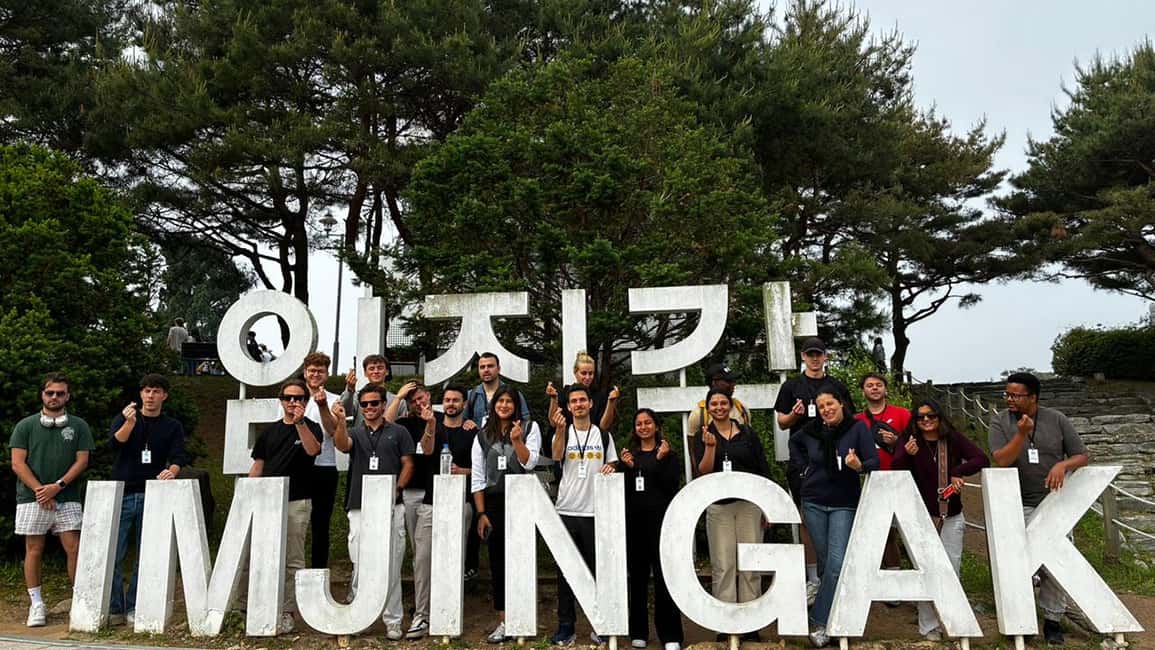
Imjingak Park: A Starting Point with Emotional Weight
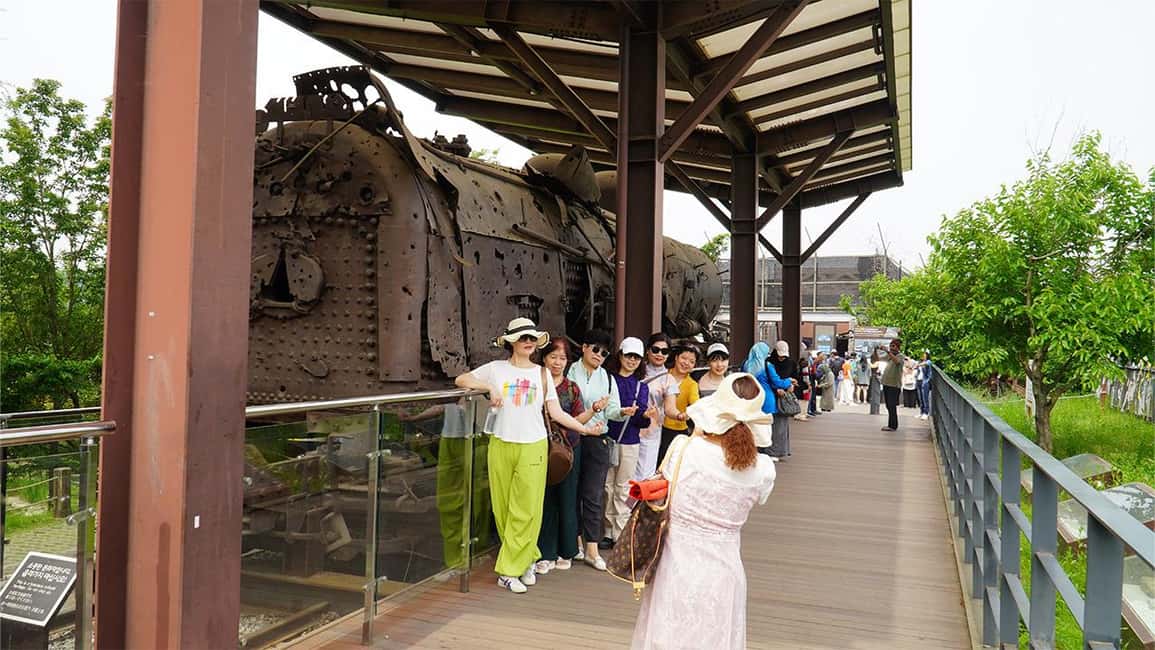
Imjingak is where your DMZ day starts to feel human instead of purely geographic. You get time for a photo stop and guided touring, plus a walk. The goal here is to give you context for the Korean War’s unresolved stories and the border’s lasting human impact.
What I like about starting at Imjingak is that it sets a tone: this isn’t only a lookout. It’s a memorial space with a purpose, so your guide’s commentary matters. You’re not just collecting views—you’re learning how people interpret these places and why they’re still relevant.
A practical tip: bring patience for the photo stops. The DMZ day has several “stop, look, listen, shoot” moments, so if you want a calm set of photos, you’ll want to be ready to move with the group instead of waiting for perfect angles.
Freedom Bridge and the Other Border Viewpoints: Symbols You Can Read
After Imjingak, you’ll hit more photo-friendly areas and guided stops. You also pass through a section of the route that’s built around visiting and taking photos for about an hour.
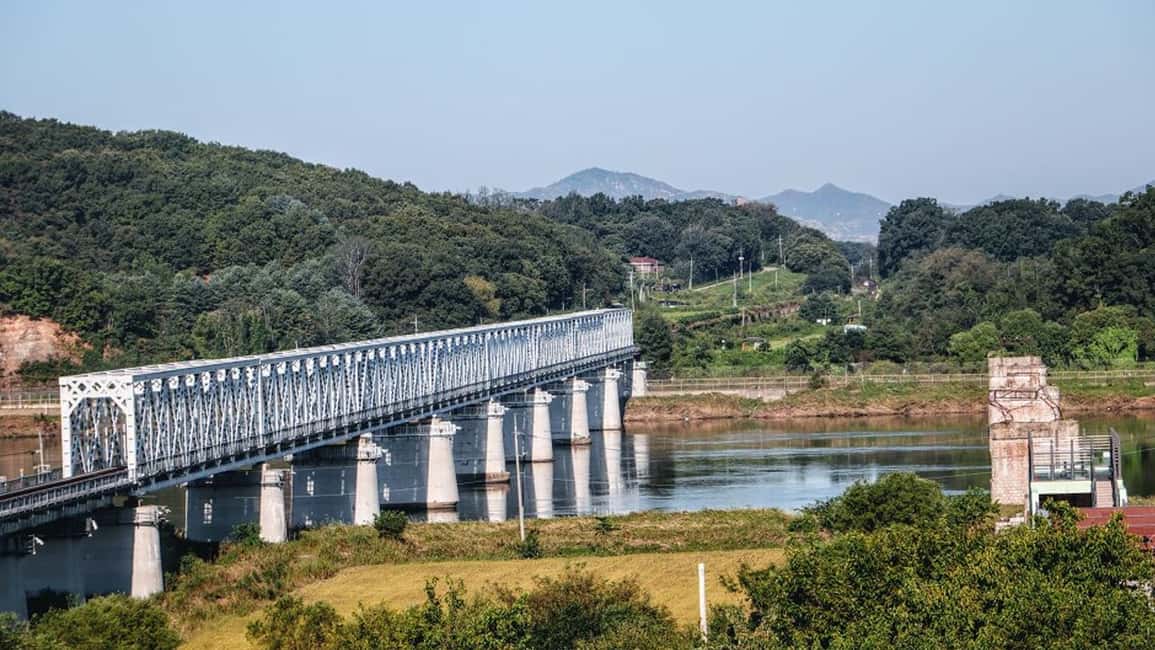
Then you reach Freedom Bridge, one of the better-known symbols connected to divided families and cross-border hopes. Again, the key value here isn’t the fact that it’s famous. It’s the way your English guide connects the symbol to real events and the kind of separation that lasted long after the fighting ended.
If you’re wondering what you’ll get out of a site like Freedom Bridge, here’s the answer: you’ll come away understanding how infrastructure becomes messaging. Bridges, gates, and viewpoints aren’t neutral. They are part of how each side frames the conflict.
Mangbaedan and the Tunnel Stop: Where Engineering Meets Fear

This tour includes Mangbaedan and then later the Third Tunnel of Aggression. These aren’t only “scenic” stops. They’re the physical evidence side of the DMZ story—proof that the border has been a focus of military planning and tension.
At the Third Tunnel site, you’ll get guided time (about an hour). That’s long enough to hear the explanation and still ask questions if your guide allows it. The main payoff is learning how tunnel systems and strategic threats shaped security thinking on both sides.
One caution: parts of this day are more focused and less airy than the viewpoints. You’ll likely spend more time listening than walking, and you may stand during parts of the guided commentary. If you have back issues or tire quickly, build that into your expectations.
Dora Observatory: The View Is the Easy Part
Dora Observatory is the big-name viewpoint, and you’ll get guided time there (about an hour). The “wow” moment is obvious—you’re looking across a heavily monitored divide. But the real value is what your guide helps you interpret.
Dora is also where weather can quietly change the entire experience. One of the most useful practical notes from the people who’ve done this is simple: when rain hits, visibility toward North Korea can be much worse. So if you can choose between days, pick the clearest day you can manage.
At Dora, you’re not going to control the angle, the distance, or the weather. What you can control is your mindset: treat the visit like a guided history lesson with a view, not a guaranteed postcard.
The Live Defector Q&A: One of the Most Important Stops
The most talked-about part of this kind of DMZ day is usually the human piece. This tour includes a live session with a North Korean defector, presented in a way that connects daily life and the border reality you’re seeing outside.
You’ll also get a commemorative photo opportunity with the defector. That’s not just a souvenir moment. It’s a reminder that this isn’t abstract. It’s a person who made a life-changing transition, and the Q&A helps you understand how the system shaped daily choices, not only political events.
How do you prepare mentally? Come ready to listen without turning it into a debate club. The value is in learning what you can’t get from a map.
Also, you may hear guides’ styles vary by session. In past groups, English guides have included people such as Han, Sofia, Katie, KC, and Mimi, and they tend to keep the storytelling clear and structured. If you see a guide doing a great job, it’s completely worth asking a follow-up question right when the session allows it.
Gamaksan Suspension Bridge and Peace Eco Park: A Break in the Mood
After the heavy DMZ sites, the tour adds moments to reset your body and mind. You’ll stop for Gamaksan Suspension Bridge as a photo stop and guided visit (about an hour). Then you’ll head to Aegibong Peace Eco Park, which includes guided time for about two hours.
These stops matter because a DMZ day can get emotionally heavy. The guide’s job is to keep you moving and grounded, but the scenery and pacing help you process what you learned. Even if you’re not a “nature” person, the walking and time outdoors can make the whole day feel more balanced.
Still, keep in mind the tour isn’t built for maximum wandering. It’s timed. You’ll get enough time to experience the place and take photos, but not enough to treat it like a self-guided hike.
Ending with Gyeongbokgung: A Familiar Landmark After Hard Learning
Near the end of the day, you’ll visit Gyeongbokgung for a guided experience (about two hours). This part may surprise you if you expected only DMZ content. But it actually works well as a mental transition—after learning about division, you get to step into a site that feels culturally alive and deeply Korean in a different way.
If you’re the kind of person who likes your day to have variety, this ending helps. If you’re already exhausted from the border sites, you’ll still get value, but you might want to pace your energy: focus on the guide commentary and your top photos instead of trying to see every corner at full speed.
The day finishes back in Seoul, with the tour ending around Myeong-dong, making it easier to get dinner nearby without a long commute.
Price and Value: What $40 Buys You
At about $40 per person, this tour is priced like a budget day trip—until you look closer at what’s included. You’re not only paying for transportation and entry to sites. You’re paying for:
- an English-speaking guide across multiple DMZ landmarks
- the North Korea Experience Hall component (photo zones, documentary screenings, and the live defector session)
- a schedule designed to connect sites, not just visit them randomly
That combination is the value. A standalone DMZ day can feel rushed or shallow because you’re trying to “figure it out” on your own. Here, the structure gives you context first, then viewpoints, so your learning sticks better.
The trade-off is that meals aren’t included. Plan on handling lunch and snacks yourself, or you’ll feel the long day in your energy levels. Also plan for the day’s intensity if you’re traveling on a tight sleep schedule.
Who This DMZ + North Korea Hall Tour Fits Best
This is a strong choice if you:
- want a guided, English-friendly DMZ day from Seoul
- care about context, including daily life themes, not only border sightseeing
- like Q&A and human testimony as part of your learning
It’s less suitable if you:
- need wheelchair access or rely on mobility support (the tour lists wheelchair users and people with mobility impairments as not suitable)
- have heart problems, back problems, or pregnancy concerns
- are traveling with very young kids (children under 10 aren’t suitable, and under 14 must have a guardian)
- are sensitive to a long day with standing and structured time blocks
If you’re in a higher-risk health category, treat the “not suitable” notes seriously. You’ll enjoy the content more when your body can handle the pace.
Before You Go: What to Pack and What to Remember
Start with the one non-negotiable: you need a valid passport for DMZ entry. Bring it on the day, not in a different bag at home.
Then think about comfort for an 8–9 hour day. You’ll have van time, photo stops, walking sections, and guided listening. If rain is in the forecast, expect visibility toward North Korea to possibly drop, and dress for changing conditions.
Finally, there are basic rules for a smooth ride—no smoking in the vehicle, no smoking indoors, and no alcohol or drugs. It’s the kind of tour where you’ll enjoy it more if you follow the simple group etiquette.
Should You Book This DMZ Tour from Seoul?
Book it if you want your DMZ visit to come with context, not just a view. The North Korea Experience Hall + live defector Q&A is the unique backbone of the day, and the rest of the stops reinforce the story instead of repeating it.
Skip it if you want a relaxed, self-paced photography day, or if the health/mobility limits apply to you. Also skip it on a day when you’re likely to be stressed by the length of time away from Seoul, because this is a full-day commitment.
If you match the “curious history + guided storytelling” profile, this tour is one of the more value-driven ways to see the DMZ while still leaving with a clear mental picture of what you just learned.
FAQ
How long is the DMZ tour from Seoul?
The tour lasts about 8 to 9 hours.
Where are the pickup locations in Seoul?
You can choose pickup from Myeongdong Station Exit 10, City Hall Station, or Hongik Univ. Station Exit 3.
Is lunch included?
No. Meals and drinks are not included in the tour package.
Do I need a passport?
Yes. A valid passport is required to enter the DMZ.
What language is the tour guide?
The tour guide provides English.
Is the tour suitable for children or health conditions?
Children under 10 aren’t suitable. People over 70, pregnant women, and people with mobility impairments, wheelchair needs, heart problems, or back problems are not suitable. Participants under 14 must be accompanied by a guardian.