REVIEW · SEOUL
Private DMZ Tour
Book on Viator →Operated by SEOUL CITY TOUR CO. LTD. · Bookable on Viator
A split-second world sits right outside Seoul. This private DMZ tour helps you understand Korea’s divided history with real sites like Freedom Bridge and a hands-on look at infiltration tunnels. I love the way a private guide keeps the day focused on your questions, not a scripted lecture for a busload of people. I also like that transport is handled door-to-door from your hotel. One thing to plan for: the tunnel portion involves steep, narrow walking and some crouching, so it’s not a casual stroll.
If you want North Korea from a safe distance, this is one of the most direct ways to do it. You’ll follow security rules on-site, and photo rules can be strict, especially at the observatory and inside the tunnel. Bring a valid passport, wear comfortable shoes, and expect the day to be tightly timed around access.
In This Review
- Key Highlights That Actually Matter
- Private DMZ Tour Vs. the Real-World “Private” Issue
- Price and What $240 Covers (and Why It Can Be Worth It)
- The Route Out of Seoul: A Dividing-Line Lesson in Motion
- Imjingak Park and the Imjin River: Artifacts With a Purpose
- Freedom Bridge: The Story of POWs, Not Just a Photo Spot
- The Third Infiltration Tunnel: Steep Stairs, Tight Space, Real Rules
- Dora Observatory: Binocular Time and Controlled Viewing
- Guide Power: When the Person Matters as Much as the Places
- What to Bring, Wear, and Plan For During a DMZ Day
- How the 6-Hour Timing Usually Feels
- Who Should Book This Private DMZ Tour
- Should You Book This Private DMZ Tour?
- FAQ
- What’s the tour duration?
- What time does the tour start?
- Is hotel pickup and drop-off included?
- Do I need a passport?
- Is admission included?
- What isn’t included in the price?
- Is this tour really private?
- Are photos allowed?
- What should I wear?
- What happens if military conditions or local circumstances cancel part of the itinerary?
- FAQ
- Can I cancel for a full refund?
Key Highlights That Actually Matter
- Hotel pickup & drop-off means less hassle and fewer transit headaches in a controlled-security day.
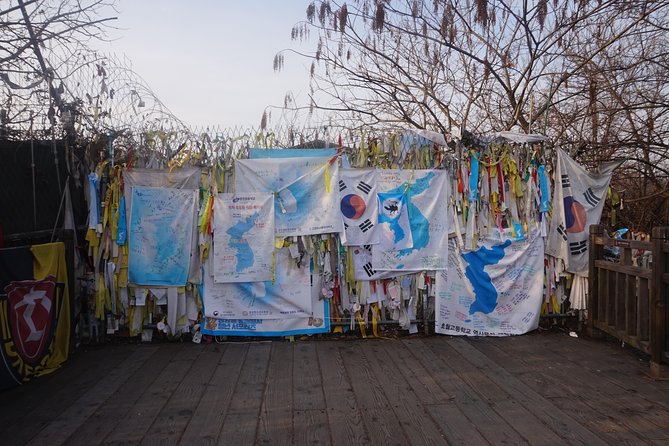
- Imjingak Park to Freedom Bridge links war artifacts to a concrete story of prisoner returns.
- Third Infiltration Tunnel gives you the physical reality of the divide, not just maps.
- Dora Observatory binocular time helps you see North Korea from a permitted viewing spot.
- Private guide attention can turn history facts into a clearer, more personal narrative.
- Admission fee included keeps the day’s costs simpler once you’re there.
Private DMZ Tour Vs. the Real-World “Private” Issue
A private DMZ tour sounds like pure one-on-one time—and in many ways, it can be. Your guide rides with you and shapes the day around what you care about most, whether that’s the Korean War timeline, how the DMZ works today, or what you’re actually looking at.
That said, the DMZ isn’t a normal tourist area. Access is controlled, and the larger logistics of getting into certain areas can change how the day feels. In practice, you may still need to join a larger group at some point once you’re inside the controlled zone, even if your transport and guiding are handled as a private booking. This is the key “gotcha” to understand before you book—ask the operator what the flow looks like for your specific date if privacy is your top priority.
You can also read our reviews of more private tours in Seoul


Price and What $240 Covers (and Why It Can Be Worth It)
At $240 per person for about 6 hours, this is a premium day trip. The value isn’t just the sites—it’s the reduced friction: round-trip transport from Seoul, hotel pickup and drop-off, and admission fees handled as part of the package.
Lunch and a tram (if you want it) are not included, so you’ll likely need to budget for food on your own. Still, you can think of the price as paying for: less waiting, smoother timing, and a guide who can answer your questions while you’re standing in the exact spot history happened.
Also, you’re not paying for a “long bus tour.” The DMZ day is about moving through very specific areas under strict rules, and that’s where a private setup tends to save time and stress.
The Route Out of Seoul: A Dividing-Line Lesson in Motion
The day starts with pickup from your hotel, then you drive toward the DMZ. On the way, your guide shares commentary on the dividing line between North and South Korea, which helps you connect what you’ll later see with why it exists.
This travel time matters. DMZ sites can feel like dramatic “photo stops” if you arrive without context. With guided narration on the road, you’ll understand what each place symbolizes before you get there—so your brain doesn’t just collect facts, it builds a timeline.
Imjingak Park and the Imjin River: Artifacts With a Purpose
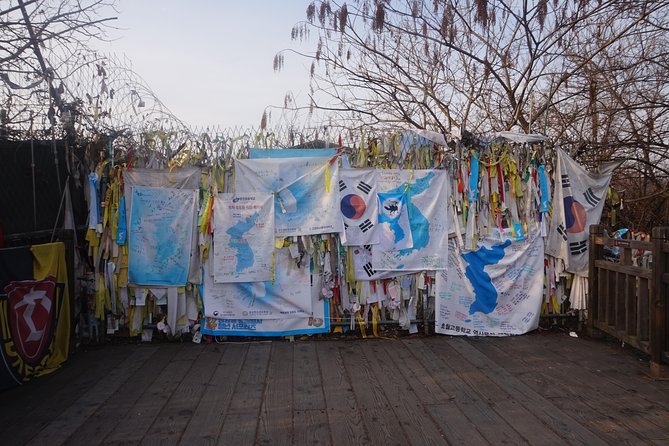
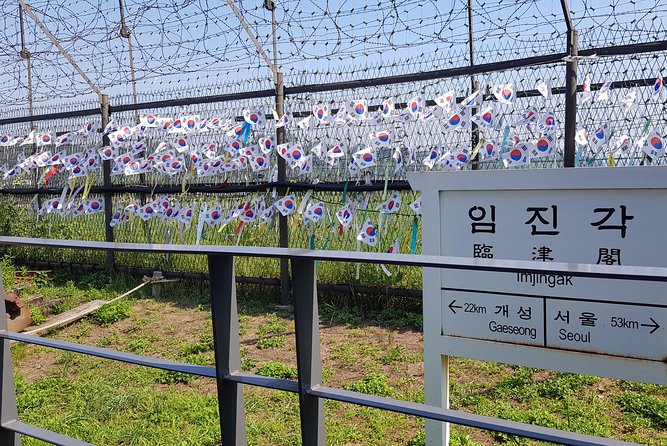
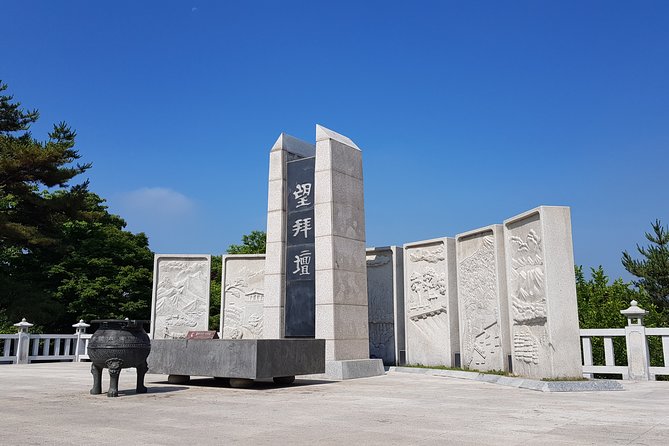
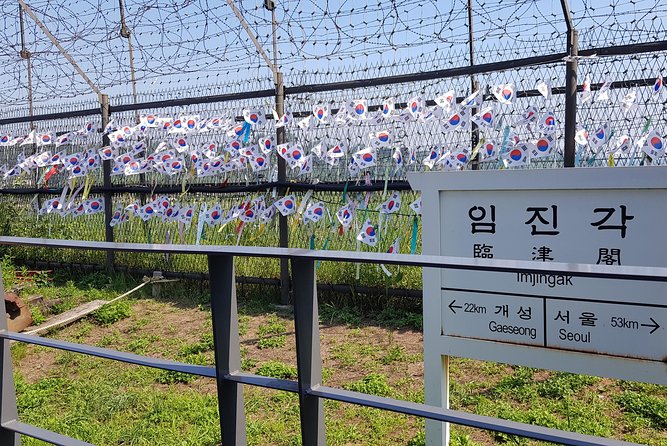
Your first real stop includes Imjingak Park along the Imjin River. This is where you can see artillery and war artifacts connected to the Korean conflict before you move closer to the border landmarks.
What I like about this stop is that it anchors the day in objects, not slogans. The DMZ can feel abstract—until you stand near remnants meant to represent conflict and memory. The river location also helps explain why this area became such a strategic corridor during war, and why it still has symbolic weight today.
Wear shoes you can handle for uneven ground. Even when walking distances aren’t huge, the DMZ day has real-world surfaces and security timing.
Freedom Bridge: The Story of POWs, Not Just a Photo Spot
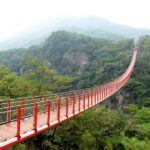
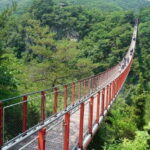
Next up is Freedom Bridge. This is a major landmark because nearly 13,000 Korean POWs crossed it on their return back home to South Korea.
I love how this stop shifts the tone. Instead of focusing only on division, the bridge gives you a human-scale story tied to return, identity, and survival. You’ll get a guided explanation of what the crossing meant and why it’s remembered, which changes the way you look at the bridge even if the view is simple.
If you’re sensitive to heavy topics, this stop can land hard—in a good way. It’s not just geography. It’s a reminder that the DMZ was shaped by real people, real decisions, and real outcomes.



The Third Infiltration Tunnel: Steep Stairs, Tight Space, Real Rules
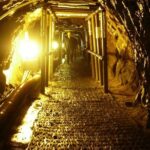
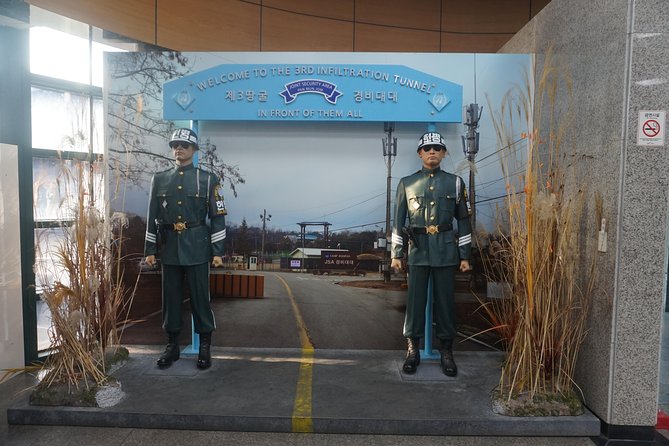
The day’s most physical moment is the Third Infiltration Tunnel. It’s located beneath the border area between North and South Korea, and it’s designed to show what infiltration efforts looked like below ground.
Your guide leads you through the key points, and you’ll also learn about the way South Koreans blocked the actual Military Demarcation Line in that area. This turns the tunnel from a curiosity into a practical piece of defensive strategy.
Be ready for moderate walking through a steep and narrow tunnel. Expect a bit of cardio and some crouching for taller guests. Reviews also highlight that the tunnel exit involves a ramp that can feel steep and long once you’re done inside.
Photo rules are strict in this area too. If you’re bringing a camera, follow your guide’s instructions. In the observatory and tunnel, photos may not be allowed, so plan on experiencing the moment rather than building a photo album.
Dora Observatory: Binocular Time and Controlled Viewing
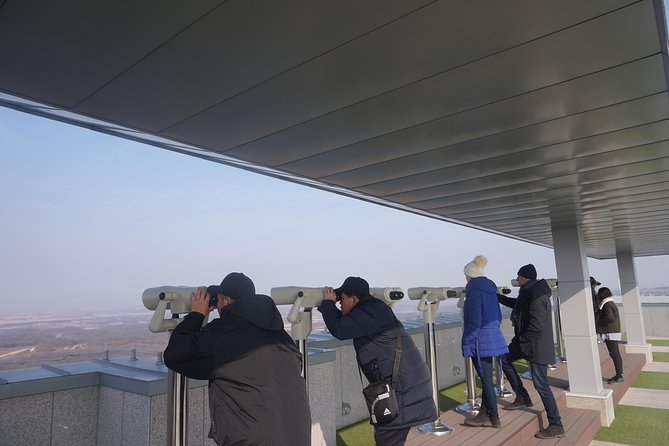
Many DMZ days include a stop at Dora Observatory, where you can look through binoculars at North Korea from a permitted viewing spot. This is where the day turns from “history lesson” to “what does it look like from here?”
The key value here is perspective. You’re not trying to guess based on maps. You’re seeing the direction and scale, and your guide helps you understand what you’re actually looking at and what’s significant about it.
Also plan around rules. Photos may not be allowed at the observatory, so bring patience and a willingness to just watch through the binoculars.
Guide Power: When the Person Matters as Much as the Places
The private format really shines through the guide. You can get a range of styles, but the common thread is that a good guide connects facts to what you’re standing in front of.
From the guide names tied to recent experiences, you may encounter people like Jun, Sally, Dora, AJ, Felixity (spelled that way in one review), BK, Lizzy, Miel, and Laura. The big difference isn’t the name—it’s how they explain. Many of these guides are praised for being friendly, staying attentive to comfort, and answering questions with clarity and care.
Here’s how to benefit from that: ask specific questions while you still have context. For example, ask about what a site symbolizes, how the DMZ works in daily reality, or how the tunnel’s design connects to infiltration attempts. When the guide has a clear line of sight from the site itself, your answers stick.
What to Bring, Wear, and Plan For During a DMZ Day
This isn’t a light sightseeing day. It’s controlled access, tight timing, and some real walking.
- Wear comfortable shoes for steep and narrow sections, especially the tunnel.
- Bring clothes you can move in without fuss; expect a crouch moment.
- Be ready to follow photo rules from your guide. Observatory and tunnel areas can restrict photography.
- Have your passport with you the day of travel. You don’t need to send a copy ahead, but you do need a valid passport at the check point.
If you’re prone to getting cold or wet, plan for weather. One review noted a rainy day where the guide used preparation like umbrella support and visuals to work around reduced visibility. That kind of flexibility is part of what you’re paying for.
How the 6-Hour Timing Usually Feels
With about 6 hours total, you don’t have time for a slow morning coffee and a detour. The day is paced around pickup, the drive, multiple stops, security timing, and the tunnel walking.
This matters because DMZ access isn’t a casual schedule. Your day can shift if military or local conditions force changes. In those cases, parts of the itinerary may be cancelled, and the tour may not be eligible for refund if closures happen due to unexpected conditions.
So your best move is mental: treat it like a “mission day,” not a flexible city roam. You’ll enjoy it more, and you’ll feel less frustrated if the schedule has to adjust.
Who Should Book This Private DMZ Tour
Book it if you want a guided day focused on the divided history of Korea and you’re comfortable with a structured itinerary. A private setup is ideal when you value question time and want a guide who can tailor the story as you move through each site.
You’ll also like it if you’re a history-focused traveler who wants a mix of memorial sites (like Imjingak and Freedom Bridge) plus the physical reality of the tunnel. The Dora Observatory binocular viewing gives you a final “from here, it looks like this” moment.
Consider a different plan if:
- You have mobility limits or you’re not comfortable with steep, narrow spaces.
- You strongly need a fully separate, never-sharing-any-part-of-the-day private experience. In controlled areas, you might still connect with larger group logistics.
Should You Book This Private DMZ Tour?
I’d book this if you want the best chance to understand the DMZ as more than a headline—linking artifacts, prisoner return, and tunnel engineering into one clear story. The $240 price makes sense when you factor in hotel pickup and drop-off, admission included, and the chance to ask questions with a guide who stays with you.
I’d pause before booking if you’re hoping for a gentle, fully flexible sightseeing day. This trip has rules, stairs, a steep tunnel, and strict photo limits in key zones. If that’s okay with you, you’ll likely feel that the day is worth it.
If you book, do one smart thing: ask your operator up front how the “private” experience works once you’re inside the DMZ that day, since controlled logistics can affect group size at certain points.
FAQ
What’s the tour duration?
The DMZ private tour runs about 6 hours.
What time does the tour start?
The start time is listed as 8:00 am.
Is hotel pickup and drop-off included?
Yes. Hotel pickup & drop off are included.
Do I need a passport?
Yes. A current valid passport is required on the day of travel.
Is admission included?
Admission fees are included.
What isn’t included in the price?
Lunch and the tram are not included.
Is this tour really private?
It’s described as a private tour where only your group participates, but access logistics inside the DMZ can affect how parts of the day are conducted.
Are photos allowed?
You should follow your tour guide’s instructions about photos. Photos are restricted in the observatory and tunnel.
What should I wear?
Expect a moderate amount of walking through a steep and narrow tunnel. Wear comfortable clothes and shoes.
What happens if military conditions or local circumstances cancel part of the itinerary?
If parts are cancelled due to unexpected military conditions or local circumstances, there is no refund.
FAQ
Can I cancel for a full refund?
You can cancel up to 24 hours in advance for a full refund. If you cancel less than 24 hours before the start time, the amount you paid is not refunded.