REVIEW · SEOUL
Half Day Korea DMZ Tour/ opt: suspension bridge
Book on Viator →Operated by SEOUL CITY TOUR CO. LTD. · Bookable on Viator
A border you can only imagine becomes real. This half-day DMZ tour from Seoul strings together Dora Observatory and Imjingak, with a guided look at Korean War-era artifacts plus binocular peeks toward North Korea.
I like the tight format: a max 40 travelers group, timed stops, and admission tickets included at the main sites. I also like the storytelling style you’ll hear from guides such as AJ, Lisa Choi, Grace Cho, Sadie, Katie, and Erica, who focus on what the sites meant and why the border still matters.
One consideration: the day runs on a schedule and the experience depends on security conditions, so you’ll need to be prompt. If the guide’s English is hard to follow for you, you may miss some of the context, so make sure you can comfortably hear exact meeting time and instructions.
In This Review
- Key reasons this DMZ half-day tour works
- DMZ Tour Logistics From Seoul: meet time, passport, and group size
- Imjingak Park and Freedom Bridge: war artifacts by the Imjin River
- The 3rd Infiltration Tunnel at Dora: narrow steps and real physical effort
- Dora Observatory binocular time for Kijongdong
- Coach commentary and guide skills: why the “human factor” is the real value
- The tour’s timing: what 6 hours feels like without rushing your brain
- Optional suspension bridge add-on: when it’s worth choosing
- Price and value: is $35 a fair deal in Seoul?
- Should you book this half-day DMZ tour from Seoul?
- FAQ
- How long is the DMZ tour from Seoul?
- Where does the tour start and end?
- What stops are included during the half-day?
- What’s included in the ticket price?
- Do I need a passport?
- Is a mobile ticket used?
- How much walking is involved?
- How big is the group?
- Can I take photos?
- What happens if the itinerary is changed due to military conditions?
- Is there a suspension bridge option?
Key reasons this DMZ half-day tour works
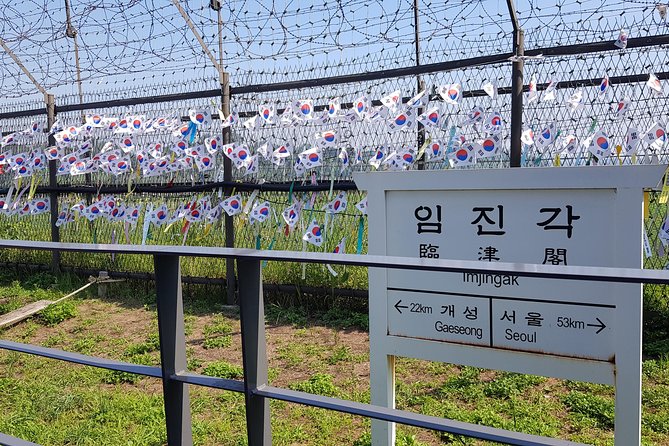
- Imjingak Park plus Freedom Bridge context, including the POW story of nearly 13,000 people crossing back home
- 3rd Infiltration Tunnel experience, with moderate walking through a steep and narrow tunnel
- Dora Observatory binocular time aimed at Kijongdong, with the guide explaining daily life across the river
- Air-conditioned coach between sites, starting and ending near Seoul City Hall
- In-depth guide commentary on the dividing line between North and South Korea, while you’re on the move
DMZ Tour Logistics From Seoul: meet time, passport, and group size
This is a half-day DMZ tour built for people who don’t want to spend a full day commuting and waiting. Expect around 6 hours total, with the tour starting and ending at Seoul City Hall. That matters because it keeps your trip simple: you can plan a normal morning or afternoon in Seoul around it, instead of hunting for a remote pickup.
The tour runs with a mobile ticket, and the group is capped at 40 travelers max. That’s a good size for staying organized at checkpoints and keeping everyone on time, especially when you’re moving between multiple DMZ-related sites.
You’ll also need a current passport on the day of travel. The good news: you don’t need to send a copy ahead of time. Still, bring the real thing—DMZ tours are strict about identity, and you don’t want your day derailed by a missing document.
Finally, pay close attention to the meeting details. The exact meeting place and time are confirmed by the local operator, and you must get that information before you go. If you miss the bus because you arrive late or you misunderstand the time, there’s no refund—so treat this like a train, not a casual walk-up.
You can also read our reviews of more tours and experiences in Seoul.
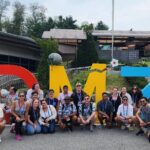
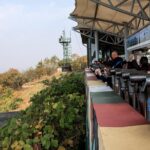
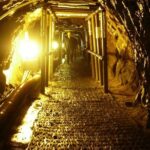
Imjingak Park and Freedom Bridge: war artifacts by the Imjin River
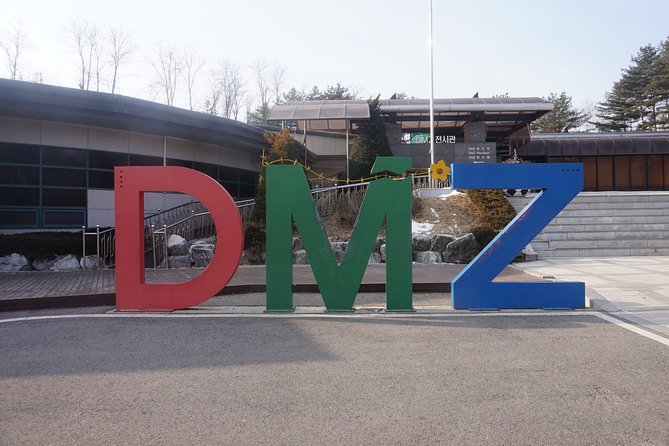
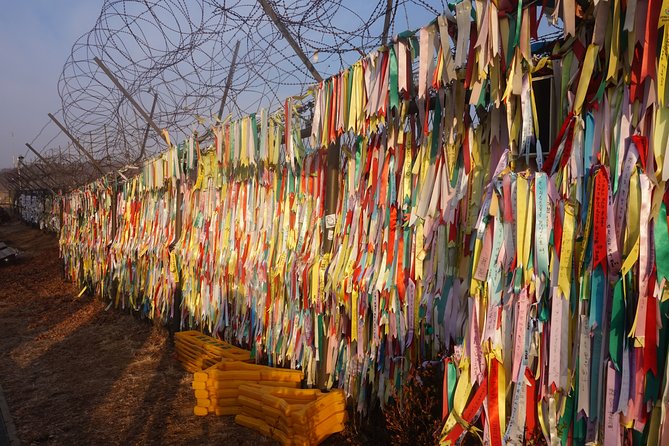
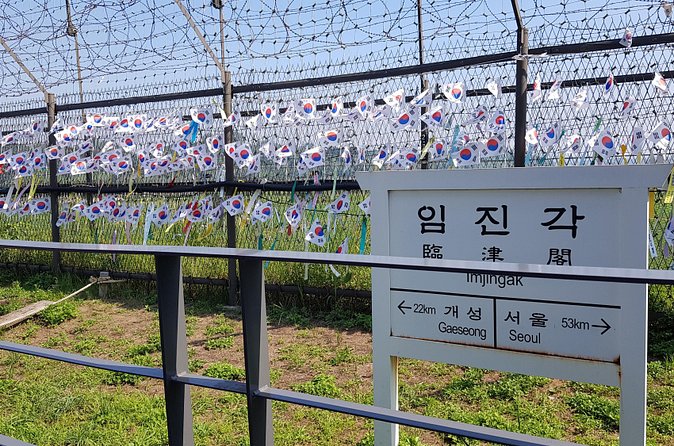
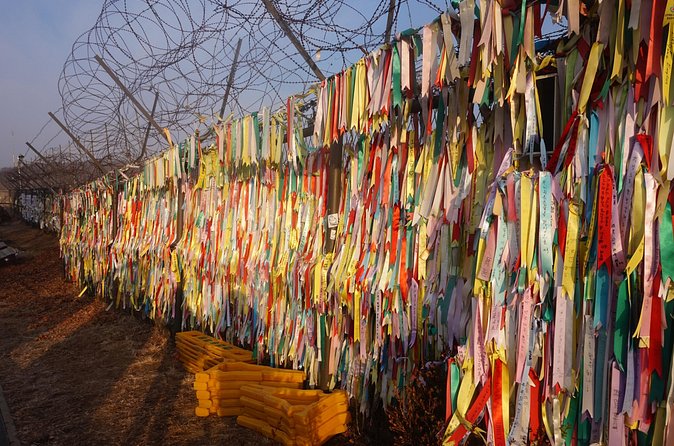
The tour’s first stop is Imjingak Pyeonghoa-Nuri Park, located along the banks of the Imjin River. Here’s where the DMZ stops feeling like a map line and starts feeling like objects and stories. You’ll see artillery and other war artifacts connected to the Korean conflict before moving on toward the Freedom Bridge area.
That Freedom Bridge segment is one of the emotional anchors of the whole tour. You’ll hear the story of nearly 13,000 Korean POWs crossing back home. You don’t need to know every wartime detail to appreciate why this kind of place hits hard: it takes what’s often taught in broad strokes and points to a specific human outcome.
You also get a short, practical visit window—about 30 minutes here. That’s enough time to walk, look, and absorb the guide’s explanation without feeling like you’re stuck in a museum for hours. If you’re the type who likes photos, follow the guide’s instructions on when and where you can take them, since DMZ areas can have tighter photo rules than normal tourist sites.
The 3rd Infiltration Tunnel at Dora: narrow steps and real physical effort
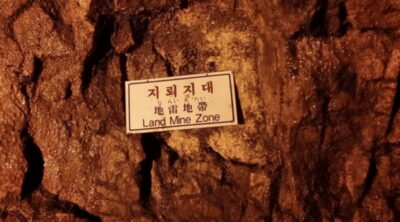
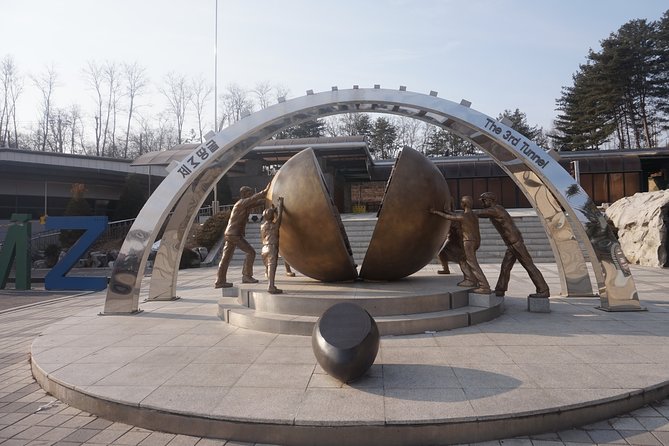
Next comes Dora Observatory, starting with time at the 3rd Infiltration Tunnel. This is where the DMZ experience gets physical. The tunnel is located beneath the border area of North and South Korea, and you’ll walk through a portion that involves moderate walking through a steep and narrow tunnel.
If you’ve got mobility limitations or you dislike claustrophobic spaces, this is the part to think about first. The tour specifically recommends comfortable clothes and shoes, and that’s not a throwaway line. Sturdy footing matters when you’re moving through steep, tight areas where you can’t casually stop and stare whenever you want.
The guide’s explanations here add context. You’ll see how South Korea has blocked the actual Military Demarcation Line with concrete, and the tunnel stop helps you understand why access, barriers, and control are such core parts of the DMZ’s daily reality.
About timing: plan for this stop to feel like the workout portion of your half-day. Even if you’re not struggling, it will probably slow your pace more than the outdoor sites. That’s normal. Just don’t wear shoes that punish your feet.
Dora Observatory binocular time for Kijongdong
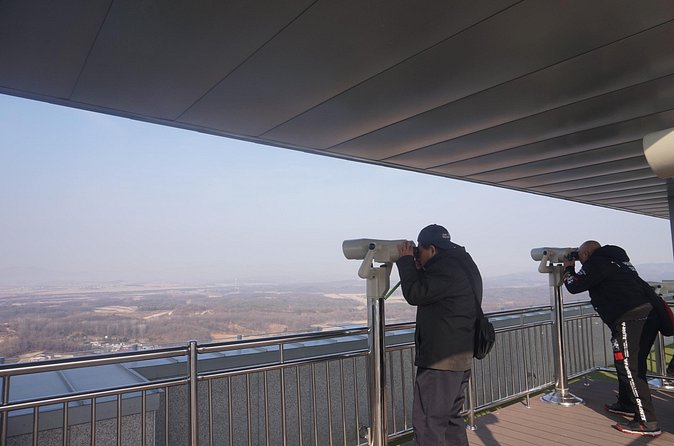
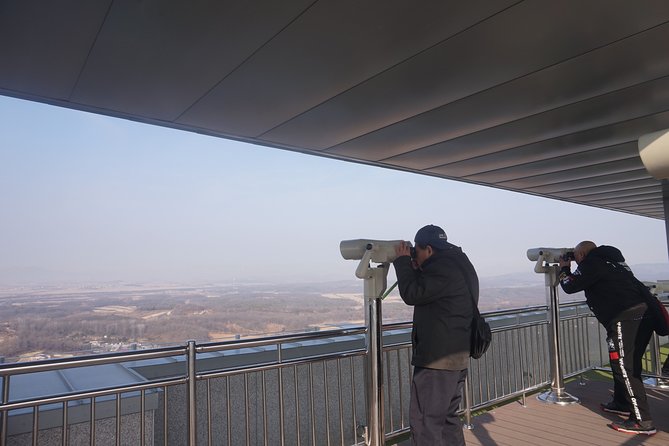
After the tunnel, you head back to Dora Observatory for a second, shorter segment centered on views. This is where you get to use binoculars to get a look at the North Korean village of Kijongdong across the river.
The guide’s job here is to connect what you see—or what you can’t quite see—with what life is like over there. The tour includes the guide explaining daily life in Kijongdong, so this isn’t just a viewing break. It’s more like a guided interpretation of distance, separation, and how ordinary routines can exist on the other side of a heavily guarded border.
You get around 30 minutes at this stage. That time is usually enough to set up with the binoculars, take a few careful looks, and let the guide’s commentary land. If you’re hoping for a long, hands-on observation session, this format is still worth it, but you should know you’re on a schedule.
Photo rules still matter in DMZ zones. The tour notes you should follow your guide’s instructions about when and where you can take photos, so keep your camera ready but don’t act like you’re at a normal viewpoint.
Coach commentary and guide skills: why the “human factor” is the real value
This tour is built around the guide’s narration. On the ride toward the DMZ, the coach journey includes commentary about the dividing line between North and South Korea. Once you’re at each stop, the guide ties the artifacts and structures together so the day doesn’t feel like disconnected photo stops.
One reason the experience earns such strong marks is the guide roster. People have described guides like AJ, Lisa Choi, Grace unnie/Grace Cho, Sadie, Katie, Erica, and others as engaging and capable at explaining the Korean War and division in a way that makes sense while you’re standing in front of the actual sites.
That said, there’s one downside worth respecting: the DMZ doesn’t do you favors if you can’t hear the guide clearly. If you’re sensitive to accents or you already know you have trouble understanding softer speech, the context can be harder to catch. Since the whole day is guided, clear audio matters more here than on self-guided sightseeing.
A practical tip: listen first, then photograph. The best DMZ photos usually come after you understand what you’re looking at. The guide’s story helps your brain frame the scene instead of just capturing it.


The tour’s timing: what 6 hours feels like without rushing your brain
Even though it’s half-day, don’t treat it like a quick hit. You’re spending time driving between multiple DMZ stops, plus you’re doing an outdoor park visit and a tunnel walk. Together, that’s why this runs around 6 hours.
Most of the visiting blocks are short and purposeful: about 30 minutes at Imjingak, time for the tunnel portion at Dora, and another 30 minutes at Dora for binocular viewing. That pacing is good for first-timers because it keeps momentum. It’s less ideal if you want long stretches of free time at each place.
Also note where you finish: you’ll be dropped back near City Hall. That’s a big help for planning dinner or squeezing in one more Seoul attraction after the tour.
Optional suspension bridge add-on: when it’s worth choosing
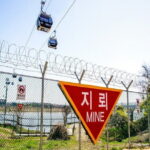
Your tour title includes an option for a suspension bridge, but the provided itinerary details don’t spell out how it fits into the day. If you’re considering it, treat it like an add-on that could change your walking and timing.
Here’s how to decide: if you like extra viewpoints and you’re comfortable with stairs or walking (especially since the tunnel already adds effort), the suspension bridge option might feel like a fun extra. If you’d rather keep the day low-stress, skip it and focus on the core DMZ stops.
Your best move is simple: confirm with the operator whether the suspension bridge is included or truly optional for your departure, and ask how it impacts your schedule.
Price and value: is $35 a fair deal in Seoul?
At $35 per person, this DMZ tour is priced like a value outing, not a premium private experience. What you’re paying for is exactly what most people want from the DMZ: guided context, a comfortable air-conditioned coach, and admission tickets tied to the main stops.
That’s why the cost feels reasonable. You’re not just buying transportation—you’re buying interpretation at places where the difference between a good photo and a meaningful one is usually the explanation you hear while you’re there.
A note on logistics: transport is part of the package, and the tour starts/ends at City Hall. The details around hotel pickup can vary, so don’t assume it automatically. Get your exact meeting place and time from the operator so you know whether you’re meeting at City Hall or being collected elsewhere.
Also, tram is listed as not included, which is a reminder not to expect extra local transit help during the day. The tour is designed around the coach and guided route.
For who this is best: people who want the DMZ in one organized half-day, first-timers in Seoul, and anyone who likes history explained on-site rather than from a book. If you’re the type who hates guided groups or you want hours of unstructured time, you’ll probably feel slightly boxed in by the schedule.
Should you book this half-day DMZ tour from Seoul?
Book it if you want a guided DMZ introduction with real stops, not a vague “border overview.” This tour’s strongest features are the structured route, the coach commentary, and the mix of Imjingak artifacts plus Dora Observatory viewpoints through binoculars. If you pick a day when your guide’s English is easy to follow for you, it can be one of the most memorable parts of a Seoul trip.
Skip or reconsider if you’re uncomfortable with a steep, narrow tunnel walk or if you need a lot of free time at each location. Also, be strict about timing: the meeting instructions are important, and the day runs on that schedule.
If you do book, do two things before you go: confirm the exact meeting place/time with the operator, and wear shoes you can trust inside a tunnel.
FAQ
How long is the DMZ tour from Seoul?
The tour lasts about 6 hours (approx.).
Where does the tour start and end?
It starts and ends at Seoul City Hall.
What stops are included during the half-day?
You visit Imjingak Pyeonghoa-Nuri Park, then the 3rd Infiltration Tunnel at Dora, and later return to Dora Observatory for binocular viewing.
What’s included in the ticket price?
The experience includes an expert guide and transport by comfortable, air-conditioned coach. Admission tickets are included for the listed DMZ stops.
Do I need a passport?
Yes. A current valid passport is required on the day of travel.
Is a mobile ticket used?
Yes. The tour uses a mobile ticket.
How much walking is involved?
The tour includes moderate walking through a steep and narrow tunnel, so comfortable shoes and clothes are recommended.
How big is the group?
The maximum group size is 40 travelers.
Can I take photos?
You should follow the instructions of your tour guide about when and where you may take photos.
What happens if the itinerary is changed due to military conditions?
If a part of the itinerary is cancelled due to unexpected military conditions or local circumstances, there is no refund.
Is there a suspension bridge option?
The tour listing includes an option for a suspension bridge, and you should confirm how it’s handled for your specific departure.
If you want, tell me your travel month and whether you’re doing morning or afternoon, and I’ll help you pick what to prioritize in your day around this tour.