REVIEW · SEOUL
Seoul: Gangnam Tour on Youth and Society in South Korea
Book on GetYourGuide →Operated by 서울놈 SeoulDude · Bookable on GetYourGuide
Gangnam is shiny, then it turns serious. In 150 minutes with a local historian, you’ll see Gangnam luxury and beauty clinic ads sit right next to the pressure shaping young lives in Seoul.
I love how the guide connects what you’re walking past to the bigger story, linking culture and history to how society works today. I also love the human touch: guides like Jessica (with a Western lens from living abroad) and Jun/June-style storytellers keep it funny while still making the hard topics land.
One drawback to plan for: the tour tackles heavy themes, and it includes walking plus some subway/stairs moments, so it’s not for everyone. You’ll also have to skip any audio recording (but you’ll still get a clear sound setup for listening).
In This Review
- Key Things You’ll Notice on This Gangnam Walk
- First Steps in Gangnam: Why This Neighborhood Feels Like a Message
- Meeting at Gangnam Station Exit 11 and How the 150 Minutes Flows
- Seeing Korean History in the Present Moment
- Plastic Surgery Boom and Beauty Standards: What’s Really Being Sold
- Education Frenzy: The System Parents and Kids Feel Every Day
- Darker Headlines, Local Reality: Suicide Rates and Low Birth Rate
- The Gangnam Streets as a Storyboard: Ads, Luxury, and Social Rules
- Ending at the Han River: A Reset for Your Brain
- Practical Tips: What to Bring, What to Expect, and What to Skip
- Bring cash
- No audio recording
- Wear shoes for steps
- Weather comfort matters
- Food isn’t included
- Value Check: Is $33 Worth It in Real Terms?
- Who Should Book This Tour (and Who Might Want Something Lighter)
- Should You Book This Gangnam Youth and Society Tour?
- FAQ
- How long is the Gangnam Youth and Society tour?
- What is the price per person?
- Where do I meet the guide?
- Is the tour offered in English?
- What is included in the price?
- Is transportation included?
- Do I need to bring anything?
- Can I record audio during the tour?
- Who is this tour not suitable for?
- What if I need to change plans?
Key Things You’ll Notice on This Gangnam Walk
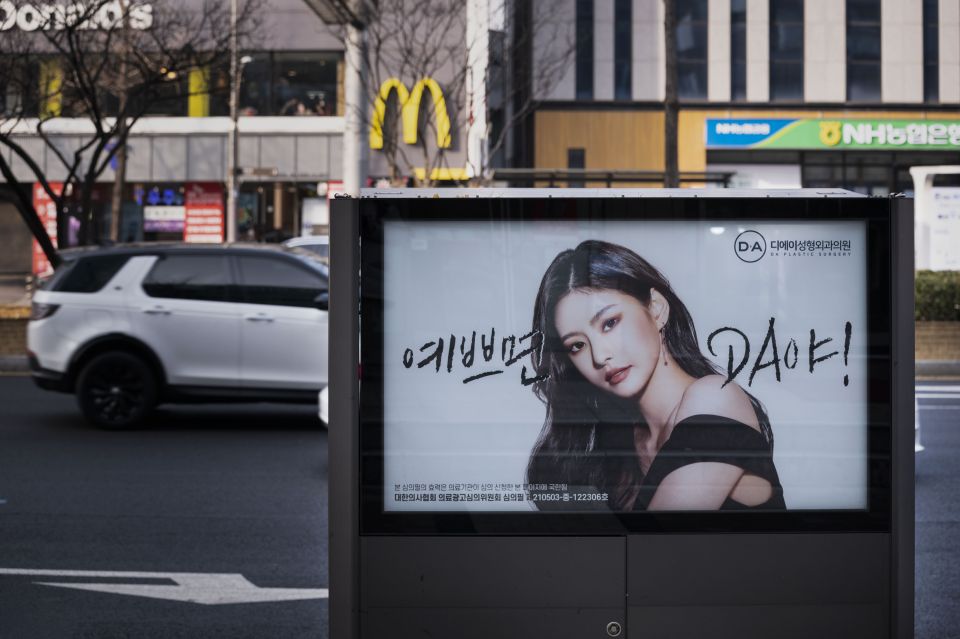
- Luxury fronts and plastic surgery ads in the same view give the pressure a visible face
- A local historian guide explains how today’s social rules grew out of Korea’s past
- Education stress explained in plain terms—not as a vague stereotype
- Beauty standards as social currency: what’s advertised and what gets rewarded
- A calmer ending at the Han River so your brain can reset
- Season comfort items: a portable hands-free fan in summer or hot packs in winter
First Steps in Gangnam: Why This Neighborhood Feels Like a Message
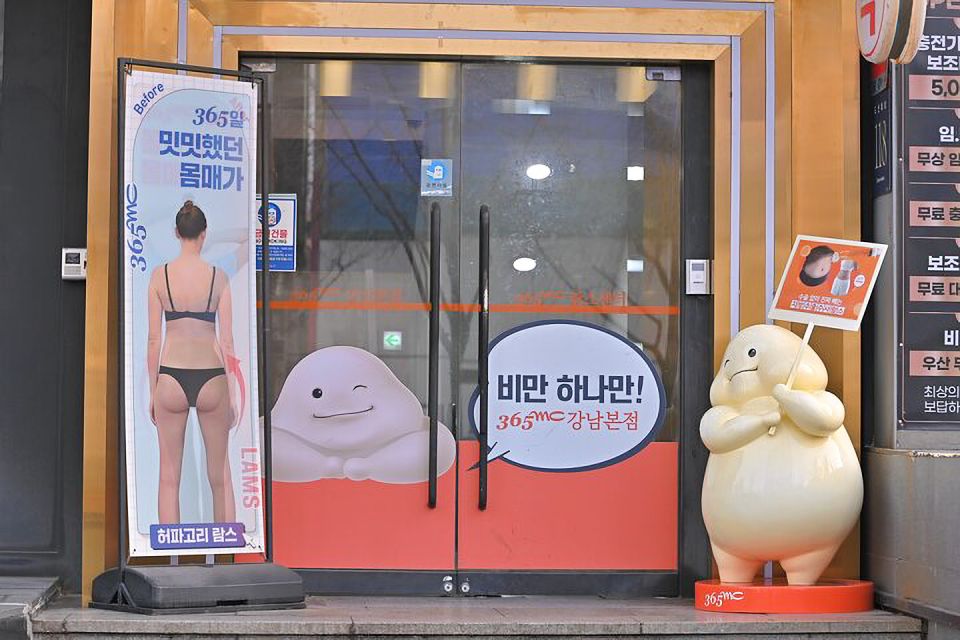
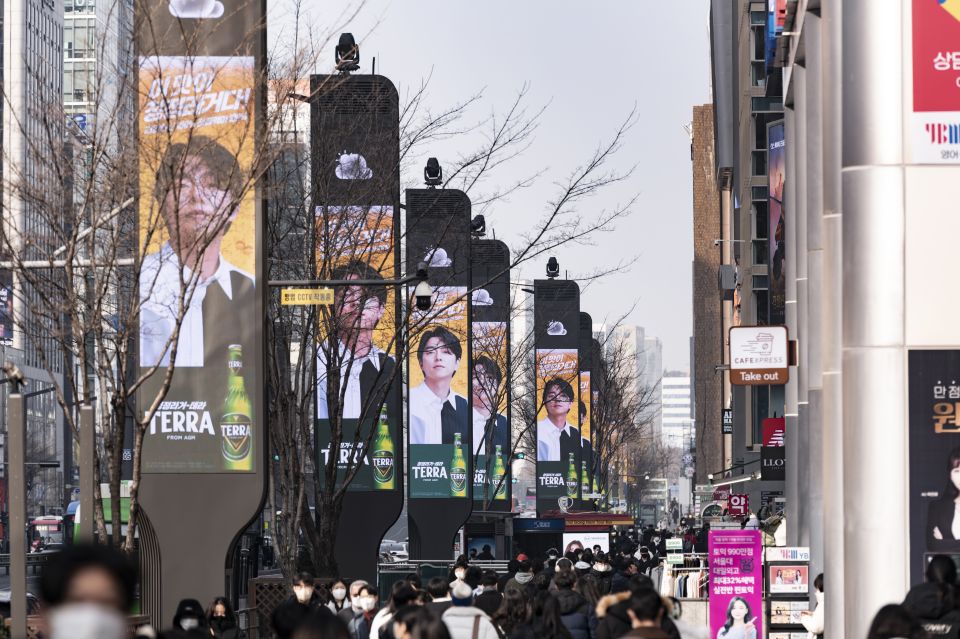
Gangnam looks like a highlight reel. Towering buildings. Sleek storefronts. Endless screens. Then you notice the pattern: beauty products, luxury brands, and even plastic surgery clinics advertising right alongside the everyday city scene. That contrast is the point of the tour.
Your guide meets you at Gangnam Station, Exit 11 and leads you out into the kind of street rhythm that makes Seoul feel both modern and intensely “organized.” It’s not just sightseeing. It’s a guided reading of the neighborhood, as if every signboard is saying something about values.
I like that the tour doesn’t pretend the glossy stuff is harmless. When you learn what those ads imply about status and self-image, the neighborhood stops being cute and starts being meaningful.
You can also read our reviews of more tours and experiences in Seoul.



Meeting at Gangnam Station Exit 11 and How the 150 Minutes Flows
This is a walking tour built around a steady pace. You should expect a mix of street walking and public-transport moments, including some steps when getting on and off the subway. That matters because it affects comfort more than people expect, especially if you’re wearing slippery shoes or you’re carrying a heavy bag.
One nice detail: the route builds in a shorter sit-down conversation period (about half an hour). That’s a smart move for a 150-minute tour. It keeps the message from turning into nonstop lectures and gives you time to ask questions in real life, not just at the end.
Your guide uses live English throughout. In reviews, guests mentioned a portable mic and clear audio setup, which is a big deal on busy sidewalks. If you’re the type who likes to ask follow-ups, this format works because you’re not just nodding along—you can steer the discussion.
Seeing Korean History in the Present Moment
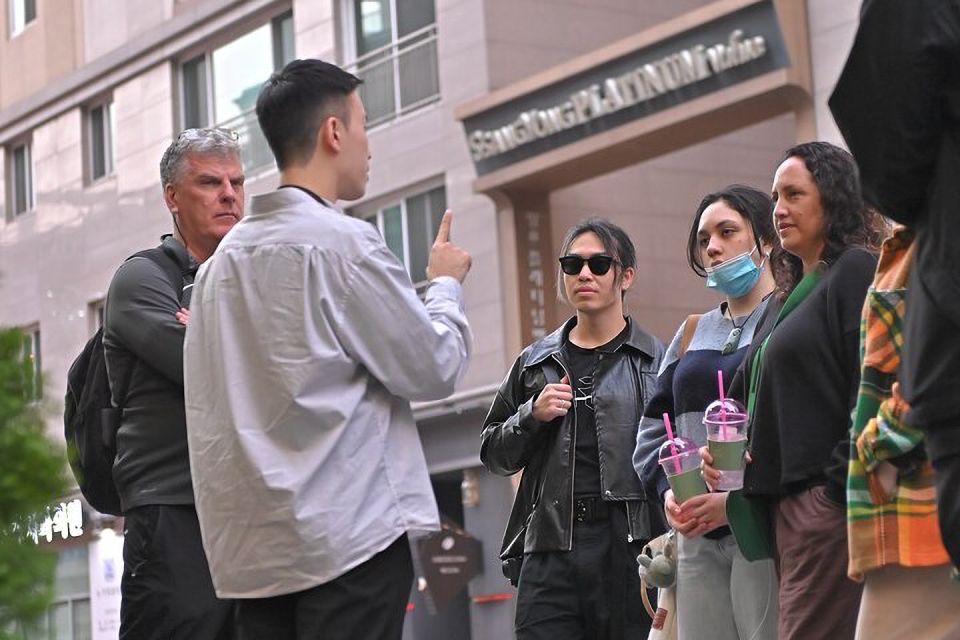
Gangnam would be easy to misunderstand if the tour stayed at street level. Instead, you get context for how Korea’s culture formed and why certain social rules have stayed strong. The guide explains how history shaped attitudes about success, belonging, and reputation.
You don’t need a textbook background. The tour keeps these ideas connected to what you can actually see: how public image gets treated like a life skill, how education becomes a social ladder, and why “fit” matters so much in daily life.
What I liked here is the cause-and-effect approach. You’re not just told that youth pressure exists. You’re shown how multiple pressures stack together until they feel like one big system.
Plastic Surgery Boom and Beauty Standards: What’s Really Being Sold
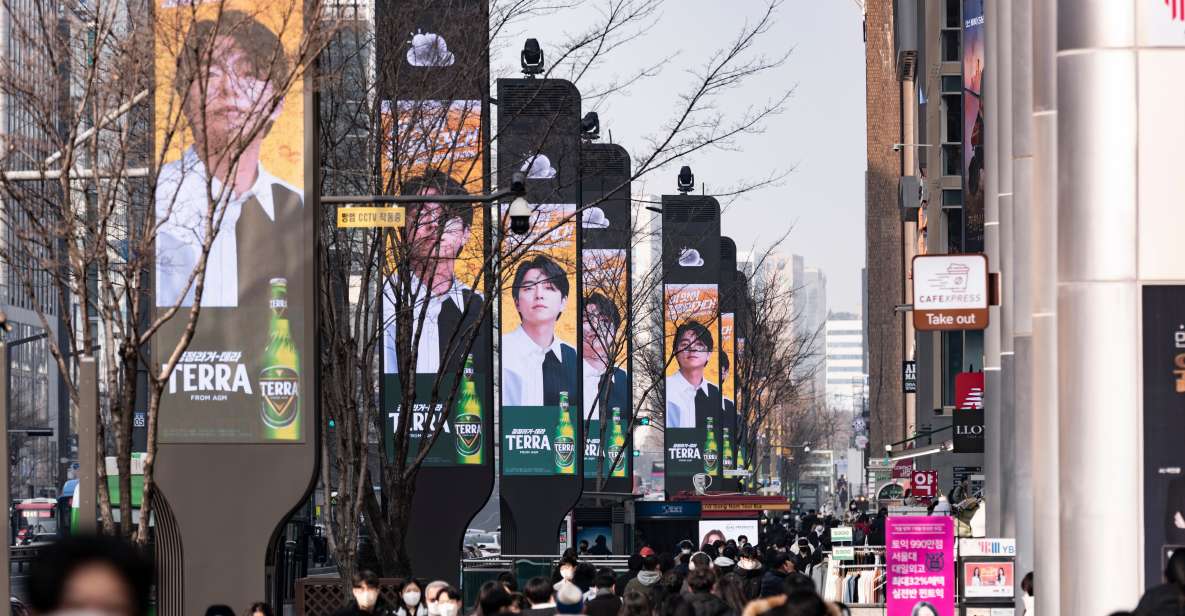
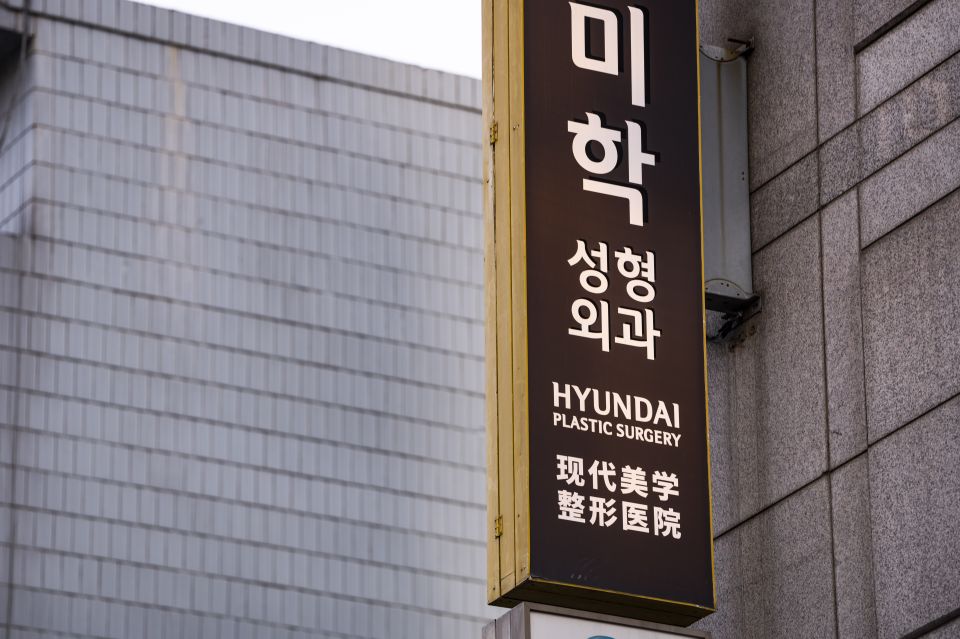
The tour’s strongest visual component is the advertising landscape. On the streets, you’ll pass posters and storefronts for beauty products and plastic surgery clinics. It can look normal at first glance—until you understand what beauty standards are used for socially.
Here’s the balanced part: you’re not asked to accept everything as totally good or totally evil. Instead, the guide lays out how Korea’s beauty obsession became mainstream, why it’s tied to career and relationships, and how the “perfect look” turns into a kind of expected outcome.
I found the framing useful because it helps you separate what’s personal choice from what’s social pressure. When you walk away knowing the difference, you’ll read Korean culture with clearer eyes—especially if you’re planning to watch K-pop, beauty trends, or social media content while you’re in Seoul.
Also, since this is a youth-and-society theme tour, it connects beauty to other systems like education and family expectations. That’s where it stops being a one-topic curiosity and becomes a full picture.
Education Frenzy: The System Parents and Kids Feel Every Day
Education pressure is a recurring theme on this walk, and it’s one of the topics that makes the tour feel “real.” The guide shows how intense schooling expectations can shape kids’ choices early, then roll forward into adult careers and social ranking.
I like that the tour explains education pressure not as a single dramatic story, but as a structure. You learn how parents often feel responsible for their child’s future, and how students can experience school as a high-stakes identity test.
If you’ve ever wondered why “ranking” seems to matter so much in everyday conversation, this is where you start getting the answer. Education here isn’t only about learning. It’s about proving you’re on the right track—so that families don’t just hope, they manage risk.


Darker Headlines, Local Reality: Suicide Rates and Low Birth Rate
This tour doesn’t shy away from the hard side of modern South Korea. You’ll hear why suicide rates are high, why the country struggles with a low birth rate, and why a wealthy nation can also feel unhappy at a societal level.
The guide’s approach stays grounded. Instead of treating these numbers like distant facts, you connect them back to the day-to-day pressures you saw around you: beauty expectations, job/career stress, and relentless competition.
One thing I appreciate: the tour doesn’t end with only despair. In the way the guide wraps up, you get a more balanced view of why people keep living there, why Koreans stay, and what still makes life meaningful even inside an intense system.
The Gangnam Streets as a Storyboard: Ads, Luxury, and Social Rules
By the time you’ve walked a while, the neighborhood becomes a kind of storyboard. The guide points out how the visuals around you reflect values: who gets attention, what gets marketed hard, and what kinds of outcomes society celebrates.
You’ll also notice how the tour uses humor to keep the tone from becoming grim. Multiple guests praised the guide’s sense of humor and storytelling. That’s not a small detail. When you’re discussing topics like mental health and relationship pressure, a human voice with warmth helps you process the message without shutting down.
You’ll probably leave with a different instinct for reading signs. It’s not that you become an expert overnight. It’s that you start seeing how society “talks” through buildings, ads, and everyday routines.
Ending at the Han River: A Reset for Your Brain
The tour finishes at the Han River, which is a smart emotional design choice. After you’ve spent time in dense commercial streets, you get a chance to breathe and watch the city from a different angle.
This part matters because it turns what you learned into something you can hold. You can think about the contrast between what’s marketed and what’s lived. You can also ask yourself how you’d react if you lived inside that system.
I like this ending because it doesn’t pretend the pressures magically vanish. Instead, it gives you a quiet pause so your takeaway sticks.
Practical Tips: What to Bring, What to Expect, and What to Skip
A few details can make or break the experience.
Bring cash
The tour requests cash. Also, the transportation fee is not included. Plan for 2000 KRW.
No audio recording
You’re not allowed to audio record. The tour is still designed for you to hear everything live, and guests noted clear communication during the walk. So just treat it like a conversation-based experience: listen first, write later.
Wear shoes for steps
Even though parts of the walk may be fairly flat, expect some stairs around subway moments. If you have knee trouble or strong mobility limits, this won’t be a comfortable fit. The activity also isn’t suitable for people over 70 or with mobility impairments.
Weather comfort matters
If you go in summer, you’ll get a portable hands-free fan. In winter, hot packs help. These small items reduce the chance you spend your energy fending off heat or cold instead of absorbing the content.
Food isn’t included
An optional Korean food session is not part of the included package. If you’re hungry afterward, you’ll need to plan your own meal stops.
Value Check: Is $33 Worth It in Real Terms?
At $33 per person for 150 minutes, this isn’t just paid walking time. You’re paying for a local historian-style guide who connects visual street-level details to social systems: beauty standards, education pressure, mental health context, and how youth cope inside a high-expectation culture.
What makes it feel like good value is the way it’s structured around understanding. You don’t just see Gangnam. You learn how Gangnam’s message links back to broader issues. Guests repeatedly praised how long the tour felt (around 3 hours in real pacing), while still staying engaging enough that time flew.
If you’re doing Seoul for the first time and you want a lens beyond K-pop and palaces, this is one of the efficient ways to get that perspective. It helps you make sense of what you’ll notice later, even in casual settings like convenience stores, beauty shops, or college areas.
Who Should Book This Tour (and Who Might Want Something Lighter)
This tour fits best if you want:
- real explanations for Korean youth culture and social pressure
- a guided walk where ads and clinics actually mean something
- context that helps you watch pop culture without missing the social backdrop
It’s less ideal if you:
- need a purely cheerful, sightseeing-only outing
- can’t handle emotionally heavy topics
- prefer zero walking or zero subway steps
- want to record audio for later playback
Should You Book This Gangnam Youth and Society Tour?
If you’re the type of traveler who likes your destinations with a brain attached, yes, book it. The combination of street-level visuals (Gangnam luxury and beauty-clinic marketing), social-system explanations (education, relationships, mental health context), and a thoughtful finish at the Han River makes it more than a themed stroll.
Do it early in your Seoul trip if you can. The tour gives you a framework. After that, you’ll see more on your own days and understand why certain trends feel so intense here.
If you want a softer first taste, consider saving it for a day when you’re rested enough to absorb the heavier parts. This tour delivers perspective, not just photos.
FAQ
How long is the Gangnam Youth and Society tour?
It lasts 150 minutes.
What is the price per person?
The price is $33 per person.
Where do I meet the guide?
Meet at Gangnam Station, Exit 11 (English address: 820-10, Yeoksam-dong, Gangnam-gu, Seoul).
Is the tour offered in English?
Yes, it is an English live guided tour.
What is included in the price?
Included: a local historian guide, the Gangnam walking tour, and either a portable hands-free fan (summer) or hot packs (winter).
Is transportation included?
No. A transportation fee of 2000 KRW is not included.
Do I need to bring anything?
Bring cash.
Can I record audio during the tour?
No, audio recording is not allowed.
Who is this tour not suitable for?
It is not suitable for people over 70 or people with mobility impairments.
What if I need to change plans?
You can cancel up to 24 hours in advance for a full refund. You can also choose reserve now & pay later.