You’re heading into one of the most tense places on earth. A guided DMZ day trip from Seoul turns scary headlines into real stops: Freedom Bridge area, infiltration tunnels, and observatories where you can look toward North Korea when conditions allow. I especially like the way the day connects history to geography in a clear, tour-by-tour flow, and how the optional add-ons let you choose your kind of view.
Two things I really like: a well-run route with English-speaking guide Patrick keeping everyone on track, and the chance to physically experience the tunnels that shaped modern Korean history. Guides like Roy and April also tend to make the day feel organized and not just rushed facts.
One possible drawback: this is a walking-and-stairs day. If you’re dealing with leg, back, respiratory issues—or anything that would make the tunnel difficult—the tour notes you can’t enter the 3rd Infiltration Tunnel, and even the suspension bridge option involves climbing.
In This Review
- Key highlights you’ll feel right away
- The DMZ day trip isn’t about thrills. It’s about perspective
- Monday vs Tue–Sun: your tunnel route is decided by the calendar
- Imjingak Park and Freedom Bridge: why you start there
- Tunnels and observatories: the part that tests your body and your brain
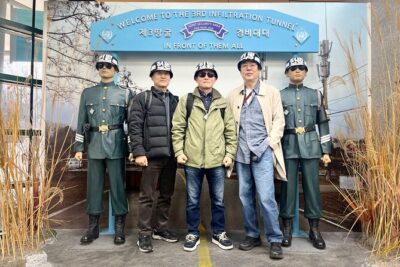
- The 3rd Infiltration Tunnel side (Tue–Sun)
- The 2nd Infiltration Tunnel side (Monday)
- Unification Village: seeing the border logic in human scale
- Mt. Gamak suspension bridge and the Imjin River gondola: choose your view style
- Gondola option: Gallery Greaves and Imjin River views
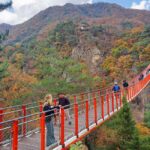
- Suspension bridge option: Gamaksan Chulleong Bridge
- Meeting a North Korean defector: why it changes the whole tone
- Time pressure and pacing: why you should build in buffer for photos
- Price and value: $45.86 is a bargain, but you pay with energy
- Who this tour fits best—and who should be careful
- Great fit if you:
- Be careful if you:
- What to bring (so the day feels easier)
- Should you book this DMZ tour?
- FAQ
- How long is the DMZ guided tour from Seoul?
- Which days visit the 3rd Infiltration Tunnel?
- Which days visit the 2nd Infiltration Tunnel?
- Is the gondola included?
- Is the suspension bridge included?
- Is a North Korean defector lecture included?
- Are meals included?
- Can I enter the 3rd tunnel if I have health issues?
- What if the 3rd tunnel is unavailable?
- What happens if the tour is canceled due to weather or political situations?
Key highlights you’ll feel right away
- Freedom Bridge + Imjingak Park sets the tone immediately, before you go into the restricted zone feel of the DMZ area
- 3rd or 2nd Infiltration Tunnel depending on the day gives you a real sense of scale and hardship
- Dora Observatory / Peace Observatory are built for watching and comparing what’s over the line
- Optional gondola at Gallery Greaves gives Imjin River views without making every minute a steep hike
- Optional North Korean defector lecture adds a human voice to the history (when scheduled)
The DMZ day trip isn’t about thrills. It’s about perspective
A DMZ tour can sound like a box-checking exercise. In practice, it feels more like a guided lesson with doors you’re allowed to open—temporarily—at the edge of a still-divided peninsula. You’ll move through the places that shaped modern Korean tensions, and you’ll be told what to look for, not just where to stand.
What makes this particular tour interesting is the mix of “hard history” stops (tunnels, observatories) plus “context stops” (Imjingak area and the bridges). And yes, you may be able to see North Korea depending on weather on your tour date. That single detail changes the mood of the day—clear weather turns the observatory moments from educational to unforgettable.
You can also read our reviews of more guided tours in Seoul


Monday vs Tue–Sun: your tunnel route is decided by the calendar
The itinerary changes depending on the day you go, and you should pick based on what you most want to experience.
Every Tue–Sun focuses on the 3rd Tunnel area and classic DMZ viewpoints:
- Imjingak Park / Freedom Bridge area as your starting context
- Imjingak Pyeonghoa-Nuri Park as the launch point for the 3rd tunnel day
- Entry points and stops that lead you toward Dora Observatory and Unification Village
- Optional add-ons tied to your selection: gondola (Imjin River views) and/or the swinging suspension bridge at Mt. Gamak
Every Monday swaps in a different core route:
- 2nd Infiltration Tunnel
- Peace Observatory
- Woljeongri Train Station
- Suspension Bridge
If you have strong preferences—say, you really want the Dora Observatory or you’re specifically after the 2nd tunnel—your day of week matters more than almost anything else.
Imjingak Park and Freedom Bridge: why you start there
You’ll begin in Seoul and meet your guide at your selected meeting point. Then you head straight to the Imjingak area. This matters, because Imjingak is the emotional and geographic “setup” before you get to the tunnel and observatory zones.
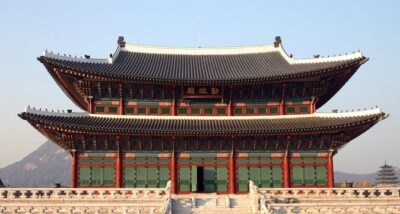
In the Imjingak Park / Freedom Bridge segment, you’re not just looking at a bridge. You’re seeing the kind of symbolic space that grew out of the Korean War’s aftermath—places that still draw a line through everyday life. The tour also includes Imjingak Pyeonghoa-Nuri Park (timing depends on the day), which is presented as a starting point for the tunnel experience.
Practical note: plan to be early and ready for a full day. The tour runs about 7 to 11 hours, and the schedule is built to move you between areas, not to linger.
Tunnels and observatories: the part that tests your body and your brain
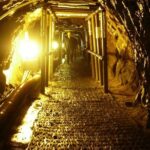
This is the center of the DMZ experience. You’ll either do the 3rd Infiltration Tunnel (Tue–Sun) or the 2nd Infiltration Tunnel (Monday). Both are intense, but they feel different in the way you experience them: tunnels make history physical.
The 3rd Infiltration Tunnel side (Tue–Sun)
The tour explicitly warns that you cannot enter the 3rd tunnel if you have heart disease, leg/back problems, or respiratory problems. It also notes an intermediate hiking level is needed. That’s consistent with how tunnel sites usually work—stairs, uneven ground, and tight interiors.
The rewards are real: after the tunnel, you go on to Dora Observatory, plus Unification Village. At Dora Observatory, the tour’s emphasis is observation—looking toward North Korean territory from a designated viewpoint. Weather matters here. If the air is clear, those minutes can feel sharply real.

The 2nd Infiltration Tunnel side (Monday)
On Mondays, you’ll do the 2nd tunnel plus the Peace Observatory and Woljeongri Train Station, then add the suspension bridge. This route still keeps you in the “look and imagine how this affected everything” mindset, but the sequence changes. You get different vantage points and different kinds of ruin-and-remnant symbolism.
One thing I appreciate about this tour format: it doesn’t pretend the day is one-size-fits-all. The tour design admits you’re getting a different DMZ slice depending on the day, and it’s that variety that keeps the experience from feeling like a conveyor belt.
Unification Village: seeing the border logic in human scale
After the tunnel and observatory areas, you pass through Unification Village. Even if you don’t think of yourself as a “souvenir person,” this stop is about human scale. It’s where the DMZ idea stops being only military or political maps and starts looking like an everyday border reality.
The tour frames Unification Village as part of moving through the DMZ zone you’re visiting. Expect your guide to explain what you’re seeing and why it’s placed where it is. This is also where you’ll often feel the emotional weight more than at the tunnel itself.
Mt. Gamak suspension bridge and the Imjin River gondola: choose your view style
This is where you can steer the day toward scenery, depending on your booking option.
Gondola option: Gallery Greaves and Imjin River views
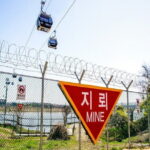
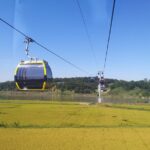
For Tue–Sun days, the tour offers a gondola ride to Gallery Greaves with panoramic views of the Imjin River. This is a smart choice if you want “wow” without every step being vertical. You still get the sense of place, but the ride gives your legs a breather.
If you’re planning photos, this is the segment where a camera actually earns its weight. Wide views are rare on a DMZ day, and the gondola segment is designed for that.
Suspension bridge option: Gamaksan Chulleong Bridge
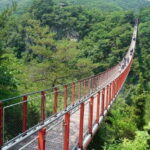
You may also be able to do the swinging suspension bridge at Mt. Gamak (listed as Gamaksan Chulleong Bridge). The tour includes a short drive and then gives you the bridge segment as a time-boxed experience for photography and views.
A heads-up: a few reviews mention the suspension bridge involves climbing and slopes. That fits the nature of suspension bridge approaches. If your legs are touchy, this option is the one I’d rethink first—especially since the tunnel portion can already be physically demanding.
Meeting a North Korean defector: why it changes the whole tone
There’s an optional stop: meeting a North Korean defector for a lecture. Even if you’re visiting DMZ for history, this is the part that can shift the tone from facts to personal consequence.
How to approach it: go in expecting a story, not a debate. Your guide’s job is to keep the day structured, but the defector lecture is about human experience. It’s also scheduled as optional, so your day may not include it depending on the route and availability.
If your goal is to connect the political with the personal, this add-on is the one that tends to linger.
Time pressure and pacing: why you should build in buffer for photos
This tour is long. Even when it feels smoothly organized, you won’t be wandering at your own speed. The itinerary is built around multiple zones in one day, and the tour notes that transportation time between destinations is excluded from the listed activity durations—meaning your actual day timing depends on driving and on-site turnover.
A couple of review themes are worth taking seriously:
- You’ll likely get limited time at each viewpoint for photos.
- Getting there early and moving smartly inside each stop helps you feel less rushed.
If you love photography, bring a plan. Know which stop you care about most (tunnel vs observatory vs bridge vs gondola) and accept that the rest will be “see it well, then move on.”
Price and value: $45.86 is a bargain, but you pay with energy
At about $45.86 per person, this DMZ tour can feel surprisingly good value. Here’s why: the price includes air-conditioned round-trip transfers, admission to the attractions, and an English-speaking guide/driver. It also includes the tunnel and observatory-type sites, plus whichever optional choice you select (gondola and/or suspension bridge).
What you don’t get is part of the cost trade-off:
- Meals and beverages aren’t included, and you’ll have to plan around a short break.
- You’ll be spending the day walking and climbing in a highly controlled setting.
So the value isn’t in comfort. It’s in access and instruction. You’re buying a guided “DMZ hits in one day” package where you don’t need to worry about arranging transportation, tickets, or the order of stops.
Who this tour fits best—and who should be careful
Great fit if you:
- Want a full DMZ day without the hassle of planning logistics
- Like guided context at every major stop (not just a driver and a map)
- Enjoy history that has physical locations, not only museum panels
- Appreciate optional scenery via the gondola or the bridge segment
Be careful if you:
- Have the health conditions listed for the 3rd tunnel (heart disease, leg/back/respiratory problems). The tour notes you can’t enter the 3rd tunnel with these issues.
- Prefer low-effort days. Even without the bridge, the tunnel and observatory approach involves walking and stairs.
- Hate being on a tight schedule. This is a timed day.
A nice detail: the tour is described as a mobile-ticket experience, and it’s offered in English with a tour guide/driver. Maximum capacity is listed as up to 999 travelers, which suggests you could be on a large bus, but your guide’s job is to keep the flow controlled.
What to bring (so the day feels easier)
You can’t change the route, but you can change how you handle it.
- Comfortable walking shoes are non-negotiable. Reviews keep mentioning it for a reason.
- Dress for weather. The tour can be canceled due to extreme weather or political situations, and the day itself requires good weather conditions for best results at observation points.
- Bring a light layer. Tunnel areas and transition spaces can feel cooler or drafty.
- Plan for minimal food options. Meals aren’t included, so decide what kind of snack plan works for you.
If you care about the North Korea view, it’s also worth understanding that visibility depends on conditions. You can’t force clear air, but you can show up ready.
Should you book this DMZ tour?
Book it if you want the most focused, guided DMZ day possible from Seoul, with admissions and transfers handled and a route that includes the big names: tunnel, observatories, and Unification Village. The price-to-included-features ratio is strong, and the guides—whether Roy, Patrick, or April—tend to make the day feel structured, informative, and worth the effort.
Skip it or choose carefully if you have health or mobility limits that conflict with tunnel entry rules, or if you strongly dislike being on a schedule. This is a day that rewards curiosity, not comfort.
If you want, tell me what day of the week you’re considering and whether you prefer gondola scenery or the suspension bridge photos. I’ll help you pick the best match.
FAQ
How long is the DMZ guided tour from Seoul?
It runs about 7 to 11 hours, depending on the day’s route and conditions.
Which days visit the 3rd Infiltration Tunnel?
The route that includes the 3rd Infiltration Tunnel and Dora Observatory runs every Tue–Sun.
Which days visit the 2nd Infiltration Tunnel?
Every Monday visits the 2nd Infiltration Tunnel, along with Peace Observatory and Woljeongri Train Station.
Is the gondola included?
The cable car (gondola) is included if you select that option when booking.
Is the suspension bridge included?
The suspension bridge is optional. It’s included only if you select that option when booking.
Is a North Korean defector lecture included?
Meeting a North Korean defector is optional, depending on your booking and scheduling.
Are meals included?
No. Meals and beverages are not included.
Can I enter the 3rd tunnel if I have health issues?
The tour states you cannot enter the 3rd tunnel if you have heart disease or leg/back/respiratory problems.
What if the 3rd tunnel is unavailable?
If the 3rd tunnel is unavailable, the tour can be changed to another destination.
What happens if the tour is canceled due to weather or political situations?
The tour can be canceled because of weather or political situations. In that case, your tour will be rescheduled or fully refunded.