REVIEW · SEOUL
Korean Kimchi Making Day Experience with a Local Market Tour
Book on Viator →Operated by cookorean · Bookable on Viator
Kimchi gets real when you make it. This Seoul experience pairs a guided walk through Mangwon Market with hands-on cooking led by Jomin, so you learn how to prepare four types of kimchi and then eat them family-style. I like the small-group setup (you’re not lost in a crowd), and I also like that you shop for ingredients with your guide instead of just following a demo. One consideration: the class needs a minimum number of guests, so it can be rescheduled or canceled if the minimum isn’t met.
Plan on a 3.5-hour session starting at Mangwon Station, Line 6, entrance 2, and ending back where you started. You’ll visit the market, then head to a cooking studio where you’ll make kimchi using fresh Korean cabbage, radish, and cucumber, with vegetarian or vegan options available.
In This Review
- Key things I’d circle before you book
- Mangwon Market to Studio: the part that makes this feel local
- Meeting at Mangwon Station (Line 6, Entrance 2) and how the walk works
- Jomin’s cooking studio: learning four kimchi types with real coaching
- What you’ll actually cook (and why it’s useful)
- The meal after: kimchi with boiled pork, fried tofu, and Korean comfort food
- Taking kimchi home: why packing matters more than you think
- How much is $89 in Seoul, and what you really get
- Vegetarian and vegan options: what to know before you arrive
- Who should book this kimchi-making day
- Should you book it or skip it? My quick decision guide
- FAQ
- Where does the experience start?
- What meeting point should I use?
- How long does the kimchi-making class last?
- How much does it cost?
- Is the class small?
- Do I get to take kimchi home?
- What will I cook?
- Is there food served during the experience?
- Are vegetarian or vegan options available?
- What happens if the minimum number of guests is not met?
Key things I’d circle before you book
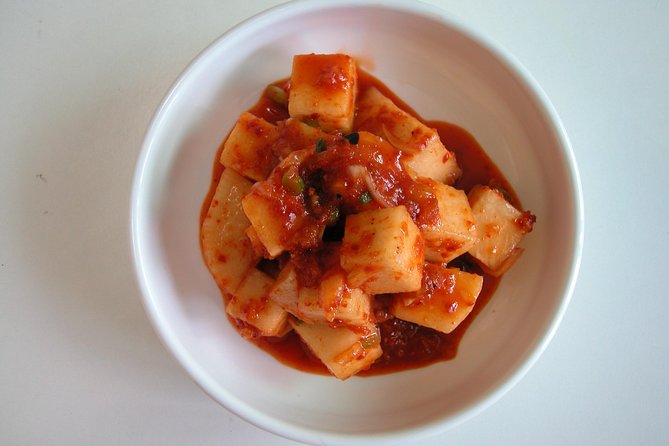
- Mangwon Market ingredient scouting: you learn what to look for and even get tastes along the way
- Four different kimchi recipes: hands-on practice, guided closely by Jomin
- Small class feel: up to four people per class session, with the overall activity capped at 11
- Eat what you make: kimchi served with boiled pork and fried tofu, plus more Korean comfort-food vibes
- Take-home containers included: you leave with your homemade kimchi for later meals
Mangwon Market to Studio: the part that makes this feel local
This tour starts with the market, not the classroom. That matters because kimchi is not just a recipe you copy. It’s about picking good produce, understanding what seasonings do, and learning why Korean households treat it like an everyday staple.
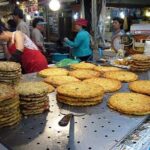
Mangwon Market is the kind of place where you quickly see the range of ingredients used for Korean cooking. You’ll also get street food tastings on the way, which is a fun way to snack while Jomin points out what’s relevant to your class. It’s one of those practical add-ons that makes the cooking feel connected to real shopping, not staged theater.
Then you shift from the market to the kitchen studio, where the pace changes from walking and sampling to chopping, seasoning, and building confidence. The whole flow is designed so you understand what you’re doing before you start doing it.
You can also read our reviews of more shopping tours in Seoul
Meeting at Mangwon Station (Line 6, Entrance 2) and how the walk works
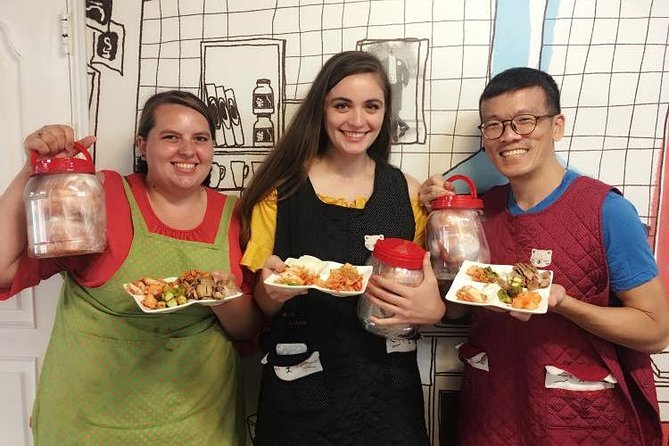
Your meeting point is Mangwon Station on Line 6, entrance 2. From there, you follow Jomin toward the cooking studio while you work through the market portion of the experience. Expect a mix of explanation and on-the-spot guidance, especially around ingredients.
What I like about this setup is that you’re not just shown food. You get coached on how to recognize key items and how to think like a shopper. That’s the difference between leaving with a cookbook and leaving with the skills to recreate the results at home.
And because this is Seoul, the market portion does real work for your trip planning. After the walk, you’ll have a better sense of how Korean groceries and food stalls are organized, which makes independent shopping later much easier.
Practical note: the time is tight enough that you’ll want to keep your phone charged and your shoes comfy. You’re moving, and you’ll be doing it right after meeting.
Jomin’s cooking studio: learning four kimchi types with real coaching
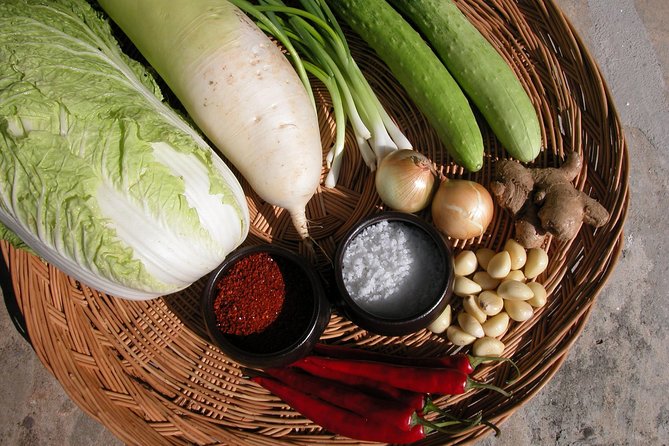
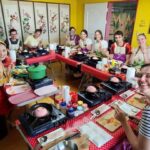
Once you arrive at the studio, the class becomes hands-on. Jomin guides you through techniques to prepare four authentic types of kimchi using fresh ingredients like Korean cabbage, radish, and cucumber. The key detail here is the support level: the class is small, and Jomin provides ample one-on-one attention, which is exactly what you want when fermentation foods can feel intimidating.
I also like that the teaching isn’t only about making one version. You’re learning multiple types. That matters because kimchi is not a single flavor. It changes based on what vegetables you use and what you season into the mix.
From what you’re taught, you should walk away with basics that help you keep the process consistent at home. Several course participants highlight that the instruction builds confidence, not just curiosity. You’re coached enough to make you feel capable, which is the whole point of paying for a class instead of Googling.
If you’re worried about language, you’re in good shape. Jomin’s English is described as good, and she’s noted for being patient and clear during instruction. For beginners, that kind of calm teaching makes a huge difference.
What you’ll actually cook (and why it’s useful)
You’ll work with fresh ingredients such as:
- Korean cabbage
- radish
- cucumber
The class is designed so you understand the differences between the recipes and how they come together. That’s what lets you choose what you like once you’re back in your own kitchen, instead of just forcing yourself to enjoy whatever version you first attempted.
The meal after: kimchi with boiled pork, fried tofu, and Korean comfort food
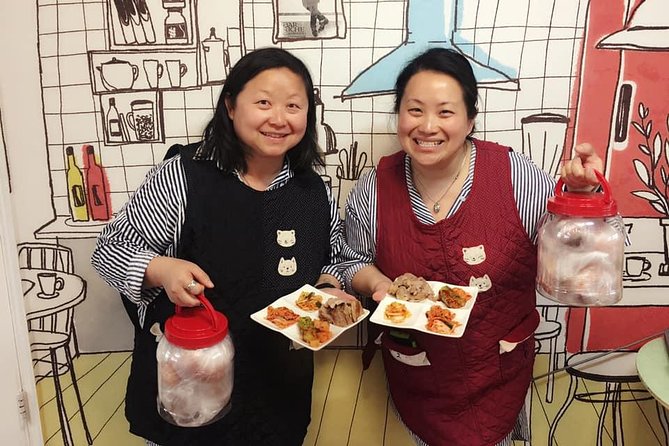
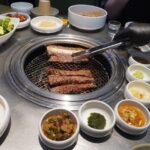
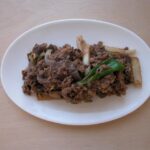
After the work, you sit down and eat the results. Your meal includes delicious kimchi paired with boiled pork and fried tofu, just like families in Korea on a special food day. Depending on the flow of your session, you may also see makgeolli mentioned as part of the meal pairing in participant accounts, which fits the casual, home-kitchen vibe.
This part is more important than it sounds. It’s one thing to taste kimchi in a restaurant. It’s another to taste kimchi right after you’ve made it, because you notice what you handled and how your choices affected flavor.
It’s also a good moment to ask questions. In a class this size, you’re not competing for attention. You can clarify what to adjust for your preferences at home.
And yes, you should expect to eat enough that you don’t feel snacky for the rest of the day. The class is structured so the meal rounds out the experience, rather than feeling like a token bite.
You can also read our reviews of more tours and experiences in Seoul


Taking kimchi home: why packing matters more than you think
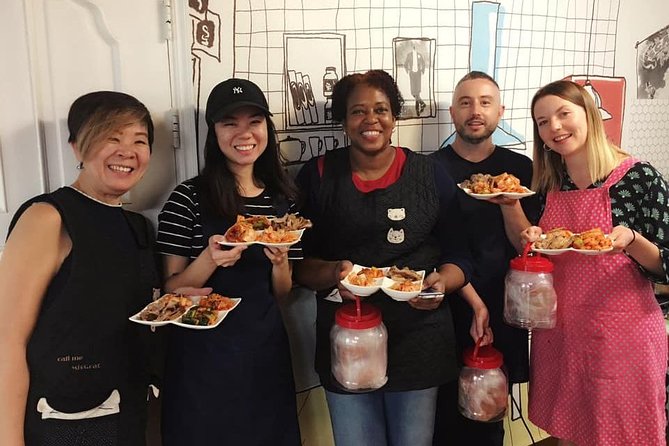
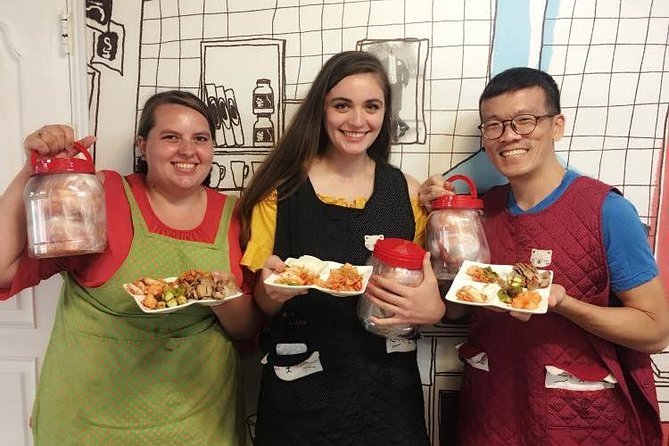
You get to take home any leftovers after class. That’s a major part of the value, because it turns your experience into multiple future meals.
But here’s the practical reality: you’ll end up with a good amount. More than one participant points out the container is large, and you should plan your baggage accordingly. If you’re traveling with limited suitcase space, this is the one thing to think about before you book.
I’d recommend doing two things:
- Bring room in your luggage for the container.
- Think about where you’ll store it so it stays sealed and manageable through transit.
Also, because kimchi keeps, you’re not just transporting food for a single day. You’re basically earning yourself extra dinners and lunches. That’s one reason this class feels like better-than-average value for a single outing.
How much is $89 in Seoul, and what you really get
At $89 per person, this isn’t the cheapest activity in Seoul. But it also isn’t just a quick taste lesson. You’re paying for a full arc: market time, hands-on instruction, a sit-down meal, and homemade kimchi to take away.
Here’s where the value comes from:
- You get a guided market walkthrough with ingredient context
- You learn four kimchi styles in a small class setting
- You eat what you made (plus the pork/tofu pairing)
- You leave with leftovers and a recipe resource
The small group detail is a quiet value boost. When you’re capped at four people in the class, you’re more likely to get the coaching you need and fewer people are waiting their turn. That translates into an experience that feels personal instead of rushed.
If you love food-focused activities that teach you skills you’ll use later, this price makes more sense than if you’re looking only for sightseeing.
Vegetarian and vegan options: what to know before you arrive
Good news: vegetarian and vegan options are available. If you choose one of those options, you should still expect the class to keep the same structure: market visit, kimchi-making practice, and eating at the end.
What you might want to double-check in advance is how the final meal is handled for your dietary preference. The class includes boiled pork and fried tofu in the standard pairing, but the fact that vegetarian/vegan options exist means your session should be adapted accordingly.
If dietary needs are strict, it’s worth confirming at booking so nothing gets awkward when you’re hungry and ready to eat.
Who should book this kimchi-making day
This class is a strong match if:
- you want a practical Seoul food experience beyond just eating out
- you want to learn multiple kimchi styles, not just one
- you like small group settings where you can ask questions
- you want a souvenir that becomes real food at home
It’s less ideal if:
- you travel with very limited baggage and hate the idea of carrying food
- you’re only in Seoul for a quick taste and don’t care about learning methods
- your schedule is extremely tight and you’d struggle with a possible reschedule if minimum guest numbers aren’t met
If you’re the type who likes getting your bearings through food, this is the kind of activity that sticks with you after the trip ends.
Should you book it or skip it? My quick decision guide
Book it if you want a kimchi class that starts in a real market, teaches you to make four types, and then lets you take your work home. The small-group coaching and the meal afterward are big reasons this feels like more than a one-off novelty.
Skip it only if baggage is your biggest concern or you need total schedule certainty. If you can handle bringing home a container and you’re open to learning basics for making kimchi you’ll actually eat again, this is a smart choice for a Seoul food day.
FAQ
Where does the experience start?
It starts at Mangwon Station in Seoul, South Korea.
What meeting point should I use?
Meet at Mangwon Station, Line 6, entrance 2.
How long does the kimchi-making class last?
It lasts about 3 hours 30 minutes.
How much does it cost?
The price is $89.00 per person.
Is the class small?
Yes. The class is described as a small class of maximum four people, and the activity has a maximum of 11 travelers.
Do I get to take kimchi home?
Yes. You can take home any leftovers after the class, and you’ll leave with what you made.
What will I cook?
You’ll prepare four types of kimchi using fresh ingredients such as Korean cabbage, radish, and cucumber.
Is there food served during the experience?
Yes. After making kimchi, you’ll sit down to eat it paired with boiled pork and fried tofu.
Are vegetarian or vegan options available?
Yes. Vegetarian and vegan options are available.
What happens if the minimum number of guests is not met?
The class can be rescheduled or canceled if it does not meet the minimum number of guests (4). In that case, you’ll be offered a different date/experience or a full refund.