REVIEW · SEOUL
Buam dong Walking Tour Art, History and Parasite in Seoul
Book on Viator →Operated by ZenKimchi Experiences · Bookable on Viator
Seoul turns quieter in Buam-dong. This 2.5-hour walk mixes Buam-dong neighborhood life with art stops and Cold War-era context—delivered by guide Jon in a way that actually sticks. I also like the pacing: you’re not rushing, and you get time to look around instead of just moving from point to point.
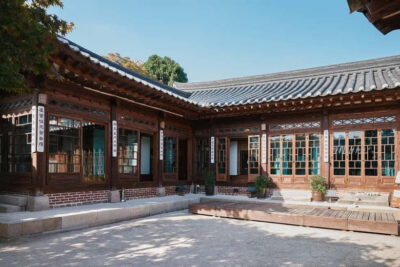
I especially enjoyed the cultural stops tied to reading and writing in old Korea. The Cheongun Literature Library (Seoul’s first Hanok library) gives you a calm break from the city buzz, and it helps the rest of the tour click.
One thing to consider: this is a hillside route, and the tour calls for moderate physical fitness, so wear grippy shoes if you’re not great on slopes.
In This Review
- Key things I’d bet on
- Why Buam-dong makes this Seoul walking tour different
- The 2:00 pm start: how the tour kicks off and what to expect
- Cheongun Literature Library: Seoul’s first Hanok library break
- City Wall and Changuimun Gate: defense story on a real route
- Buam-dong’s art-and-history stops: statues, viewpoints, and Cold War context
- The Parasite filming location: pop culture with local context
- Mugyewon hanok finale: Grand Prince Anpyeong’s former villa
- Price, group size, and whether this feels like good value
- Who should book Buam-dong Walking Tour Art, History and Parasite
- Should you book this walking tour?
- FAQ
- How much does the Buam-dong Walking Tour cost?
- How long is the tour?
- Where does the tour start?
- What time does it begin?
- Is this a small group tour?
- Do I need to bring tickets, or will I get something on my phone?
- Are admission tickets included?
- Can I bring a service animal?
- Is free cancellation available?
Key things I’d bet on
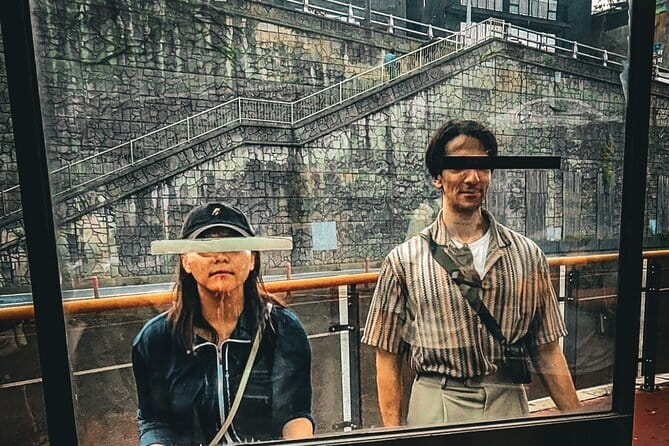
- Small group size (max 15 travelers) for easier conversation and a calmer pace
- Cheongun Literature Library as Seoul’s first Hanok library, set inside traditional architecture
- Seoul City Wall + Changuimun Gate (Jahamun Gate) with defense-focused storytelling
- Cold War history connections woven into the neighborhood walk
- Parasite filming location sight, tied into the local streets you’ll actually walk
- Mugyewon hanok finale in the style of a former villa of Grand Prince Anpyeong
Why Buam-dong makes this Seoul walking tour different
Most Seoul walks follow the same well-trod loops. Buam-dong feels different because the tour doesn’t just say where to look—it teaches you how to see. You’ll be in a quieter hillside area where traditional architecture, mountain views, and local history share the same air.
What I like most is that the tour balances “big story” with “small moment.” You get Cold War history context, then you step into places made for stillness—like a library inside a Hanok. That mix keeps it from turning into trivia theater.
And because the route is built around specific cultural landmarks (not just photos), you end up understanding why these spots matter. That matters in Seoul, where it’s easy to collect landmarks without really getting the sense of place.
You can also read our reviews of more walking tours in Seoul


The 2:00 pm start: how the tour kicks off and what to expect
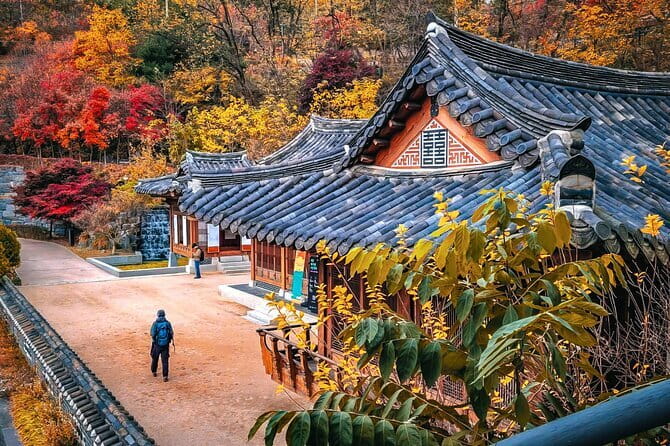
The tour begins at 시민약국106-3 Jeokseon-dong, Jongno District, Seoul, with a 2:00 pm departure. Plan to arrive a few minutes early so you’re not scrambling for the right meet point when your group starts moving.
You’ll take a short 10-minute bus ride to get up into Buam-dong. This is a practical choice: it saves energy early and lets your guide set the scene as you travel. Then the walk portion starts, and that’s where the hillside neighborhood texture really comes through.
The tour runs about 2.5 hours, and the schedule includes time at multiple stops rather than a nonstop sprint. You’ll likely spend much of the afternoon on foot between points, plus short orientation moments where your guide explains what you’re looking at and why it matters.
Tip for your day: treat it like an afternoon walk with cultural pacing. Comfortable shoes and a light layer help, especially because you’re in a neighborhood shaped by hills and viewpoints.
Cheongun Literature Library: Seoul’s first Hanok library break
If you want one stop that resets your mindset, it’s the Cheongun Literature Library. This is Seoul’s first Hanok library, which means you’re not just looking at tradition—you’re inside it. Traditional architecture changes how a room feels, and your guide’s commentary helps you notice details you’d normally skip.
The library stop is around 20 minutes, which is enough time to slow down without feeling dragged. You can take a quiet moment, look at the spaces around you, and let the neighborhood around it feel more human.
For me, this kind of stop is the difference between a tour that’s “interesting” and one that’s memorable. You leave knowing that Seoul’s culture isn’t locked in museums only. It lives in working spaces—like places where people read, study, and gather.
Downside? If you’re the type who wants lots of active sightseeing with minimal “sit and absorb” time, this may feel like the calmest portion of the walk. But calm can be a feature, not a bug.
City Wall and Changuimun Gate: defense story on a real route
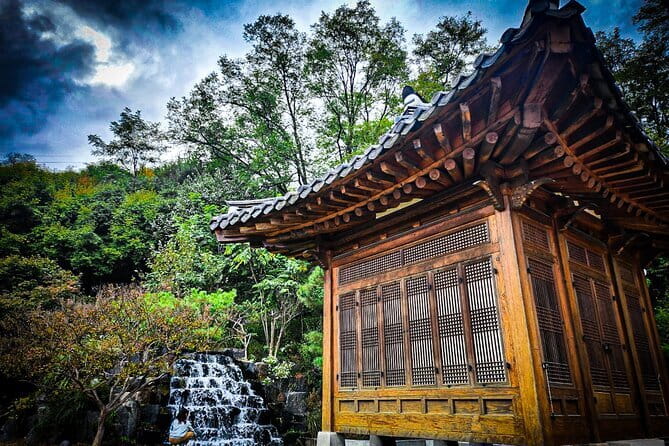
Next you shift from quiet to strategy. You’ll explore the Seoul City Wall and the Changuimun Gate (Jahamun Gate), which are key historical landmarks tied to how Seoul defended itself and preserved its heritage.
This part matters because it shows the city’s physical logic. Walls and gates weren’t just decoration; they were the infrastructure that shaped movement, safety, and boundaries. With a guide explaining the purpose, the stones feel more like evidence and less like scenery.
You’ll have about 15 minutes at the Changuimun Gate area. That’s not a long museum-style time, so your best approach is to look outward as you listen. Notice how a gate frames a passage and how the wall would influence where people went.
If you’re hoping for a deep engineering lecture, this stop may feel short. Still, it’s a strong way to understand the city’s defensive geography without turning your afternoon into a textbook.
Buam-dong’s art-and-history stops: statues, viewpoints, and Cold War context
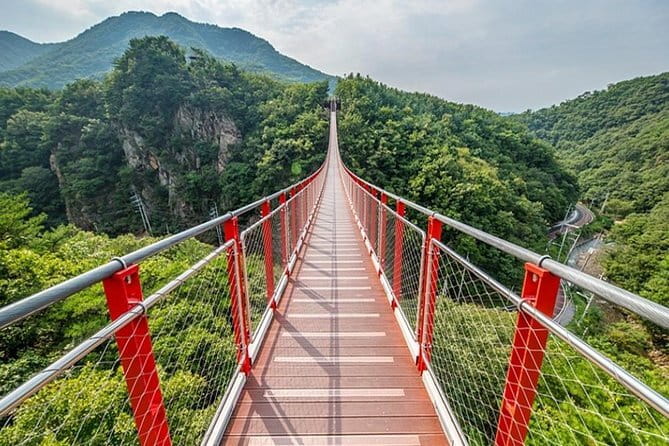
The Buam-dong portion is where the tour earns its “off the beaten” reputation. Instead of jumping between big-ticket monuments, you move through a neighborhood where history is layered across streets, corners, and viewpoints.
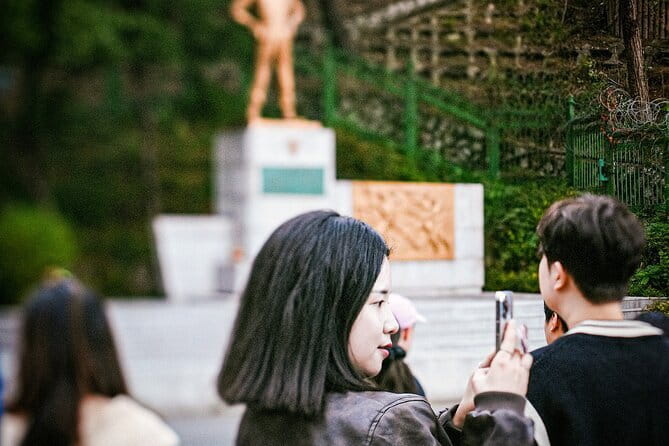
Along the way, your guide points out major anchors like the Choi Gyu-sik Memorial Statue, plus connections to Cold War history. You’ll also reach the Hill of Poet Yoon Dong-ju, a stop built around atmosphere and place—because poetry and geography belong together.
One of the most practical benefits here is orientation. As you look out, you get views of Bugaksan, Inwangsan, and Bukhansan. Those mountains help you understand why the neighborhood layout feels the way it does, and why these old structures were positioned where they were.
Here’s how I’d use this on a future trip: after you’ve seen the viewpoints from the tour, you’ll be better at recognizing what direction you’re facing and why certain areas feel higher or more protected.
Small caution: if you’re sensitive to walking with stops that involve looking around, keep your expectations realistic. This part is meant for slow attention, not speed.
You can also read our reviews of more historical tours in Seoul





The Parasite filming location: pop culture with local context
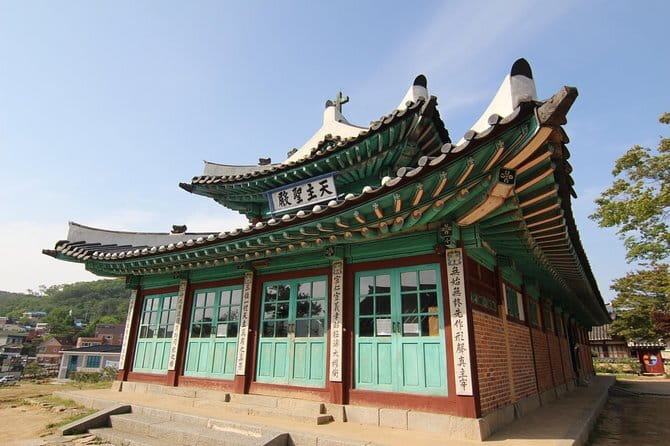
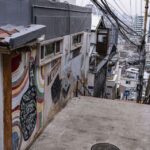
Yes, you’ll hit a Parasite filming location. But what makes it worth doing as part of this walk is that you’re not treating it like a theme-park stop. It’s tied to the real streets you’re already walking, and your guide’s storytelling helps connect the film setting to the neighborhood fabric.
This works best when you’re open to the idea that fiction can lead you toward nonfiction. Even if you’ve seen the movie, you may notice how much the surrounding environment matters—the way streets curve, the density of buildings, and the mood created by the hillside.
Practical tip: bring your camera, but don’t let the filming spot turn into a 30-photo marathon. With a group of up to 15, you’ll want to enjoy the moment, then keep moving so you still catch the later hanok finale.
Mugyewon hanok finale: Grand Prince Anpyeong’s former villa

The tour wraps at Mugyewon, a traditional Korean house that served as the villa of Grand Prince Anpyeong. Think of it as a soft landing: after city wall stone and movie-land streets, you return to a quieter, older kind of elegance.
This stop takes about 20 minutes, which is enough time to take in the space and understand it as a cultural venue. Since the tour ends here, it’s also a good place to ask your guide where to go next depending on your interests—views, more hanoks, or additional history walks.
For me, the value of ending at Mugyewon is pacing. You finish with a sense of continuity: Buam-dong’s character shows up again in a domestic, lived-in form. That makes the whole tour feel less like separate stops and more like one story arc.
Then you head back to the meeting point—so you don’t have to figure out last-mile logistics after your walk.
Price, group size, and whether this feels like good value
The price is $38.50 per person for about 2 hours 30 minutes. For Seoul, that’s in the “small-group walking tour” range, but the value improves because the tour lists free admission tickets for the stops.
You’re also not dealing with a massive crowd. The tour caps at 15 travelers, so you can actually hear the guide and ask questions without shouting over a sea of people.
There’s also group discount potential and a mobile ticket, which is convenient when you’re bouncing between neighborhoods. Add the fact that tours like this average about 19 days booked in advance, and it’s a solid idea to reserve early if you want a smooth afternoon.
If you’re the kind of traveler who gets value from context (stories, connections, and seeing how pieces fit), this is a decent spend. If you only want photo ops with minimal explanation, you might prefer a self-guided route and a shorter “select stops” plan.
Who should book Buam-dong Walking Tour Art, History and Parasite
Book it if you want:
- a culture-heavy afternoon that mixes art, literature, and history
- mountain views paired with real neighborhood context
- a small-group experience where the guide (Jon) is both informative and funny
- a walk that includes both historical Seoul and modern pop-culture reference points
Skip it (or consider a different style of tour) if you hate any walking on slopes, or if you want very long time at a single landmark. This is a route. It moves. It’s designed for variety over one deep dive.
Also, if you’re traveling with kids or friends who dislike pauses for listening, plan to keep them close during the quieter stops so they don’t get restless.
Should you book this walking tour?
Yes—if you like Seoul that feels lived-in, not staged. This tour connects Hanok culture, city defense landmarks, and even film locations into one coherent route, and the guide’s storytelling (especially the humor) makes the history easier to remember.
No—if you’re strictly time-efficient and only want to see the most famous sites for the longest possible time. This one is built for pacing and variety, not maximum “landmark hours.”
If you’re somewhere in the middle—curious, comfortable walking, and ready for a guided look at Buam-dong—I think you’ll feel the value quickly.
FAQ
How much does the Buam-dong Walking Tour cost?
It costs $38.50 per person.
How long is the tour?
The duration is about 2 hours 30 minutes.
Where does the tour start?
The tour starts at 시민약국106-3 Jeokseon-dong, Jongno District, Seoul, South Korea.
What time does it begin?
It starts at 2:00 pm.
Is this a small group tour?
Yes. It has a maximum group size of 15 travelers.
Do I need to bring tickets, or will I get something on my phone?
A mobile ticket is provided.
Are admission tickets included?
The stops listed on the tour show Admission Ticket Free for the included locations.
Can I bring a service animal?
Yes. Service animals are allowed.
Is free cancellation available?
Yes. You can cancel up to 24 hours in advance for a full refund.