REVIEW · SEOUL
From Seoul: Aegibong Starbucks Observatory & DMZ View
Book on GetYourGuide →Operated by VIP Travel · Bookable on GetYourGuide
That view hits hard in a calm way. This Seoul-area day trip pairs a Starbucks with North Korea sightlines at Aegibong Peace Park, plus park walks and observatory time. It also packs cultural context about the Jogang River and the Korean War in a format that doesn’t eat your whole day.
I love the contrast: modern coffee in a place built around memory and reflection. I also like the hands-on way the stops are laid out, with exhibition videos, outdoor viewpoints, and even a 112-meter suspension bridge walk.
One thing to consider: you’re not getting lunch included, so you’ll want to plan for buying food and drinks on your own (bring cash or a card you’re comfortable using).
In This Review
- Key highlights you’ll care about
- What this Seoul-to-Aegibong trip really feels like
- Price and logistics: what you get for $45
- Aegibong Peace Eco Park: Hill 154, myths, and the slow walk with purpose
- The suspension bridge: the 112 meters that break up the heaviness
- Exhibition Hall viewing: the big windows and the Jogang River story
- Jogang Observatory: 1.4 km away, with photo-stop energy
- Starbucks at the top floor: your coffee break with the North Korea view
- Your guide makes it work: English, stories, and question time
- Who should book (and who might not)
- Should you book the Aegibong Starbucks Observatory & DMZ View tour?
- FAQ
- How long is the tour?
- What is included in the $45 price?
- Do I need a passport?
- Is the tour guide available in English?
- Where do pickup and drop-off happen in Seoul?
- Is food included?
- What payment and cancellation options are available?
- Where is Starbucks located on this tour?
Key highlights you’ll care about
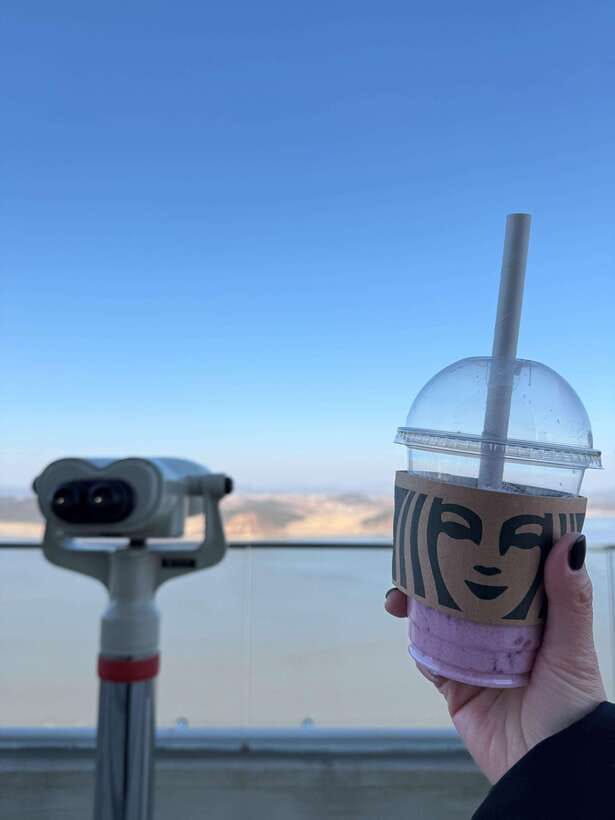
- Closest Starbucks to the DMZ view: coffee at the top floor of Aegibong Peace Park with North Korea in sight
- Aegibong Peace Park walks that make sense: Hill 154, themed gardens, and a clear route with time to look around
- Exhibition Hall window viewing: big front windows and video content about the Jogang River area
- Jogang Observatory photo time: an outdoor spot designed for distant views, about 1.4 km out
- A 112-meter suspension bridge moment: a short thrill through an otherwise peaceful setting
- Guide quality shows up: English commentary with engaging storytelling from guides like Eva, Crystal, Gogo, Hana, and Alex
What this Seoul-to-Aegibong trip really feels like
This is a DMZ-adjacent experience with training wheels: you get the “wow, you can actually see across” feeling, without the full-day grind that some longer DMZ tours demand. The big idea is simple. You spend time at Aegibong Peace Park and the nearby Jogang Observatory, then reward yourself with coffee at the Starbucks on the top floor.
Aegibong Peace Park also isn’t just scenery. It’s built around interpretation—there’s an exhibition hall with views out toward the river area and North Korea, plus videos that help you understand what you’re looking at. Then you move outdoors, where the park’s themed gardens and the suspension bridge add a little motion and air to the day.
This kind of half-day tour works especially well if you’re curious, but you don’t want to spend your entire daylight sitting in a bus.
You can also read our reviews of more tours and experiences in Seoul.
Price and logistics: what you get for $45
At $45 per person for a 5-hour tour, the value comes from the package: round-trip transportation, a live English-speaking guide, and all entrance fees. That’s a real timesaver in this area, where you don’t want to wrestle with planning each segment yourself.
The trade-off is also clear. Food and drinks aren’t included, so the Starbucks stop is more like a chance to buy your own coffee and take your time—rather than a built-in meal. If you’re the type who needs a proper lunch, budget for it before or after the tour, or plan to grab something during your free time.
You’ll also want to be ready with a passport, since it’s listed as required for the experience. For pickup, the tour offers multiple Seoul start options (including Myeong-dong and Hongik Univ. Station Exit 3), and the drop-off is at Hongik University Station Exit 4. In other words, it’s designed to be convenient for typical Seoul itineraries.
Aegibong Peace Eco Park: Hill 154, myths, and the slow walk with purpose

Your day starts in the Aegibong Peace Eco Park area, where the pace is built around walking, guided explanation, and scenic stops. This part is about 1.5 hours, and it’s not just a stroll through pretty grounds. Hill 154 is treated as more than a hill—it’s tied to stories and wartime history that shaped the area.
Here’s what makes this park stop worth your time: the park’s story gives meaning to the physical layout. The area originally called Ssukgatmeori Mountain (from the daisy-crown shape) sets a cultural tone, and the myth connected to the Governor of Pyeongan Province and Aegi during the Qing invasion of Joseon adds a layer beyond modern tourism. On top of that, the park also marks a strategic military point from the Korean War.
So even if you’re not into legends, the guide helps translate why this terrain is treated carefully. You’re walking through a memorial landscape, but it’s organized so you’re not overwhelmed.
The suspension bridge: the 112 meters that break up the heaviness
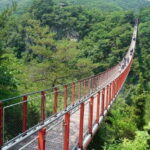
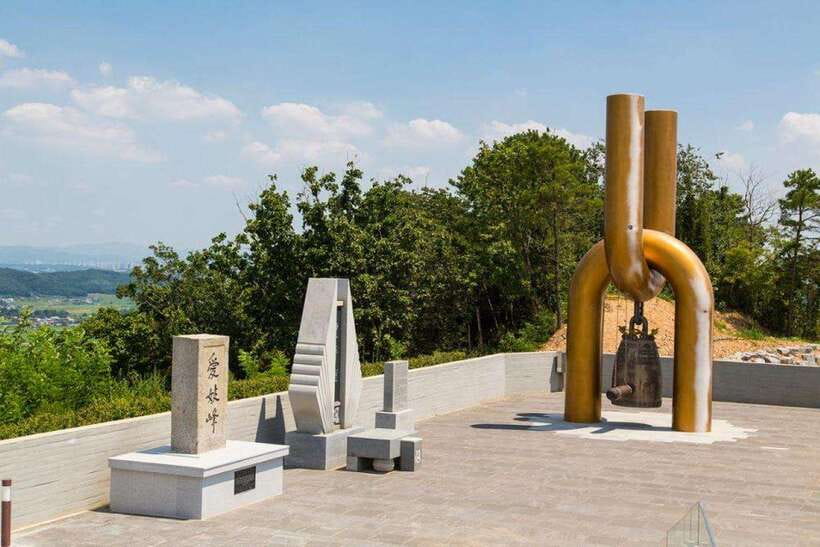
Aegibong Peace Park includes a 112-meter suspension bridge that connects the Themed Gardens to the Sky Forest Garden. That’s one of the more memorable, tangible “do something with your body” moments in the day.
Why it’s a smart stop: it gives you a brief change of pace without turning the tour into something silly. You’re still in a place designed for reflection, but the bridge adds movement and a few seconds of exhilaration—exactly the kind of contrast that helps the whole day feel balanced.
If you’re sensitive to heights, you might want to be cautious, since suspension bridges naturally involve exposure. Still, it’s not presented as an extreme activity—more like a designed viewpoint-and-walk feature within the park route.
Exhibition Hall viewing: the big windows and the Jogang River story
Next comes a more grounded way to look. The exhibition hall is where you get the structured background for what your eyes will do outdoors afterward.
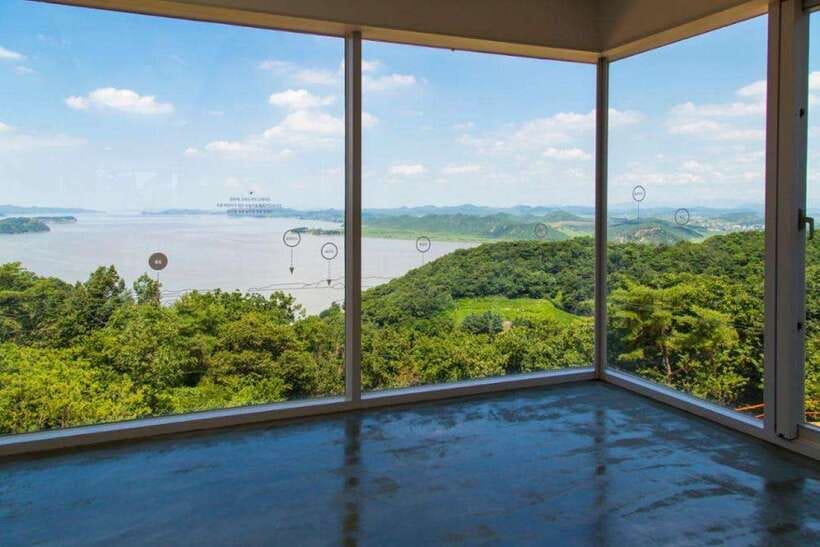
This stop matters because it turns vague “I saw North Korea” into something you can actually connect. From the exhibition hall on the second floor, you can view the Jogang River area through large front windows. There are also videos related to the Jogang River that explain the wider context behind the view.
The Jogang River story is a key part of the day. Jogang means a large river, and it flows downstream of the Hangang River system, where several rivers meet before reaching the West Sea. Before the Korean War, the area held a large village—around 100 households. After the 1953 ceasefire agreement designated the region as neutral waters at the Hangang River estuary, those villagers lost their homes and were scattered. In the decades afterward, fewer people visited, and the basin became a stronghold for ecosystems and protected species.
Even if you can’t fully process all of that in one sitting, it gives you a reason to look closely. The view isn’t just a postcard; it’s tied to displacement, borders, and a landscape that changed because of decisions made far away.

Jogang Observatory: 1.4 km away, with photo-stop energy
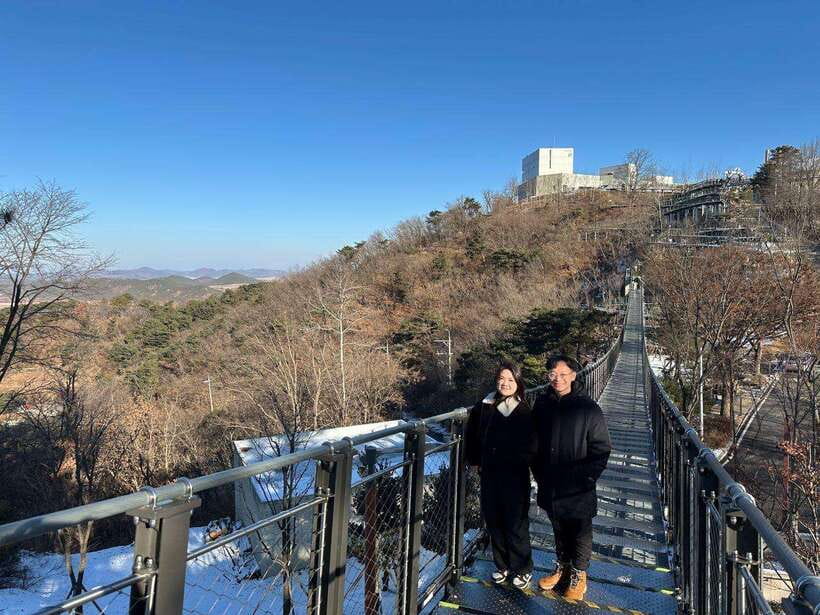
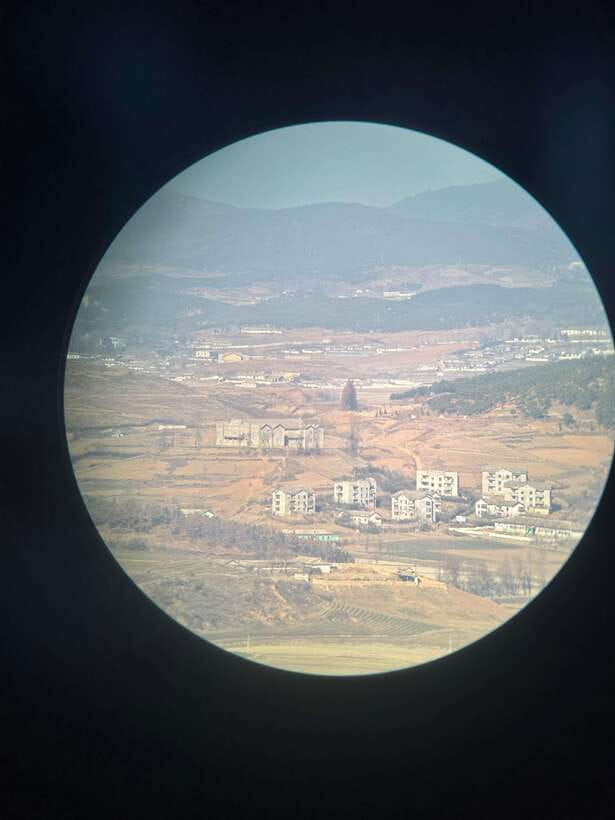
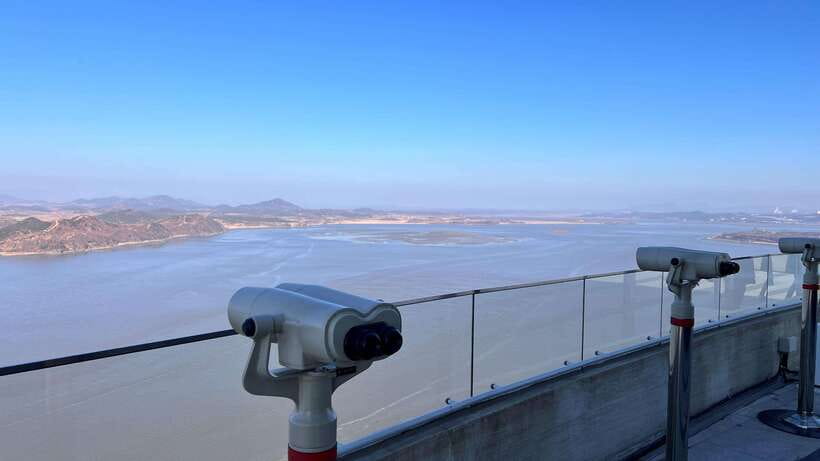
The outdoor portion is built for looking. The Jogang Observatory highlights the heartrending beauty of Gaepung-gun in North Korea from a distance of about 1.4 kilometers, described as the closest observatory setting for this specific view.
This is where your camera comes out, but also where your guide’s explanations really matter. Several guides are noted for making history understandable without turning it into a lecture. People also specifically mention having more than one way to look, including telescopes available at the observatory.
You can expect:
- Photo-stop time for framing shots
- Guided context before you wander your own angles
- Time to stand and study the distant side, even when the day is cloudy
Weather matters here. Even with cloudy or foggy conditions, the overall experience is still treated as worth it. The practical tip is to dress for cool, damp air, since outdoor observatories can feel colder than you expect.
Starbucks at the top floor: your coffee break with the North Korea view
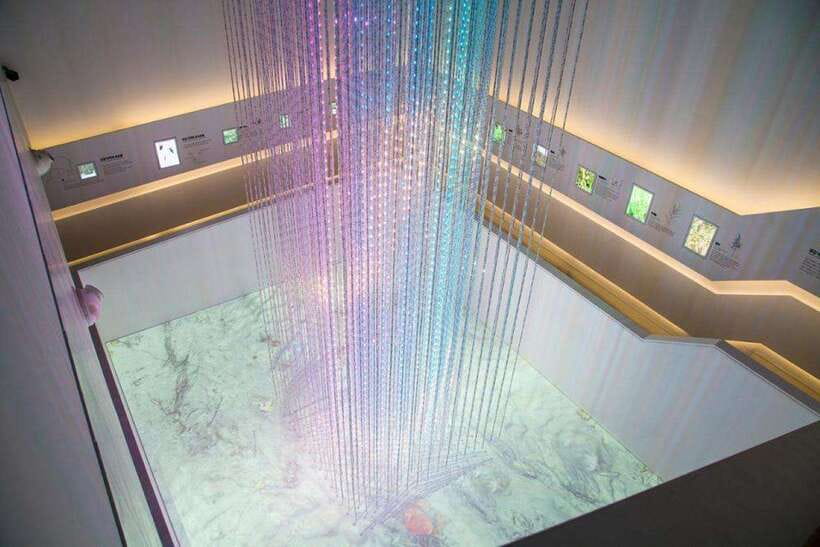
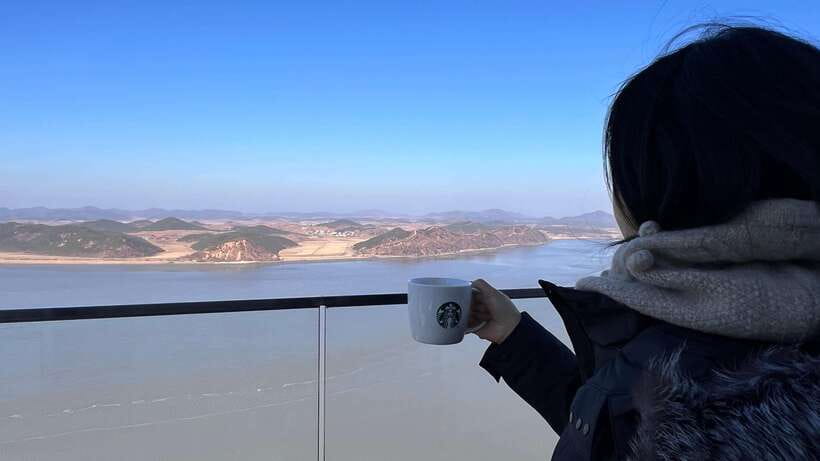
The Starbucks component isn’t an afterthought. The tour is built around it. The cafes are located on the top floor at the Aegibong Peace Park site, which means your coffee stop comes with a view.
This is a clever pairing. Many day trips to the DMZ region focus only on borders and politics. Here, the structure is different: you get a cultural place to reset your brain while still being in the same visual conversation with the river and the distant North Korea side.
A few practical notes for how to enjoy it well:
- Treat the coffee stop as part of the sightseeing, not just a caffeine transaction. Sit where you can see out through the areas you toured earlier.
- Since food and drinks aren’t included, decide in advance what you’ll buy so you don’t feel rushed when you’re ordering.
- If you’re a photo person, Starbucks time is often the moment you slow down and capture the views from a different angle.
If you’ve already visited another DMZ viewing spot, this can still be satisfying because the park’s architecture and exhibition setup create a distinct feeling from the typical bus-and-stand format.
Your guide makes it work: English, stories, and question time
This is one of those trips where the guide quality becomes the hidden value. The feedback pattern is strong: guides are described as engaging, fun, and skilled at explaining both historical issues and the current situation in a way that lands.
You’ll see names like Eva, Crystal, Gogo, Hana, Alex, Lina, Diana, Alice, Lily, Judy, Gaby, Ray, Kelly, and Yuna pop up repeatedly. The common theme is that guides don’t just read facts. They connect the view, the river, and the war history into a narrative you can follow—and they make room for questions.
Some tours in Korea tack on shopping or rush you through “the moment.” Here, the tone is described as low-pressure and focused on the viewpoints and learning. Many people also mention that pickup is easy and the timing feels well matched to a half-day schedule, so you’re back early enough to keep exploring Seoul afterward.
One more subtle benefit: when guides are comfortable with English and enjoy conversation, the trip feels less like a checklist and more like a guided walk with context. That’s the difference between seeing something once and actually understanding why it matters.
Who should book (and who might not)
This tour is a great fit if:
- You want a DMZ-adjacent view with a short time commitment (about 5 hours)
- You like guided context and not just photos
- You’re curious about the Jogang River and how the ceasefire reshaped local lives
- You enjoy a comfortable group outing with transportation handled
You might think twice if:
- You want a full, all-day DMZ program with deeper checkpoint stops throughout the day
- You don’t want to pay for drinks or snacks on your own
- You dislike structured historical discussion and prefer purely scenic tours
If you’re on a first trip to Seoul and want one “border view” experience without burning a whole day, this is an efficient choice. And if you’ve already done a traditional DMZ day, the Starbucks-at-the-park twist plus the Jogang Observatory focus can feel like a refreshing change of perspective.
Should you book the Aegibong Starbucks Observatory & DMZ View tour?
If your goal is one memorable, meaningful DMZ-region experience that fits into a half-day, I’d book it. The combination of Starbucks with North Korea sightlines, Aegibong Peace Park walks, exhibition explanations, and a dedicated observatory stop is a strong use of time. Plus, you’re getting transport, a live English guide, and entrance fees bundled into that $45 price.
Just go in with the right expectations: it’s not a food-included tour, and you’ll want your passport ready. If you can handle a bit of weather and you like learning while you look, this one tends to stick with you long after the coffee is gone.
FAQ
How long is the tour?
The tour duration is listed as 5 hours.
What is included in the $45 price?
Round-trip transportation, a tour guide (live, in English), and all entrance fees are included.
Do I need a passport?
Yes. A passport is listed as required.
Is the tour guide available in English?
Yes. The live tour guide is available in English.
Where do pickup and drop-off happen in Seoul?
Pickup options include Myeong-dong, Hongik Univ. Station Exit 3, and THE PLAZA Seoul, Autograph Collection. The finish point is Hongik University Station Exit 4, and the meeting point may vary depending on the option booked.
Is food included?
No. Food and drinks are not included.
What payment and cancellation options are available?
Free cancellation is available up to 24 hours in advance for a full refund. You can also reserve now and pay later.
Where is Starbucks located on this tour?
The Starbucks cafes are located at the top floor at Aegibong Peace Park, as part of the visit.