REVIEW · SEOUL
Tour Seoul’s oldest district with a storyteller from Bukchon
Book on Viator →Operated by Owl Tour · Bookable on Viator
Bukchon turns history into a street-level story. With a Bukchon-born storyteller, you walk from Joseon politics to the 1980s, with stops like Unhyeongung and quiet alleys that usually stay off the main tourist path. I love the guide’s inside perspective and the calm, not-rushed pace.
One thing to consider: it is an outdoor walking tour, and the recommendation is age 12+ for the best experience.
In This Review
- Key highlights at a glance
- Why Bukchon’s alleys feel like a time machine
- Price and value for a 2 to 3 hour small-group walk
- Your storyteller: a Bukchon native who links power to everyday streets
- Start at Anguk Station: what to expect from the route flow
- Stop 1: Unhyeongung and the Joseon royal succession twist
- Stops 2–4: Cafe Onion Anguk, Yangban hanoks, and Seokjeong Boreum Well
- Cafe Onion Anguk: architecture you can read by age
- Bukchon Traditional Culture Center: Yangban hanoks in context
- Seokjeong Boreum Well: wells as memory and history
- Stop 5: Choong Ang High School beyond Winter Sonata
- Stops 6–7: Samcheongdong/Bukchon feng shui politics, then Bukchon Hanok Village
- Samcheongdong / Bukchon: feng shui, land, and power shifts
- Bukchon Hanok Village: the 1920s–30s turning point
- The Plus Tour: traditional Korean handicraft you can add on
- Who this tour fits best (and who might want a different plan)
- What makes it different from the usual Bukchon “checklist” tour
- Should you book the Bukchon Storytelling Tour?
- FAQ
- What is the duration of the Bukchon storytelling tour?
- Where does the tour start?
- What time does the tour start?
- Is the tour private?
- What is included in the price?
- What is not included?
- Are the attraction stops ticketed?
- Is the tour suitable for children?
- Does it include a mobile ticket?
- What if the tour doesn’t run?
Key highlights at a glance
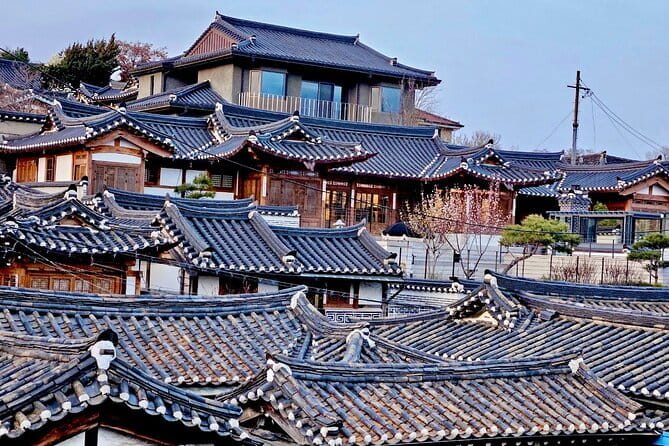
- Bukchon-born storyteller: the person talking to you grew up in the neighborhood and ties past to daily life
- Joseon to the 1980s: you get a long timeline, not just one dynasty or one photo spot
- Unhyeongung’s succession twist: a royal childhood story tied to real power shifts
- Feng shui and the politics of land: you’ll understand why places were chosen and how influence moved
- Hanok culture stops: hanoks from the Yangban world plus today’s Bukchon Hanok Village
- Optional Plus Tour craft: a traditional Korean handicraft experience if you add it
Why Bukchon’s alleys feel like a time machine
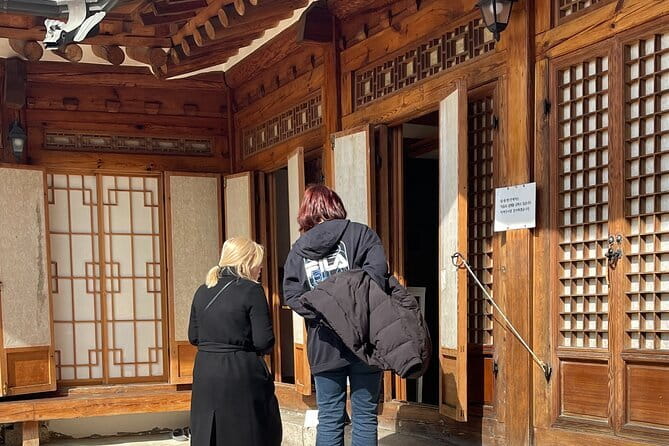
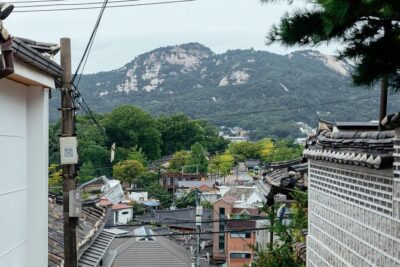
Bukchon can look like a postcard from the outside: neat roofs, narrow lanes, calm corners. The real magic here is how the storyteller teaches you to read the neighborhood like a living document. Instead of hopping from landmark to landmark, you slow down and learn what happened there, who benefited, who lost power, and how ordinary life sat inside those big events.
What makes this tour particularly satisfying is the human angle. You’re not listening to a script that could work anywhere. The stories connect architecture, class, government, and everyday routines. That adds up fast: you start noticing details on the buildings that you’d normally walk right past.
You can also read our reviews of more tours and experiences in Seoul.
Price and value for a 2 to 3 hour small-group walk
At $39.20 per person for a 2 to 3 hour experience, this tour fits well if you want something meaningful without a huge budget hit. You’re paying for a real guide with local roots, plus guided time in a compact area where history is literally around you.
A few value factors matter here:
- It’s private for your group, so the pace and attention can feel less crowded.
- You get a mobile ticket, which makes day-of life easier.
- Group discounts can lower your per-person cost if you’re traveling with friends or family.
The main reason I see good value is the stop selection. These aren’t only the obvious photo spots. You also visit places tied to royal succession, hanok class life, wells, and the way influence and land shaped Bukchon.
Your storyteller: a Bukchon native who links power to everyday streets
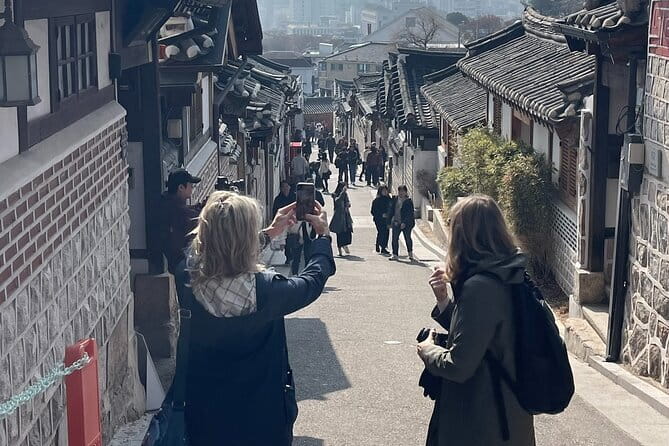
The guide is a storyteller born and raised in Bukchon, and their background includes filmmaking and university screenwriting. That matters more than you might think. Storytelling from a filmmaker’s brain tends to be structured, visual, and easy to follow—even when the topic is Joseon-era politics or feng shui.
In practice, the tour style comes through as engaging and personable. You’ll hear fun facts, but also personal insights tied to how the neighborhood feels in real life. Past groups also reported that the guide answers questions well and keeps the pace relaxed, with time to absorb what you’re seeing.
Start at Anguk Station: what to expect from the route flow
The tour starts at Anguk Station Exit 4 in Jongno District (Unni-dong). It’s scheduled for 10:00 am, and the ending location is different from where you begin. That last detail is useful to know: plan your next activity with some buffer, since you won’t finish back at the subway entrance you used in the morning.
The tour is designed as a walking circuit through Bukchon. Expect outdoor time and street-level terrain. The tour lists moderate physical fitness as a guide requirement, and it explicitly recommends age 12 and up, since children 12 and under may find the storytelling walk challenging.
Stop 1: Unhyeongung and the Joseon royal succession twist
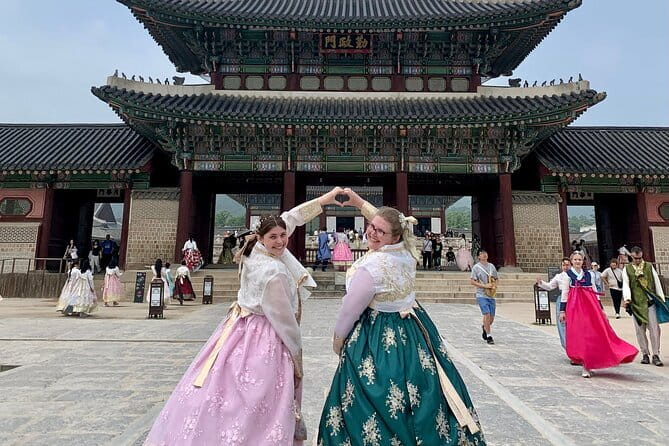
You kick off at Unhyeongung, where the story starts with a crisis. When a king dies without a crown prince, an 11-year-old royal boy—born and raised here—becomes the 26th king of Joseon. Then the timeline keeps moving: for the next 10 years, his father would rule the country from this location.
This stop works because it gives you a power framework. After Unhyeongung, the rest of the tour makes more sense. You’re no longer just seeing old buildings. You’re watching the neighborhood’s role in national decision-making.
One practical tip: since this is the first stop, you’ll get the most out of it if you arrive a few minutes early. You’ll have a calmer start, and you can focus on the backstory before the walking starts to add motion.

Stops 2–4: Cafe Onion Anguk, Yangban hanoks, and Seokjeong Boreum Well
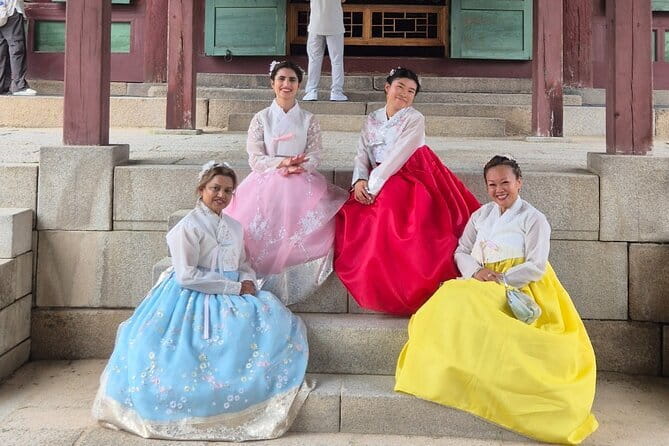
After Unhyeongung, you shift into smaller, more atmospheric learning moments.
Cafe Onion Anguk: architecture you can read by age
At Cafe Onion Anguk, the point isn’t coffee. It’s the architecture and what its layering suggests about time. You’ll look at structures tied to different eras—described as 600, 100, and 50 years old—and learn how the stories attached to those spaces connect to the present-day feel of Bukchon.
Bukchon Traditional Culture Center: Yangban hanoks in context
Next is the Bukchon Traditional Culture Center, where you learn about and appreciate hanoks associated with the Yangban, the ruling class who typically lived in Seoul. This stop helps you understand that “hanok” is not a single look. It’s a reflection of class, lifestyle, and rules about how people lived day to day.
If you like architecture, this is one of the most grounding stops. You’ll likely start comparing what you see around you afterward—shape, layout, and how people used the space.
Seokjeong Boreum Well: wells as memory and history
Then you visit Seokjeong Boreum Well, and the guide turns to something personal: stories you might have heard as a child and what history reveals about them. It’s a clever way to do two things at once—bring folklore into the conversation, then test it against what’s known.
This is one of those stops that can feel small on paper, but it sticks. Wells are practical infrastructure. When you learn their story, you start seeing the neighborhood’s old routines: water access, daily survival, and why certain sites mattered.
Stop 5: Choong Ang High School beyond Winter Sonata
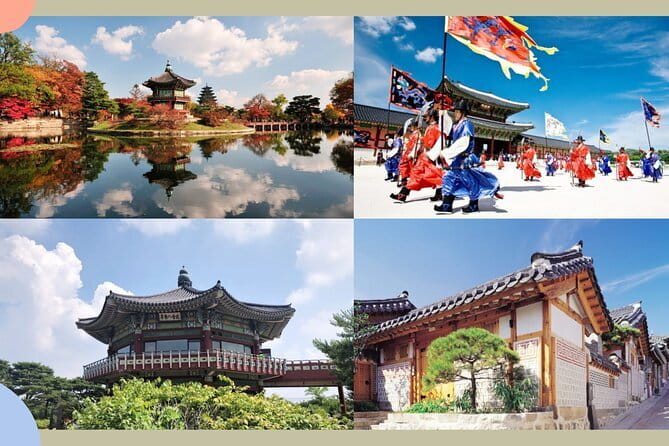
You then reach Choong Ang High School, widely known because it’s been used for filming, including Winter Sonata. The tour uses that pop-culture connection as a doorway to something deeper: the school is also tied to history—an important space that helped shape Korea into the country it is today.
I like this stop because it avoids the trap of being purely nostalgia. You’re not just ticking off a filming location. Instead, you learn how institutions and education contributed to broader change.
If you’re a drama fan, you’ll recognize the vibe. If you’re not, it still works because the guide explains why the place mattered long before the cameras arrived.
Stops 6–7: Samcheongdong/Bukchon feng shui politics, then Bukchon Hanok Village
The later part of the tour zooms out and then zooms back in.
Samcheongdong / Bukchon: feng shui, land, and power shifts
At Samcheongdong / Bukchon, you trace the dramatic rise and fall of powerful politicians and business tycoons who once held land in this district. The tour ties it to a big reason Bukchon mattered: it was selected as capital territory using feng shui principles, and it was revered as an auspicious site.
This is where you start understanding Bukchon as a system, not just a neighborhood. When land is chosen under a belief system about fortune, it affects who gains power and how they justify it. You’ll likely come away seeing why certain streets feel important even if you can’t explain them at first glance.
Bukchon Hanok Village: the 1920s–30s turning point
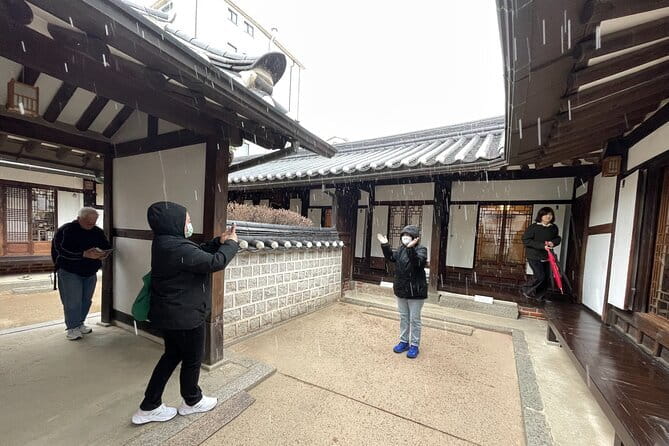
Finally, you reach Bukchon Hanok Village. Here, the story centers on the man who changed the face of Bukchon in the 1920s and 30s. That time period matters because it’s not just “old Korea.” It’s the bridge between older Joseon-era patterns and the pressures that modern Korea would face next.
This last stop is a strong closer because it lets you connect what you learned earlier to how Bukchon evolved. You’re walking out with a timeline in your head: royal power, class life, everyday infrastructure, and later transformations.
The Plus Tour: traditional Korean handicraft you can add on
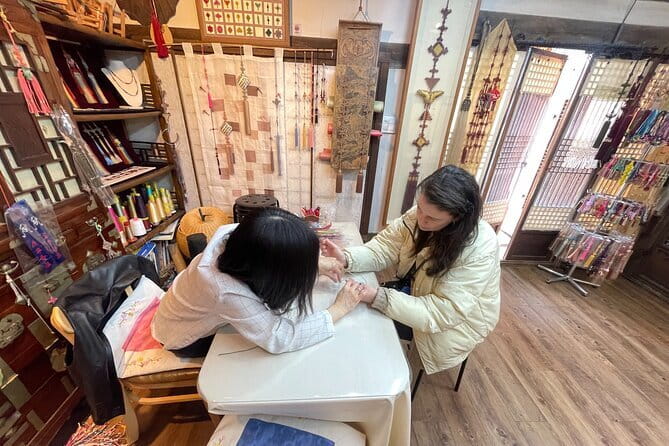
The standard tour includes the professional guide from Bukchon, and the traditional Korean handicraft experience is available with the Plus Tour option only.
If you’re choosing between the two, I’d think about your travel style:
- Pick the Plus Tour if you enjoy hands-on learning and like getting something tangible at the end.
- Stick with the base tour if you’d rather keep time moving through the streets and focus on the storytelling.
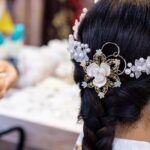
Some past groups mentioned making a traditional item such as hopae tags during the hands-on portion. If that sounds like your kind of souvenir, the Plus Tour is worth a look.
Who this tour fits best (and who might want a different plan)
This is best for you if you:
- Want a story-led way to understand Bukchon, not just photos
- Like connections between architecture and history
- Enjoy history that moves through time, from Joseon to more modern eras
It’s not the best match if:
- You need a fully relaxed, minimal-walking outing. The tour is outdoors and requires moderate fitness.
- You’re traveling with children under 12. The tour recommends 12+ for the best experience.
Also, because the tour ends in a different location, it’s easiest to schedule with flexible time afterward.
What makes it different from the usual Bukchon “checklist” tour
Many Bukchon tours skim surfaces. This one builds understanding step by step, starting with political power at Unhyeongung, then moving into class life through hanoks, then adding infrastructure with wells, and finally layering in education and feng shui-linked influence.
That approach pays off because you leave with a mental map that feels logical:
- Where power started and how it transferred
- How ruling class life shaped space
- Why certain locations carried meaning beyond looks
- How popular culture locations can still connect back to deeper history
Should you book the Bukchon Storytelling Tour?
Yes, I’d book it if you want a guided walk that makes Bukchon feel like Seoul’s story, not just Seoul’s scenery. At $39.20, you’re getting a long-format narrative in a compact area with a guide who brings real local perspective.
Two quick decision checks before you go:
- If you’re traveling with people who don’t do well on walking tours, consider whether the outdoor pace and age 12+ recommendation fit your group.
- If your schedule is tight, keep an eye on timing since the tour may require at least 2 participants to run.
If you’re the type of traveler who enjoys figuring out how a place works, not just how it looks, this is exactly your kind of morning in Seoul.
FAQ
What is the duration of the Bukchon storytelling tour?
It lasts about 2 to 3 hours.
Where does the tour start?
The meeting point is Anguk Station Exit 4 in Unni-dong, Jongno District, Seoul.
What time does the tour start?
The start time listed is 10:00 am.
Is the tour private?
Yes. It’s a private activity, and only your group participates.
What is included in the price?
The tour includes a professional guide from Bukchon. The traditional Korean handicraft experience is available with the Plus Tour option.
What is not included?
Travel insurance, hotel pick-up service, personal expenses, and coffee and/or tea are not included.
Are the attraction stops ticketed?
The planned stops are listed with admission tickets as free.
Is the tour suitable for children?
It’s recommended for participants aged 12 and above. The storytelling walking tour may be challenging for children aged 12 and under.
Does it include a mobile ticket?
Yes. The tour includes a mobile ticket.
What if the tour doesn’t run?
The tour may be canceled if fewer than 2 guests join. You can also cancel up to 24 hours in advance for a full refund.