REVIEW · SEOUL
Discover Round Korea in 7days: All-Inclusive Experience
Book on Viator →Operated by Hanatour ITC (하나투어 아이티씨) · Bookable on Viator
Korea in a week, minus the planning. This Round Korea in 7 days tour stitches together UNESCO sites, hanok village culture, coastal seafood energy, and national-park scenery, all under one all-inclusive schedule. I really like that entrance fees and most meals are handled for you, and I also like the hands-on moments like hanbok time in Jeonju and a tea conversation at Baekyangsa Temple. The only real drawback is a fixed route with no shopping, so you won’t be stopping on a whim.
I found the group setup refreshingly practical: a maximum of 35 people, a guide who keeps things organized (my favorite guide name I heard was Jay), plus an A/C vehicle that takes the heavy lifting out of transit. You’ll also have at least one wellness stop arranged through the Korea Tourism Organization, which helps break up the day and keeps the program from feeling like nonstop sightseeing.
In This Review
- Key highlights worth getting excited about
- What You’re Signing Up For in This Seoul-to-Seoraksan Week
- Price and Value: What $1,970 Buys You Over 7 Days
- Day 1 in Gongju: UNESCO Fortresses and Royal Tomb Crafts
- Day 2 in Jeonju: Hanok Streets, Hanbok Time, and Baekyangsa Tea
- Day 3: Boseong Green Tea Terraces and Suncheon Bay Wetlands
- Day 4 in Busan: UN Memorial, Jagalchi Market, and Songdo Views
- Day 5 in Gyeongju: APEC House, Bulguksa, Tombs, and Cheomseongdae
- Day 6: Korean Dessert-Making and Andong Hahoe Folk Village
- Day 7 Finale at Seoraksan: Jujeongol Valley and Mountain Air
- Who This Tour Is Best For (and Who Might Want Something Else)
- Should You Book This Round Korea in 7 Days Tour?
- FAQ
- Where does this tour start and what time?
- Where do you end the tour?
- How long is the tour?
- Is this an all-inclusive tour?
- What meals are included?
- What about entrance fees?
- How large are the groups?
- Is there any guidance on physical requirements?
- What happens if weather is bad?
- Can I cancel for a refund?
Key highlights worth getting excited about
- All entrance fees covered for the sites listed across the route
- UNESCO-heavy days from Gongju’s fortress to Gyeongju’s royal tombs
- Hands-on Korean culture including hanbok experience, tea conversation, and traditional dessert making
- Local-food reality with time at Jagalchi Market in Busan
- National park finale in Seoraksan’s Jujeongol Valley
- Tight meeting point in Seoul at AMID Hotel Seoul, start 8:00 am and return there
What You’re Signing Up For in This Seoul-to-Seoraksan Week
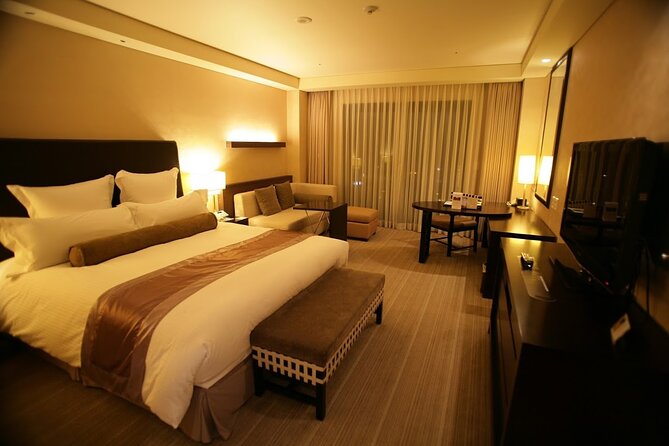
This isn’t a free-for-all, pick-what-you-want tour. It’s a full itinerary that runs day after day, with a single team handling the logistics. That’s a big plus if you want your trip to feel smooth instead of a constant stream of tickets, directions, and last-minute decisions.
The route makes sense for a “first time in Korea” visit. You start in the Gongju/Jeonju axis, move down through green tea and wetlands, pop over to Busan’s coast, then continue into Korea’s ancient capitals in Gyeongju and Andong. You end with a proper outdoor day in Seoraksan National Park. If you like variety, this works.
Physically, you should plan on a moderate fitness level. Many stops are about an hour or two, but fortresses, tomb complexes, and park viewpoints can involve walking over uneven ground. You’ll have an easier time if you bring comfortable shoes and don’t treat every stop like a museum stroll on level marble.
You can also read our reviews of more tours and experiences in Seoul
Price and Value: What $1,970 Buys You Over 7 Days
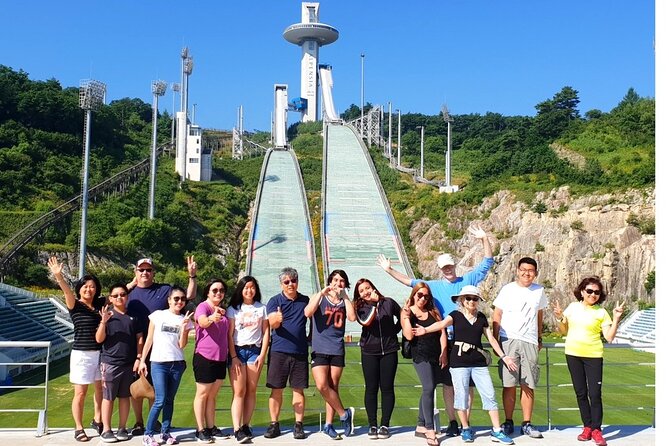
At $1,970 per person, you’re paying for a lot more than sightseeing. You’re covering:
- 6 nights in twin/double rooms (with air-conditioned comfort)
- A/C transportation across long-distance days
- An English-speaking guide (or driver-guide)
- Entrance fees for the listed stops
- Meals: breakfast (6), lunch (7), dinner (6)
- A welcome kit, plus mobile ticket support
Here’s the value logic that matters: if you had to do this route on your own, you’d spend real money just on hotels, long transfers, and multiple admissions. Even without pricing every line item, this package is aimed at removing the usual “DIY math” headache. For many people, that trade-off feels worth it—especially when the itinerary includes several UNESCO sites and guided cultural moments, which are hard to replicate easily without planning.
The flip side is flexibility. A set schedule means you can’t pivot if the weather is perfect in one place and you want extra time there. The tour does note it depends on good weather, so on rare days you may see schedule adjustments.
Day 1 in Gongju: UNESCO Fortresses and Royal Tomb Crafts
You start the week at AMID Hotel Seoul (38 Insadong 5-gil, Jongno District) with an 8:00 am departure. After heading toward Gongju, your first stop is Gongsanseong Fortress, a UNESCO World Heritage Site (designated in 2015). Fortress sites in Korea aren’t just about old stones—they’re about the way the builders used terrain. Expect uphill walking and wide viewpoints when the air is clear. It’s a great “first day wow,” especially if you’re arriving with energy.
Next comes Songsan-ri Tombs and the Royal Tomb of King Muryeong. This royal tomb is known for its brick-built burial style, and that detail matters. It helps you see the craftsmanship behind the site, not just the fact that it’s ancient. If you like artifacts and real material evidence, this stop is the right kind of history.
Then you close the day at Gongju National Museum, which holds around 10,000 cultural artifacts. A museum stop after an outdoor site is smart pacing. You get context for what you just saw, and you can refocus the story into something you can actually remember.
Practical note: day one is often where you feel the schedule most. Bring water, wear grip-friendly shoes, and don’t plan to treat this as a casual stroll day.
Day 2 in Jeonju: Hanok Streets, Hanbok Time, and Baekyangsa Tea
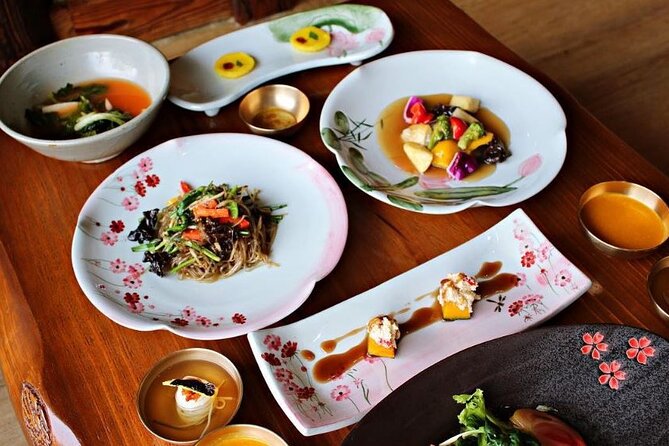
Jeonju is one of the best places in Korea for slowing down without falling behind. You begin with the Jeonju Hanok Village, exploring the area around the Gyeonggijeon Shrine. The village includes more than 800 traditional hanok houses, which means you’re not just looking at one pretty street. It’s a whole lived-in architectural world—calm enough to let you notice details.
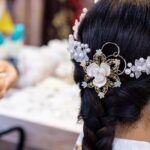
You also get a hanbok experience in/around the Hanok Village area. Wearing hanbok here is extra fun because the setting was built for it: you’ll be walking through the same kind of lanes and courtyards that shaped daily life centuries ago. It’s a straightforward activity, but it often becomes the photos people remember most later.
From there, the itinerary returns to the Gyeonggijeon Shrine, erected in 1410, and connected to the portrait of King Tae-jo, founder of the Joseon Dynasty. You don’t have to be a Korea-history superfan to appreciate it. The experience helps you connect the architecture and the cultural identity to a real historical timeline.
Then you go to Baekyangsa Temple. What I like here is the quieter shift in tone. You join a tea conversation with a Buddhist monk, which gives you a different angle on Korean spirituality—less performance, more calm explanation. It’s not a “religion tour.” It’s a human moment tied to practice.
If you’re someone who gets restless in highly scripted tours, day two is still structured—but it gives you room to breathe inside the village atmosphere.
Day 3: Boseong Green Tea Terraces and Suncheon Bay Wetlands
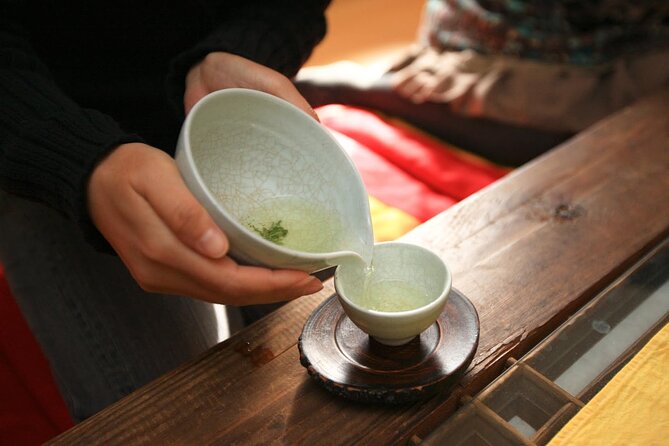
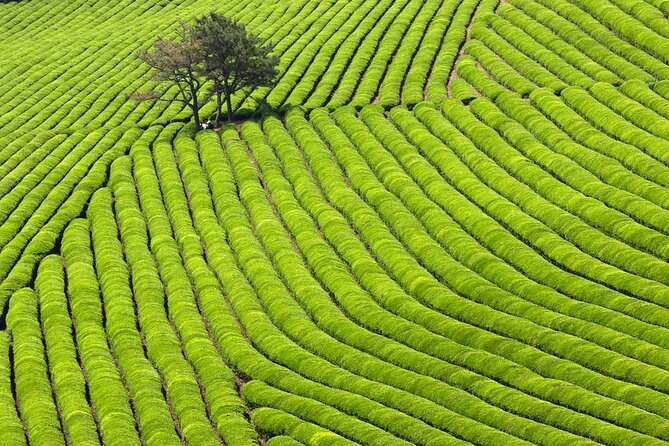
Day three starts in Boseong Green Tea Field (Daehan Dawon), described as the largest green tea field in Korea. If you’ve only seen green tea in cups and packages, this makes the ingredient feel real. Walking between terraced rows is also a good reset from cities and temples.
Then you head to Suncheon Bay Wetland Reserve, where the river meets the sea. The tour frames it as one of the world’s top five wetlands and a sanctuary for more than 250 species. Even if you don’t spot a specific bird on your route, the wetland setting changes your sense of scale. It’s a calmer kind of nature experience compared to rocky mountain parks.
The main drawback to keep in mind: wetlands and outdoor areas can depend on conditions. If it’s hot, you’ll feel it. If it’s raining, some paths might be less comfortable. Pack a light layer, even in warmer months, and plan for the reality that “outdoor” still means variable weather.

Day 4 in Busan: UN Memorial, Jagalchi Market, and Songdo Views
You begin day four in Busan with the UN Memorial Cemetery, a solemn site dedicated to UN soldiers who died during the Korean War. The tour notes about 2,300 graves, arranged by nation. This stop can be emotionally heavy, but it’s also one of the most meaningful moments in the week because it grounds the trip in real modern history, not just ancient monuments.
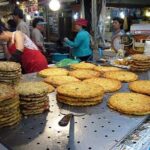
Then it’s back to energy at Jagalchi Market, Busan’s iconic fish market. This is where you get a real pulse check on daily life. Plan to browse slowly. Seafood culture here is fast-paced, loud, and visual, and your guide can help you figure out what’s worth trying based on what’s on offer.
The day ends with the Songdo Cable Car, about 1.6 km from Songdo Beach Station to Songdo Sky Park. A cable car ride adds a little “effort-to-view payoff.” You’re not climbing peaks, but you still get wide coastal perspectives.
Timeline note: busan days can feel long because you’re combining a reflective site, a food market, and a viewpoint ride. If you’re sensitive to long schedules, day four is where you’ll want to pace yourself—snacks help.
Day 5 in Gyeongju: APEC House, Bulguksa, Tombs, and Cheomseongdae
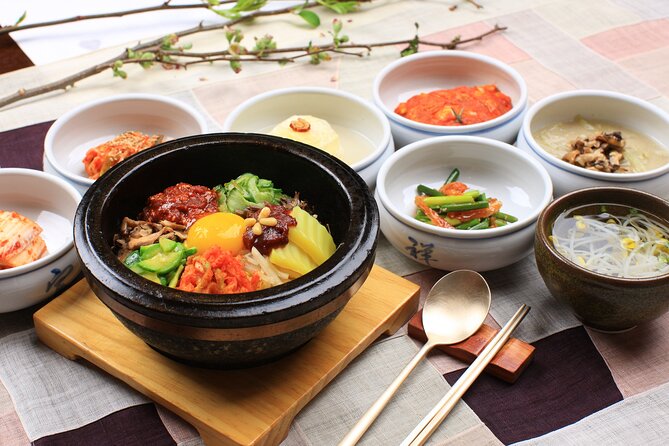
Gyeongju is often called a treasure chest of Korean history, and this tour treats it that way across multiple stops.
You start with Nurimaru APEC House on Dongbaekseom Island, known as the venue of the 2005 APEC Summit. This is a modern Korea anchor inside a week that’s otherwise ancient-heavy. Even if you don’t care about diplomacy, the building’s glass-and-modern feel gives your eyes a break before the UNESCO temples.
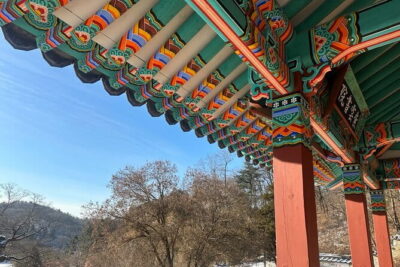
Next you visit Bulguksa Temple, a UNESCO World Heritage Site. A temple stop works best when you let your brain slow down. Look at proportions, the way stone and wood are placed, and how the grounds feel like a designed experience.
Then it’s on to Daereungwon Tomb Complex, where large royal burial mounds and relics like elaborate gold crowns are part of the story. This is royal-power history in physical form. It helps you understand why Silla-era craftsmanship mattered so much.
After tombs, the day continues at Gyeongju National Museum with iconic Silla artifacts, including golden crowns and other masterpieces. Museums matter on days like this because the outdoor scale can blur details. Here, you can reconnect the dots.
Finally, you end at Cheomseongdae Observatory, an ancient astronomical structure. The tour notes it’s a shorter stop, but that’s a good call. Standing there gives you a sense of how people in the past watched the sky for meaning and timing.
Day 6: Korean Dessert-Making and Andong Hahoe Folk Village
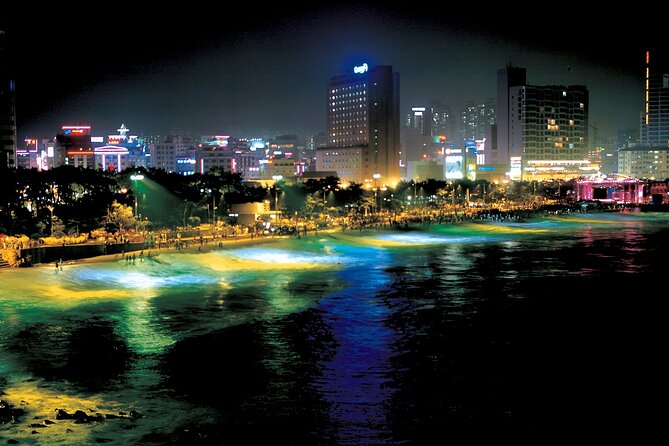
Day six is where the tour adds something playful and practical: Momyeongjae. You’ll join a Korean traditional dessert-making experience at a Korean Traditional Culture Center, guided by expert instructors. The exact dessert name isn’t fully spelled out in the tour details you provided, but the core idea is clear: you learn, you make, and you get something you can enjoy afterward. For me, this kind of activity is one of the best ways to turn travel into memory.
Then you move to Andong Hahoe Folk Village, a UNESCO World Heritage Site with more than 600 years of history. The village is described as one of Korea’s best-preserved traditional villages and remains a living cultural landscape. Even if you don’t linger for every small structure, the overall layout helps you understand how community and culture lived together.
One consideration: village days require patience. You might want photos, but you also need time to watch how the place works without turning it into a photo sprint. If you’re rushing through at the same pace as monuments, you’ll miss what makes it special.
Day 7 Finale at Seoraksan: Jujeongol Valley and Mountain Air
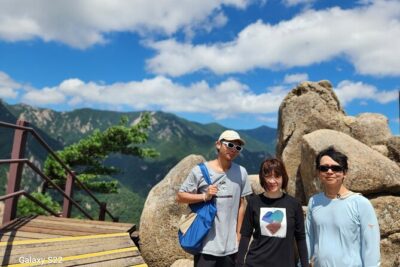
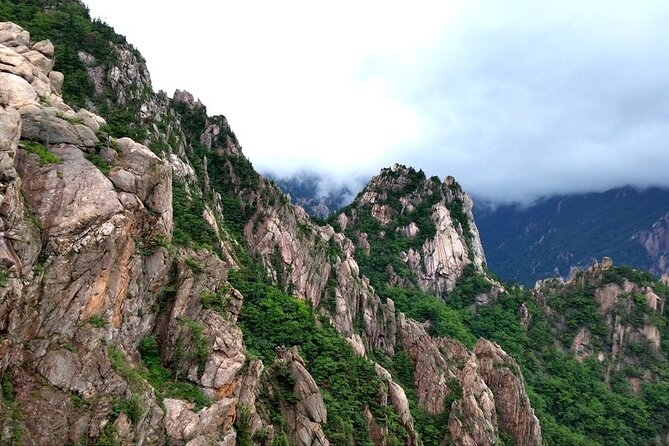
Your final day takes you to Seoraksan National Park, starting with mornings in Pyeongchang and then heading to Jujeongol Valley. The tour describes Seoraksan’s dramatic rock formations, soaring peaks, and crystal-clear streams.
This ending choice is smart. After days of history and cultural sites, you finish with nature in a setting that feels active and alive. It’s a good reset for your body after a week of walking around temples, tombs, and markets.
The tour notes that the Seoraksan admission is free for this day. That’s nice, but what you should really think about is comfort: park days can involve steps and uneven paths. Bring shoes you can trust, and go slow at the start while your legs adjust.
You end the tour back at the meeting point in Seoul, returning to the same place where you started.
Who This Tour Is Best For (and Who Might Want Something Else)
This tour is a strong match if:
- you want a structured week that covers Seoul-area history down to Busan and back up through mountain country
- you like UNESCO sites and guided context (instead of wandering blindly)
- you enjoy cultural activities you can do with your hands, like hanbok and dessert-making
- you’d rather spend your energy on experiences than on transportation math
It’s less ideal if:
- you want lots of free time to wander off-schedule
- you hate group pacing or prefer to move at your own speed
- you’re looking for shopping as a trip highlight (this one is explicitly no shopping)
Should You Book This Round Korea in 7 Days Tour?
Yes, if your priority is value + variety with a single team managing the heavy lift. The pricing looks reasonable when you factor in 6 nights of lodging, multiple guided stops, lots of entrance fees, and meals almost every day. The itinerary also avoids getting stuck in one type of attraction—history, culture, food, and nature all show up.
If you’re the kind of traveler who wants control and spontaneity, consider passing or choosing a more flexible option. This tour rewards people who can enjoy a set plan and trust the route.
My practical advice: pack comfortable shoes, keep a small day-bag for water/snacks, and approach each day like a chapter. Gongju sets the history tone. Jeonju brings culture and fun. Busan adds food and modern Korea. Gyeongju and Andong deepen the story. Seoraksan gives you that last breath of mountain air.
FAQ
Where does this tour start and what time?
It starts at AMID Hotel Seoul, 38 Insadong 5-gil, Jongno District, Seoul, South Korea, with a start time of 8:00 am.
Where do you end the tour?
This activity ends back at the meeting point (the AMID Hotel Seoul).
How long is the tour?
The tour duration is about 7 days.
Is this an all-inclusive tour?
It is described as having no options and no shopping, with entrance fees included and meals provided during the trip. A welcome kit is also provided.
What meals are included?
Breakfast is included for 6 days, lunch for 7 days, and dinner for 6 days.
What about entrance fees?
Entrance fees for all listed sites are included, and the tour specifies that admission tickets are included for many stops.
How large are the groups?
The tour has a maximum of 35 travelers.
Is there any guidance on physical requirements?
Travelers should have a moderate physical fitness level.
What happens if weather is bad?
The tour notes it requires good weather; if canceled due to poor weather, you’ll be offered a different date or a full refund.
Can I cancel for a refund?
You can cancel up to 6 days in advance for a full refund. Different refund percentages apply depending on how close to the start time you cancel.