REVIEW · SEOUL
Seoul: Korean Cooking Class with Local Grocery Shopping
Book on GetYourGuide →Operated by Seoul Foodventure · Bookable on GetYourGuide
Cooking in Seoul starts at the market. This class pairs Mangwon Market shopping with hands-on cooking, so you leave with food you can actually make again. You’ll learn three iconic dishes—bulgogi, gyeran-jjim, and kimbap—with an English-speaking instructor in a small group setting.
I especially like how the market part feels like real daily life. Mangwon Market has more locals than the tourist-heavy Gwangjang area, and it’s the kind of place you can imagine using as a go-to grocery stop back home. The hosts I met (Phoebe and Rachel) kept things friendly and straightforward, even when you had zero kitchen confidence.
One thing to consider: the market tour is only available for morning classes, so if you want that shopping segment, check the schedule first. Also, wear comfortable shoes since you’ll walk around the market.
In This Review
- Key highlights that make this Seoul food class worth it
- Finding the studio near Mangwon Market (and why it’s easy)
- Mangwon Market grocery shopping with real locals
- The cooking class runs in small groups (and that’s the secret sauce)
- Bulgogi: marinated beef, taught as a home-style process
- Gyeran-jjim: the steamed egg that teaches patience
- Kimbap rolling: a hands-on skill with picnic value
- What’s included: ingredients, meal, drinks, and take-home recipes
- Price and value: why $89 makes sense for this format
- Who should book this Seoul cooking class
- Should you book Seoul Foodventure for bulgogi, gyeran-jjim, and kimbap?
- FAQ
- FAQ
- What dishes will I learn to cook?
- Is the market tour included?
- Is the market tour available every day?
- How long is the cooking class?
- Where is the meeting point?
- What language is the instruction?
- What size is the group?
- Is this class wheelchair accessible?
- What should I wear?
- Can I get a refund if my plans change?
- Are any drinks included?
Key highlights that make this Seoul food class worth it
- Mangwon Market ingredient shopping that feels local, not tour-oriented
- Three teachable dishes you can reproduce later: bulgogi, gyeran-jjim, kimbap
- Beginner-friendly instruction in English, with a small group size (up to 8)
- A proper meal included (lunch or dinner), plus drinks and a recipe booklet
- Optional cultural payoff: leftover kimbap and a picnic idea near the Han River
Finding the studio near Mangwon Market (and why it’s easy)
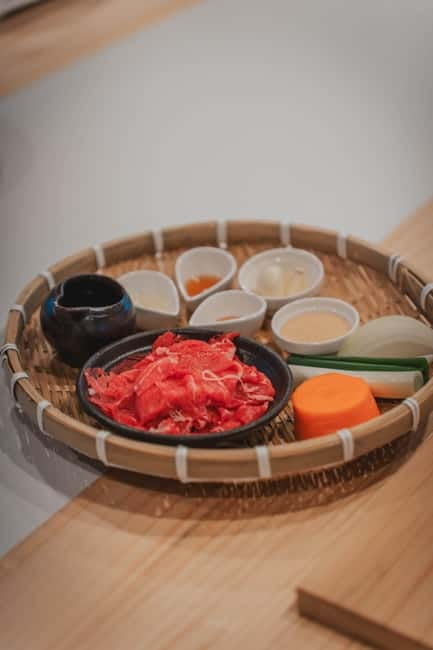
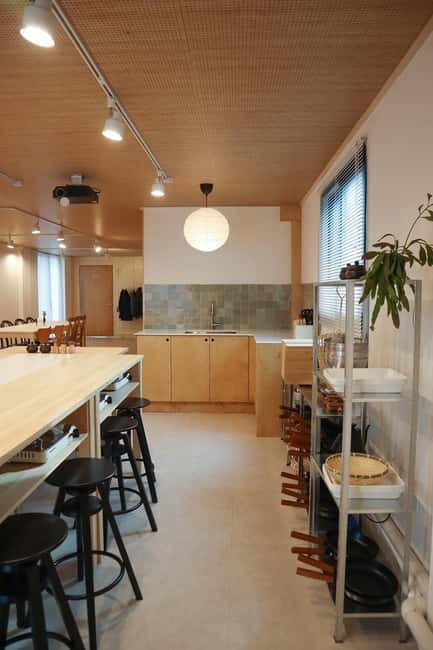
Your meeting point is a cooking studio at 4th floor, 8, World Cup-ro 13-gil, Mapo-gu, Seoul. The good news is you can find it quickly by searching Seoul Foodventure on Google or Naver, which saves time when you’re navigating Seoul for the first time.
It’s also close to Mangwon Station Exit 2, with the studio described as steps away from Mangwon Market. That matters because you’ll lose less energy commuting and more energy doing the fun part: shopping, cooking, and eating. Hongdae is also nearby, so even if you’re using this class as an anchor activity, you won’t feel stuck in one neighborhood all day.
You can also read our reviews of more shopping tours in Seoul
Mangwon Market grocery shopping with real locals
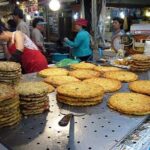
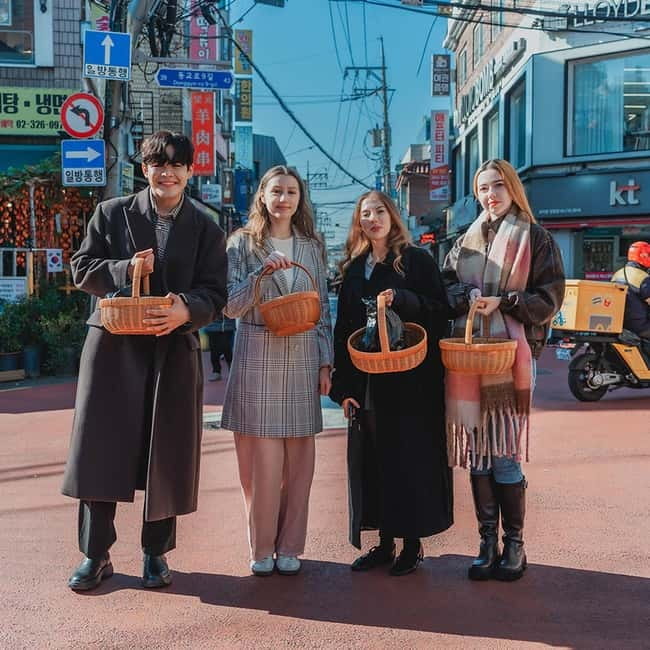
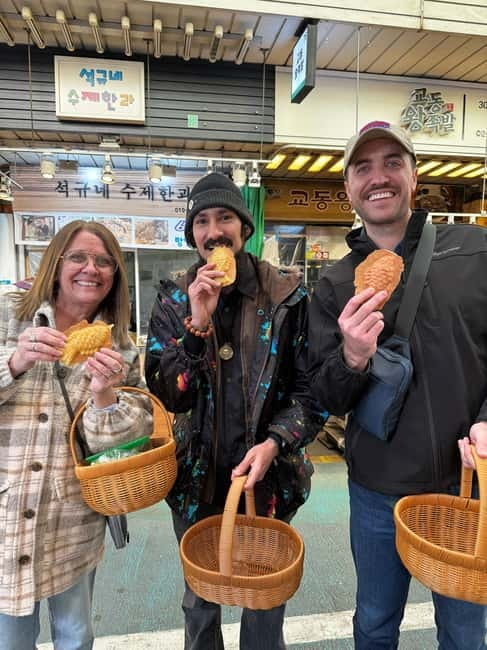
Mangwon Market is the start of the experience for a reason. You’re not just grabbing ingredients—you’re learning how to shop like a Korean home cook would, walking through stalls and selecting what you need for your meal.
Here’s what I like about this setup: the market portion shifts your mindset from tourist browsing to practical cooking choices. Instead of thinking, What’s the coolest thing here, you start thinking, What will taste best in a bulgogi night at home? What ingredients help make steamed egg taste smooth and right?
The class also emphasizes that Mangwon Market has more locals than the tourist-heavy Gwangjang. That’s not just a brag—it changes what you see. You’ll get a more everyday feel, including the “get it and go” rhythm of regular shopping. And because you’re picking ingredients for your own cooking class, it turns into active learning rather than passive sightseeing.
The cooking class runs in small groups (and that’s the secret sauce)
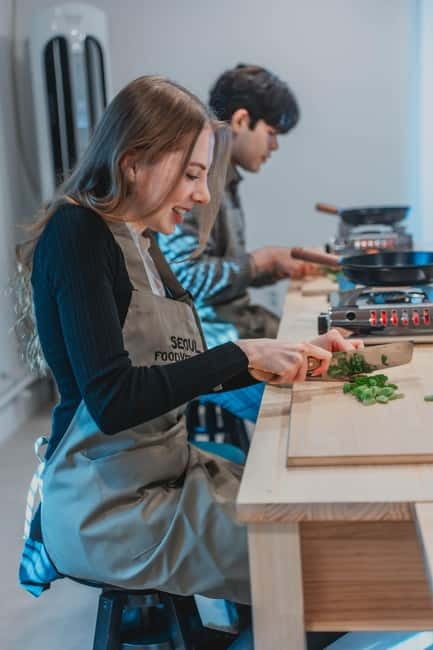
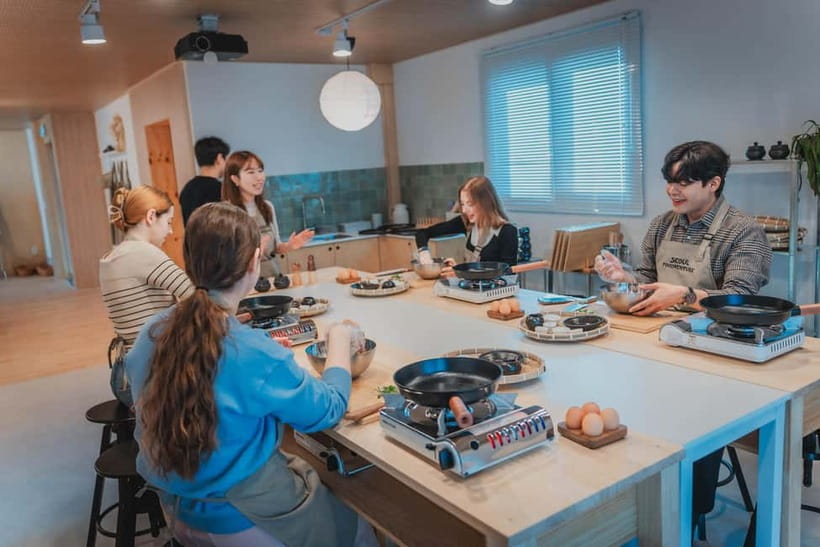
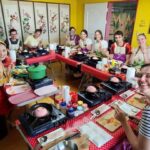
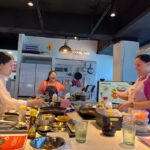
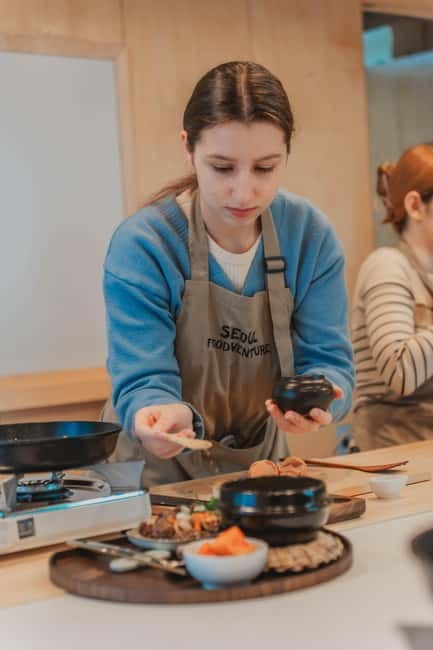
This is a small group class, limited to 8 participants. That size makes a real difference. In larger classes, you can end up watching more than doing. Here, you’re more likely to be working at your station, asking questions, and getting hands-on help.
The class is designed for everyone, regardless of skill level. That includes people who have never cooked anything more complex than instant noodles. The instruction is in English, and the hosts I learned about, including Phoebe and Rachel, focus on making the process understandable and not intimidating.
I also appreciate that the class doesn’t treat cooking like a test. It’s more like a guided kitchen session where you learn techniques as you go. The goal is that you leave with dishes you can make again, not just photos of a finished plate.
Bulgogi: marinated beef, taught as a home-style process
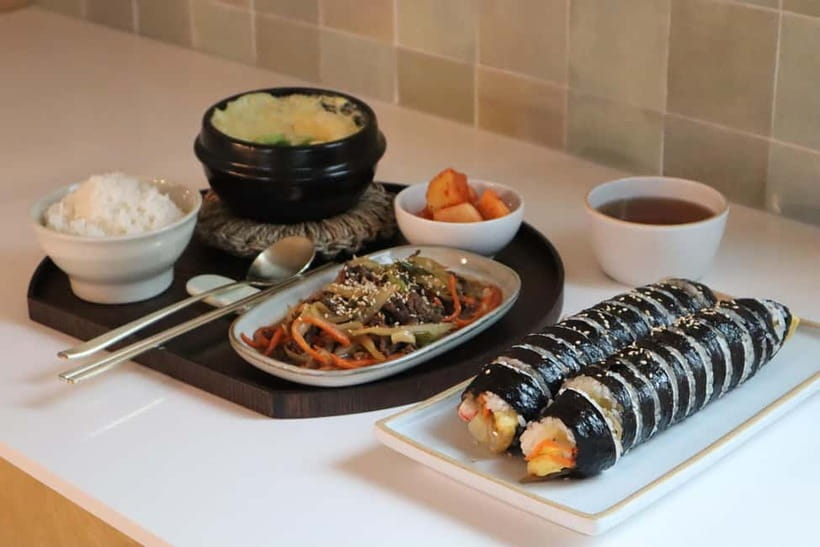
You’ll learn to prepare bulgogi, described as marinated beef and a favorite home-cooked meal in Korea. Even if you’ve tried bulgogi before, this class format helps you understand it as a repeatable workflow: you’re not guessing. You’re learning the steps used in a kitchen designed for teaching.
When I’m choosing a cooking class, I look for one that focuses on the “how,” not just the final taste. Bulgogi is perfect for that because it’s built around seasoning and proper marinating, then cooking to get the right texture.
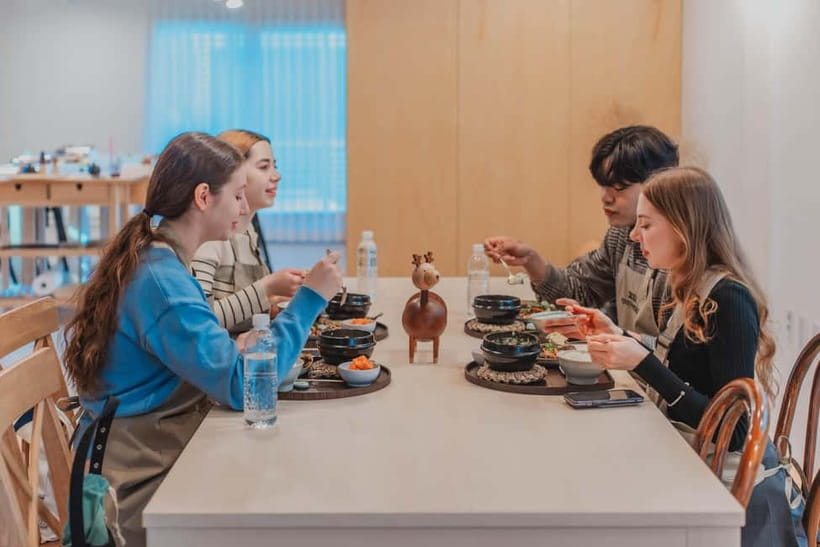
You’ll cook your own portion during class, and you’ll also eat it as part of the included meal. That means you don’t just hear about flavor and timing—you get to compare what you made to what it should feel like on the plate.
Gyeran-jjim: the steamed egg that teaches patience
Next up is gyeran-jjim, a Korean steamed egg dish known for being light and fluffy comfort food. Steamed eggs can be surprisingly tricky if you’re doing it for the first time, mostly because the texture depends on gentle handling and careful cooking.
In this class, you learn how to prepare it as a guided technique, not a vague “just steam it” instruction. I like that it’s taught as its own dish rather than something you get as a side at a restaurant. When you learn the process, you start understanding why it’s so often loved in Korean home meals.
Also, this is one of those dishes where you notice the difference between rushed and calm cooking. Even in a short class, you’ll feel that when the dish comes together smoothly—exactly the kind of result that makes you want to cook it again later.
You can also read our reviews of more cooking classes in Seoul
Kimbap rolling: a hands-on skill with picnic value
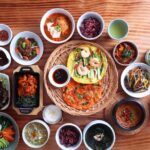
Then comes kimbap, the ultimate Korean picnic snack. You’ll roll up kimbap during the class, turning ingredients into something you can carry, slice, and eat without needing utensils.
Rolling kimbap is one of those skills that looks intimidating until you actually do it. Once you’re in the process, you understand the rhythm: set up, roll carefully, and aim for neat layers. In a group of eight, you can usually get the kind of quick tips that prevent mistakes early.
This dish also gives you a built-in “after class” plan. The experience suggests taking leftover kimbap to the nearby Han River for a simple picnic—spread out a mat, relax, and enjoy it in the sun like locals do. That’s practical travel advice, not just a nice idea. It turns your cooking class into part of your day’s story.
What’s included: ingredients, meal, drinks, and take-home recipes
This class includes everything you need to produce the meal:
- market tour
- cooking class
- ingredients for cooking
- meal (lunch or dinner)
- recipe booklet
- drinks
The practical win here is that you’re not paying extra to figure out what to buy and how to make it. Your ingredients come from the market portion, and you cook the meal together. Then you eat what you make, which is the fastest way to learn whether you nailed it.
The recipe booklet is also a big value add. When you’re learning Korean cooking, the biggest barrier for most people is remembering what to do next time. A booklet you can reference later makes it easier to recreate your bulgogi and gyeran-jjim, and to roll kimbap with less guesswork.
Price and value: why $89 makes sense for this format
The price is $89 per person for a 150-minute experience. On paper, that might look like “a lot” compared to DIY cooking at home. But in practice, you’re buying several things at once:
- guided market shopping (so you learn what to choose)
- instructor-led cooking (so you learn techniques, not just recipes)
- ingredients included (so you don’t spend your time sourcing)
- a full meal plus drinks
- a small-group setting (better attention, less waiting)
If you’ve ever priced out a cooking class with market time in a major city, you know the “local shopping + teachable dishes” combo usually costs more. Here, the value is in the structure: you get an experience where shopping and cooking connect, and you leave with both food and the instructions to repeat it.
Who should book this Seoul cooking class
This is a great fit if any of these are true:
- You want a Seoul cooking class that includes market shopping, not just a kitchen lesson
- You like food you can recreate at home, not only dishes you’ll forget by day two
- You’re a beginner or returning to cooking and you want step-by-step guidance
- You prefer small groups (up to 8) where questions actually get answered
- You’ll be in the Mapo/Hongdae area and want an activity that feels local and practical
It’s also a solid option if you’re traveling solo. Small groups tend to mix well, and you’re actively doing tasks side by side. The class is described as being designed for everyone, so you shouldn’t feel out of place if your cooking skills are rusty.
Should you book Seoul Foodventure for bulgogi, gyeran-jjim, and kimbap?
If you want the most value from your time in Seoul, I’d book this. The best part isn’t just that you’ll eat Korean food—it’s that you’ll shop like locals do at Mangwon Market, then cook three iconic dishes with a teaching-first approach in English, in a group that’s small enough for real help.
The one reason to pause: you’ll want a morning slot if you care about the market tour, since it’s only available for morning classes. If you can work around that, you’ll get a well-rounded experience: a home-style meal, a takeaway recipe booklet, and enough leftover kimbap to turn your evening into a casual Han River picnic plan.
FAQ
FAQ
What dishes will I learn to cook?
You’ll learn to prepare three iconic Korean dishes: bulgogi, gyeran-jjim, and kimbap.
Is the market tour included?
Yes. The experience includes a market tour where you explore Mangwon Market and pick ingredients for your meal.
Is the market tour available every day?
The market tour is only available for morning classes.
How long is the cooking class?
The duration is 150 minutes.
Where is the meeting point?
You meet at the studio at 4th floor, 8, World Cup-ro 13-gil, Mapo-gu, Seoul, Korea. You can find it by searching Seoul Foodventure on Google or Naver.
What language is the instruction?
The instructor is English.
What size is the group?
It’s a small group limited to 8 participants.
Is this class wheelchair accessible?
Yes, it is described as wheelchair accessible.
What should I wear?
Wear comfortable shoes, since there is some walking involved.
Can I get a refund if my plans change?
You can cancel up to 24 hours in advance for a full refund.
Are any drinks included?
Yes. Drinks are included.