REVIEW · SEOUL
Seoul: Kimchi Dishes Cooking Class with Wine Pairing
Book on GetYourGuide →Operated by Manok · Bookable on GetYourGuide
Kimchi has a way of taking over your taste buds fast. This 2-hour Seoul class pairs hands-on cooking with a guided tasting of four kinds of kimchi and a wine pairing chosen with a sommelier. I like that Suyeon makes the process feel doable, and I also like how much cultural context you get alongside the recipes. One consideration: you only cook one of the three kimchi-based dishes you choose, while the aged kimchi pork belly is prepared ahead by the host.
It’s also a genuinely small setup. The studio is limited to 6 participants, so you’ll get attention as you prep, cook, and ask questions. The other tradeoff is simple: it’s not for kids under 18, since the class includes wine pairing.
In This Review
- Key things that make this class worth your time
- From Gyeongbokgung to a kimchi studio that feels like someone’s home
- The tasting phase: learning kimchi by actually tasting it
- Picking your dish: three beginner-friendly options with a real payoff
- What you’ll do while cooking (and why it’s set up this way)
- The host specialty: aged kimchi with braised pork belly (already done)
- Wine pairing with a sommelier: why it isn’t just an add-on
- Sharing the meal: your dishes plus the host’s specialty
- How good is the value for $58 in Seoul?
- Who this class is best for (and who should skip it)
- What you can do with this at home
- Should you book this Seoul kimchi + wine class?
- FAQ
- How long is the cooking class in Seoul?
- What does the class include?
- Which types of kimchi will we taste?
- What can I cook during the class?
- Is wine included, and is this class for kids?
- Where is the meeting point?
- How big is the group?
- What language is the host speaking?
- Can I cancel or reserve without paying right away?
Key things that make this class worth your time
- Start with tasting four kimchi styles: cabbage, white kimchi, radish, and aged kimchi
- Cook one main recipe (chosen from three): kimchi pancake, white kimchi noodles, or radish-bacon stir-fried rice
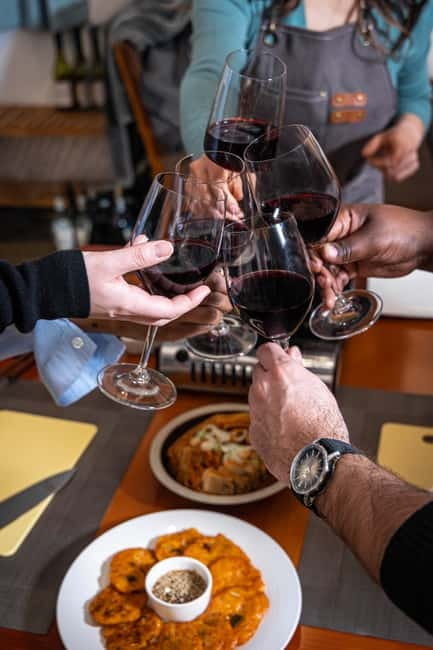
- Sommelier-led pairing during the meal so the flavors actually match, not just guesswork
- Suyeon’s teaching style: patient, chatty, and focused on history and process, not just instructions
- Beginner-friendly structure with clear prep steps and a host specialty dish finished for you
From Gyeongbokgung to a kimchi studio that feels like someone’s home
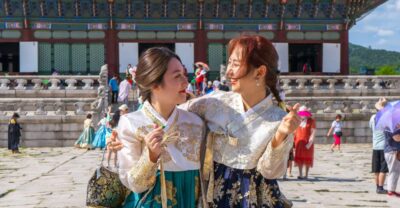
If you’re doing Seoul the classic way, you’ll likely start your day at Gyeongbokgung Palace. This class is a nice follow-up because the studio is about a 5-minute plan from the palace area. That makes it easy to fill the day without ending up in a rushed dinner sprint.
The meeting point is the kimchi & wine cooking studio. From Gyeongbokgung Station exit 2, walk straight about 200m, pass Woori Bank, then turn left. Keep going past the bar Cham, and head to the 3rd floor of the building where Cuisine La Cle is on the 1st floor. In other words, it’s not buried in a maze of backstreets, which matters when your day is already packed.
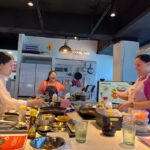
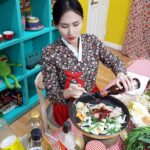
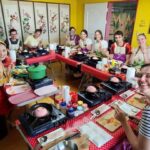
This is set up as a small group class (max 6), in English. That combo helps a lot. You’re not getting a lecture with 20 people waiting for a turn at a cutting board. You’re also not stuck translating your way through ingredient names.
You can also read our reviews of more cooking classes in Seoul
The tasting phase: learning kimchi by actually tasting it
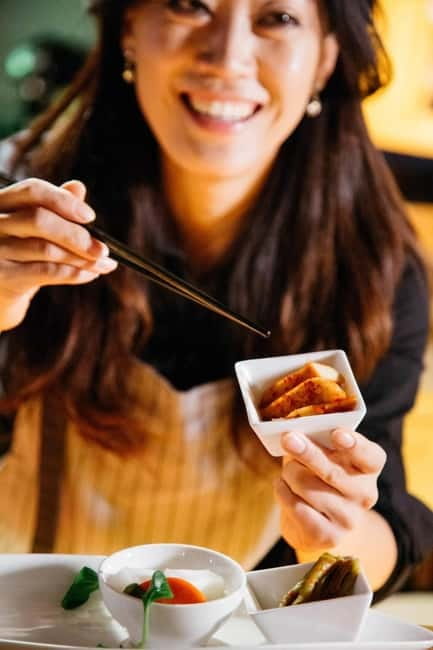
The class kicks off with tasting, and that’s the smart move. Kimchi is one food, but it’s not one flavor. You’ll sample four different kinds of kimchi: cabbage, white kimchi, radish, and aged kimchi.
What you’re really doing here is training your palate. Once you’ve tasted the same “family” of food in different stages and styles, cooking becomes easier. You start noticing differences like how acidity and fermentation intensity can shift from one type to another, and how the texture changes the moment it hits a hot pan later.
Also, Suyeon doesn’t treat kimchi like a mystery box. The class focuses on the history and process of kimchi, so you get the why behind the flavors. From the reviews, her explanations land because they’re patient. People come away feeling like they learned something they can repeat at home, not just something they ate and forgot.
Picking your dish: three beginner-friendly options with a real payoff
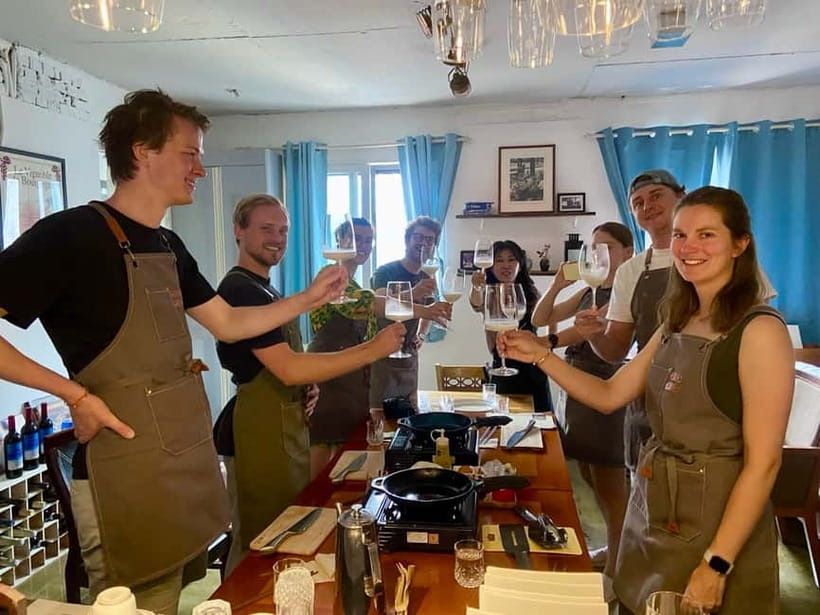
After tasting, you move into cooking. This is where the class becomes hands-on and social: you’ll choose which dish you want to make from three options, depending on the group and how many participants there are.
Your choices are:
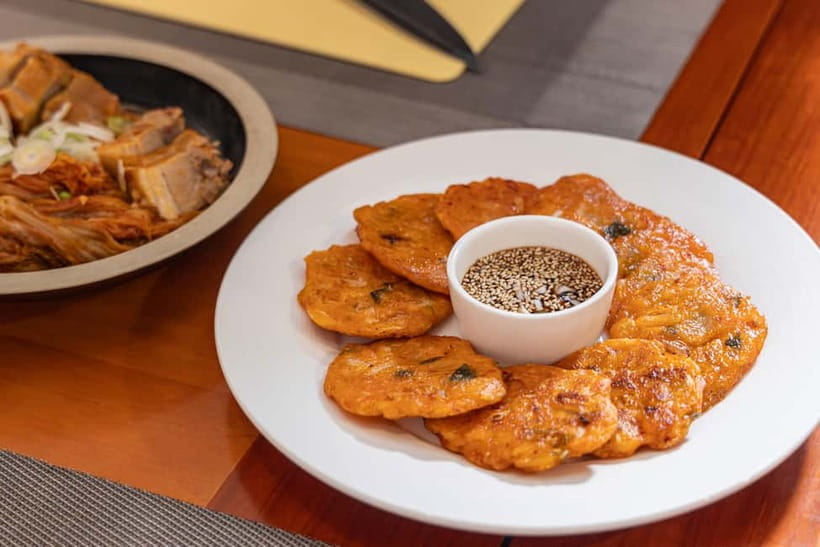
- Kimchi pancake
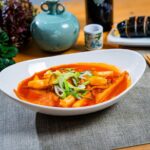
- White kimchi noodles
- Radish-bacon stir-fried rice
This “pick your recipe” structure is one of the best parts for real travelers. It respects your preferences. If you’re a noodle person, you can lean that way. If you want comfort-food energy, you can choose the pancake or the fried rice.
A key practical note: the class includes one host-prepared specialty dish (aged kimchi with braised pork belly). So even if your selected recipe is simpler, you still get the richer, longer-cooking centerpiece.
From the way the class is described, the instructions are set up for beginners. People specifically mention that the dishes are beginner-friendly and the ingredients and steps are manageable. That matters in Seoul, where some “cooking classes” can feel more like watching than learning.
What you’ll do while cooking (and why it’s set up this way)
Even though exact timing can shift with the number of participants, the cooking flow usually follows the same pattern:
- You prep your ingredients with guidance.
- You cook your chosen dish with a clear process.
- You finish and plate to share later.
You’re not just learning one technique. You’re learning how kimchi behaves when it’s pan-cooked, how it works in a savory dish, and how different kimchi styles can affect the final flavor.
The host specialty: aged kimchi with braised pork belly (already done)
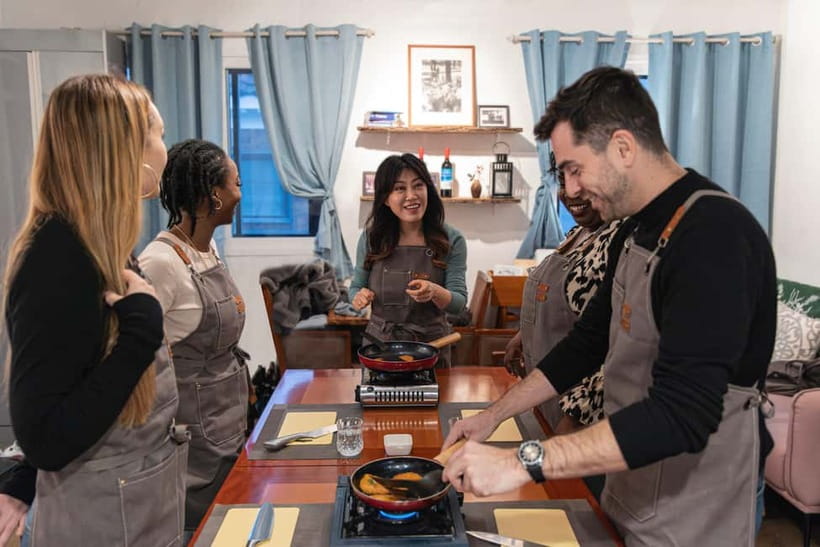
The showstopper is aged kimchi with braised pork belly. The host prepares this in advance because it can take time and can be tricky for first-timers. That means you don’t lose the whole 2 hours to one slow task.
Instead, you get the best of both worlds:
- You cook an accessible dish yourself.
- You still taste the depth of something more advanced, like aged kimchi with braised pork.
This is also a smart teaching decision. It lets you compare. After tasting the aged kimchi at the start, you get to see how it performs in a hearty, pork-forward plate. It’s one thing to taste aged kimchi cold or in small portions, and another to experience it as part of a full meal.
The reviews repeatedly point to how delicious this centerpiece is, and it’s the sort of dish you can’t easily replicate as a beginner without the right process and timing.
You can also read our reviews of more wine tours in Seoul


Wine pairing with a sommelier: why it isn’t just an add-on

This class is called a kimchi cooking class, but the wine pairing is a major part of the experience. It’s not random bottles on the table. You’re pairing with guidance from a sommelier, and the wines are selected personally by that expert.
What this tends to do for you as a cook and diner is give you a framework. You start thinking in flavor logic: acidity, spice, and richness all change how drinks feel in your mouth. Kimchi is fermented and spicy-fermented depending on the style, so your pairing can either fight it or work with it.
Some reviews mention specific examples, including an Italian white wine from Veneto, and there’s also a mention of yuja makgeolli with the meal. The takeaway for you isn’t the exact brand. It’s that the pairing is chosen to complement what you just cooked and what the host prepared.
Even if you don’t drink much, it’s still useful. You can treat the pairing like a flavor lesson. Then later, when you’re eating Korean food on your own, you’ll have a better sense of what might work.
Sharing the meal: your dishes plus the host’s specialty
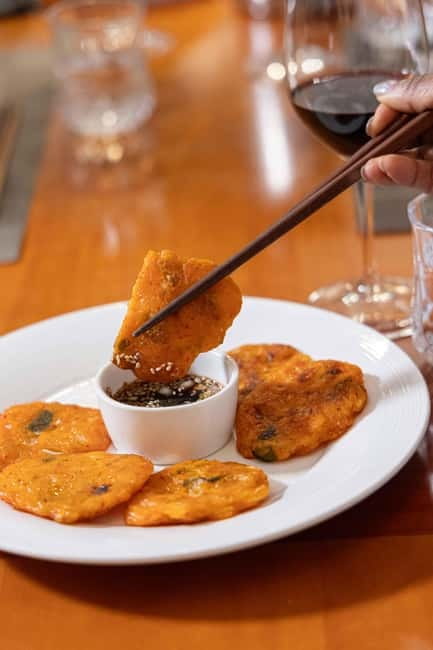
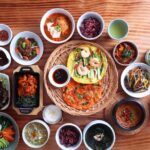
At the end, you share everything you made with the group. That includes your chosen kimchi dish plus the host’s aged kimchi with braised pork belly. Then you eat together while you enjoy your glass of the sommelier’s pairing selections.
This “share and taste” format matters more than it sounds. It turns the class into a mini meal you’re part of. Everyone gets to see what everyone made, and you can compare how each kimchi style influenced the final dish.
It also helps you take home practical confidence. The goal isn’t just to leave full. It’s to leave with a couple of recipes you can realistically recreate.
One detail that’s easy to miss: the class dishes can vary slightly depending on how many participants there are. That means you should expect small differences in exact execution, but the core experience stays the same—tasting multiple kimchi styles, cooking one chosen dish, and finishing with the aged kimchi pork belly centerpiece.
How good is the value for $58 in Seoul?
At $58 per person for a 2-hour class, this sits in the mid-range for Seoul food experiences. The value comes from three things working together:
- You get guided learning (tasting four types plus history/process context).
- You get hands-on cooking (one chosen dish with clear steps).
- You get a sommelier-led wine pairing with the meal.
If you were just paying for dinner, you’d likely spend a similar amount without the recipe knowledge. If you were just paying for a cooking class, you might not get that tasting-and-pairing framework.
Where you’ll feel the best value is if you want more than “watch someone cook.” This class is built so you participate, then eat what you made. In reviews, people keep mentioning how easy the dishes are to recreate, which is exactly what you want if you’re paying for a lesson and not just a meal.
Who this class is best for (and who should skip it)
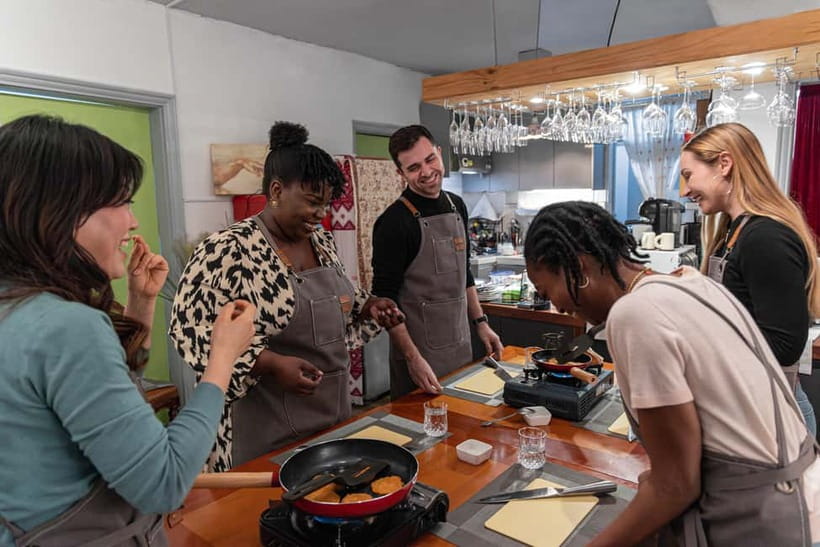
This is best for you if:
- You like Korean food and want to understand kimchi beyond one jar.
- You want a small group setting where you can ask questions.
- You enjoy food with a drink pairing and want to learn the logic.
- You’re visiting during palace-day hours and want a smooth plan for the rest of the day.
It’s not a fit if:
- You’re traveling with kids under 18 (the activity isn’t suitable).
- You expect to cook multiple recipes end-to-end. You cook one selected dish yourself, while the aged pork belly is prepared by the host.
Also, if you dislike the idea of eating spicy-fermented foods, you might want to consider your comfort level. The class includes tastings of multiple kimchi types, including aged kimchi, which can be intense for some palates.
What you can do with this at home
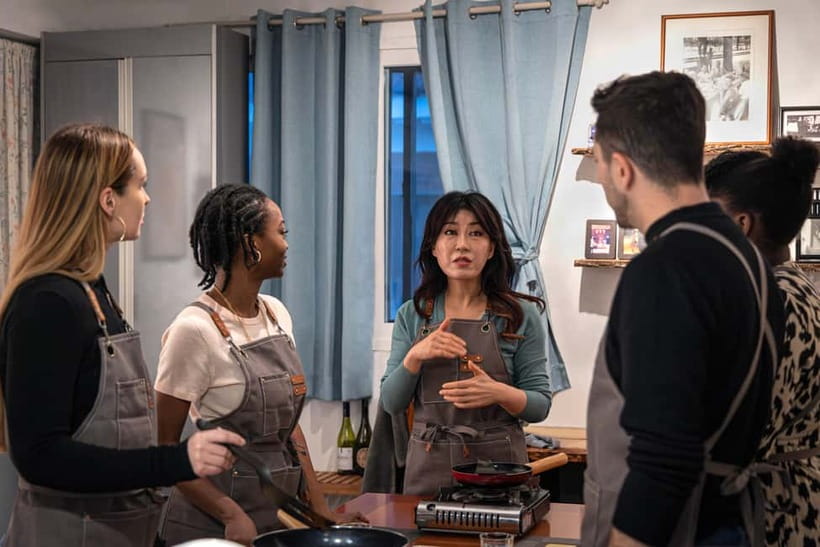
The real win here is transfer. You’ll come away with at least one kimchi recipe you made yourself—chosen from kimchi pancake, white kimchi noodles, or radish-bacon stir-fried rice. You’ll also have tasted multiple kimchi types, so you’re not guessing which style belongs in what dish.
When the instructions are clear and the steps are manageable, you can re-create the dishes later for friends. And the pairing lesson gives you a way to think about drinks with Korean flavors, not just kimchi.
Should you book this Seoul kimchi + wine class?
Yes, you should book it if you want an intimate, high-value food experience that mixes tasting, cooking, and flavor-matching. The combination of Suyeon’s patient teaching, the upfront tastings of four kimchi styles, and the sommelier-led wine pairing makes it feel more like a guided lesson than a one-off meal.
Skip it only if you mainly want a full dinner cooked by someone else, or if spicy fermented flavors and wine pairing aren’t your thing. Otherwise, this is a great way to spend a couple of hours near Gyeongbokgung and leave with practical skills you can actually use.
FAQ
How long is the cooking class in Seoul?
The class runs for 2 hours.
What does the class include?
You’ll taste and learn about 4 kinds of kimchi, cook 1 chosen kimchi-based dish from three options, enjoy the host’s specialty aged kimchi with braised pork belly (pre-made), and eat the shared meal with a wine pairing.
Which types of kimchi will we taste?
You’ll taste cabbage kimchi, white kimchi, radish kimchi, and aged kimchi.
What can I cook during the class?
You decide which dish you prefer to make from three options: kimchi pancake, white kimchi noodles, or radish-bacon stir-fried rice. The exact dish options can vary slightly based on group size.
Is wine included, and is this class for kids?
Yes, there is a wine pairing as part of the experience, and children under 18 are not suitable.
Where is the meeting point?
Meet at the kimchi & wine cooking studio. From Gyeongbokgung Station exit 2, walk about 200m to Woori Bank, turn left, pass the bar Cham, and go to the 3rd floor of the building where Cuisine La Cle is on the 1st floor.
How big is the group?
The class is limited to 6 participants, making it a small-group experience.
What language is the host speaking?
The host or greeter speaks English.
Can I cancel or reserve without paying right away?
There is free cancellation up to 24 hours in advance for a full refund, and you can reserve now and pay later to keep plans flexible.