REVIEW · SEOUL
Seoul: Highlights of Seoul Full-Day Tour
Book on GetYourGuide →Operated by I LOVE SEOUL TOUR Co., Ltd. · Bookable on GetYourGuide
Seoul changes fast when you climb. This full-day highlights tour threads Gyeongbokgung Palace ceremony with Bukchon Hanok Village and finishes with panoramic views from Bugak Palgakjeong. I love how the day mixes classic Korea (palaces and temples) with modern Seoul context, and I also like that you get a guided route that keeps moving without feeling rushed.
One thing to keep in mind: the Cheongha Korea Ginseng Museum stop includes shopping, and that can feel pricey if you are not planning to buy.
In This Review
- Key moments worth your time
- Gyeongbokgung Palace and the guard changing ceremony
- Bukchon Hanok Village: real houses, real neighborhood energy
- Bugak Palgakjeong: the Seoul viewpoint that feels like a breather
- Cheongha Korea Ginseng Museum: what you’ll learn and how to shop smart
- Gwangjang Market lunch: eat local, keep it flexible
- War Memorial of Korea: history that hits closer than you expect
- Jogyesa Temple and Tapgol Park: Buddhism and independence in one arc
- Transportation and pacing: why the 8 hours work
- Price and value: what $60 covers (and what it doesn’t)
- Who should book this Seoul Highlights tour
- Where to meet and how the day ends
- Final call: should you book this tour?
- FAQ
- How long is the Seoul full-day tour?
- Where do I meet, and where does it finish?
- Is hotel pick-up included?
- What is included in the tour price?
- Is lunch included?
- Is the tour suitable for wheelchair users?
Key moments worth your time
- Gyeongbokgung Palace guard-changing ceremony: a must-see tradition in Seoul’s most famous palace setting
- Bukchon Hanok Village photo walk: traditional houses turned cultural spaces
- Bugak Palgakjeong (Bugak Pavilion) viewpoints: a calm break with wide city views
- Cheongha Korea Ginseng Museum shopping window: interesting product education, shopping pressure possible
- War Memorial of Korea + Jogyesa Temple: history and Buddhism in one day
Gyeongbokgung Palace and the guard changing ceremony
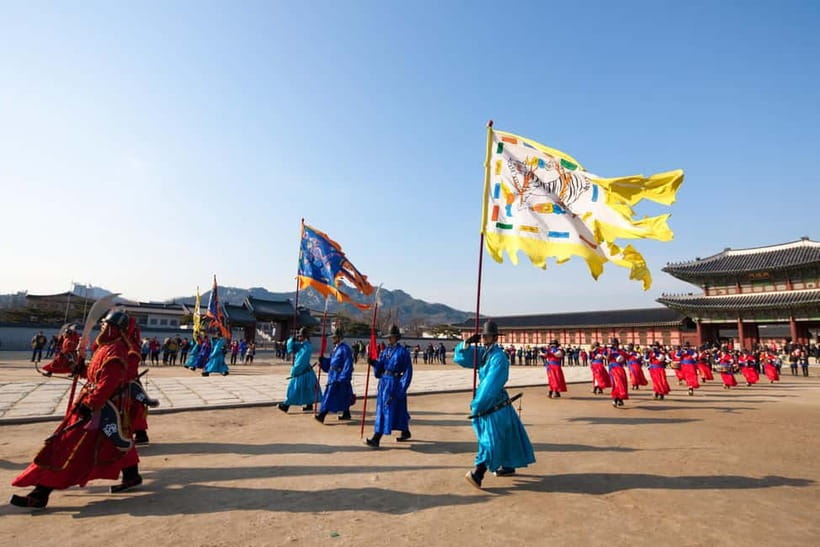
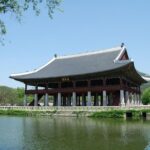
Start your day at Gyeongbokgung Palace, Seoul’s most famous royal site and still the largest of the five main palaces. You’ll get a guided visit for about an hour, which is a good setup because this palace complex is big enough to swallow your whole day if you wander without a plan.
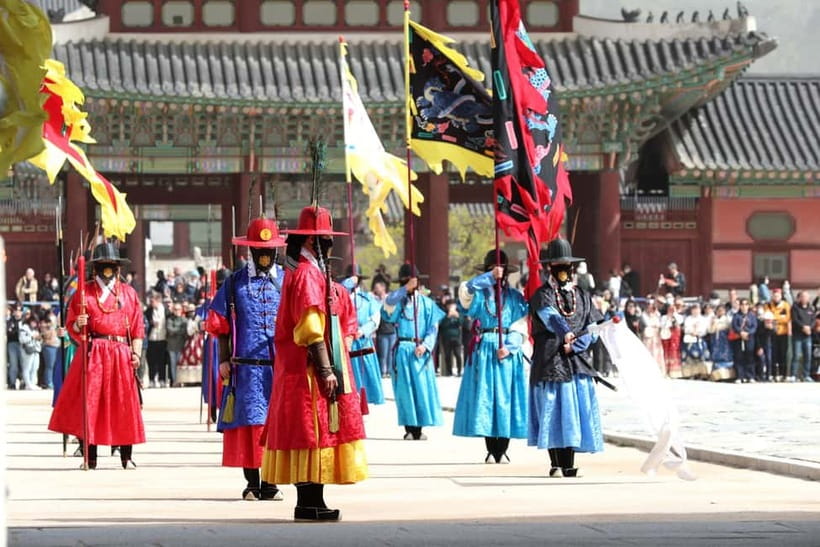
Then comes the real hook: the Palace Royal Guard Changing Ceremony. This is one of those moments where you can see Korea’s historical pageantry in real time, not just in photos. The guide’s job here matters. They help you notice what you might otherwise miss, like where to stand for the best viewing and how the ceremony fits into palace life.
Practical tip: wear shoes you can walk in for a few hours. Even with a timed tour, you’ll still cover plenty of ground on stone paths.
You can also read our reviews of more tours and experiences in Seoul

Bukchon Hanok Village: real houses, real neighborhood energy
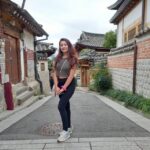
After the palace, the tour shifts to a different kind of Seoul: Bukchon. This is the area of traditional Korean hanok houses, and it’s especially fun because many of the buildings here still operate as cultural centers, guesthouses, and restaurants.
You get around 30 minutes with a guide. That short window is the right length if your goal is photos plus orientation. I like this kind of stop on a highlights day because it teaches you how to read the neighborhood layout, not just where to point your camera.
If you want great pictures, bring patience. People move through the alleys, and you’ll want to wait for a clear angle. Also, expect steps and uneven surfaces. This isn’t a stroller-friendly area, and the tour itself is not suitable for wheelchair users.
Bugak Palgakjeong: the Seoul viewpoint that feels like a breather
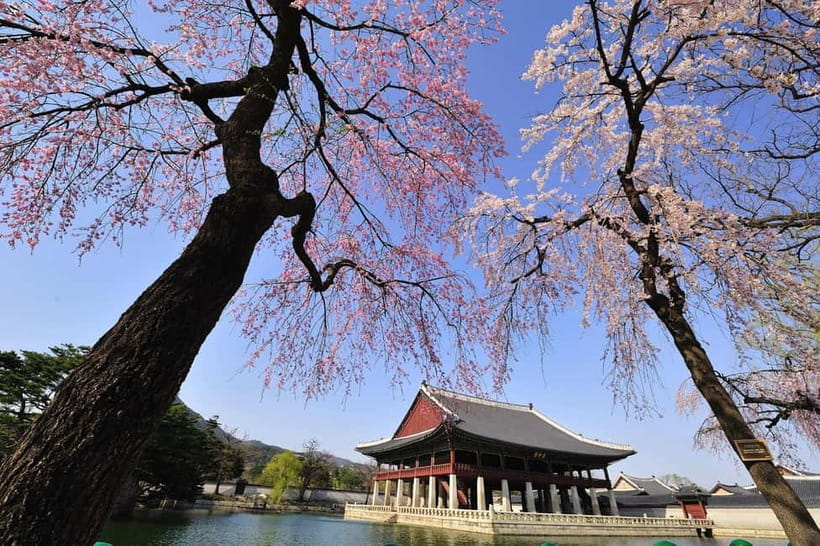
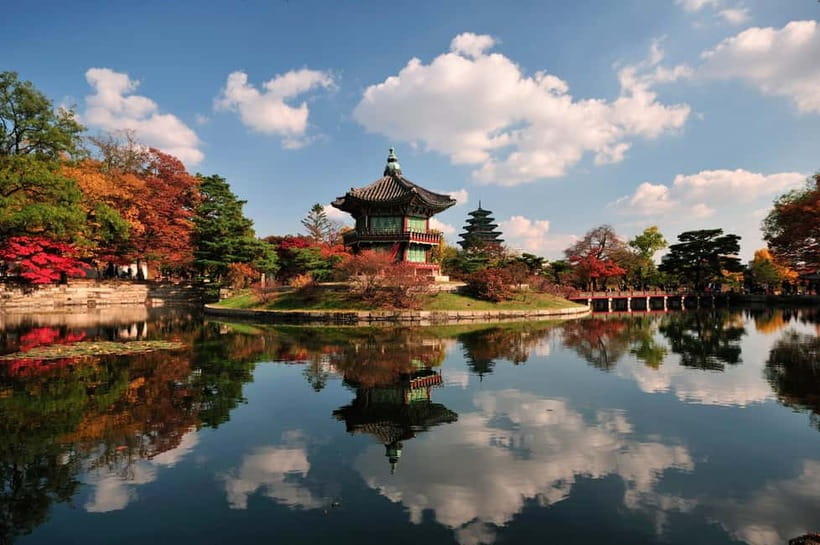
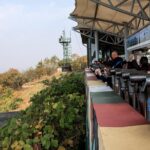
Next up is Bugak Palgakjeong, also known as the Bugak Pavilion. This is built on the slopes of Bugaksan Mountain, so you get panoramic views over Seoul, plus the feeling of stepping away from the city noise.
You’ll spend about 40 minutes here. That time is often the sweet spot: long enough to walk up, find a good photo spot, and actually look around, without turning your afternoon into a hiking test.
One reason I like this stop is the contrast. The day starts with royal grounds, moves through a traditional village, then lifts you up to a viewpoint. It helps you understand Seoul as more than a skyline—it’s a city shaped by mountains and hills.
Rain note: the tour runs rain or shine. If weather is bad, go slower and watch your footing on outdoor paths.
Cheongha Korea Ginseng Museum: what you’ll learn and how to shop smart
Then comes the Cheongha Korea Ginseng Museum. This is both an educational stop and a shopping stop, with about 30 minutes allocated for browsing.
Ginseng here is presented with context: it’s mentioned in Ji Jiu Zhang from the Han dynasty, and Korean ginseng is described as showing strong adaptogenic properties in studies. Even if you don’t plan to buy, it’s interesting because you’ll see how a major Korean product is marketed and packaged, and you’ll learn what the sales pitch is actually built on.
Shopping reality check: one downside that shows up with this part of the tour is pricing. If you are comparing options, don’t let a salesperson rush your decision. Set a budget before you arrive, and remember you can always pass—your day is not dependent on making a purchase.
Tip for value: if you do buy, focus on what you can use soon after your trip. Stuff you can’t carry well or won’t use tends to feel expensive even if the price looks fair.
Gwangjang Market lunch: eat local, keep it flexible
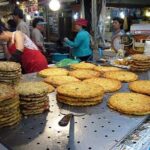
Lunch happens on your own at Gwangjang Market, which is described as the nation’s first market. The tour gives you the time to eat and snack, but you’ll pay for food and drinks yourself.
I like this approach on a group tour because it reduces decision fatigue. You can choose what fits your taste that day—some people want a sit-down meal, others prefer quick street-food-style bites.
The market is also known for good-value shopping and lots of choices, even if you are not chasing brand-name items. If you want more flexibility in what you can eat, bring cash. It’s the easiest way to avoid awkward payment issues when vendors are busy.

War Memorial of Korea: history that hits closer than you expect
After lunch, the tone shifts to modern history at the War Memorial of Korea. You get about an hour with a guided visit, and it’s the kind of museum that makes you slow down and think.
The museum was established in 1994, and the focus is on learning lessons from the Korean War while thinking about preventing future conflict and hope for reunification between North and South Korea. Even if you know the basics, a guided walkthrough helps you connect what you see with the larger story.
This stop also balances the day. You have palace ritual and temple spirituality earlier, then you get a strong reality check about what shaped the country’s modern identity.
Practical note: museums involve standing and walking. If you are sensitive to long indoor breaks, pace yourself during the guide’s storytelling.
Jogyesa Temple and Tapgol Park: Buddhism and independence in one arc
Next is Jogyesa Temple, the chief temple of the Jogye order in Korea. You’ll spend about 25 minutes here, and the guide will help frame what you’re seeing in religious and historical terms.
Jogyesa represents Korean Buddhism and promotes the idea of living together and Bodhisattva spirit. It’s also listed as a historic site that lived through turbulent modern history. That matters because you’re not only looking at old architecture—you’re seeing a living institution that has survived real change.
Then the tour finishes with Tapgol Park, near Insadong. The park connects to a key moment in Korean independence history: the March 1st Korean Independence Movement began here in 1919. For a pop-culture connection, Tapgol Park is briefly featured in Squid Game Season 2, episode 1, where a recruiter hands out lottery tickets and bread.
If you like symbolism, this part of the day ties together a theme: Korea’s identity has deep roots, and it has also been tested. The park and the temple are different, but they each point to how people carried beliefs and hopes through hard times.
Transportation and pacing: why the 8 hours work
You’ll travel by an air-conditioned minivan or coach with a professional local guide. That doesn’t just make the ride comfortable—it protects your time. Seoul traffic can eat hours, and this kind of guided routing helps you hit the main sights without turning the day into a transit marathon.
The tour is about 8 hours total. In practice, it feels like a full-day “greatest hits” plan, with a mix of indoor and outdoor stops. Expect a fair amount of walking, plus standing during ceremony-style moments.
Guide quality is a big part of why this tour gets strong marks. Names like Chloe, Sunny, Sophie, Shin, Grace, Winnie, Stella, and Leo show up frequently in English-guide praise. The repeated theme is simple: guides explain with stories, answer questions patiently, and help solo travelers with group-photo moments. If you tend to get lost in large crowds, this is the kind of tour where a guide’s practical headcount skills make a difference.
Price and value: what $60 covers (and what it doesn’t)
At $60 per person for an 8-hour guided day, the value is mainly in two places: you get transport plus entrance fees, not just sightseeing suggestions.
Included:
- Entrance fees
- Local guide
- Transport by air-conditioned minivan or coach
- Hotel pick-up for selected options
Not included:
- Food and drinks
- Hotel drop-off
- Personal expenses
- Hanbok rental
- Travel insurance
So the math works best if you were going to pay for palace entry and museum time anyway, and if you want the convenience of not planning routes between neighborhoods. The lunch gap is the main “you own it” piece, but that also keeps your options open at Gwangjang Market.
If you plan to buy ginseng, factor that into your real budget. If you skip shopping, you can keep the day’s cost more predictable.
Who should book this Seoul Highlights tour
This tour is a strong match if:
- You want a first-time Seoul overview with classic sites and a museum anchor
- Your time is limited and you want a tight route without figuring out logistics
- You like guided explanations that turn monuments into stories
It may not be the best fit if:
- You have mobility limits. The tour is not suitable for wheelchair users, and you’ll deal with outdoor walking.
- You dislike shopping stops. The ginseng museum time is partly for browsing and buying.
Where to meet and how the day ends
Meet outside Myeongdong Station Exit 10, next to Sejong Hotel. The tour ends at Myeongdong Cathedral near Myeong-dong Station, so it works nicely if you want your last stop to be in the same general area as your evening plans.
If you choose hotel pick-up, it’s offered in central Seoul options like Gangnam, Myeongdong, Gwanghwamun, Itaewon, and Dongdaemun, with pick-up between 7:20 AM and 8:40 AM.
Final call: should you book this tour?
If you want a Seoul day that hits big-name cultural spots plus history, I think this one is worth considering. The mix is smart: palace ceremony, hanok neighborhood, a mountain viewpoint breather, then museums and temples that add depth beyond the postcard view.
Book it if you like guided structure and you want the day to run on rails. Skip or adjust your expectations if you are not interested in shopping at the ginseng stop, or if long outdoor walking will be a problem for you.
FAQ
How long is the Seoul full-day tour?
The tour duration is 8 hours.
Where do I meet, and where does it finish?
Meet outside Myeongdong Station Exit 10, next to Sejong Hotel. The tour finishes at Myeongdong Cathedral near Myeong-dong Station.
Is hotel pick-up included?
Hotel pick-up is optional. It’s available in central Seoul areas, and pick-up typically takes place between 7:20 AM and 8:40 AM.
What is included in the tour price?
The price includes entrance fees, a local guide, and transport by air-conditioned minivan or coach. Hotel pick-up is included for the selected option.
Is lunch included?
Food and drinks are not included. Lunch time is given at Gwangjang Market, where you can buy what you want at your own expense.
Is the tour suitable for wheelchair users?
No. The tour is not suitable for wheelchair users.