REVIEW · SEOUL
Seoul: Gyeongbok Palace and Bukchon Hanok Walking Tour
Book on GetYourGuide →Operated by Korea Linx · Bookable on GetYourGuide
Seoul’s palaces make instant sense on foot. This 3-hour morning walk pairs Gyeongbokgung’s royal-guard changing ceremony and a trip into the National Folk Museum with a real stroll through Bukchon Hanok alleyways. I like that it’s not just photo stops. You get the context that turns courtyards, gates, and houses into something you can actually picture.
The main drawback to plan around is simple: it’s a walking-and-standing tour. In Bukchon, you may face some uphill spots and steps, and the itinerary can shift with weather and traffic.
In This Review
- Key things I’d plan around
- Morning Setup: City Hall Station Exit 6 to Gyeongbokgung
- Gyeongbokgung Palace and the Royal Guard Changing Ceremony
- National Folk Museum of Korea: 98,000 Artifacts Without the Museum-Overload
- Bukchon Hanok Village Through Samcheongdong Alley
- How This Tour Helps You Use Seoul’s Public Transport Like a Local
- Insadong Finish: A Smart End Point for Souvenirs and Snacks
- Price and Value: What $88 Buys You in Real Terms
- Weather, Timing, and the Walking Reality
- Who Should Book This Tour (and Who Might Not)
- Should you book this Seoul Gyeongbokgung and Bukchon tour?
- FAQ
- Where is the meeting point for the tour?
- How long is the tour?
- Is the Gyeongbokgung entrance ticket included?
- Is hotel pickup or drop-off included?
- What language is the guide?
- How big is the group?
- What should I bring?
- Can I get a full refund if my plans change?
- What happens if weather or traffic is bad?
- Where does the tour end?
Key things I’d plan around
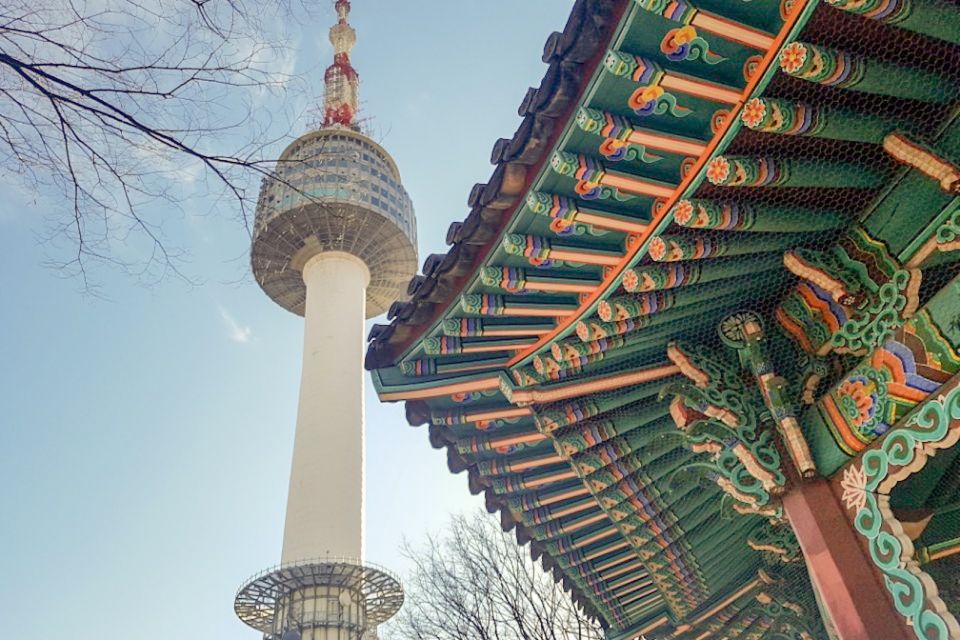
- Gyeongbokgung changing ceremony at the start, while your brain is fresh for history
- National Folk Museum inside the palace, with over 98,000 Joseon-era artifacts
- Bukchon’s Samcheongdong Alley walk, where old and newer Seoul sit side by side
- Public transport coaching, so you can move around Seoul with less guesswork
- Insadong drop-off, which keeps your next stop easy for shopping and snacks
Morning Setup: City Hall Station Exit 6 to Gyeongbokgung
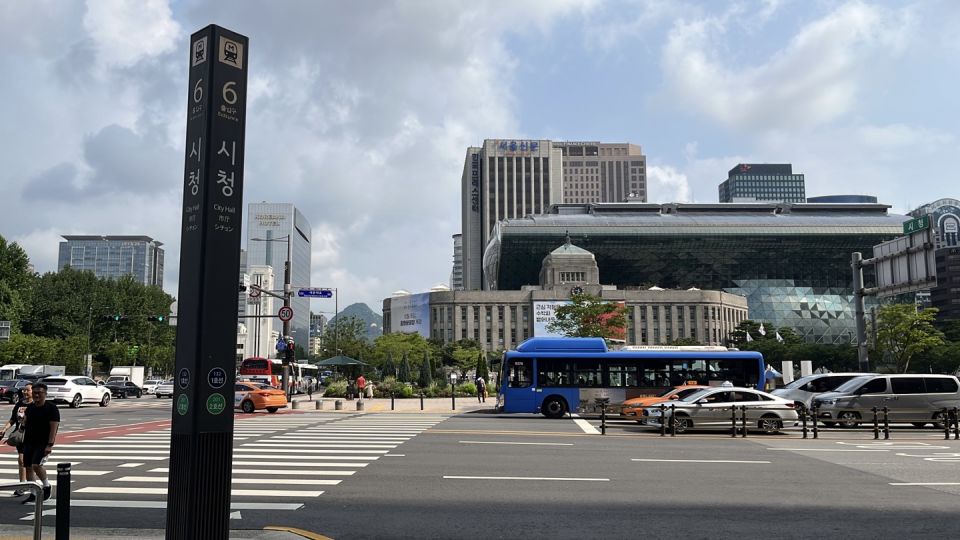
Your tour starts at City Hall Station, Exit 6 (outside the exit), right next to The Plaza hotel. This matters more than it sounds. City Hall is a major hub, so you’re less likely to get lost finding the meeting point, and you can arrive via whatever subway line you’re using that day.
From there, the tour shifts into a walking mode that feels like the best way to meet Seoul: quick orientation, then straight to the landmark. Because it’s scheduled for the morning, you’re also more likely to catch comfortable light for photos and a calmer pace before the day gets crowded.
If you hate standing in lines, bring that energy anyway and plan on a bit of patience. The value here is that you’re not wandering alone. You have a guide to keep the day moving in a smart order.
You can also read our reviews of more walking tours in Seoul
Gyeongbokgung Palace and the Royal Guard Changing Ceremony
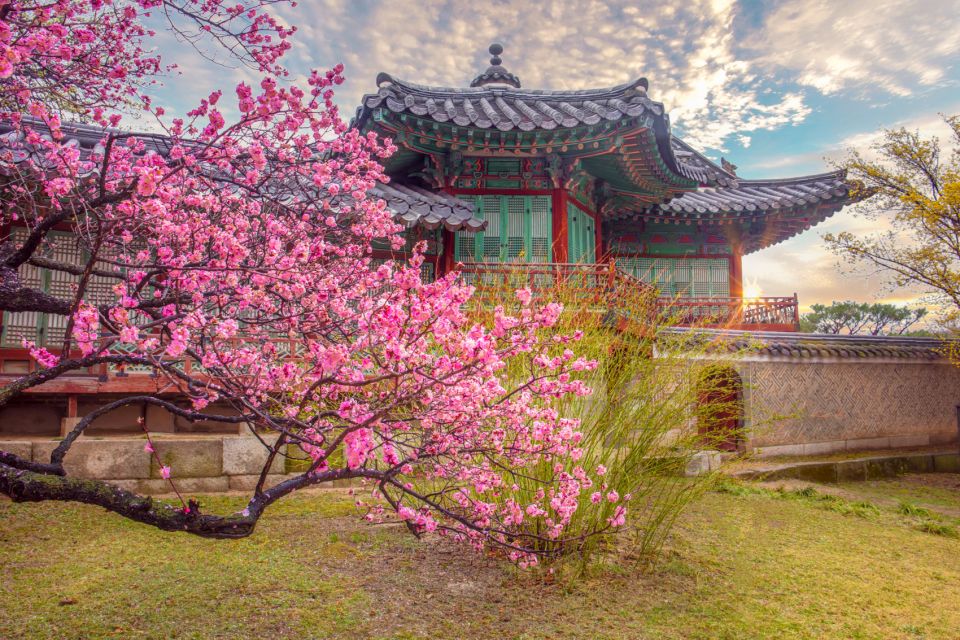
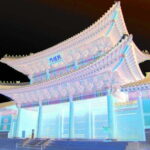
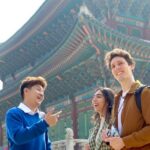
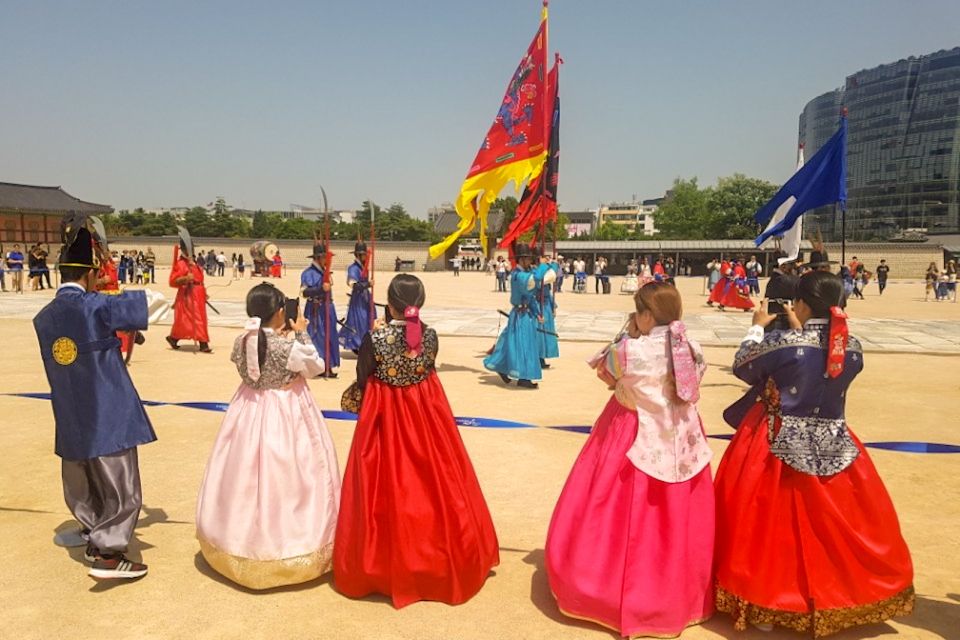
The first major payoff is Gyeongbokgung Palace. You’ll walk with an English live guide and learn the story behind what you’re seeing, including the Joseon Dynasty’s 500-year history. That’s the difference between seeing palace gates as scenery versus understanding why they were built the way they were.
One standout moment is the changing ceremony of the royal guards. Watching it with narration helps you catch the details you might otherwise miss: timing, setting, and what the guards represent in the larger palace world. It’s also one of those experiences that feels extra memorable if you’re new to Korean history.
Dress for real conditions. People have done this tour in intense cold and snow, and the ceremony doesn’t stop just because the weather is dramatic. Comfortable layers and shoes with traction are your best friends here.
National Folk Museum of Korea: 98,000 Artifacts Without the Museum-Overload
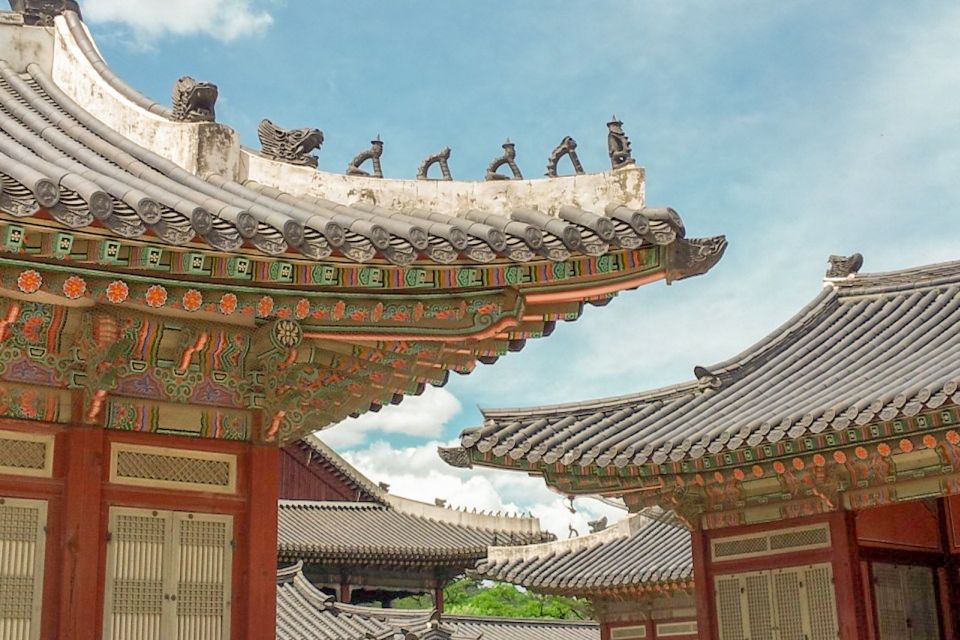
Inside the palace area, you’ll stop at the National Folk Museum of Korea. The tour highlights over 98,000 artifacts, and the focus is on how everyday people lived during the Joseon Dynasty. That’s a great angle because it connects the palace to regular lives, not just royalty and big ceremonies.
I like this museum stop because it breaks up the day’s walking with something mentally different. Instead of moving from one gate to the next, you get a chance to understand objects as clues. Daily-use items, clothing styles, and household life give you a stronger sense of how society worked back then.
A practical note: museum time can feel a little more structured than the outdoor parts. If you prefer to roam freely for long stretches, you may feel like the pace is still “tour pace.” But with only 3 hours total, this stop is also what keeps the experience from being shallow.
Bukchon Hanok Village Through Samcheongdong Alley
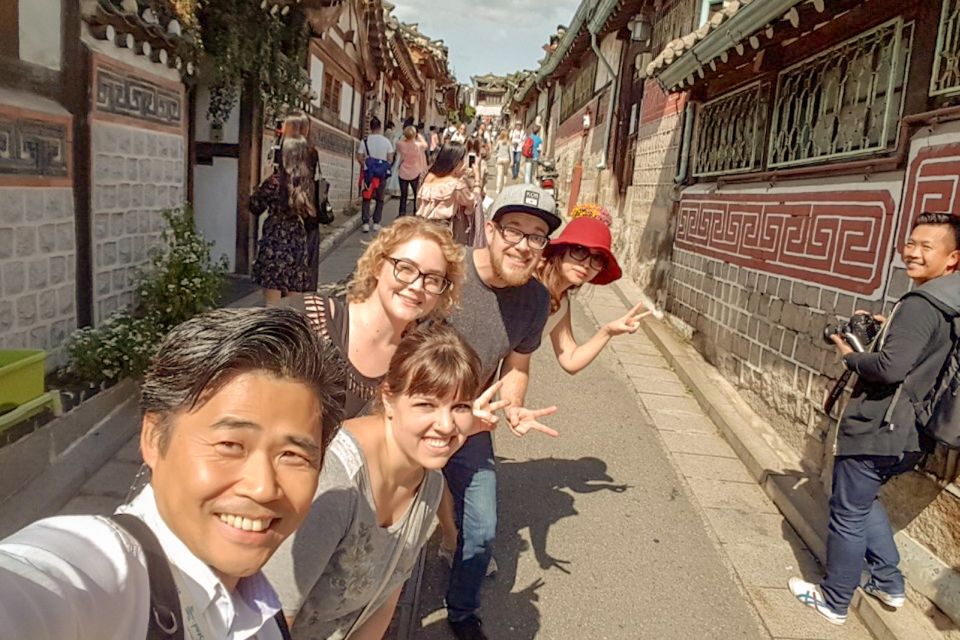
Next comes Bukchon Hanok Village, where the tour emphasizes walking through Samcheongdong Alley. This is where Seoul feels like two eras sharing the same sidewalk. Traditional houses line the lanes, and you can also spot the modern city edging into the scene around them.
What makes Bukchon special on a guided walk is how the guide frames what you’re seeing. It’s easy to treat hanok neighborhoods like a living photo set. With context, you start noticing patterns: how houses face, how lanes funnel, and why this area matters in Seoul’s cultural memory.
Expect it to be active. The area includes uneven surfaces and some climbing. If you’re the kind of traveler who packs blister prevention, do it. Your future self will thank you. If you go with the right footwear, the walking becomes part of the charm, not the complaint department.
How This Tour Helps You Use Seoul’s Public Transport Like a Local
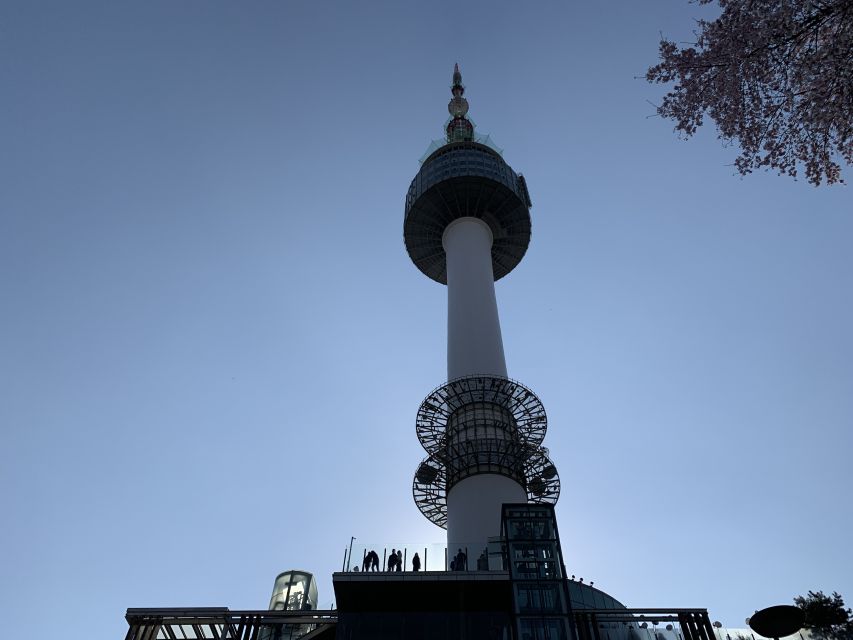
This isn’t just a sight-only morning. One of the key highlights is that you’ll learn how to use public transport in Korea and how to interact comfortably with locals. In practical terms, this is the difference between enjoying one guided morning and feeling lost for the rest of your stay.
If you’re new to Seoul, you’ll benefit from learning what to do before you’re standing at a station trying to decode signage and route maps. Guides can also help with “small stuff” like how to handle transit cards and basic etiquette, which prevents awkward mistakes.
The best part is that the instruction fits naturally into the day. Instead of treating transit as homework, you get the route mindset while you’re already moving through the city’s core.


Insadong Finish: A Smart End Point for Souvenirs and Snacks
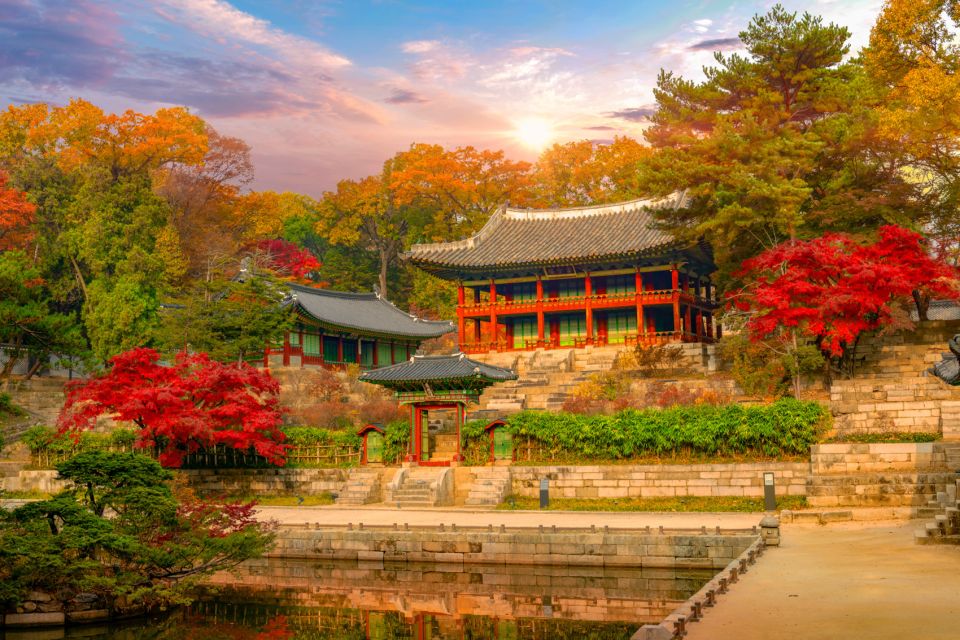
The tour ends in the Insadong area, which is a convenient place to keep the momentum going. If you want souvenirs, this is one of the easiest zones to browse without having to plan an entire second commute right after a walk.
I also like that you’re not thrown into Insadong with zero ideas. Your guide can recommend what’s worth your time, which helps you avoid wasting energy on tourist-trap browsing when you’d rather spend that energy eating or photographing.
Since Insadong is a shopping-and-culture area, it’s a logical “bookend” to the morning: palace history, Joseon-era everyday life, then a neighborhood where crafts and traditional goods are front and center.
Price and Value: What $88 Buys You in Real Terms
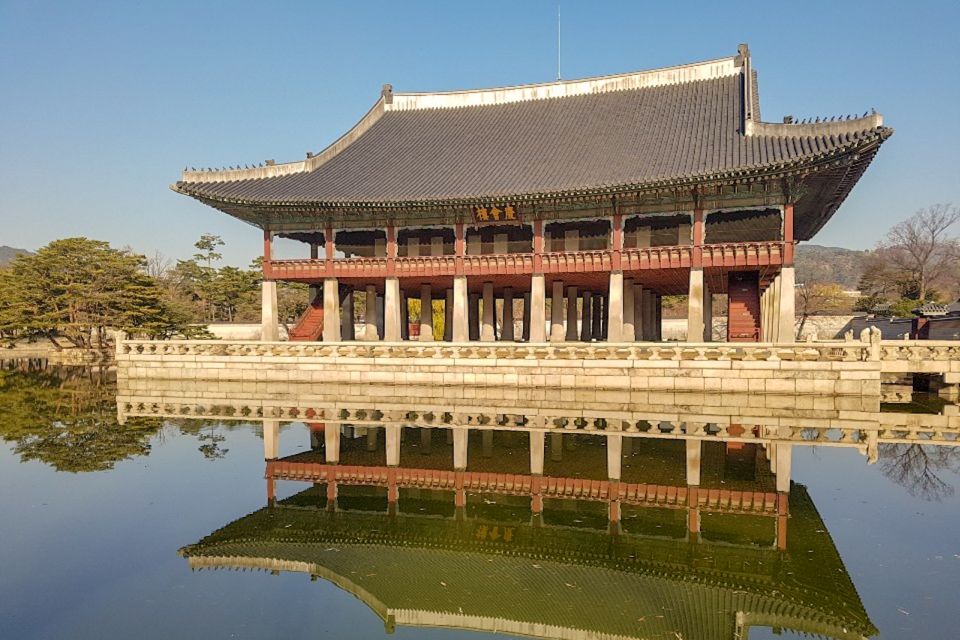
At $88 per person for about 3 hours, you’re paying for more than a route. Here’s what your money is really covering:
- A live English guide who explains what you’re looking at (and what it means)
- Gyeongbokgung entrance ticket included
- A small group experience capped at 8 participants
Value is strongest if you’re the kind of traveler who wants context fast. Doing palace and Bukchon solo is doable, but you’ll spend a lot of time sorting out what’s important, when ceremonies happen, and how everything connects. With a guide, you’re basically buying shortcuts to understanding.
If you already know Korean history well and you prefer total freedom, the cost might feel less justified. But even then, the changing ceremony timing and the Bukchon lane-walking guidance are exactly the kind of things that make a short morning tour worthwhile.
Weather, Timing, and the Walking Reality
The itinerary is subject to weather and traffic conditions, which is normal for outdoor-heavy sightseeing. Seoul mornings can range from pleasant to cold to messy. The good news: because the tour is only 3 hours, delays are less likely to wreck your whole day.
Still, treat this as a walking tour. Bring comfortable shoes and comfortable clothes. If you’re visiting in cooler seasons, pack layers you can adjust without turning your body into a moving closet. People have specifically praised how guides kept the tour enjoyable during harsh cold and snow, which tells me the “plan for comfort” advice matters.
Who Should Book This Tour (and Who Might Not)
You’ll likely love this tour if you:
- Want an introduction to Seoul’s palace-era story without spending half a day researching
- Like to see history through a mix of outdoor landmarks and indoor context
- Prefer a small group instead of a bus-and-bounce experience
- Enjoy walking and don’t mind standing for ceremony moments
You might want to skip or swap if:
- You need lots of resting time or have mobility limits (Bukchon includes some climbing)
- You hate structured time and want to explore everything at your own speed
- You’re already planning a deep, unhurried palace day and museum marathon
Should you book this Seoul Gyeongbokgung and Bukchon tour?
If your goal is a smart, history-rich morning that helps you navigate Seoul with confidence later, I’d book it. Gyeongbokgung plus the Folk Museum gives you solid context fast, and Bukchon’s Samcheongdong lanes add the “slow city” texture that makes Seoul feel real. The small group size keeps it personal, and the Insadong finish is a practical way to turn your morning into a full half-day.
If you want a relaxed, linger-all-day pace, consider pairing your plans with a lighter schedule afterward. But for most first-time visitors, this is a strong way to start your Seoul story.
FAQ
Where is the meeting point for the tour?
Meet at City Hall Station, Exit 6 (outside of the exit), right next to The Plaza hotel.
How long is the tour?
The tour duration is 3 hours.
Is the Gyeongbokgung entrance ticket included?
Yes. The tour includes the Gyeongbokgung entrance ticket.
Is hotel pickup or drop-off included?
No. Hotel pickup and drop-off are not included.
What language is the guide?
The tour offers a live English guide.
How big is the group?
The group is small, limited to 8 participants.
What should I bring?
Bring comfortable shoes and comfortable clothes.
Can I get a full refund if my plans change?
Yes. Free cancellation is available up to 24 hours in advance for a full refund.
What happens if weather or traffic is bad?
The itinerary is subject to weather and traffic conditions, so timing and route details may adjust.
Where does the tour end?
The morning tour ends in the Insadong area.