REVIEW · SEOUL
Seoul Mountain Hike: Temples, Folklore & Traditional Meal
Book on Viator →Operated by ZenKimchi Experiences · Bookable on Viator
Ghost stories, but on real trails. This small-group Bukhan Mountain hike mixes Korean folklore with a secret Buddhist temple stop, plus lunch with mountain-style food and drinks. I especially like how the guide keeps the pace friendly for a range of fitness levels, even though there’s a long steep ascent near the start. One thing to plan for: you’ll work for the views, and the hike isn’t a sit-in-nature stroll.
You’ll meet at Gupabal Subway Station (gate 1), hop on a short bus ride to the trail head, and then spend the afternoon climbing, descending, and hearing legends of mountain ghosts, goblins, and shaman lore tied to the Korean landscape. People love the storytelling style—one guide named Shawn gets called out for making heritage and supernatural tales feel easy to remember.
In This Review
- Key highlights you’ll actually care about
- Bukhan Mountain, temple breaks, and folklore that fits a hike
- Getting to the trail: Gupabal Station, a short bus ride, and a warm-up
- The hike rhythm: steep start, forested valley, and view breaks
- Folktales on the trail: ghosts, goblins, and shaman lore with context
- Temple stop on the descent: a calm pause in rugged settings
- Lunch and included drinks: how the mountain restaurant experience works
- Price and value: what $141.75 really includes
- Logistics that affect your comfort (and how to plan)
- Who should book this Seoul mountain folklore hike?
- Final verdict: should you book?
- FAQ
- How long is the hike, and how long is the full tour?
- How many people are in the group?
- What is included in the price?
- Where do we meet, and when does the tour start?
- Do I need special hiking equipment like ropes or harnesses?
- What if the weather is bad?
Key highlights you’ll actually care about
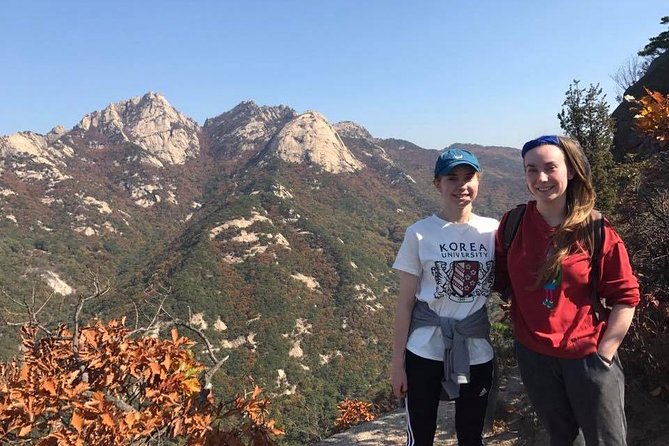
- Max 6 people keeps the group from feeling crowded while you walk and listen
- One early steep climb sets the tone fast, but the guide can adjust the route to your level
- Folklore on the move includes mountain ghost, goblin, and shaman-themed legends
- Secret Buddhist temple visit happens during the descent, tucked into rugged mountain settings
- Included lunch and alcoholic beverages mean you don’t have to hunt for food after the hike
- Bus fare included reduces the hassle of getting to the trail head from Seoul
Bukhan Mountain, temple breaks, and folklore that fits a hike
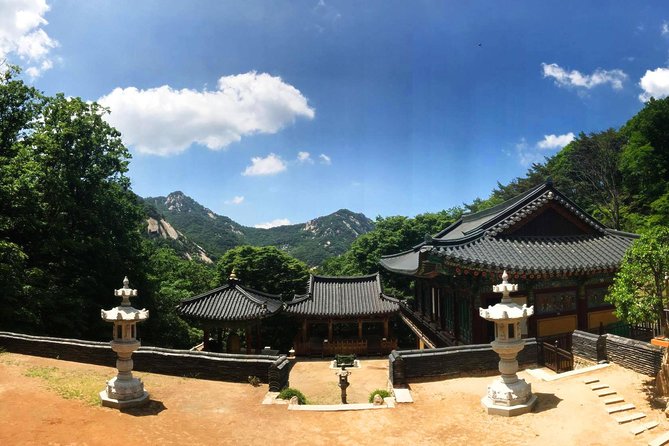
Bukhan Mountain is close enough to Seoul that you can trade subway stops for forest air without losing half a day to transportation. That’s exactly what makes this tour appealing: it’s built for people who want nature time, but still want it to feel organized and practical.
What I like most is the way the tour treats the mountain as more than scenery. You don’t just walk between viewpoints. You get stories tied to the mountain’s spiritual reputation—ghosts, goblins, shamans, and other legends that come up in Korea’s mountain folklore. It turns the trail into something you can narrate afterward, not just something you photographed.
The second big win is the temple stop. You’ll visit Buddhist temples on the mountain during the hike, not as a separate add-on. That matters because it connects culture to what you’re doing: climbing, catching your breath, and then stepping into a quiet, sacred pause in a rugged setting.
The only caution is effort. The hike is listed as medium-grade with a longer steep ascent near the beginning. No ropes or harnesses are needed, but you should still come ready to climb.
You can also read our reviews of more hiking tours in Seoul


Getting to the trail: Gupabal Station, a short bus ride, and a warm-up
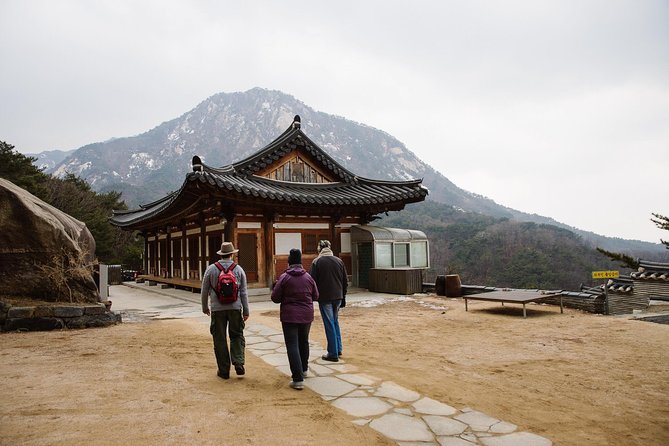
Your day starts at Gupabal Subway Station, gate 1, at 1:30 pm. From there, you board a brief bus ride to the trail head, and the bus fare is included. That simple detail is a hidden quality-of-life upgrade. Seoul has a lot of transit options, but getting everyone to the same mountain access point can be messy. This tour removes that friction.
Before the hike begins, the guide stretches with you. That’s not just feel-good routine. It helps on a route that starts with a long steep ascent. Even if you’re a regular hiker, a warm-up can make the first 30–60 minutes feel less punishing.
You’ll also get set up with a small-group pace from the start. Maximum six people means you’re not waiting for a large cluster to shuffle forward, and it’s easier for the guide to check who needs a slower rhythm.
If you’re the type who likes to feel prepared, it helps to know the tour uses a mobile ticket and confirmation comes at booking. It keeps everything low-drama once you’re in Seoul.
The hike rhythm: steep start, forested valley, and view breaks
The hike itself is generally about 4–5 hours, while the full experience runs about 6 hours including the travel and meals. That’s a solid length for a “afternoon reset” from city life. You get enough time to earn the views, but you’re not gone so long that the day disappears.
Expect the following pacing flow:
- A steep ascent near the beginning (the main effort point)
- An uphill move through an afforested valley
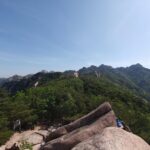
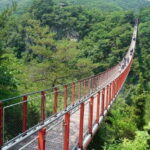
- A section that includes a cross path with spectacular views
- A descent toward Buddhist temples tucked into mountain nooks
No special equipment is required—no ropes, no harnesses. Still, you should treat it like a real hike. Comfortable shoes matter. Also, dress for the weather because the tour runs in all conditions.
A nice touch is that the guide can adjust the trail for different skill levels. The tour is described as medium-grade, but “medium” can mean different things depending on your background. With adjustments, it’s more likely you’ll finish feeling satisfied rather than wiped out.
Folktales on the trail: ghosts, goblins, and shaman lore with context
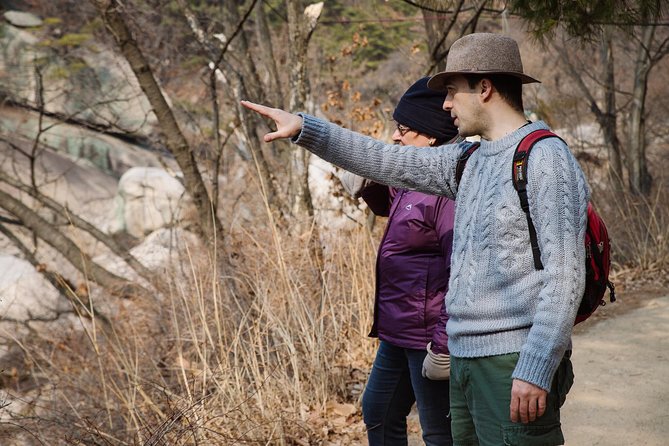
This is one of those tours where the stories genuinely matter to the walk. The guide shares legends and folklore tied to Korea’s mountain heritage as you hike. That includes supernatural themes like mountain ghosts and goblins, plus shaman-related elements.
What makes that feel authentic is timing. Stories land better when your body is doing something—climbing, stopping at viewpoints, and slowing down during a descent. Instead of hearing folklore in a classroom, you hear it while you’re surrounded by the kind of rugged terrain these tales traditionally attach to.
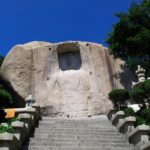
One review highlights shamans and caves, along with giant Buddhas, which fits the idea that temple spaces and mountain legends often overlap in Korea’s religious imagination. You’re not being asked to study theology. You’re being asked to notice the setting and connect it to the legends the guide shares.
If you’re into folklore or supernatural themes, this tour gives you exactly that—without turning it into a jump-scare gimmick. It’s more like walking through a living storybook where the mountain is the main character.
Temple stop on the descent: a calm pause in rugged settings
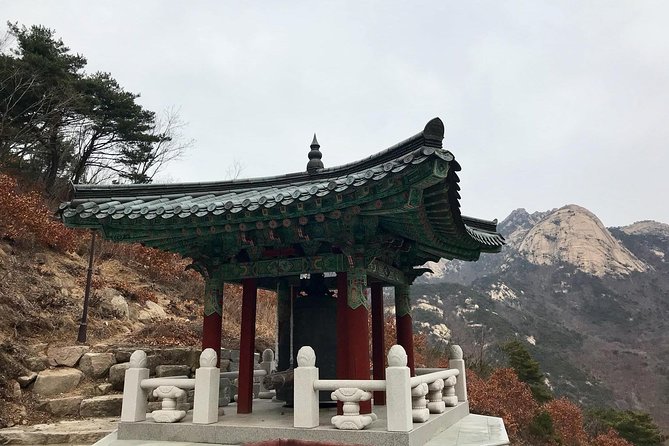
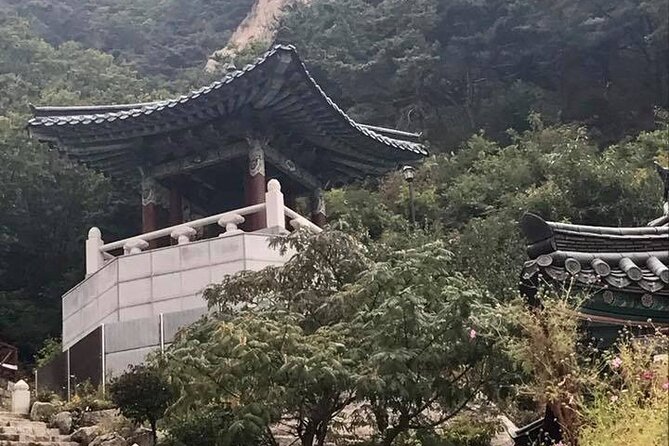
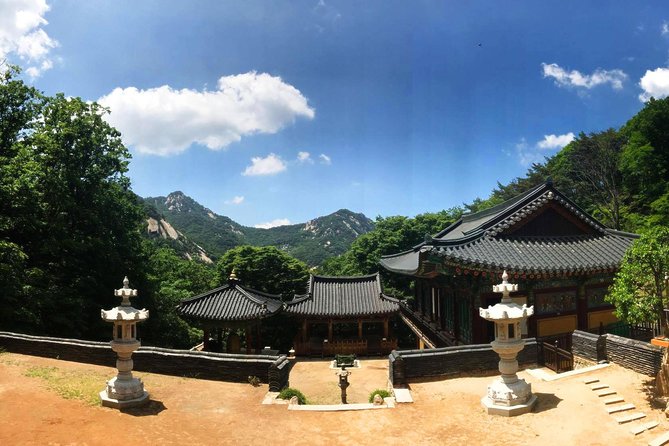
A standout part of the experience is the hidden Buddhist temple you’ll visit during the hike. It’s described as tucked into rugged mountain nooks, which is what you’d hope for: a break from open slopes and a shift into quieter, more reflective spaces.
This is also where the stories and the culture click together. The mountain legends you’ve been hearing stop being abstract. Temples in mountainous areas aren’t just buildings; they’re part of a long tradition of spirituality connected to nature, silence, and the rhythms of hiking terrain.
What should you look for? Since the exact layout isn’t specified here, focus on the atmosphere:
- Take a breath and slow down when you reach the temple area
- Notice how the environment feels tucked into the terrain
- Listen for how the guide connects what you’re seeing to shamanic and Buddhist themes
If you’re not usually a temple person, you might still enjoy this stop because it happens while you’re already moving through the mountain. It doesn’t feel like a separate “cultural stop” you have to force yourself to appreciate.




Lunch and included drinks: how the mountain restaurant experience works
After your hike, you finish at a local restaurant that caters to hikers. Food and drinks are included in the price, and alcoholic beverages are specifically listed as included. That’s a big deal for value: you’re not paying extra right when you’re hungry and tired.
The tour describes lunch as featuring unique mountain food and drinks. Since the exact menu isn’t provided, go in with an open mind. Mountain restaurants in Korea often lean into hearty, warming dishes that fit hikers’ needs. The best move is to eat what they recommend on the spot—when a place serves hikers, they usually know what works after a climb.
Practical tip: if you don’t drink alcohol, tell the guide. You can also advise dietary requirements at booking, so the group can plan around your needs as much as possible.
This meal is also your decompression window. You’ll have time to talk with your guide and other hikers, ask questions about the folklore you just heard, and trade notes on the steep parts of the climb.
Price and value: what $141.75 really includes
At $141.75 per person for a 6-hour experience, the key question is what you get for the money. Here’s what’s included:
- Professional guide
- Lunch
- Alcoholic beverages
- Bus fare to the trail head
- Mobile ticket convenience
What’s not included:
- Hotel pickup and drop-off
So yes, you’re paying for more than “someone walks you to a view.” You’re paying for a guided hike with folklore storytelling, a temple stop, and a structured meal with included drinks. That’s where the value lives.
Also, small-group size (maximum six) usually means less waiting and more attention. If you care about getting answers—like what the legends mean, or why certain temple spaces matter—this format helps.
The one potential mismatch is if you want a private, flexible hike. This tour is structured, and you’re meeting at a set time and location. But for people who want a smooth afternoon with culture and food included, the price feels fair.
Logistics that affect your comfort (and how to plan)
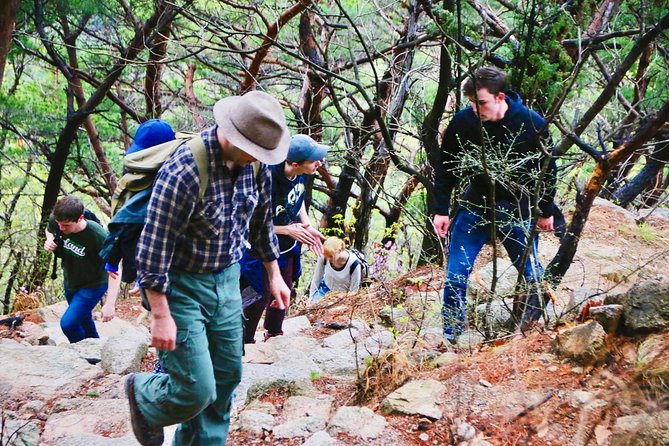
A few details can make or break your day:
- You need moderate physical fitness. The steep climb early is the main factor.
- The tour runs in all weather conditions. Dress appropriately.
- The tour starts at 1:30 pm and ends back at the same meeting point area.
- There’s no hotel pickup, so you’ll handle your own way to Gupabal Station.
If you’re coming from central Seoul, plan your subway timing so you arrive at Gupabal with breathing room. Since the group meets at a specific gate (gate 1), being late can be stressful.
If you ever need help reaching the provider, the guide contact is available via WhatsApp: +82 10-5595-6099. It’s useful if you’re trying to confirm you’re at the right stop or if you have a last-minute question.
Who should book this Seoul mountain folklore hike?
Book this if you want:
- A small-group hike that doesn’t feel like a cattle call
- Korean folklore—especially mountain ghost/goblin/shaman themes—tied to real places
- A temple visit that’s part of the hike, not a forced detour
- Lunch and drinks included, so your afternoon ends comfortably
Consider skipping if:
- You hate steep uphill starts. There’s one long steep ascent early on.
- You’re looking for a low-effort stroll. This is medium-grade hiking.
- You don’t want included alcohol. Alcohol is listed as included, though you can still choose not to drink.
If you’re in Seoul and you want one afternoon that feels like escape while still being well organized, this fits the bill.
Final verdict: should you book?
I think you should book this tour if you like hiking with a story thread—views plus culture plus food, all without a complicated day plan. The best parts are the folklore storytelling and the temple stop, and the meal with included drinks saves you from the late-hike “what now?” scramble.
If steep climbs scare you, treat that as your deciding factor. Otherwise, plan for medium effort, bring the right shoes, dress for the weather, and you’ll get a very Seoul-sized solution to a mountain day.
FAQ
How long is the hike, and how long is the full tour?
The hike itself is generally 4–5 hours, and the entire experience is about 6 hours (including the bus ride and meals).
How many people are in the group?
The tour has a maximum group size of six people.
What is included in the price?
Lunch, a professional guide, and alcoholic beverages are included. Bus fare to the trail head is also included.
Where do we meet, and when does the tour start?
Meet at Gupabal Subway Station, gate 1. The start time is 1:30 pm, and it returns to the same meeting point area.
Do I need special hiking equipment like ropes or harnesses?
No special equipment like ropes or harnesses is mentioned. The route includes a long steep ascent early, but it does not require that kind of gear.
What if the weather is bad?
The tour operates in all weather conditions and you should dress appropriately. If it’s canceled due to poor weather, you’ll be offered a different date or a full refund.