REVIEW · SEOUL
One Day DMZ and Seoul Private Tour
Book on Viator →Operated by OnedayKorea · Bookable on Viator
The DMZ hits hard. This guided day from Seoul turns the Korean Peninsula into something you can actually see, with stops like the third infiltration tunnel and views from Dora Observatory.
I like the hotel pickup and drop-off because the day runs on rails instead of you hunting taxis and schedules. I also like the human touch: guides such as Theo, Brian, Billy, Jonathan, Jay, and Kim are called out for being friendly, punctual, and clear with the story.
One thing to plan for: even on a private booking, DMZ entry can require switching to a shared government shuttle for security. That surprise matters if you’re counting on staying in your own vehicle the whole time.
In This Review
- Key things that make this tour work
- One Day DMZ and Seoul Private Tour: the real value
- Morning logistics: pickup, private vehicle, and the DMZ security reality
- Stop-by-stop DMZ viewing: tunnels, bridges, and the story behind the sights
- Imjingak Pavilion and the DMZ-focused introductions
- The third infiltration tunnel: where history becomes scale
- Unification Bridge: prisoner exchange in plain sight
- Odusan and other DMZ-adjacent sites (sometimes)
- Dora Observatory: propaganda village views and how to interpret them
- Balancing the day with Seoul time and Gyeongbokgung Palace
- N Seoul Tower: ending with a skyline reset
- Price and value: why $203.85 can be fair
- Tips so the day feels smooth (not stressful)
- Should you book this one-day DMZ and Seoul private tour?
- FAQ
- How long is the One Day DMZ and Seoul Private Tour?
- Is hotel pickup and drop-off included?
- What DMZ sites are included?
- Is lunch included?
- Is N Seoul Tower included in the price?
- How many people are in a booking?
Key things that make this tour work
- Hotel pickup and drop-off keeps the day simple, especially if you’re not near a major subway line
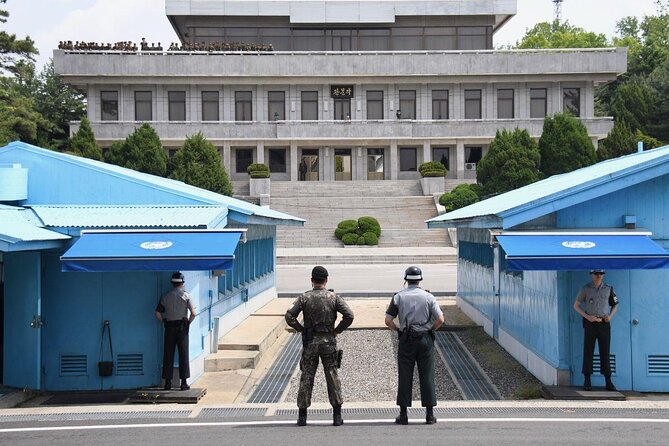
- DMZ landmarks include the third infiltration tunnel and Unification Bridge, with big-picture context from your guide
- Dora Observatory viewpoints let you look across at the propaganda village area and understand why it’s set up that way
- A paced Seoul add-on includes guided time in central spots and a visit to Gyeongbokgung Palace (entry not included)
- N Seoul Tower ends the day, with the optional observatory/cable car handled on your own
- Small group size (up to 8) makes questions easier and photo stops less chaotic
One Day DMZ and Seoul Private Tour: the real value
This tour is built for travelers who want the DMZ without spending half the day figuring out logistics. You’re not just collecting landmarks. You’re getting a guided timeline of how the conflict shaped what you see now.
The best part is the mix. The DMZ part gives you the tension and stakes in a very physical way. Then Seoul brings you back to daily life, with time for classic sights like Gyeongbokgung Palace and a skyline finale at N Seoul Tower.
At $203.85 per person for about 7 hours, it’s not a budget move. But you are paying for the “make it easy” layer: pickup, drop-off, private transport, and an English-speaking guide who helps you read what you’re looking at. For many visitors, that’s exactly the value you want.
You can also read our reviews of more private tours in Seoul


Morning logistics: pickup, private vehicle, and the DMZ security reality
The day starts with hotel pickup and ends with drop-off, which is a big deal in Seoul where time can vanish in traffic. You also get an English-speaking driver/guide and transport in a private vehicle, with a small-group setup that keeps things manageable.
Then comes the part worth knowing early. DMZ access can involve a transfer to a shared government-approved shuttle bus for security. That doesn’t mean the day stops being guided. It does mean you might briefly be in a larger vehicle than you expected, even if your booking is marketed as private.
So if you’re traveling with mobility needs, this is the one detail you should ask about before you go. You can still do the tour, but plan around the security transfer being a possible step. That single clarification can save a lot of stress.
Stop-by-stop DMZ viewing: tunnels, bridges, and the story behind the sights
The core DMZ experience is centered on several landmark stops that connect directly to the peninsula’s modern history. Your guide’s job is to make the place readable—why each location exists, what it was built for, and how it relates to the ongoing separation.
Imjingak Pavilion and the DMZ-focused introductions
You’ll start with DMZ area introductions that set the tone before you get to the big-ticket visual checkpoints. Imjingak Pavilion is the kind of stop that helps you understand the human side of the DMZ idea—families separated, stories turned into memorials, and the way geography becomes symbolism.
A good guide makes these first minutes count. When your guide is sharp, you’ll feel like you’re orienting yourself, not just standing in front of plaques.
The third infiltration tunnel: where history becomes scale
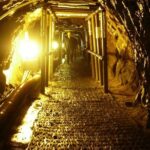
The third infiltration tunnel is one of the stops that tends to stick. Even if you’ve read about tunnels, nothing matches seeing how the design channels movement and control. This is a place where the physical scale helps you understand fear and planning—on both sides of the divide.
You may spend a shorter window at each checkpoint, but the guide framing matters. If your guide takes time to explain the logic of infiltration and defense, the visit feels longer than the minutes on the clock.
You can also read our reviews of more tours and experiences in Seoul



Unification Bridge: prisoner exchange in plain sight
Next is the Unification Bridge viewpoint. Your guide should connect this to the 1953 prisoner exchange context—because without that anchor, the bridge can look like just another structure in a tense setting.
What I like about a stop like this is the mix of calm and tension. It’s not shouting. It’s just there, with meaning built in. When you understand the backstory, you start noticing how the scene is staged and why those viewpoints were chosen.
Odusan and other DMZ-adjacent sites (sometimes)
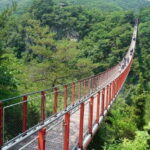
Some routes may add extra DMZ-related sights connected to the Imjingak area and nearby attractions. For example, there’s at least one observed plan that included Odusan Unification Tower and Imjingak displays such as the steam engine area, Skywalk, and Bridge of Freedom, plus the Beat 131 underground bunker.
If your schedule has room for extra stops, these are the kinds of additions that can make the day feel fuller.
Dora Observatory: propaganda village views and how to interpret them
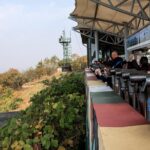
One of the headline experiences is looking out from Dora Observatory toward the propaganda village area. This viewpoint is designed to show you the reality of division, and your guide’s explanations are what keep it from turning into just a photo stop.
Here’s how I’d approach it: look for patterns, not just scenery. Ask yourself why certain structures are placed where they are. Then listen to how your guide explains what you’re seeing and why it stays in view.
If your guide is engaging, this is where the tour often turns from information to understanding. Guides can also help you manage expectations, since some places feel different than photos online. The perspective from Dora is still dramatic, but the meaning comes through the narration.
Balancing the day with Seoul time and Gyeongbokgung Palace
After the DMZ portion, the schedule shifts to Seoul sightseeing. You get guided time in popular spots—your day isn’t just a straight line from conflict to a souvenir shop.
Your plan includes 2 hours of Seoul sightseeing, with explanations designed to help you connect the dots between old and new Seoul. That’s useful because the DMZ can feel so heavy that you’ll want context for the city you’re returning to.
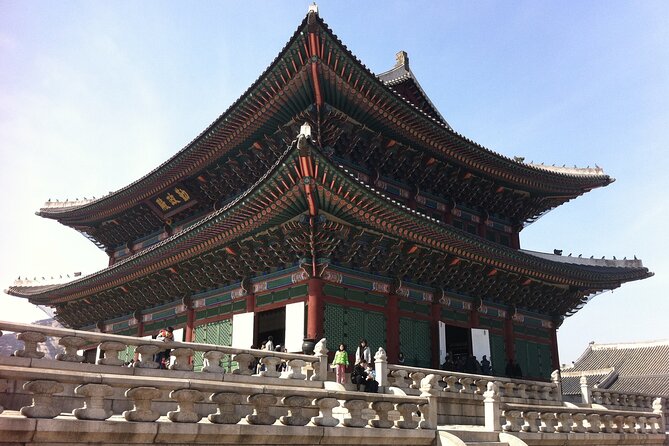
Then there’s Gyeongbokgung Palace for about 1 hour. Entry is listed as not included, so you should budget for it. Even if you’ve visited palaces before, this one works well in a DMZ day trip because it brings you back to long-standing Korean identity and architecture.
Practical tip: keep your phone charged. Palace grounds and palace entrances can take time, and you’ll want photos—but you don’t want to rush through the details.
N Seoul Tower: ending with a skyline reset
The day wraps with N Seoul Tower. This is where the stress level drops. You traded checkpoints and barriers for city views.
Your schedule includes time for the tower experience, but the observatory and cable car are optional and not included. In other words, you can choose what you want to pay for at the tower.
If you care about photos and you like skyline views, this final stop is a strong cap. If you’d rather save money, you can still enjoy the tower area without going all-in on the add-ons.
Also note the meal situation. Lunch is mentioned in the flow of the day, but food and drinks are not included, so plan on paying for meals yourself.
Price and value: why $203.85 can be fair
Let’s talk value in a real way.
You’re paying for:
- Hotel pickup and drop-off
- Private vehicle transport (with the possible security shuttle transfer noted above)
- An English-speaking driver/guide
- DMZ admission is listed as included for the DMZ stop time
You’re not paying for:
- N Seoul Tower observatory/cable car (optional)
- Gyeongbokgung Palace admission (not included)
- Food and drinks
So the “is it worth it?” answer depends on how you travel. If you’re comfortable doing logistics yourself, you could cut costs. If you’d rather spend your energy on seeing and learning, this pricing can make sense—especially with a small group of up to 8.
The other value point: the guides. When you get a guide who stays friendly, doesn’t rush, and clearly connects the dots—this tour feels worth every minute.
Tips so the day feels smooth (not stressful)
- Dress for waiting. DMZ days can include standing around, and weather changes quickly in Seoul. Layers help.
- Bring cash or a card for meals and entries you’re not covered for (Gyeongbokgung Palace, tower options, and food).
- Ask about the shuttle transfer if you have mobility or accessibility needs, since the security step can affect comfort.
- Wear shoes you can walk in. Even if each stop is short, you’ll still be on your feet.
- Set a realistic pace for photos. You can get lots of pictures, but the day is guided, so don’t plan on lingering forever at every viewpoint.
Should you book this one-day DMZ and Seoul private tour?
I’d book it if you want a guided DMZ day with a payoff that goes beyond seeing a border on a screen. The combination of tunnels, bridges, a major observatory viewpoint, and then Seoul’s iconic sites is a strong match for first-time visitors.
Skip it or ask extra questions if:
- You need fully private vehicle access end-to-end (the security shuttle transfer can change that)
- You dislike tours that require extra paid admissions and optional add-ons at the end of the day
If you want the DMZ plus Seoul without the headaches, this is one of the cleaner ways to do it.
FAQ
How long is the One Day DMZ and Seoul Private Tour?
It’s listed at about 7 hours.
Is hotel pickup and drop-off included?
Yes. The tour includes pickup and drop-off from your Seoul hotel.
What DMZ sites are included?
The tour highlights include the third infiltration tunnel and Unification Bridge, plus viewpoints at Dora Observatory. Imjingak Pavilion is also part of the planned DMZ area experience.
Is lunch included?
Food and drinks are listed as not included, even though lunch is scheduled during the day.
Is N Seoul Tower included in the price?
N Seoul Tower access options like the observatory and cable car are optional and not included.
How many people are in a booking?
This private tour allows a maximum of 8 people per booking, with a minimum of 2 people required per booking.
![[KoreaByLocal] Authentic Seoul Night Walk and Chicken & Beer - Stop 2: Jogyesa Temple and Korean etiquette in real life](https://m.discoveringseoul.com/wp-content/uploads/koreabylocal-authentic-seoul-night-walk-and-chicken-beer-400x267.jpg)