REVIEW · SEOUL
Small-Group DMZ Tour w/ North Korea Experience Hall & Susp.Bridge
Book on Viator →Operated by Seoul N Tour · Bookable on Viator
The DMZ is history you can stand beside.
This full-day tour pairs the DMZ sights with telescope views at Dora Observatory, then adds a dramatic walk over the Gloucester Heroes Suspension Bridge. I love that the day is structured so you get both the emotional human context and the physical reality of how close this divide really is, with guide-led stopovers like the 3rd Tunnel walk.
What I like most is the mix of stops that each explain a different piece of the Korean War story. The North Korea Experience Hall gives context before you look across, and the Tunnel 3 segment is the kind of hands-on experience that makes the facts stick.
The main drawback is that this is a strenuous day in a real place, not a museum-only loop. The tunnel walk includes stairs and inclines, and the suspension bridge can be closed or rerouted if weather or security affects access.
In This Review
- 6 Key Things That Make This DMZ Day Different
- Entering the DMZ From Seoul: How the Day Feels in Motion
- Morning in Imjingak Park: Freedom Bridge, Steam Trains, and Refugee Memory
- North Korea Experience Hall: Practical Context Before You Look Across
- Dora Observatory Telescopes: Seeing North Korea’s Border Reality
- Tunnel 3: The Climb, the Narrow Spaces, and Why It Sticks
- DMZ Exhibition Hall and the Artifacts That Make It Real
- Unification Village and the Human Meaning of the Border
- Gloucester Hill Memorial and the Gloucester Heroes Suspension Bridge
- Price and Value at $65: What You’re Actually Paying For
- Weather, Closures, and How Your Route Can Change
- Practical Tips That Make the Day Easier (and More Enjoyable)
- Should You Book This DMZ Tour?
- FAQ
- How long is the DMZ tour?
- Where does the tour start and end?
- Do I need a passport?
- Is lunch included?
- What does the price include?
- How big is the group?
- Which DMZ sites are included on the usual route?
- What happens if the Third Tunnel or Dora Observatory are closed?
- What if the suspension bridge is closed because of weather or security?
6 Key Things That Make This DMZ Day Different
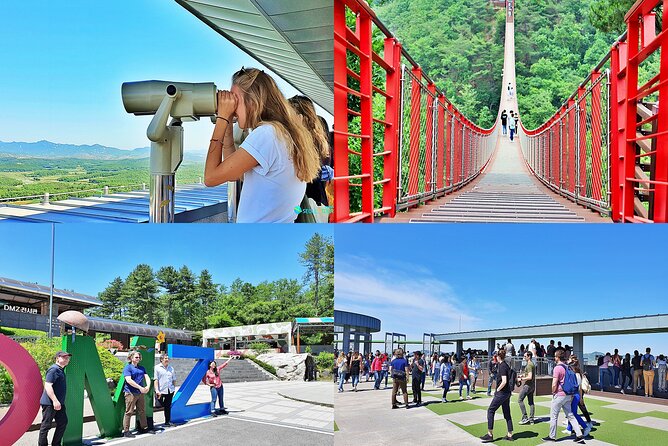
- Telescopes at Dora Observatory: you can view North Korea through guided optics, and on clear days you may even spot distant landmarks like the flagpole at Kijŏng-dong.
- Tunnel 3 is a real walk, not a photo stop: you’ll go into the tunnel on foot, so plan your legs for narrow steps and climbs.
- North Korea Experience Hall adds context fast: it’s designed to answer the basic questions so the rest of the DMZ stops hit harder.
- Imjingak Park hits emotionally: the Freedom Bridge and memorials connect the war to refugees and separation.
- A suspense-bridge finale: the Gloucester Heroes Suspension Bridge is a mountain suspension bridge experience built for big views after the DMZ intensity.
- Small-group size (max 16): you’re less likely to feel like a number, especially if your group ends up smaller.
Entering the DMZ From Seoul: How the Day Feels in Motion
This is a long, packed day that moves in a deliberate rhythm: early sightseeing, then the border-area highlights, then a return to Seoul with one last visual payoff. After a morning pickup, you ride in a climate-controlled coach to Imjingak Park and the DMZ area.
Expect a full-day schedule of about 9 hours with key stops built in. The tour typically ends around 4:50pm with a drop-off at City Hall Station, so it’s easy to build your evening plans afterward.
You can also read our reviews of more tours and experiences in Seoul.
Morning in Imjingak Park: Freedom Bridge, Steam Trains, and Refugee Memory
Your first real hit of meaning comes at Imjingak Pyeonghoa-Nuri Park. This is where war refugees once looked for answers, and the park’s monuments keep that story present with the Freedom Bridge and memorials.
You also see old steam trains in the area, which helps the day shift from politics to lived time. It’s a good starting point because it frames why the DMZ matters beyond maps.
Time-wise, plan for about 1 hour 30 minutes here. If you like to wander and take it slow, it’s one of the stops where you can actually do that before the more structured DMZ portions begin.
North Korea Experience Hall: Practical Context Before You Look Across
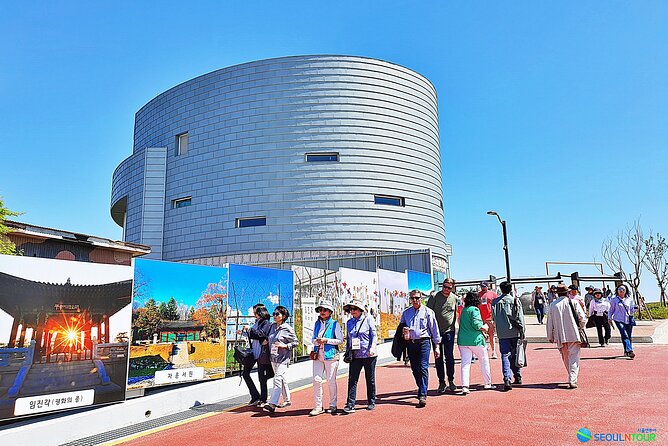
From Imjingak, the tour may include the North Korea Experience Hall (about 30 minutes). This hall is set up for straightforward education, so you’re not just staring through telescopes with no mental framework.
I like this stop because it helps you ask better questions while you’re at the more dramatic viewpoints later. It also reduces the awkward feeling of standing somewhere serious and only half understanding what you’re seeing.
On Mondays and certain closure days, this hall is part of the “special” course too. That flexibility matters if your schedule doesn’t land Tue–Sun.
Dora Observatory Telescopes: Seeing North Korea’s Border Reality
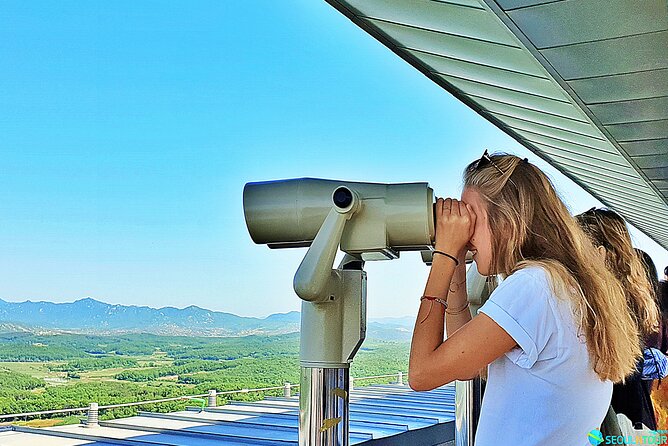
The best “wow” moment for many people is Dora Observatory. You reach Mt. Dora and then use telescopes trained toward North Korea’s side, focused on areas including the propaganda village just over the border.
On clear days, the itinerary notes that you can sometimes see the flagpole in Kijŏng-dong, which is the kind of detail that makes the view feel specific rather than vague. You get about 30 minutes here—enough time to find a good viewing spot without turning it into a long wait.
This stop is also where your guide’s voice really changes the experience. If you get a guide like BK or Roy, the commentary can turn the telescope view into something you understand, not just something you watch.
Tunnel 3: The Climb, the Narrow Spaces, and Why It Sticks
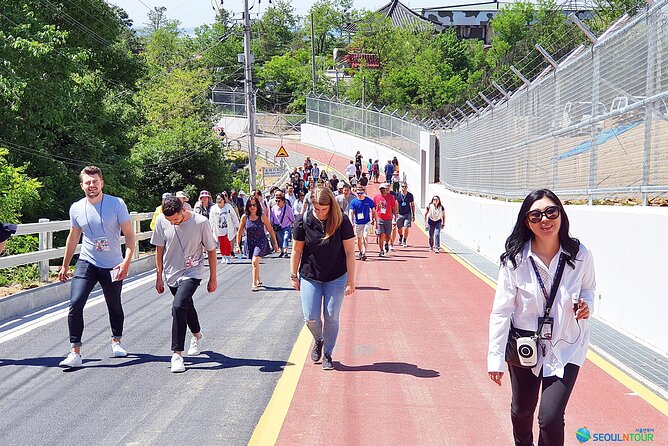
Next comes the 3rd Infiltration Tunnel, discovered in 1978 and built in the 1970s as part of North Korea’s military strategy. You spend about 50 minutes here, including the guided experience and time in the surrounding area.
Here’s the deal: this is not a gentle stroll. You’ll walk into the tunnel area on foot and there are steps and inclines. One of the most repeated practical tips from people who’ve done it is to wear comfortable shoes and expect exertion.
A “moderate physical fitness” level is recommended, and I’d treat that as honest advice. Even if you’re in shape, the narrow walking and climbs can slow some people down, so build in patience with the day.

DMZ Exhibition Hall and the Artifacts That Make It Real
After the tunnel, you move to the DMZ Exhibition Hall (time included within the DMZ block). This is where you see old weapons and watch a film that lays out the history of Korea’s division.
This stop is valuable because it gives you a way to connect what you just physically experienced (Tunnel 3) with the larger story behind it. Without something like this hall, Tunnel 3 can feel like a technical curiosity; with it, the tunnel becomes a piece of strategy and fear.
If you’re the type who wants both emotion and evidence, this is one of the best places to switch gears from staring to understanding.
Unification Village and the Human Meaning of the Border
On the way back, you’ll pass Unification Village, with your guide explaining the hope for reunification. It’s not just a photo stop; the point is to connect the border to real people’s daily longings and plans.
This is also where the tour’s tone often shifts. Instead of focusing only on what each side did, you start hearing what people wish would change—especially after the exhibitions and tunnel context.
Some guides also add personal storytelling moments, and in the provided experience notes that can include the perspective of a North Korean defector story. I’d file that under “expect something emotional,” not guaranteed, but possible.
Gloucester Hill Memorial and the Gloucester Heroes Suspension Bridge

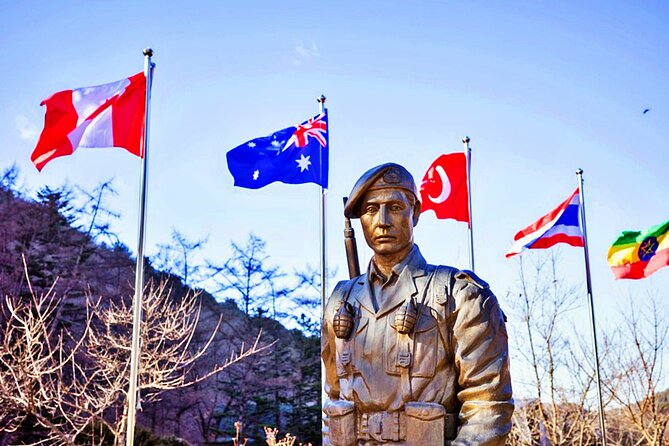
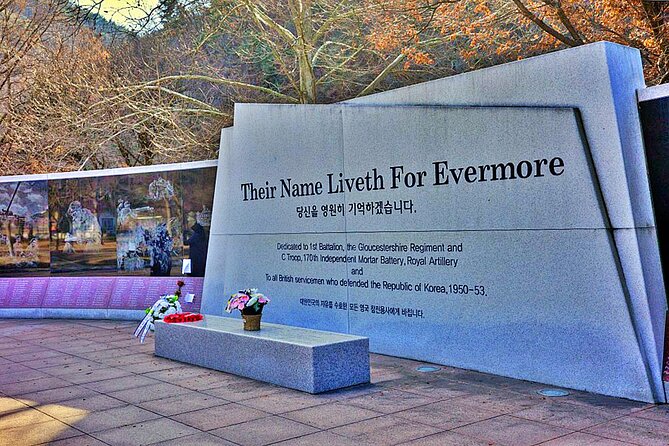
After returning toward Imjingak, you move to Gloucester Hill Memorial—an important battlefield during the Korean War. It’s the kind of stop that reminds you the DMZ isn’t only a political line; it’s also land where lives were spent.
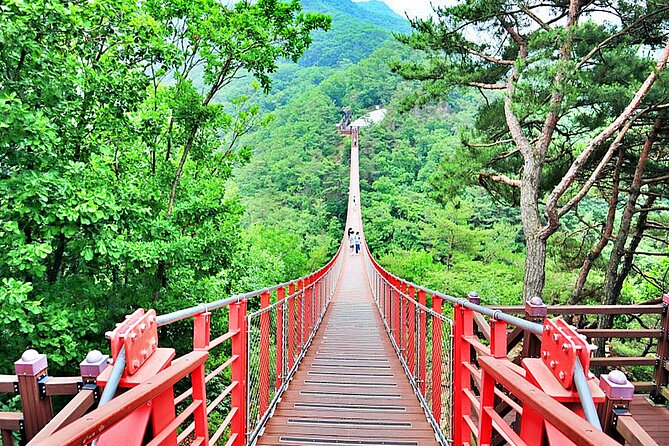
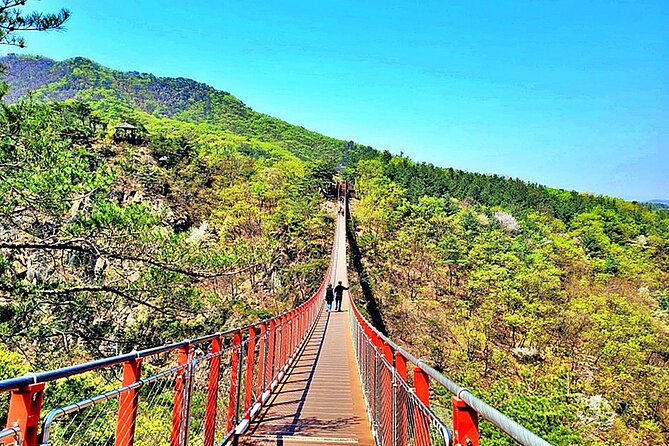
Then comes the grand finale: Gloucester Heroes Suspension Bridge, sometimes described by its location as Gamaksan Chulleong Bridge. The bridge opened in 2016 and is described as the longest mountain suspension bridge in South Korea, which is part of why the walk feels like a payoff.
You’ll have about 1 hour 30 minutes here. If weather is clear, it can feel like a release after the DMZ intensity. If it’s rainy or visibility is poor, you’ll still be doing the “stretch your legs, take in the view” part—just with less scenery.
One practical note: the bridge can be restricted or closed for military operations or weather. On those days, the tour may swap in alternatives like observatory visits instead.
Price and Value at $65: What You’re Actually Paying For
At $65 per person, this tour is priced to be more than a bus ride with quick stops. It includes professional guiding, transportation, and entrance fees for the included sites—so you’re not budgeting separately for each attraction.
What makes it good value is the density of experiences for one day: you get the DMZ core sequence (tunnel + exhibition + observatory) plus the Imjingak memory stop and then the suspension bridge finale. That blend is hard to replicate if you try to DIY parts of it in a day.
The small-group size cap (16) also matters. Less crowd pressure means more time to ask questions and adjust at the stops that need it—especially at the tunnel where pace can vary by walking comfort.
Weather, Closures, and How Your Route Can Change
DMZ tours run on reality, not wishful thinking. The experience operates year-round, but certain access points can close due to military or weather conditions—especially the 3rd Tunnel and Dora Observatory.
When that happens, you’ll switch to a special DMZ course that keeps the day meaningful. The alternatives listed include the North Korea Experience Center, DMZ Peace Gondola, Imjingak Pyeonghwa-Nuri Park, Gloster Hill Memorial Park, and the suspension bridge (or other bridge options).
If suspension bridge access is restricted due to heavy rain, snow, or security control, you may visit places like Odusan Unification Observatory or Majang Lake Suspension Bridge instead. So build your expectations around flexibility: you’re here for the border context, and the exact form it takes can shift.
Practical Tips That Make the Day Easier (and More Enjoyable)
Wear shoes you’d be happy to walk in for a long day with uneven surfaces and stairs. Bring water if you can—drinks aren’t included—and keep a light layer ready because you’ll be outside at multiple points.
Plan your energy for the tunnel portion. If you’ve got any mobility concerns, treat the narrow walking and inclines as the main deciding factor for whether the day will feel comfortable.
Also show up ready at the start time. The tour starts on time at the meeting point, and being late can cut into your buffer at the DMZ sites.
If you care about language clarity, it’s smart to pick a day when your guide’s English is strong for your needs. While most guides are praised for making the day understandable, there’s also at least one note about unclear audio in a group setting—so don’t assume perfect comprehension.
Should You Book This DMZ Tour?
Book it if you want a single-day DMZ experience that combines major checkpoints with a guided explanation, and you’re ready for real walking. This is one of the better choices when you want the emotional context at Imjingak, the physical “close-up” impact of Tunnel 3, and the telescope view at Dora Observatory—all without needing extra planning.
Skip it (or choose a different style of outing) if you’re not comfortable with stairs, narrow tunnel conditions, and a day that can feel physically demanding. If your schedule includes a Monday or dates with possible weather/security disruptions, know the route can shift, but the tour still aims to deliver the DMZ story using alternates.
If you love history but want it to feel human—war, refugees, division, and hope—this day trip is built for that. And if you’re the type who needs one unforgettable payoff at the end, the suspension bridge finale gives you a dramatic visual close to a heavy topic.
FAQ
How long is the DMZ tour?
It runs about 9 hours (approx.) from the morning through early evening.
Where does the tour start and end?
It starts at City Hall Station, Seoul, South Korea and ends back at City Hall Station around 4:50pm.
Do I need a passport?
Yes. A current valid passport is required on the day of travel.
Is lunch included?
No. Lunch is not included.
What does the price include?
It includes pickup, a professional guide, and all fees and taxes, plus transportation to the stops.
How big is the group?
The tour has a maximum of 16 travelers.
Which DMZ sites are included on the usual route?
The standard course (Tuesday to Sunday) includes the North Korea Experience Hall, Imjingak Park, Dora Observatory, the Third Tunnel, and the suspension bridge.
What happens if the Third Tunnel or Dora Observatory are closed?
On Mondays, public holidays, or when those sites are closed due to military or weather conditions, the tour uses a special course that includes options like the North Korea Experience Center, Imjingak Pyeonghwa-Nuri Park, DMZ Peace Gondola, and Gloster Hill Memorial Park, along with the suspension bridge.
What if the suspension bridge is closed because of weather or security?
If the bridge is closed (heavy rain, snow, or security control), the itinerary can shift to places like Odusan Unification Observatory or Majang Lake Suspension Bridge.