REVIEW · SEOUL
DMZ Tour with Pistol Shooting Experience from Seoul
Book on Viator →Operated by I Love Seoul Tour · Bookable on Viator
DMZ and pistol practice in one long day. I love how this tour pairs hard-to-see DMZ locations with an included pistol shooting experience, and I like that the whole day runs with a professional guide. One consideration: the DMZ is military-run, so passport checks and timing can shift, especially with weather or training.
You’ll start in central Seoul at Myeong-dong Station, then ride in air-conditioned comfort while your guide sets the scene. The group is capped at 30 people, so you usually get a bit more attention than big-coach chaos, and the stops are timed so you can actually absorb what you’re looking at.
The day hits a mix of quiet and intensity: the Imjingak war-related memorial space, the DMZ exhibition area, the Third Infiltration Tunnel, and the Dora Observatory viewpoint. Then it switches gears to practical fun at a real shooting range back in Myeong-dong—an unusual pairing that still makes sense once you’ve seen how the peninsula is split.
In This Review
- Key highlights to look for
- Starting at Myeong-dong Station for a 7.5-hour DMZ day
- Imjingak Park: the war-era “setup” stop before you reach the line
- DMZ theater and exhibition hall: where the rules and context meet
- Walking into the Third Infiltration Tunnel
- Dora Observatory: binocular views of the north side
- Dorasan Train Station: a future-connection stop you can photograph
- Myeongdong Real Gun Shooting Range: the pistol practice slot
- Price and value: why this $35 day can be a bargain
- Guide quality can make or break the day (Julie and Jinny stand out)
- No hotel pickup, no shopping detours, and a firm group pace
- What could disrupt your plan: DMZ military control and weather
- Who this DMZ tour fits best
- Should you book this DMZ tour with pistol shooting?
- FAQ
- Do I need a passport for this DMZ tour?
- How long is the tour from start to finish?
- Where do I meet the group and where do I end?
- Is lunch included?
- Is pistol shooting included, and how old do you have to be?
- Does this tour stop at shopping centers?
- How big are the groups?
Key highlights to look for
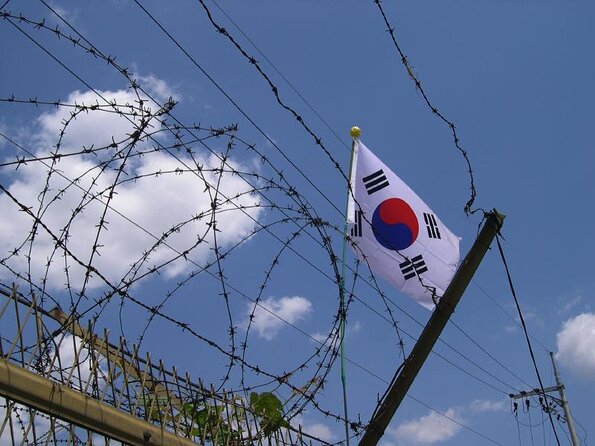
- A full DMZ loop that includes the Third Infiltration Tunnel and Dora Observatory, plus other nearby DMZ-linked stops by bus
- Binocular views from Dora Observatory, where you can scan toward Gaeseong/Kaesong areas mentioned in the tour plan
- The included pistol-shooting slot after the DMZ, timed as a separate activity in Myeong-dong
- Real logistics help: meet at Myeong-dong Station, travel by A/C vehicle, and no shopping-center detours
- Small-ish group size with a maximum of 30 travelers, so questions can actually get answered
- Passport required on the day, because the DMZ is controlled by the military
Starting at Myeong-dong Station for a 7.5-hour DMZ day
This is a long, single-day outing—about 7 hours 30 minutes—built around getting you out of the city, through the checkpoints, and back before you’re mentally done with history. The meeting point is Myeong-dong Station, and the tour ends back in Myeong-dong.
You won’t have hotel pickup or drop-off, so I’d plan to reach the station calmly, not sprinting. The bus ride is air-conditioned, which matters because the DMZ day can stretch based on road conditions and military scheduling.
You can also read our reviews of more tours and experiences in Seoul.
Imjingak Park: the war-era “setup” stop before you reach the line
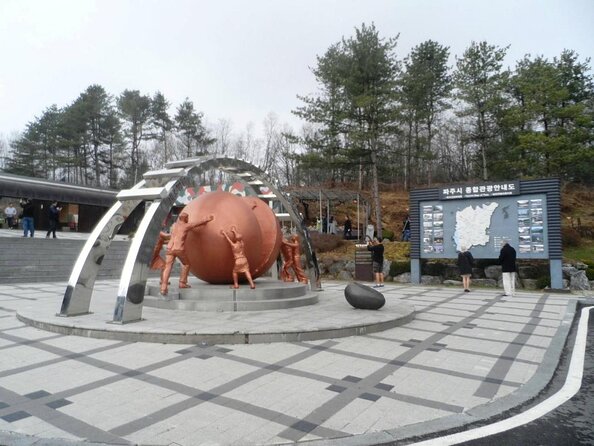
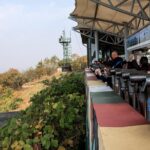
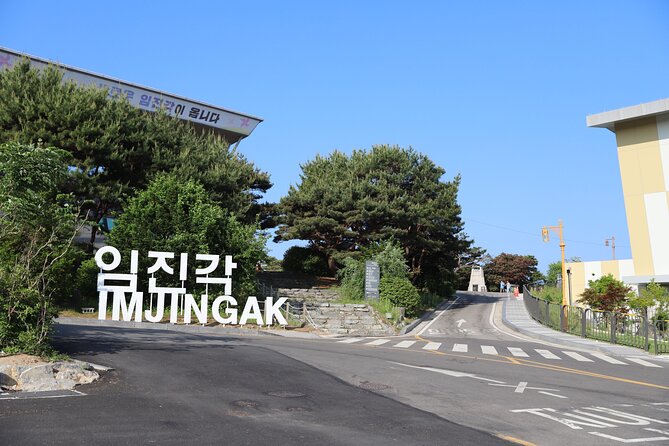
Your first scheduled stop is Imjingak Pyeonghoa-Nuri Park, about 7 km from the Military Demarcation Line. This park was built in 1972 with the hope that unification would one day be possible, and it’s strongly tied to the Korean War.
Expect about 20 minutes here, including admission. This is a good breather stop—not because it’s light, but because it gives you context before the day turns more formal and controlled.
A practical note: the tour is structured, so you’ll likely be moving from explanation to viewing to the next location. If you like reading panels slowly, keep that in mind and don’t wait until the very end of the visit to try to catch everything.
DMZ theater and exhibition hall: where the rules and context meet
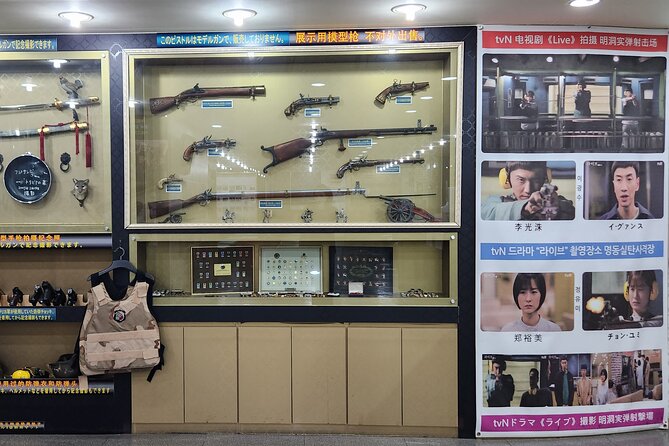
Next you arrive at the DMZ area and go through the kind of passport checking that makes it feel real fast. You can also expect a quick visit to the DMZ theater and exhibition hall, where you’ll see a short video and exhibits that explain the division and the history behind it.
The scheduled time at the DMZ stop is about 30 minutes, and admission is included. This isn’t a museum you can wander for hours, so I’d focus on what helps you understand the other stops: how the line works, why certain sites matter, and what you’re seeing when the scenery suddenly changes.
One small drawback to accept: there’s not much free-roam time here. The point is to process information efficiently and stay on schedule for the more time-sensitive sites like the tunnel and observatory.
Walking into the Third Infiltration Tunnel
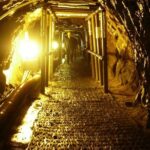
The Third Infiltration Tunnel is the star stop for a lot of people. South Korea discovered it in 1978, and the tour describes it as roughly 1,635 meters long, about 2 meters wide, and around 2 meters high.
It’s located 52 km from Seoul, and the guide will explain how many troops it could theoretically move. The plan states an estimate of around 30,000 soldiers per hour—a number that lands differently once you’re imagining the squeeze and the purpose-built engineering.
You’ll have about 40 minutes at the tunnel, including admission. It’s one of those places where the physical experience helps the story stick. Still, it’s not the place for anyone who hates enclosed spaces or tight, controlled movements, since the tunnel is built for passage rather than comfort.
Dora Observatory: binocular views of the north side
After the tunnel, you head to Dora Observatory, with about 30 minutes included. This is the viewpoint where you look across the DMZ and scan toward North Korean locations using binoculars provided as part of the experience.
The tour plan specifically calls out views that may include Gaeseong, Songaksan, the Kim Il-Sung Statue, and Cooperation Farm (Geumamgol). You can also be shown the propaganda village inside the DMZ, described in the tour materials as a remnant of the old prosperity, and you may be able to see as far as Kaesong.
Here’s the value: it turns the DMZ from an idea into something you can point at—even if conditions limit how crisp everything looks. Weather matters, too. Fog or heavy haze can reduce what you’ll realistically make out through binoculars, so be mentally ready for “good attempt” rather than perfect clarity.


Dorasan Train Station: a future-connection stop you can photograph
The itinerary also includes a stop at Dorasan Train Station, built to connect the two Koreas in the future. You don’t get an all-day wandering session, but it’s an important contrast to the tunnel and observatory.
Why this matters: you’re not only seeing division; you’re also seeing the infrastructure built for reunification. In a day full of military-built context, Dorasan offers a brief reminder that the plan for the peninsula has always included connection attempts.
Bring a camera and expect photos, but don’t count on every angle. This is still a controlled area, and you’ll be moving with the group.
Myeongdong Real Gun Shooting Range: the pistol practice slot
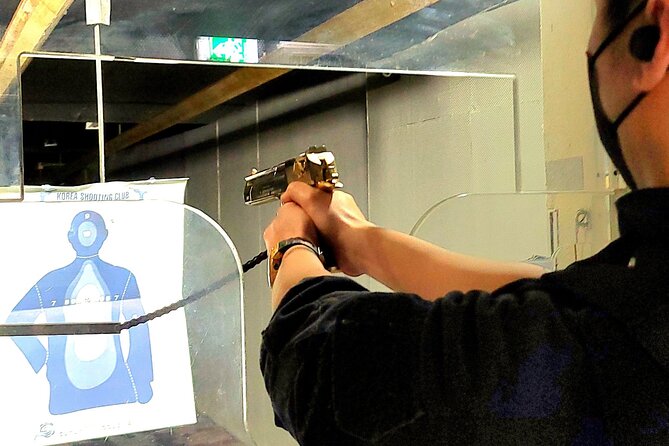
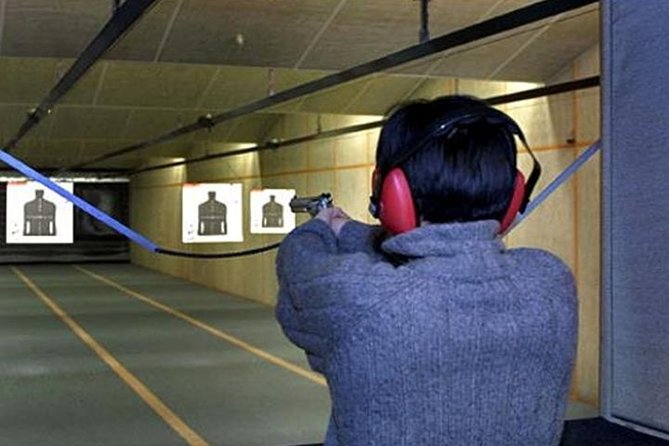
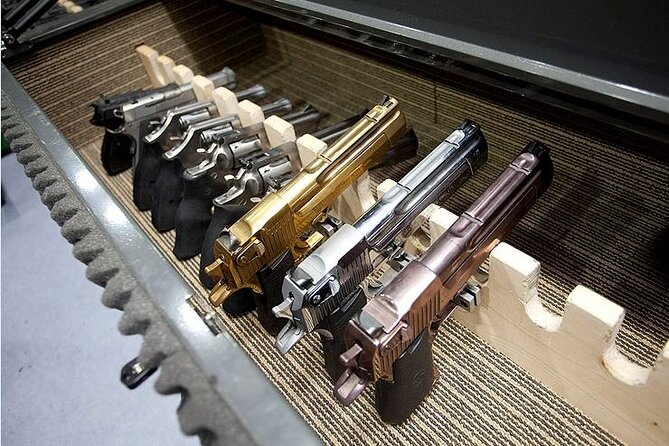
After the DMZ, the tour swings back to a very different activity: pistol target practice at a shooting range in the Myeong-dong area. The scheduled time is 20 minutes, and admission is included.
The minimum age for participants is 14, and that matters for planning if you’re traveling with teens. The experience is included, but you should assume you’ll follow range instructions closely, since the entire setup runs on safety rules first.
What I like about this pairing is how it changes the mood without changing the theme. You’ve just spent the day studying military logic, infrastructure, and boundaries. Then you handle a regulated activity where safety and procedure are front and center. It’s not the same thing as war, but it does give you a grounded sense of how weapons training and rules fit into real life.
Price and value: why this $35 day can be a bargain
At $35, this tour is priced like a budget-friendly “get out of Seoul and see the key DMZ stops” option—especially because it includes more than just a bus ticket. You’re also getting a professional guide, air-conditioned transportation, and the DMZ-related admissions plus the pistol-shooting experience.
The two biggest costs people often forget on day tours are time and meal planning. Lunch and food/drinks are not included, so you’ll want to eat before you start or plan to buy something on your own during the day if there’s no included break.
If you’re trying to stack value in a single day—without spending extra on separate ticket tours—this layout makes sense. Just don’t treat it like a relaxed sightseeing cruise. The schedule is the product here.
Guide quality can make or break the day (Julie and Jinny stand out)
A DMZ day is information-heavy, and the guide has to translate a lot quickly: what you’re seeing, why it matters, and how to interpret the view from each site. Based on what I’ve seen emphasized, guides such as Julie and Jinny were highlighted for being enthusiastic, helpful, and able to answer questions.
That’s not just comfort—it affects your real experience. If the guide speaks clearly and guides your attention to the right panels, the shorter stop times feel way more satisfying. If English is weak or the group keeps getting rushed, you’ll leave feeling like you only got snapshots instead of understanding.
So when you book, I’d treat the guide’s communication as part of the value. This isn’t the place to tune out.
No hotel pickup, no shopping detours, and a firm group pace
This tour is straightforward: meet at Myeong-dong Station, ride with the group, and return there at the end. There are no hotel pickup/drop-off services, so don’t assume you can be picked up near your hotel.
It also doesn’t stop at shopping centers. That’s a plus if you hate time-wasting add-ons. It means you’ll have fewer “extra” chances to buy snacks or souvenirs, so pack a bit of flexibility for food and water on your own.
With a maximum of 30 travelers, the pace is usually manageable, but the stops still run on tight timing. If you want slow reading and lingering, you may need to do some extra self-study back in Seoul.
What could disrupt your plan: DMZ military control and weather
The DMZ is operated by the military, so the trip may be canceled without prior notice. Even if it runs, schedules can shift due to road conditions like traffic or weather like dense fog, heavy snow, or storms.
This is one of those days where you should travel with patience and keep your expectations flexible. The good news is the tour operator signals that they’ll try to improve situations when they happen, and they may use an alternative itinerary if the main route can’t run.
If your schedule is tight and you can’t absorb a change, that risk is the main consideration. It’s not a “maybe they’ll be late” situation. It’s a military-run “some days are just different” reality.
Who this DMZ tour fits best
This tour is a strong fit if you want:
- the major DMZ sites in one day, without separate planning
- a guided explanation that connects stops into one story
- the unusual bonus of pistol shooting after the DMZ
It’s less ideal if:
- you dislike enclosed spaces (the Third Tunnel is a real physical experience)
- you need a slow, unstructured itinerary
- you’re very sensitive to schedule changes due to weather or military decisions
Also keep the physical requirement in mind. The tour notes a moderate physical fitness level, which likely means walking and controlled movements without huge downtime between stops.
Should you book this DMZ tour with pistol shooting?
If you’re in Seoul for a limited time and you want DMZ context that actually ties multiple sites together, I think this is worth considering. The combination of tunnel viewing, Dora binocular views, and the included pistol shooting makes it feel like more than a basic “bus-and-photos” day.
The deal-breaker isn’t the content—it’s flexibility. Bring a passport, accept that checkpoints and military timing can change the day, and plan your meals because lunch isn’t included.
If you’re excited by practical, real-world access to the DMZ story and you’re curious about the included shooting range experience, book it. If you only want a guaranteed, fully predictable schedule, you may want a backup plan for your Seoul days.
FAQ
Do I need a passport for this DMZ tour?
Yes. You need a current valid passport on the day of travel because there’s passport checking by soldiers at the DMZ.
How long is the tour from start to finish?
The tour is about 7 hours 30 minutes.
Where do I meet the group and where do I end?
You meet at Myeong-dong Station in Seoul. The tour ends back at Myeong-dong with drop-off in the same area.
Is lunch included?
No. Lunch time, food, and drinks are not included.
Is pistol shooting included, and how old do you have to be?
Yes, the pistol shooting experience is included. The minimum age for participants is 14.
Does this tour stop at shopping centers?
No. This tour does not stop at any shopping centers.
How big are the groups?
The tour has a maximum of 30 travelers.