REVIEW · SEOUL
Ganghwa Island – Full day private tour
Book on Viator →Operated by Top Korea Tour · Bookable on Viator
North Korea is closer than you think. This private day trip from Seoul gives you a calm break from city life while packing in fortress history and frontier-era religious sites on Ganghwa Island. You ride with a dedicated driver-guide, so the story connects from stop to stop instead of feeling like a checklist.
A standout I like: you get personal context from a guide—including key 19th-century conflicts—so the island’s importance clicks fast.
Another thing I really like is how the day ends at the Peace Observatory, where you can use binoculars to look across the border area. It’s one of the rare travel moments that feels both scenic and real at the same time.
One possible drawback: lunch isn’t included, so you’ll want to plan your own meal breaks during the day (and the optional seaside resort add-on isn’t covered either).
In This Review
- Key highlights at a glance
- From Seoul to Ganghwa in One Long, Focused Day
- Gwangseongbo Fortress: When Joseon Felt the World Push Back
- Jeondeungsa Temple in a Fortress Setting
- Ganghwa Seaside Resort: The Optional Luge Add-On
- Ganghwa Pungmul Sijang Market: Local Products, Real Island Life
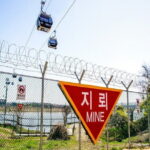
- Peace Observatory: Binocular Views of North Korea Across 2 km
- Yeonmijeong Pavilion and the Anglican Cathedral: Views and Western Footprints
- Price and What You Really Get for $220
- Who This Private Tour Fits Best
- Quick Tips Before You Go
- Should You Book This Ganghwa Island Private Tour?
- FAQ
- What is the tour duration and start time?
- How much does the private tour cost?
- What is included in the price?
- Is lunch included?
- Can you really view North Korea from the island?
- Is this a private tour or shared group?
- FAQ
- Can I cancel for free?
Key highlights at a glance
- Binocular views at the Peace Observatory with North Korea activity visible across about 2 km
- War-era sites tied to Ganghwa’s role in conflicts involving the U.S. (1871) and France (1866)
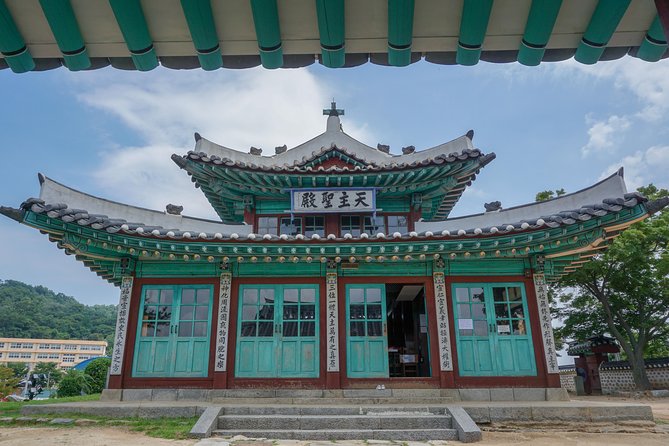
- Buddhist temple stop in a fortress setting at Jeondeungsa
- Market time at Ganghwa Pungmul Sijang to see island specialties
- Hotel pickup and a private vehicle, so your pacing stays comfortable
From Seoul to Ganghwa in One Long, Focused Day
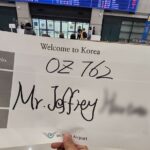
This is an 8-hour private tour starting at 8:30 am, with hotel pickup and drop-off in Seoul. You travel by air-conditioned minivan, and the driver is also your guide, which matters more than you’d think. On a day like this, the “why” makes the scenes more meaningful—especially when you’re moving between military history, temple culture, and border viewing points.
Ganghwa Island is close enough to make a full day practical, but far enough that you actually feel the shift from Seoul. The schedule also avoids the common problem of doing too much in a short window, since each stop gets a reasonable block of time. You’re not rushing to earn your photos; you’re watching, then learning.
If you have moderate physical fitness, you should be fine. Some spots may involve walking outdoors, so wear shoes you’re happy with for a few hours of uneven ground and stair-adjacent terrain.
You can also read our reviews of more private tours in Seoul


Gwangseongbo Fortress: When Joseon Felt the World Push Back
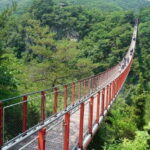
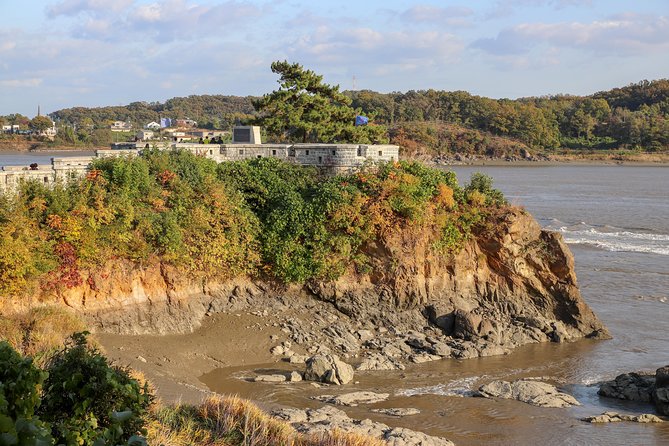
Your first major stop is Gwangseongbo Fortress for about 30 minutes (admission included). This is where the island’s military importance becomes crystal clear. The fortress area is tied to battles in the 1871 conflict involving the U.S., and the site helps you understand why Ganghwa mattered so much to the Joseon dynasty.
What I like about starting here: it sets the island’s “stage.” You’re not just looking at old walls; you’re learning why those walls existed where they did. When later you see temples and pavilion views, you’ll already understand that this island wasn’t only scenic—it was strategic.
Practical note: it’s a fortress and a historical landscape, so expect open-air time. If it’s a bright day, bring sun protection.
Jeondeungsa Temple in a Fortress Setting
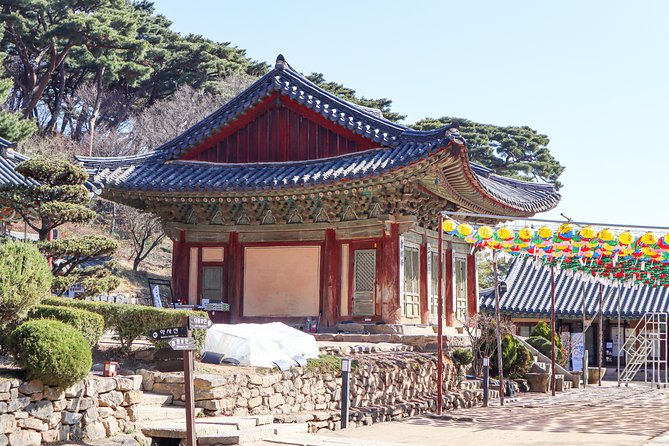
Next is Jeondeungsa Temple for around 40 minutes (admission included). The key detail here is that this isn’t a generic temple stop. Jeondeungsa is associated with the Samrangseong fortress battle context, including clashes involving France in 1866.
Inside, you’re here for Korean Buddhist culture, but the larger value is how the guide frames the site as part of the island’s layered past. It’s a reminder that religious places weren’t isolated from political conflict. They were still tied to the realities on the ground.
A drawback to consider: temple stops can involve a bit of walking and changes in light and temperature, especially in mountainous areas. If you’re sensitive to that, plan for a slower pace and take breaks when you need them.
Ganghwa Seaside Resort: The Optional Luge Add-On
You then have a 50-minute stop at Ganghwa Seaside Resort with admission not included. This is an optional-feeling moment on the schedule, especially if you want something more playful between history stops. The big attraction mentioned is a luge ride down the hill, if you’re interested in it.
I like this stop because it breaks the day’s heavier theme. Even if you don’t do the luge, the seaside resort timing can help you reset before the border-area viewing points.
If you do plan on the luge: budget for it separately. Since the tour lists resort admission as not included, the ride is clearly on you.
Ganghwa Pungmul Sijang Market: Local Products, Real Island Life
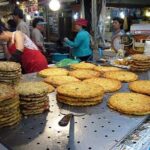
For about 30 minutes, you’ll stop at Ganghwa Pungmul Sijang, and this part is free. Markets like this are valuable because they show you what the island is known for in everyday terms, not just in historic terms.
I find these market stops work best when you treat them as browsing, not shopping pressure. Look around, ask your guide what’s seasonal or what locals buy, and pick up small snacks if you feel like it. Even if you skip purchases, the market gives your day texture.
You can also use this time to handle your own meal planning. Since lunch isn’t included, the market can help you decide what to eat later—or what snack to carry you through until your next stop.
You can also read our reviews of more tours and experiences in Seoul

Peace Observatory: Binocular Views of North Korea Across 2 km
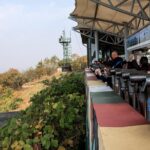
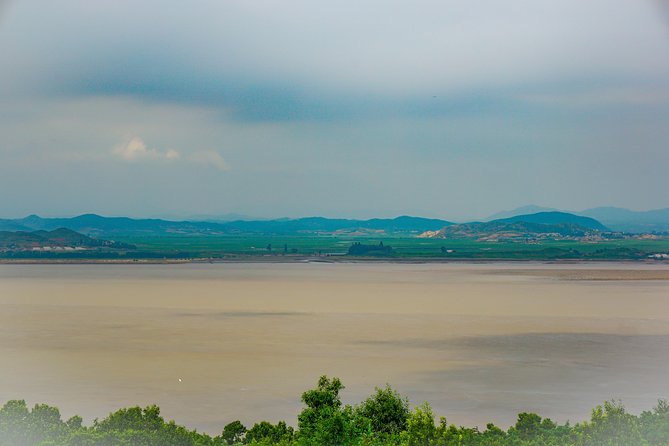
The emotional centerpiece is Ganghwa Peace Observatory (about 40 minutes, admission included). Here you can see North Korean people’s living using binoculars. The tour information highlights that North Korea is only about 2 km away from the island, which makes this stop feel more immediate than border viewing points that are far removed.
This is also the moment where your earlier historical context pays off. You’re not just staring at a political boundary; you’re connecting it to the island’s history as a gateway and a lookout area. The “why” becomes visible.
What to expect: you’re viewing through binoculars, so the activity can be clearer in good visibility conditions. If it’s foggy or lighting is poor, your view might be limited, but you still get the proper viewing setup and perspective.
If you’re coming with questions—about daily life, distance, or the sense of proximity—this stop is where the guide’s framing can be the most helpful. Pay attention to explanations rather than only chasing photos.
Yeonmijeong Pavilion and the Anglican Cathedral: Views and Western Footprints
After the observatory, you’ll stop at Yeonmijeong Pavilion for about 30 minutes (free). This is a viewpoint stop focused on scenery and another peek at North Korea. I like pavilion breaks because they slow you down. You look, you orient, and suddenly the island geography makes more sense.
Then comes Ganghwa Anglican Cathedral for around 30 minutes (free). The cathedral ties to a specific historical angle: Ganghwa Island was considered an entrance to Seoul, and westerners came there first. This site is presented as evidence of that early western presence.
That combination—pavilion views, then a cathedral—makes the day feel balanced. You go from tense border reality to a site that reflects how the world’s reach touched the peninsula. The guide can help you place these western connections without making them feel random.
Price and What You Really Get for $220
At $220 per person, this private tour isn’t a bargain in the way cheap group bus trips are. But it does have built-in value that justifies the price for many people—especially couples, small families, or anyone who wants a guide to explain context.
Here’s what’s included:
- Hotel pickup and drop-off within Seoul
- Air-conditioned minivan transport
- A driver cum guide for the full day
- Bottled water
- Entrance fees listed in the itinerary
And what’s not included:
- Lunch
- Ganghwa Seaside Resort admission/luge ride (the seaside resort stop is optional and not covered for admission)
So the smart way to think about the cost is this: you’re paying for private logistics plus guided interpretation plus several included admissions. If you’re the type who likes to understand what you’re seeing (and not just pass by it), the math usually works out.
Also note: the tour requires a minimum of 2 people per booking, so it’s designed for small groups rather than solo travelers.
Who This Private Tour Fits Best
This day trip is a strong fit if you want:
- A private, personalized pace (your group only, no mixing)
- History with context, not just dates
- A rare border-area experience where you actually use binoculars
- A break from Seoul that still stays structured enough to finish in one day
It’s also a good choice for first-timers who want to set the tone for Korea beyond Seoul’s streets. The day mixes fortress sites, Buddhist culture, a traditional market, and viewpoint stops—so you get multiple “sides” of the country in a single shot.
If you hate planned structure, or you prefer to wander with zero schedule, you might feel a little boxed in. This is still an itinerary-driven private tour.
Quick Tips Before You Go
- Bring something for sun and light exposure since parts of the day are outdoors.
- Plan for lunch on your own, since it’s not included.
- If you care about the luge: treat it as an add-on and budget accordingly.
- If border-area viewing matters to you, stay attentive during the guide’s explanations. The context changes how you interpret what you see.
Should You Book This Ganghwa Island Private Tour?
I’d book it if you want your day trip to feel guided, meaningful, and well paced—especially because the Peace Observatory binocular stop adds a real sense of proximity to North Korea. The other historic stops also do more than look old: they’re tied to specific conflicts and turning points, which helps the island feel connected rather than random.
Skip or rethink it if you’re mainly hunting for food-market wandering with zero structure, or if you strongly prefer tours that include lunch and extra activities. Since lunch isn’t included and the seaside resort is optional/not covered for admission, you’ll want to plan your own meal strategy.
FAQ
What is the tour duration and start time?
It runs for about 8 hours and starts at 8:30 am.
How much does the private tour cost?
The price is $220.00 per person.
What is included in the price?
Hotel pickup and drop-off in Seoul, transport by air-conditioned minivan, a driver cum guide, bottled water, and entrance fees listed in the itinerary.
Is lunch included?
No. Lunch is not included.
Can you really view North Korea from the island?
At the Ganghwa Peace Observatory, you can use binoculars to see North Korean people’s living, and the tour notes North Korea is about 2 km away.
Is this a private tour or shared group?
It’s private. Only your group participates, and it requires a minimum of 2 people per booking.
FAQ
Can I cancel for free?
Yes. You can cancel up to 24 hours in advance for a full refund. If you cancel less than 24 hours before the start time, the amount paid is not refunded.