REVIEW · SEOUL
[DMZ Adventure] DMZ and optional Boat Voyage in River
Book on Viator →Operated by PLK TRAVEL · Bookable on Viator
A day at the DMZ changes how you see Korea. This tightly run Seoul outing covers the Korean Demilitarized Zone highlights with smooth roundtrip transport and entry fees handled for you. I also love how the tour guides I met through this format—like Paul, Julie, Joey, Jun, and Lucy—keep things funny and clear, even when the subject matter is heavy.
My second big plus: you get a lot packed in (Imjingak, a tunnel walk, and Dora Observatory) without the usual hassle of arranging separate tickets and timing. The only real drawback to plan for is that this is a weather-dependent day, and fog or rain can blunt what you see from the northern-facing viewpoints.
In This Review
- Key things that make this DMZ adventure work
- From Seoul to the DMZ, without the headache
- Pickup points in Myeongdong or Hongdae: start the day with less stress
- Stop 1 at Imjingak Resort: war relics and the human side of the conflict
- The Imjin River Dokgae Bridge: a small stop with big symbolism
- Before the DMZ: the ID check moment that changes the tone
- The Third Tunnel walk: tight, short, and unforgettable (with Monday’s swap)
- Dora Observatory: the view point that turns maps into reality
- Optional Paju and the Imjin River boat cruise: what you get with the upgrade
- What the $35 price really buys you (and what it doesn’t)
- How to make the most of each stop (and avoid common annoyances)
- Guide quality can make or break your DMZ day
- Who should book this DMZ Adventure, and who might want a different plan
- Should you book this DMZ experience or pass?
- FAQ
- How long is the DMZ Adventure tour?
- Where do you get picked up in Seoul?
- Is DMZ admission included in the price?
- Which tunnel do you visit on Mondays?
- Does the tour always include the boat cruise?
- What stops are included on the DMZ route?
- Do I need a passport?
- Is lunch included?
- What happens if the weather is bad?
- How big is the group?
Key things that make this DMZ adventure work
![[DMZ Adventure] DMZ and optional Boat Voyage in River - Key things that make this DMZ adventure work](https://m.discoveringseoul.com/wp-content/uploads/dmz-adventure-dmz-and-optional-boat-voyage-in-river-1.jpg)
- Roundtrip transfers from Seoul so you spend less brainpower on logistics
- DMZ admission fees included (so you avoid surprise ticket lines)
- Multiple major stops in one day from Imjingak to Dora Observatory
- Tunnel visit varies by day (3rd Tunnel on most days; 2nd Tunnel on Mondays)
- Optional Imjin River boat cruise for the DMZ + Boat course
From Seoul to the DMZ, without the headache
![[DMZ Adventure] DMZ and optional Boat Voyage in River - From Seoul to the DMZ, without the headache](https://m.discoveringseoul.com/wp-content/uploads/dmz-adventure-dmz-and-optional-boat-voyage-in-river-2.jpg)
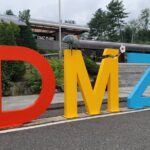
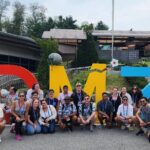
If you want the DMZ experience but don’t want to spend your precious vacation days coordinating transport, this tour is built for you. You meet at one of two central pickup areas in Seoul—Myeongdong or Hongdae—then you ride out to the Imjingak and DMZ area with a licensed guide.
What I like about this setup is that it keeps the day flowing. You’re not hunting down ticket counters or figuring out which transfer goes where. It’s also made for mixed groups, with a maximum group size of 43 travelers, so you generally get attention without the day feeling chaotic.
Also worth noting: this is sold as a full-day experience that usually runs 6 to 9 hours. That range matters. You’re planning a big block of time, not a quick half-day “see the sights” sprint.
You can also read our reviews of more boat tours in Seoul

Pickup points in Myeongdong or Hongdae: start the day with less stress
![[DMZ Adventure] DMZ and optional Boat Voyage in River - Pickup points in Myeongdong or Hongdae: start the day with less stress](https://m.discoveringseoul.com/wp-content/uploads/dmz-adventure-dmz-and-optional-boat-voyage-in-river.jpg)
Your day begins with a central pickup, and that alone can be the difference between an enjoyable start and a scramble. The tour uses two pickup locations in Seoul, and you’ll get a mobile ticket, so you’re not juggling paper instructions.
If you’re traveling in a bigger group (10+ people), there’s a helpful option: free hotel pickup. That’s not a small detail. When you’re outside the center or your group has more luggage, hotel pickup can save a lot of time and walking.
One more practical point: you’ll need a current valid passport on the day of travel. Plan to keep it easily accessible. With ID checks built into the DMZ entry process, being ready helps you avoid last-minute panic.
Stop 1 at Imjingak Resort: war relics and the human side of the conflict
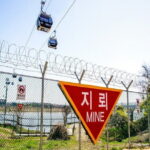
Imjingak Resort is often the first place where the DMZ story becomes personal. You’ll visit four points there, including the Mangbaedan Altar, which relates to ancestral rites performed by people who left their family and hometown in North Korea heading toward the North, and a steam locomotive destroyed during the Korean War.
The value here is context. Imjingak isn’t just a photo stop—it’s a way to understand how the Korean War didn’t just end; it rippled into everyday life, memories, and ceremonies.
Time-wise, you’ll have about 40 minutes at this stop. That’s enough time to walk, read, and take photos, but it’s not endless. If you’re the type who likes to linger, keep your “pause button” for later areas, since the itinerary keeps moving.
The Imjin River Dokgae Bridge: a small stop with big symbolism
![[DMZ Adventure] DMZ and optional Boat Voyage in River - The Imjin River Dokgae Bridge: a small stop with big symbolism](https://m.discoveringseoul.com/wp-content/uploads/dmz-adventure-dmz-and-optional-boat-voyage-in-river-4.jpg)
Next comes Imjin River Dokgae Bridge, and this one is only included on the DMZ Essential course. The bridge is formerly a railway bridge that once carried trains north across the Imjin River. During the Korean War it was severely damaged, leaving mostly piers.
Even if you only spend 20 minutes here, it’s a powerful checkpoint. It’s a visual reminder that infrastructure—the stuff that connects people and places—can get broken in ways that still shape the future.
If you’re picking between tour options, it’s worth thinking about this. The “Essential” route includes more fixed landmarks, while the DMZ + Boat route focuses more on adding the river experience.
Before the DMZ: the ID check moment that changes the tone
![[DMZ Adventure] DMZ and optional Boat Voyage in River - Before the DMZ: the ID check moment that changes the tone](https://m.discoveringseoul.com/wp-content/uploads/dmz-adventure-dmz-and-optional-boat-voyage-in-river-5.jpg)
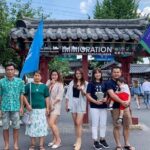
When you reach the DMZ area, the tour includes an ID check first. Expect about 20 minutes for this phase.
This part matters because it sets the tone. It’s where the trip shifts from sightseeing to something more regulated and serious. I’d treat it like airport time—go in calm, keep your documents ready, and don’t plan on last-minute browsing or bag rummaging.
Also, schedules can shift for real-world reasons. The tour notes that visiting plans may change due to things like military training schedules, traffic, or weather. That doesn’t mean your day is doomed. It just means you should stay flexible in your expectations.

The Third Tunnel walk: tight, short, and unforgettable (with Monday’s swap)
![[DMZ Adventure] DMZ and optional Boat Voyage in River - The Third Tunnel walk: tight, short, and unforgettable (with Monday’s swap)](https://m.discoveringseoul.com/wp-content/uploads/dmz-adventure-dmz-and-optional-boat-voyage-in-river-6.jpg)
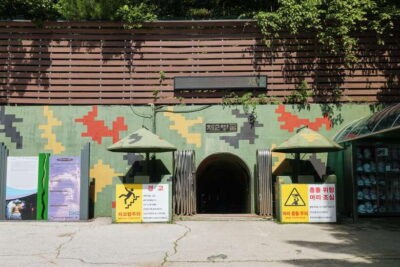
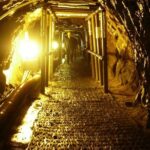
This is one of the most gripping stops on the route: The Third Tunnel. You’ll do a walking course inside the tunnel system and spend about 1 hour 20 minutes at this area.
The practical reality: the tunnel is about 1.95 meters high and about 2.1 meters wide. That’s not just trivia—it affects how you move. Dress and prepare for a tight space. If you’re tall, claustrophobic, or uncomfortable in narrow areas, this is the moment to be honest with yourself.
One detail to absolutely remember: on Mondays, the tour visits the 2nd Tunnel instead of the 3rd. So if you’re planning specifically around the Third Tunnel for a reason, don’t count on it landing the same way every day.
Why this stop hits so hard: you’re not just looking at history from far away. You’re walking through part of the scenario that helped make the DMZ a world-known symbol of division.
Dora Observatory: the view point that turns maps into reality
![[DMZ Adventure] DMZ and optional Boat Voyage in River - Dora Observatory: the view point that turns maps into reality](https://m.discoveringseoul.com/wp-content/uploads/dmz-adventure-dmz-and-optional-boat-voyage-in-river-7.jpg)
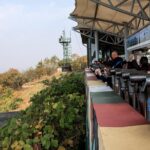
After the tunnels, the tour moves to Dora Observatory. You’ll have about 45 minutes here, and it’s described as the northern-most point of the western front.
The goal is a clear sightline into the North. You can see features like the Gaeseong Industrial Complex and Songhaksan Mountain in a single view, and the observatory gives you a chance to look into North Korea territory.
What can limit the experience? Weather. If it’s foggy or rainy, the view can shrink from dramatic to frustrating. I’d plan your photos and expectations with that in mind. When the day is clear, this stop becomes the big “so that’s what you’re seeing” moment.
Also, the itinerary notes that viewing and schedules can change due to uncontrollable events, including weather. That flexibility is part of how DMZ days operate.
Optional Paju and the Imjin River boat cruise: what you get with the upgrade
![[DMZ Adventure] DMZ and optional Boat Voyage in River - Optional Paju and the Imjin River boat cruise: what you get with the upgrade](https://m.discoveringseoul.com/wp-content/uploads/dmz-adventure-dmz-and-optional-boat-voyage-in-river-8.jpg)
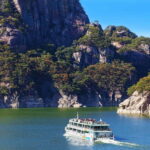
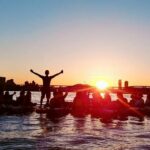
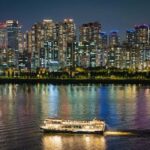
If you choose the DMZ + Boat Voyage course, the day continues with Paju and an Imjin River traditional boat option. This stop is paired with a river experience, described as something that has reopened to the public after being closed for over 50 years.
You’ll spend about 50 minutes in this portion. The idea is to see the river from the water, in a way that makes the DMZ geography feel more real.
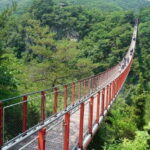
That said, this is also where you should keep your expectations flexible. In real operation, the boat portion may not run on certain days. When that happens, the tour can shift to an alternative riverside activity (for example, a suspension bridge stop was used as a substitute on one day I saw described).
So if you book specifically for the boat, I’d go in with a Plan B mindset: you’re still going to see a lot, but the river part could vary.
What the $35 price really buys you (and what it doesn’t)
At $35 per person, this is the kind of DMZ day that feels built for value. Here’s why the price works: you’re not paying separately for the guide, the roundtrip transport from Seoul, and DMZ admission fees. Those add up fast if you plan independently.
The trip also includes a licensed professional tour guide, which matters on a subject like this. The guide helps you understand what each place is and how it connects to the Korean War and the ongoing division.
What’s not included is equally important:
- Lunch is not included.
- Travel insurance is not included.
- Anything not explicitly listed isn’t included.
So you should budget for food on your own and bring water. Since you’re out for most of the day, a snack plan is smart.
How to make the most of each stop (and avoid common annoyances)
Here’s how I’d set yourself up for a better DMZ day, based on how these tours usually run and what tends to show up as either a highlight or a frustration point.
First, pick the right day for visibility. The DMZ experience is more than a checklist. It’s about sightlines from places like Dora Observatory. If rain or fog rolls in, you may feel like the distance vanished. In one case, the tour was still enjoyable, but the visibility was limited.
Second, treat the tunnel as a physical moment. You’re moving through a space with low ceilings and tight width. Wear comfortable shoes, keep your bag light, and expect a slow, careful pace.
Third, watch for schedule swaps. The tour notes that DMZ visits can change based on things like training schedules. That’s not the operator being sloppy; it’s just reality. If something shifts—like the tunnel order on Mondays—that doesn’t mean you’re losing the day. It means you’re getting what’s allowed.
Guide quality can make or break your DMZ day
This is the part that shows up again and again in how people talk about this experience. When the guide is strong, the whole day feels smoother—more laughter, more clarity, more “I get it now.”
In particular, guides such as Paul, Julie, Joey, Lucy, and Jun were praised for being patient, funny, and willing to answer questions. One theme: they don’t just recite facts. They help you connect each place to the larger story, which makes the experience feel more meaningful instead of like a rushed museum circuit.
Still, there can be variability. One person reported poorer English clarity with a guide and felt the narration dragged. That doesn’t mean it will happen to you. It’s just a reminder: if you’re picky about how you like to learn, arriving with curiosity and good listening patience helps a lot.
Who should book this DMZ Adventure, and who might want a different plan
This tour suits you best if you:
- Want a DMZ highlight circuit from Seoul without planning the logistics
- Like learning through a guided route that includes major landmarks
- Are okay spending a long day away from Seoul, with potential weather limitations
- Want either the essential DMZ stops or the optional river boat add-on
You might think twice if you:
- Need frequent breaks due to the tunnel’s tight conditions
- Are counting on a specific tunnel on a specific weekday (Mondays switch tunnels)
- Are extremely weather-sensitive and hate the idea of fog affecting sightlines
- Get easily stressed by last-minute operational changes
Should you book this DMZ experience or pass?
If your goal is to see the DMZ efficiently from Seoul, this is one of the more practical ways to do it for the money. The value comes from the combination of transport + guide + DMZ admissions in one package. Plus, the itinerary covers the kind of stops that turn a map of the peninsula into real, walkable geography: Imjingak, the tunnel, and Dora Observatory.
My advice: book if you can handle a big day and you’re okay with weather affecting views. If the boat cruise is your main reason for choosing this tour, go in with a flexible mindset—sometimes the river portion can change based on real-world conditions.
If you want a DMZ day that feels structured, guided, and efficient, this is a strong choice.
FAQ
How long is the DMZ Adventure tour?
The tour lasts about 6 to 9 hours in total, including transportation and visiting time.
Where do you get picked up in Seoul?
You can choose between two central pickup locations in Myeongdong or Hongdae. For groups of 10+, free hotel pick-up is included.
Is DMZ admission included in the price?
Yes. The tour includes admission fees to the DMZ.
Which tunnel do you visit on Mondays?
On Mondays, the tour visits the 2nd Tunnel instead of the 3rd Tunnel.
Does the tour always include the boat cruise?
No. The boat option is only included in the DMZ + Boat Voyage course. The DMZ Essential course focuses on the DMZ stops.
What stops are included on the DMZ route?
The route includes Imjingak Resort, Imjin River Dokgae Bridge (only for the DMZ Essential course), DMZ with an ID check, The Third Tunnel (or the 2nd on Mondays), and Dora Observatory. The boat course also adds Paju and the Imjin River experience.
Do I need a passport?
Yes. You need a current valid passport on the day of travel.
Is lunch included?
No. Lunch is not included.
What happens if the weather is bad?
This experience requires good weather. If it’s canceled due to poor weather, you’ll be offered a different date or a full refund.
How big is the group?
The tour has a maximum of 43 travelers.