Seoul has plenty of palaces, but this tour hits different. You’ll walk Seodaemun Prison, a memorial built from the era of Japanese occupation, and you’ll hear the resistance stories tied to it. I particularly like the original prison spaces you step into, and I also like how the guide ties the sites together into a clear independence timeline.
One thing to consider: this is a somber, heavy topic. You’ll be dealing with executions and detentions, so it’s not a light afternoon activity.
The pace is built for a focused, human-scale experience. With a maximum of 10 people, the walk stays conversational and easier to follow than big-group sightseeing. I also appreciate the stop at Dongnimmun Gate, which adds context before you enter the prison story.
If you prefer entertainment over history, this may feel more serious than what you’re used to in Seoul.
In This Review
- Key takeaways before you go
- Why Seodaemun Prison Beats the Typical Seoul Checklist
- Dongnimmun Gate: A Context Stop That Actually Matters
- Seodaemun Prison History Hall: Where the Details Hit Hard
- Cells, Interrogation Rooms, and the Execution Yard: What to Expect
- Yu Gwan-sun and the March 1st Movement Thread
- What the Guide Adds (and Why It’s Worth It)
- Price and Timing: Is $31.54 a Good Value?
- Logistics That Matter: Start Time, Meeting Point, and Transit
- When This Tour Fits Your Seoul Plan
- A Honest Warning: You’re Visiting a Real Memorial
- Should You Book Seodaemun Prison’s Dark History Tour?
- FAQ
- FAQ
- How long is the Seodaemun Prison guided tour?
- Where does the tour start and end?
- What will I see during the tour?
- Is the admission ticket included?
- What’s the group size?
- Is the tour physically demanding?
- When is the tour scheduled?
- Can I get a full refund if I cancel?
Key takeaways before you go
- You’ll visit the prison’s real cell and interrogation spaces, not just view it from outside.
- Execution grounds are part of the route, with explanation of what happened there.
- Yu Gwan-sun’s story is woven into the walk as a memorable focal point.
- Small group size (up to 10) helps you keep up and ask questions.
- Two main stops keep the tour tight: Dongnimmun Gate, then Seodaemun Prison History Hall.
- A 2-hour format makes it doable even if you only have a couple days in Seoul.
Why Seodaemun Prison Beats the Typical Seoul Checklist
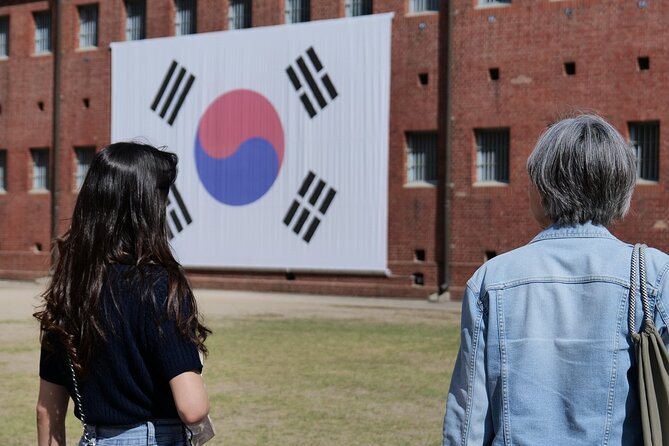
Most first-time Seoul trips give you big skyline views, bright streets, and palace photos you can instantly recognize. This tour still sits inside the same city, but it changes the lens completely: you’re looking at how Korea fought for freedom, and what it cost.
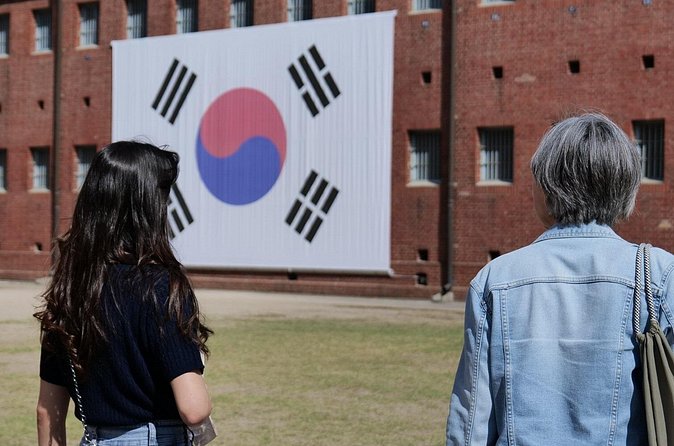
Seodaemun Prison was built in 1908 during the Japanese occupation. Today it operates as a memorial site, and the route is designed to make you feel the physical reality of detention and punishment—cells, interrogation areas, and execution grounds. The emotional weight is real, but the payoff is also real: you come away understanding the struggle in a way textbooks can’t quite match.
I also like that it’s not only “prison talk.” The walk starts with context at Dongnimmun Gate, which helps you place the independence movement in a bigger timeline instead of treating the prison as an isolated chapter.
You can also read our reviews of more guided tours in Seoul


Dongnimmun Gate: A Context Stop That Actually Matters
You start at Dongnimmun Gate, spending about 20 minutes there. The focus is on the 1890 Korean independence monument, which gives you a necessary baseline before you step into Seodaemun’s walls.
This matters more than it sounds. If you jump straight to the prison, you might understand what the prison did, but not always why these stories mattered to the people living through them. That short introduction at Dongnimmun Gate helps you see the movement as something driven by independence ideals, not only by tragedy after the fact.
You don’t need to be a history expert to benefit. The point of this stop is orientation: get a handle on what independence meant in the period, then let the prison sites explain what colonial repression looked like in practice.
Seodaemun Prison History Hall: Where the Details Hit Hard
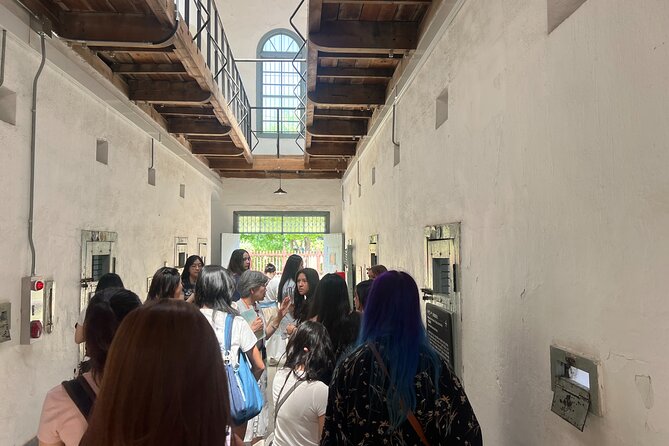
After Dongnimmun Gate, the tour moves into Seodaemun Prison History Hall for about 1 hour 40 minutes. The key promise here is access to the prison’s original spaces—so you’re not just walking past exhibits behind glass.
You’ll step through spaces used to detain and execute independence activists. The tour includes solitary cells and underground interrogation rooms, plus time at the execution yard. Those are the kinds of locations that change how history feels. A photo can show a place. Walking through it forces your brain to acknowledge scale, pressure, and confinement.
The design of the route also helps you follow a storyline. The cells and interrogation rooms explain how control worked day to day. Then the execution grounds bring the consequences into focus, tied to the activists who resisted.
One of the most praised parts of this kind of tour is the way the guide connects what you’re seeing to what it meant. In this experience, that’s exactly the intent—there’s an emphasis on how the prison functioned and what the sacrifices were about, not just dates and names.
Cells, Interrogation Rooms, and the Execution Yard: What to Expect
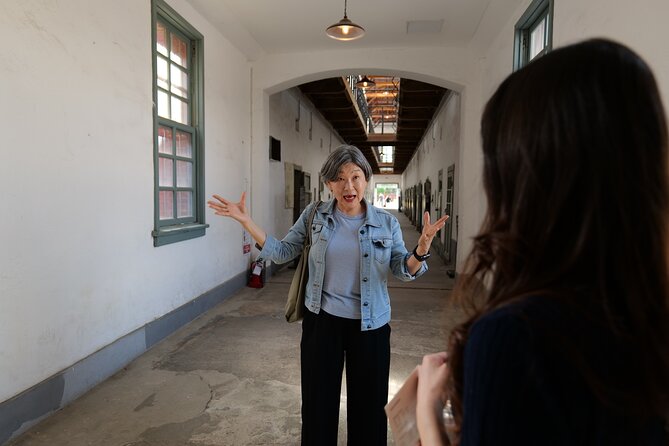
Here’s the practical reality of what you’re going to experience inside the prison memorial. The tour is a walking route through several “stopping points,” and each one is tied to a part of the system.
- Original prison cells: Expect a focus on confinement and individual detention. Even without dramatization, the purpose of these spaces is obvious.
- Underground interrogation rooms: This is where the tour shifts from confinement to pressure and questioning. You’ll be guided through what these rooms were used for.
- Execution grounds: This is the emotional centerpiece. You’ll learn about the sacrifices of the Korean independence activists tied to what happened there.
A quick note for your mindset: you’ll leave with a clearer understanding of the courage behind the independence movement, but you may also feel unsettled. That’s not a bug in the tour. It’s part of why the place is preserved.
Yu Gwan-sun and the March 1st Movement Thread
A major story focus is Yu Gwan-sun, described here as a 17-year-old student whose courage became a national symbol during the March 1st Movement. The guide brings her story into the walk as a repeated reference point while you’re learning about detentions and repression.
I like this narrative approach because it gives you a human anchor. When a tour moves site to site with names and dates alone, it’s easier to forget what the history meant to real people. A focal figure like Yu Gwan-sun makes the story stick.
It also helps you connect the dots between intention and outcome. Independence activism wasn’t abstract. It led to real consequences, including imprisonment and death. That link is part of the tour’s core value.
You can also read our reviews of more historical tours in Seoul



What the Guide Adds (and Why It’s Worth It)
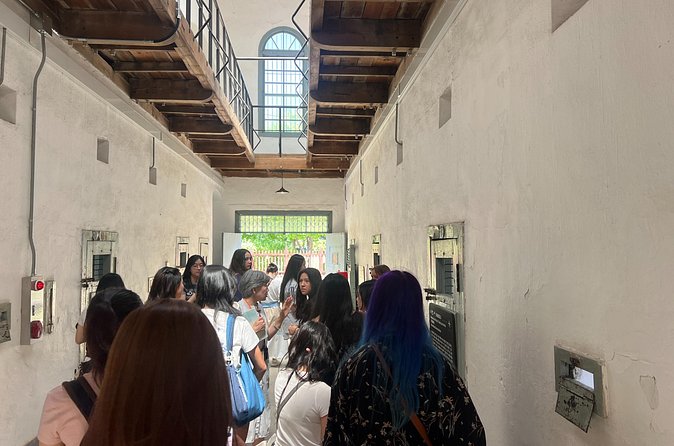
This tour is led by a professional guide with over 10 years of experience in Korean history. That matters because prison memorials can turn into either confusing or overly generalized unless someone explains the structure clearly.
The best part of a good guided history walk is translation: turning the site into meaning. In this case, the guide’s job is to help you understand what the prison spaces were used for and how the independence movement stories connect to the physical route you’re taking.
If you’ve ever stood in a memorial and thought, I get that something happened here, but what exactly—this is the type of tour built to fix that. The format pushes you through the scenes in an order that mirrors how you’d want to understand the system.
Price and Timing: Is $31.54 a Good Value?
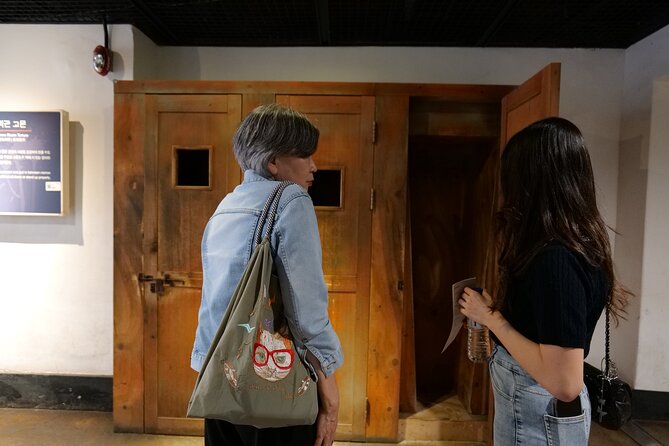
At $31.54 per person, you’re buying a 2-hour guided experience with entry included for the Seodaemun Prison History Hall portion. The duration is also tight enough that you’re not committing your entire afternoon, which is helpful if you want to mix serious history with more relaxed Seoul stops.
Value here comes from three things:
- Access to key interior areas (cells and underground interrogation rooms), which is the main “special” element.
- Guided interpretation, meaning you’re not just collecting facts—you’re connecting them to what the prison was used for.
- A small group size (max 10), which usually improves the experience quality because it reduces crowding and keeps the pace manageable.
Is it a bargain? Not in the bargain-tour sense. But compared to how much you get from a focused, interpretive visit to a preserved prison memorial, it’s priced like a thoughtful history experience, not a quick sightseeing add-on.
Logistics That Matter: Start Time, Meeting Point, and Transit
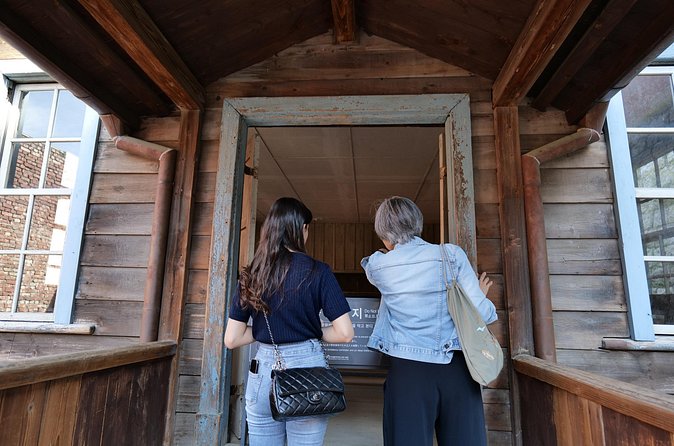
The tour starts at 2:00 pm and ends near Seodaemun Prison History Hall at 251 Tongil-ro, Seodaemun-gu, Seoul. The meeting point is 102-6 Hyeonjeo-dong, Seodaemun-gu, Seoul.
The good news: the meeting area is described as near public transportation. That matters in Seoul, where getting across town can eat time. You’ll also want to plan to arrive a little early so you’re not stressed before the walk begins.
The route is designed for people with moderate physical fitness. That doesn’t sound athletic, but you are walking through a prison memorial that involves moving between rooms and yards. If you have mobility constraints, you should weigh whether you’ll be comfortable with that walking pace.
When This Tour Fits Your Seoul Plan
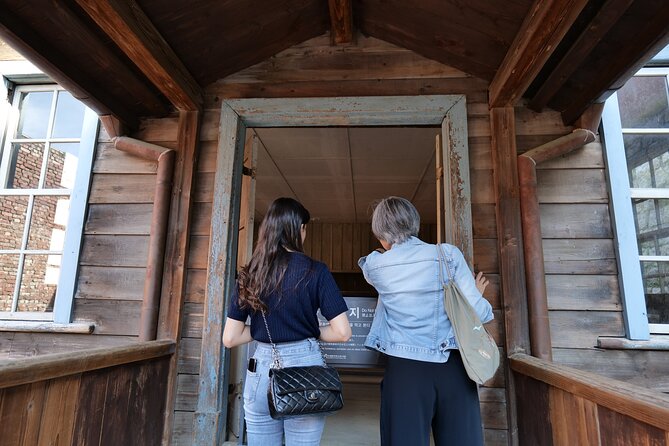
This is a strong pick if you want more than the usual top sights. If your trip already includes palaces, viewpoints, and popular neighborhoods, this tour is a smart counterbalance.
It’s also ideal if you care about:
- understanding how Korea’s independence struggle was suppressed and punished
- seeing history in built form, not only in photos
- hearing a guided story centered on Yu Gwan-sun and the broader independence movement
If you’re traveling with kids or with people who get overwhelmed easily by dark topics, you’ll need to judge your group. The tour’s focus is intentionally heavy: detention, interrogation, and execution grounds.
A Honest Warning: You’re Visiting a Real Memorial
This one is simple. You’re walking through a prison memorial connected to real suffering. Even with good guiding, you should expect the atmosphere to feel serious.
Don’t plan it as an end-of-day “I’ll just squeeze this in” event if you’re running on fumes. I’d treat it like a thoughtful appointment in your schedule. It’s the kind of tour where you’ll likely remember specific spaces and the story behind them long after you leave.
Also, don’t rush afterward into high-energy plans. Take time to cool down and process what you learned. That’s not about being dramatic. It’s about letting the experience land.
Should You Book Seodaemun Prison’s Dark History Tour?
If you want authentic Seoul history that goes beyond photo spots, I think you’ll like this. The tour’s core strength is practical: you don’t just learn about Seodaemun Prison—you walk through the real areas tied to imprisonment and punishment, with a guide who has serious experience explaining the context.
Book it if:
- you’re interested in Korean independence history
- you like guided interpretation and clear storytelling
- you want a small-group experience capped at 10 people
- you’re okay with a somber setting
Skip it if:
- you prefer lighter tours right now
- you’re uncomfortable with topics involving executions and interrogation
- you need a more relaxed pace than a 2-hour walking route
FAQ
FAQ
How long is the Seodaemun Prison guided tour?
It’s about 2 hours total.
Where does the tour start and end?
It starts at 102-6 Hyeonjeo-dong, Seodaemun-gu, Seoul, and ends at Seodaemun Prison History Hall, 251 Tongil-ro, Seodaemun-gu, Seoul.
What will I see during the tour?
You’ll visit Dongnimmun Gate and Seodaemun Prison History Hall, including original prison cells, underground interrogation rooms, and the execution grounds.
Is the admission ticket included?
Yes. The Seodaemun Prison History Hall admission ticket is included.
What’s the group size?
The tour has a maximum of 10 travelers.
Is the tour physically demanding?
It’s listed for travelers with moderate physical fitness. You should be comfortable walking between areas during the 2-hour route.
When is the tour scheduled?
The start time is 2:00 pm.
Can I get a full refund if I cancel?
Yes. You can cancel for a full refund if you cancel at least 24 hours before the experience starts.
![3-Days 2-Nights Gyeongju UNESCO Sites & Busan City [Private Tour from Seoul] - Day 2: Seokguram and Bulguksa, Then Busan’s Sea-Life City Stops](https://m.discoveringseoul.com/wp-content/uploads/3-days-2-nights-gyeongju-unesco-sites-busan-city-private-tour-from-seoul-400x267.jpg)