REVIEW · SEOUL
Seoul: The Biggest Sea-food Noryangjin Market Tour
Book on GetYourGuide →Operated by Korea Guide Tour · Bookable on GetYourGuide
Fresh seafood and real market know-how, fast.
This Noryangjin Fish Market tour is interesting because you don’t just stroll—you learn what you’re seeing, from unfamiliar species to how Korean seafood culture shapes everyday meals. I especially like the hands-on market viewing, where you can watch a trusted vendor fillet and prepare fresh fish, and I like the way your guide ties ingredients to stories and cultural context, not just facts. One possible drawback: it moves at a market pace, and the area can be wet and slippery, so comfortable shoes really matter.
The tour is led in English by a professional guide, and the small group keeps it personal (limited to 10). In the past, guides like Sophie and Joy stood out for making the market feel manageable, with clear explanations of what’s on offer and how Koreans eat it. If you’re expecting a fancy sit-down experience with lots of spare time, this isn’t that kind of tour—it’s about seeing how seafood gets from stall to plate.
In This Review
- Key Highlights You’ll Actually Feel
- Noryangjin Fish Market: A Familiar Meeting Point, Then Real Market Work
- How the Guide Helps You See Seafood Like a Local
- The Market’s Scale: Why 250–300 Tons Per Day Changes Everything
- Watch Filleting Up Close: The Vendor Stop That Changes Your Meal
- Eating Directly from the Market: Seafood Like Koreans Do Daily
- Lunch: Sashimi and Spicy Fish Stew, Plus the Value of Included Food
- Timing, Group Size, and Who This Tour Fits Best
- Tips to Make the Most of Your Noryangjin Visit
- Should You Book This Noryangjin Market Tour?
- FAQ
- How long is the Noryangjin market tour?
- Where do I meet the guide?
- What’s included in the price?
- Is the tour in English?
- How big is the group?
- What should I do if I have allergies?
- What happens if the tour has too few participants?
Key Highlights You’ll Actually Feel
- Foreigners-only market tour that helps you understand what’s happening without guessing
- Layout and atmosphere walkthrough so you get your bearings quickly (not just a list of stalls)
- Fresh-fish prep at a trusted vendor, including filleting and preparation you can watch up close
- A seafood-focused lunch with seasonal assorted sashimi and spicy fish stew
- Learning what Koreans commonly eat, plus the why behind those habits, explained in cultural and historical context
- Small group size (max 10) for a more Q&A-friendly experience
Noryangjin Fish Market: A Familiar Meeting Point, Then Real Market Work
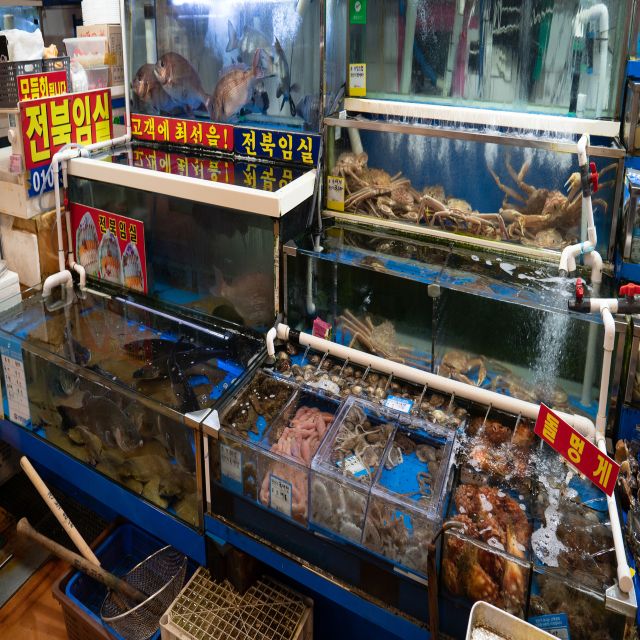
Meet at Exit 7 of Noryangjin Station, and from there the tour starts doing the thing most food tours skip: getting you oriented. Noryangjin Fish Market is Seoul’s most famous traditional seafood market, and the goal here is to help you understand the place, not just photograph it.
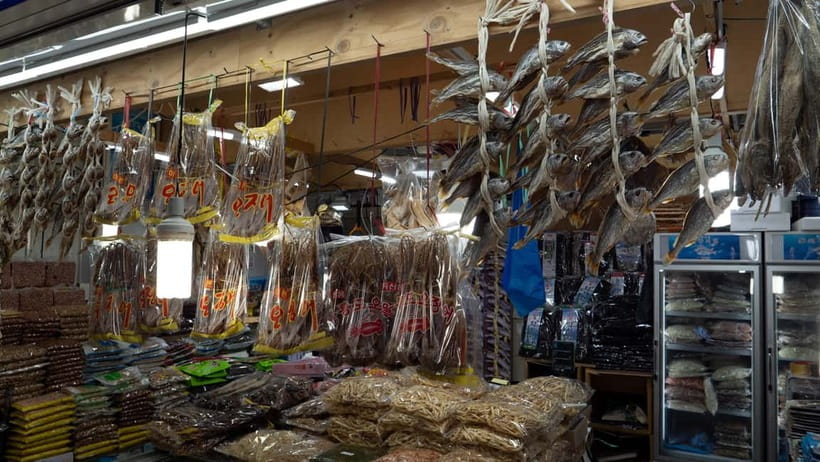
You’ll be guided through the market layout and the overall atmosphere, with commentary focused on seafood ingredients that are unique or less familiar outside Korea. That matters because the market can look chaotic if you’re not sure what you’re looking at. With a guide, you’ll learn what’s common in Korean eating habits, how seafood is traditionally prepared, and why those patterns developed—through cultural and historical context rather than random trivia.
This also isn’t a “everyone crowds one stall” style tour. It’s designed as a foreigners-only experience, led by an English-speaking guide, and kept to a small group. That smaller size tends to mean less waiting and more back-and-forth, especially when you want to ask what a fish is, how it’s used, or what to look for at a stall.
You can also read our reviews of more food & drink experiences in Seoul
How the Guide Helps You See Seafood Like a Local
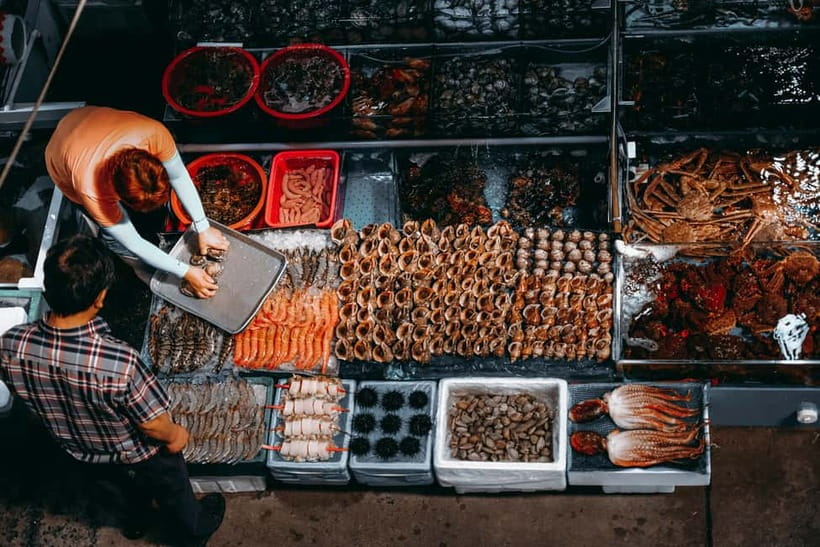
The best part of this tour is the way it teaches you how to interpret the market. Instead of only walking and pointing, your guide will keep pulling the focus back to ingredients and preparation—especially the items that don’t show up on your home country’s seafood menu.
Expect your guide to explain:
- What kinds of seafood Koreans commonly eat
- How those ingredients are traditionally prepared
- Why people eat this way, explained through cultural and historical context
That approach is more useful than it sounds. When you understand the reasoning, you stop treating the market like a novelty attraction. Instead, you start noticing details that actually matter: what looks fresh, what gets turned into sashimi, what ends up in soup or stew, and what you’re likely to see prepared on-site.
In past tours, guides such as Sophie have been praised for making the group feel like locals and for explaining the variety of fish clearly. Joy also received strong feedback for connecting Korean food with Korean history, which can make the whole experience click. And Sujin was specifically mentioned for an informative tour that made the learning feel satisfying, not rushed.
The Market’s Scale: Why 250–300 Tons Per Day Changes Everything
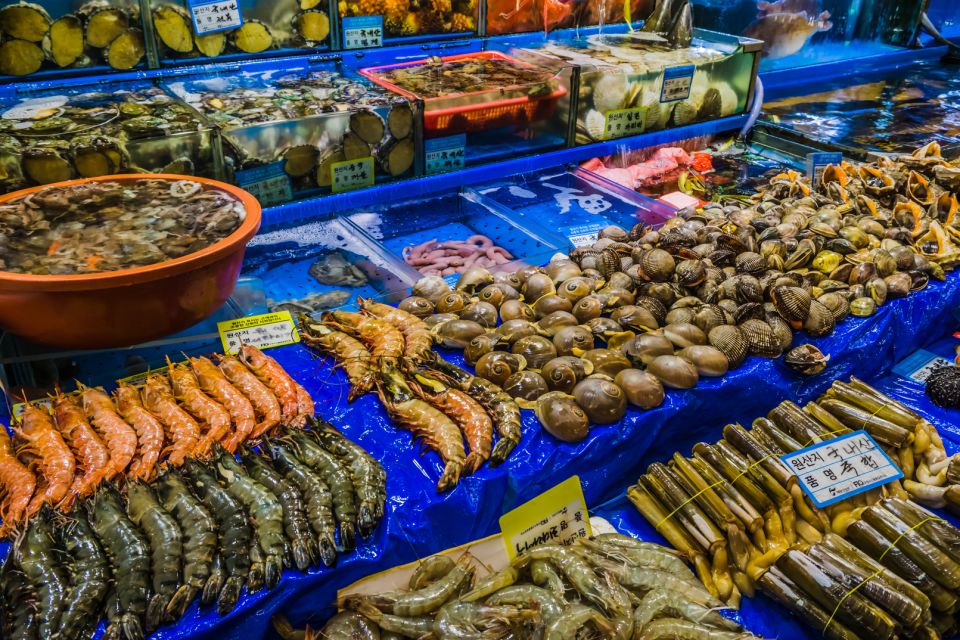
Noryangjin isn’t just big in a general way. The market trades around 250 to 300 tons of products every day, and that scale affects what you’ll notice during your visit.
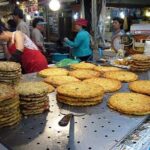
At that volume, you’re not watching a curated demo. You’re seeing a working fish market. Stalls and vendors are moving fast. Seafood that looks like a “food” to you is also, here, a daily commodity—handled, sorted, and prepared with speed and skill.
That’s one reason this tour works well if you enjoy food that has a real supply chain behind it. You get to see how fresh fish moves through the market ecosystem and how preparation happens in real time, not in a sanitized kitchen setting.
And if you’ve ever wondered why market eating feels different from restaurant eating in Korea, this is where you’ll start getting the answer. It’s not only about taste—it’s about routine.
Watch Filleting Up Close: The Vendor Stop That Changes Your Meal
A key moment on this tour is the visit to a trusted seafood vendor, where you can observe the process of filleting and preparing fresh fish. This is the behind-the-scenes stop that turns seafood from abstract to specific.
You’ll see how freshly prepared seafood gets transformed into a meal, and you’ll get context for what you’re eating later. Even if you don’t know your fish species yet, you’ll understand the logic: how the flesh is handled, how portions get made, and why the cut matters for sashimi versus stew.
From the way people describe the experience, this is also the part that feels most hands-on in terms of observation—standing close enough to see what’s happening, but still guided so you know what you’re looking at.
Practical note: markets can get wet. One person advised waterproof shoes and to walk carefully. So if you want to enjoy the tour without distraction, wear shoes you won’t mind getting scuffed or damp.
Eating Directly from the Market: Seafood Like Koreans Do Daily
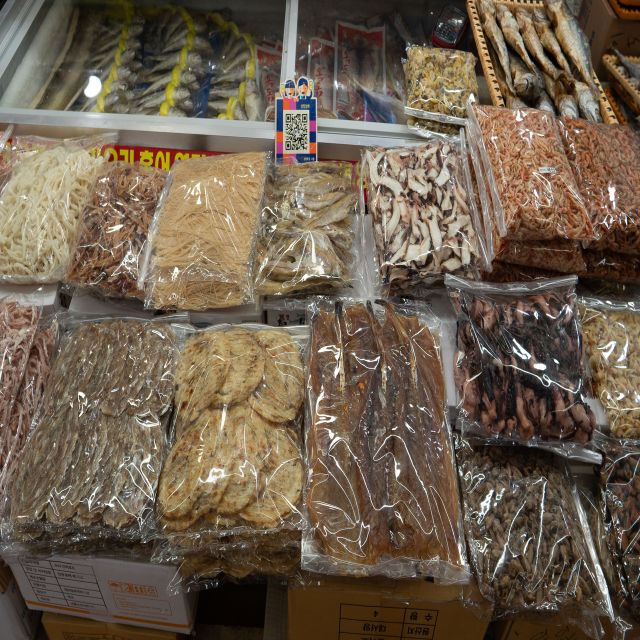
After the tour portion, you’ll enjoy a meal made with the seafood you learned about. The included lunch is seasonal assorted sashimi and spicy fish stew. That combo is smart: sashimi helps you experience clean, fresh seafood flavor, while spicy fish stew gives you a warmer, cooked side of Korean seafood eating.
What makes this feel “local” isn’t only the food. It’s the rhythm. The tour is designed so you eat in a way that connects back to what you saw at the market stalls and vendor prep.
Some past participants specifically mentioned a chance to experience live octopus. Since that isn’t listed as a guaranteed menu item, treat it as a possible bonus rather than a promise. Still, it signals the tour’s focus: you’re not just tasting mild seafood. You’re seeing the market’s range.
If you’re picky about strong flavors or textures, you’ll want to say so ahead of time—especially if you have allergies. The tour asks you to tell them in advance, and that’s the best way to keep your meal stress-free.
You can also read our reviews of more tours and experiences in Seoul
Lunch: Sashimi and Spicy Fish Stew, Plus the Value of Included Food
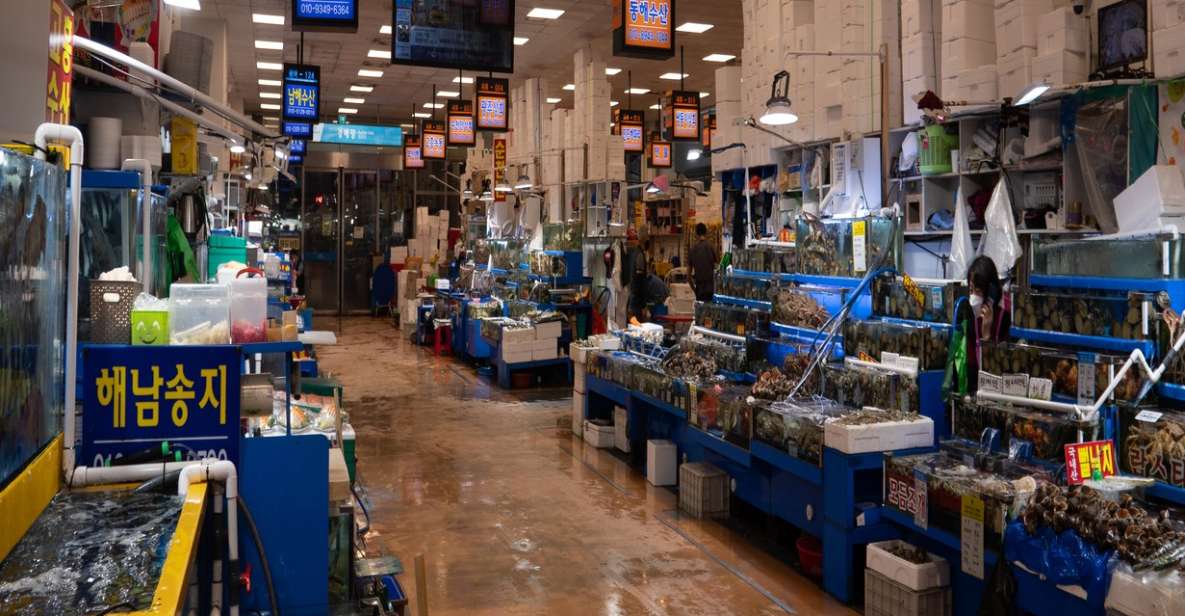
For $110 per person over 2 hours, the price only makes sense if you value three things: an English-speaking guide, a guided market experience, and an included seafood meal. If you’d otherwise try to do Noryangjin on your own, this tour saves you the headache of navigating language barriers and guessing what to order.
Also, it’s not just any lunch. You’re getting seasonal assorted sashimi plus spicy fish stew, which is a strong way to sample both raw and cooked seafood styles in one sitting.
Here’s the practical takeaway: if you’re hungry and you want the market to teach you what’s worth eating, this format is good value. If you only want a quick snack and don’t care about cultural context or vendor viewing, you might find the cost heavier than you expected.
Timing, Group Size, and Who This Tour Fits Best
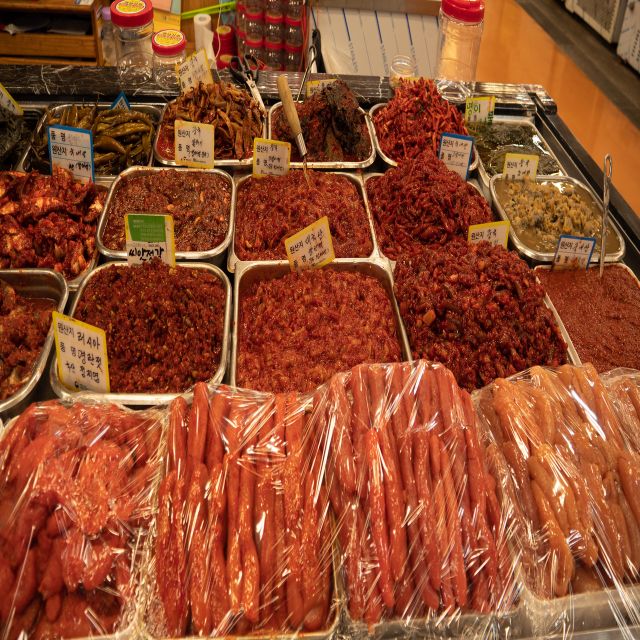
This is a 2-hour tour with a small group capped at 10 participants. That matters because Noryangjin is a place where time gets used quickly. You want a guide who can keep things moving while also pausing for questions.
It’s a good fit if:
- you like market food, but want help understanding what you’re seeing
- you’re curious about Korean seafood culture and preparation
- you’d rather learn from a guide than wander and hope you pick the right stalls
- you enjoy hands-on observation, like watching filleting and prep
It may not be the best fit if you dislike close-up food prep, are very hesitant with unfamiliar seafood, or want a slow, leisurely stroll.
And a quick reality check: reservations cannot be confirmed on weekends and holidays, and if the group has fewer than 4 participants, the tour can be canceled with notice. If you’re traveling at peak times, plan to double-check your timing.
Tips to Make the Most of Your Noryangjin Visit
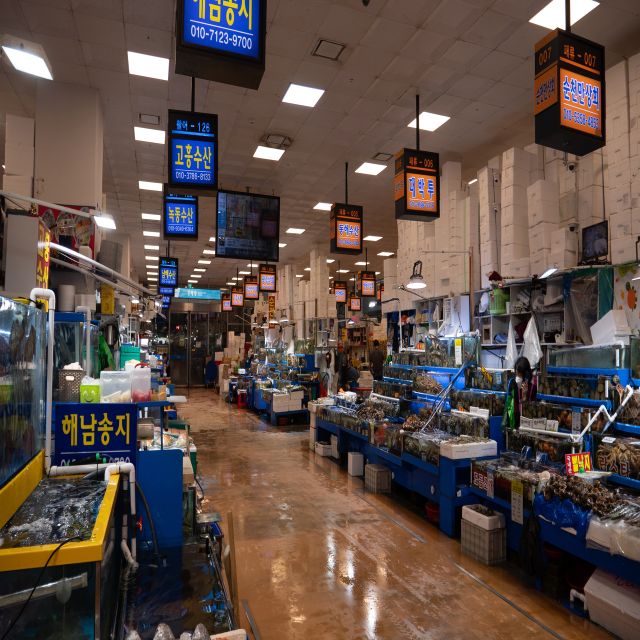
A few simple choices can make your tour experience smoother:
- Wear comfortable, grippy shoes. The market can be wet, and walking carefully matters.
- Come hungry. The lunch is part of why the tour works.
- If you have allergies, tell the organizers in advance.
- Bring questions. The small group format makes it easier to ask what something is and how it’s used.
Since you’ll be tasting seafood and learning about preparation, you’ll get the most out of the tour if you stay open-minded. You don’t need to love every texture, but being willing to try is what makes the learning real.
Should You Book This Noryangjin Market Tour?
Book it if you want a guided introduction to one of Seoul’s most famous seafood markets—and you care about understanding why Koreans eat seafood the way they do. The combination of market orientation, vendor viewing with filleting, and an included lunch of sashimi plus spicy fish stew makes the experience feel cohesive rather than random.
Skip it (or consider another option) if you’re not interested in unfamiliar ingredients, don’t want to watch food prep up close, or you’re trying to keep things extremely low-cost. At $110 for 2 hours, the value is tied to the guide-led learning and the included meal.
If you like food experiences that feel practical and real—less performance, more process—this one is worth putting on your Seoul list.
FAQ
How long is the Noryangjin market tour?
The tour lasts 2 hours.
Where do I meet the guide?
Meet at Exit 7 of Noryangjin Station.
What’s included in the price?
You get a local guide and lunch, which includes seasonal assorted sashimi and spicy fish stew.
Is the tour in English?
Yes, the guide provides English language service.
How big is the group?
The group is small, limited to 10 participants.
What should I do if I have allergies?
Tell the organizers in advance about any allergies.
What happens if the tour has too few participants?
If the number of participants is under 4, the tour can be canceled, and you’ll be notified via WhatsApp.