REVIEW · SEOUL
Seoul: War Memorial, Jogyesa Temple & Tapgol Park Tour
Book on GetYourGuide →Operated by I LOVE SEOUL TOUR Co., Ltd. · Bookable on GetYourGuide
Seoul’s afternoon tells hard truths and quiet peace. I like how this tour pairs the War Memorial of Korea with calm temple time at Jogyesa Temple, and I also like that the fun includes a lottery moment with tickets, in the same spirit as Squid Game. With guides such as Dragon and Connie leading the day, you get clear storytelling and an easy rhythm between stops.
One drawback to plan for: the route includes moderate walking and it is not set up for wheelchair users, so wear comfortable shoes and expect some outdoor time at Tapgol Park and around the temple.
In This Review
- Key highlights to look for
- A half-day Seoul route that swings from war to prayer
- Where you meet and how the ride keeps things easy
- War Memorial of Korea: UN Memorial Cemetery lessons and big exhibits
- National Museum of Korean Contemporary History: a timeline you can actually follow
- Jogyesa Temple: the Jogye order in the middle of modern Korea
- Tapgol Park: March 1, 1919 and the Squid Game tie-in
- The lottery moment: included fun without turning it into a gimmick
- How pacing and guide style affect your day
- Price and value: what $42 buys you in real-world convenience
- Who this tour suits best (and who should skip it)
- Quick practical tips before you go
- Should you book the Seoul War Memorial, Jogyesa Temple & Tapgol Park tour?
- FAQ
- What does the $42 per person tour include?
- Where do I meet, and where do I end?
- How much walking is involved?
- Is hanbok provided on this tour?
- Does this tour run in bad weather?
- Is the tour wheelchair accessible?
Key highlights to look for
- War Memorial focus on the 3rd floor UN Memorial Cemetery plus exhibits tied to the Korean War
- A second history lens at the National Museum of Korean Contemporary History, covering late 19th century to today
- Jogyesa Temple’s living Buddhism, tied to the Jogye order and Korea’s modern upheavals
- Tapgol Park as the March 1 Independence Movement starting point (1919) near Insadong
- Squid Game Season 2 tie-in at Tapgol Park with the Bread and Lottery scene connection
- A guided, air-conditioned minivan plan that keeps you moving without transit stress
A half-day Seoul route that swings from war to prayer
This is a smart afternoon plan if you want more than photo stops. In one block, you’ll move through memorials, museums, a working temple, and a public park tied to Korea’s independence movement. It’s also a nice change of pace from Seoul’s usual shopping-and-skyscrapers routine.
What makes it work is the contrast. The War Memorial and the contemporary history museum ask you to think about conflict and change. Then Jogyesa Temple gives you a quieter beat—more about daily spiritual life and reflection than crowd energy. Tapgol Park brings you back to the street-level story of modern Korea.
The tour price may look simple on the surface—$42—but the value is in the mix: entrance fees, guide, air-conditioned transport, and that lottery experience are included.
You can also read our reviews of more tours and experiences in Seoul.


Where you meet and how the ride keeps things easy
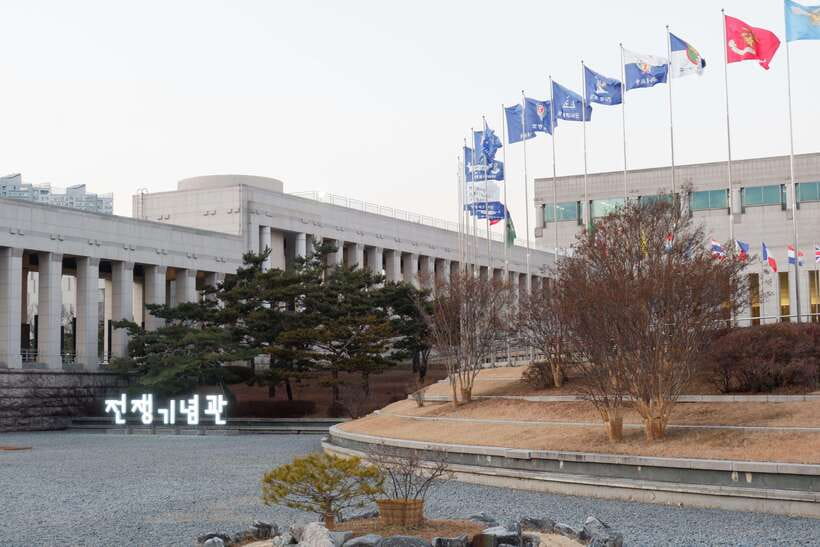
For the half-day option, you start at the lobby of the Koreana Hotel’s Office building. You’ll finish with a drop-off at Myeongdong Cathedral, which is a convenient end point if you’re planning dinner in Myeongdong or heading into the city afterward.
The air-conditioned minivan matters more than you might think. Seoul traffic can turn a smooth plan into a slow crawl, and this tour is built to keep you on schedule. Plus, the minivan setup makes it easier to relax between stops instead of figuring out transfers on your own.
It’s offered in English, so you won’t have to guess your way through ticket lines or explanations. And you’ll have time to ask questions—especially helpful when a museum stop gets heavy. Guides like Leo and Jang are praised for pacing and for making space for questions.
War Memorial of Korea: UN Memorial Cemetery lessons and big exhibits
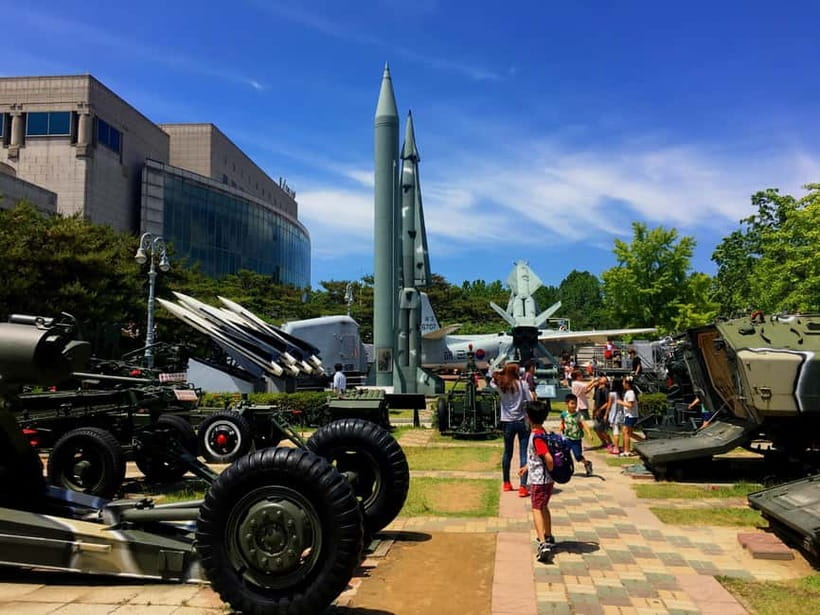
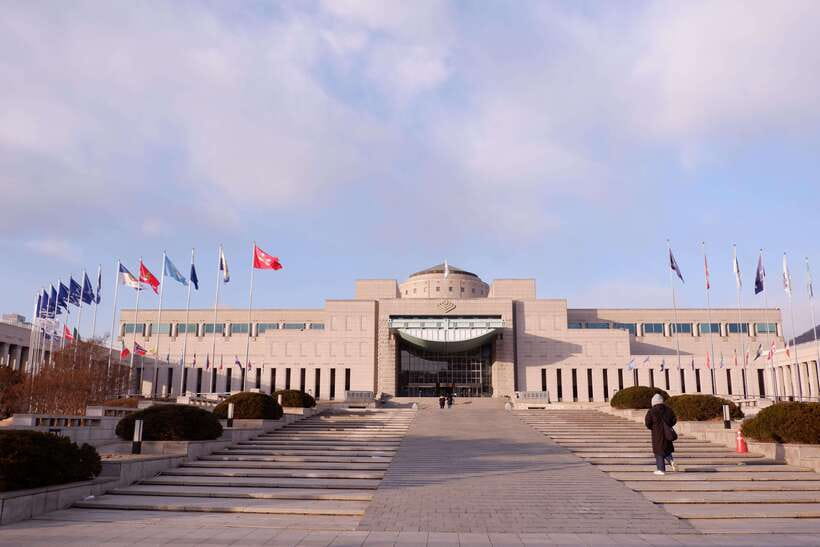
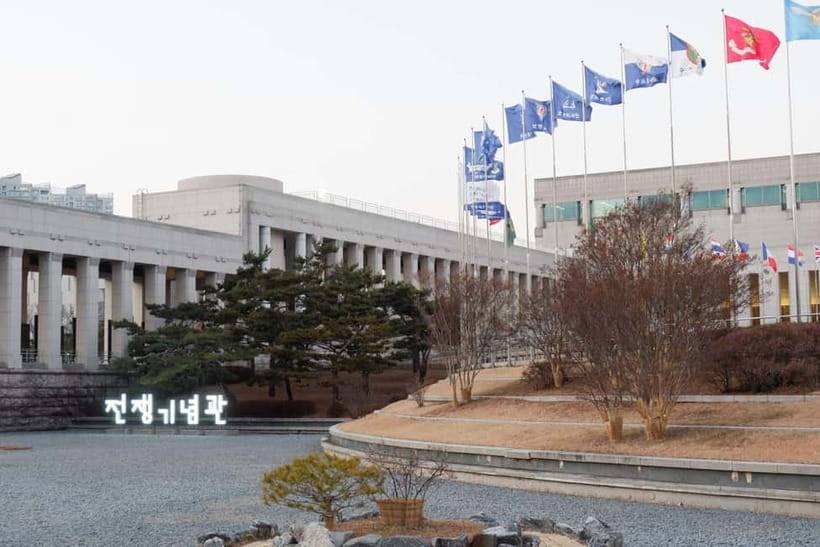
The day starts at the War Memorial of Korea, with the tour emphasis on the museum’s 3rd floor area—especially the United Nations Memorial Cemetery. The whole point is prevention of war, using lessons from the Korean War and pointing toward hope for reunification.
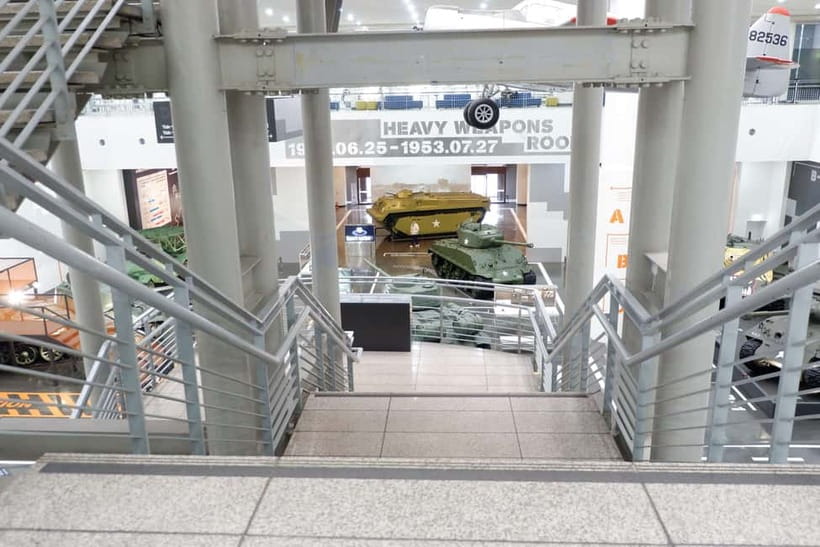
This is also where the museum side can surprise people. You’re not just looking at captions and flags. You’re seeing dramatic displays, including military vehicles and aircraft-related exhibits. If you like museums that feel like they mean business, this one delivers.
Practical tip: plan for a museum pace. You’ll move through indoor halls, so you can keep your energy for later. If you’re sensitive to emotionally intense content, take breaks as needed—this stop is designed to get you thinking, not just casually browsing.
Also note the setting: the War Memorial is part of a larger complex, so you’ll likely walk short distances between key areas. Comfortable shoes are not optional here.
National Museum of Korean Contemporary History: a timeline you can actually follow
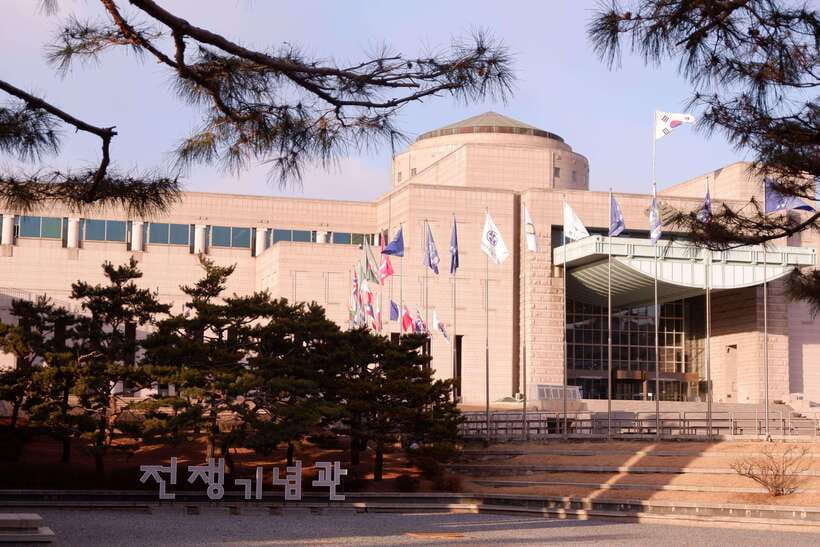
Right after the War Memorial, you shift into the National Museum of Korean Contemporary History, opened on December 26, 2012. The museum is organized into four permanent exhibition halls, covering South Korea from the late 19th century to the present.
This museum is valuable because it gives context. The War Memorial focuses on conflict and its aftermath. The contemporary history museum helps you connect that conflict to broader changes—political shifts, societal evolution, and the long arc of modern Korea.
If you’ve ever visited a museum and felt like the story was chopped into isolated facts, this one is designed to feel more like a timeline. You’ll walk away with a clearer sense of how Korea’s modern story developed, not just what happened during one decade.
A consideration: museum time can move quickly, especially if you’re the type who likes to read every label. If you’re a label-reader, focus on the sections your guide highlights and take a second round later if the layout calls you back.
Jogyesa Temple: the Jogye order in the middle of modern Korea
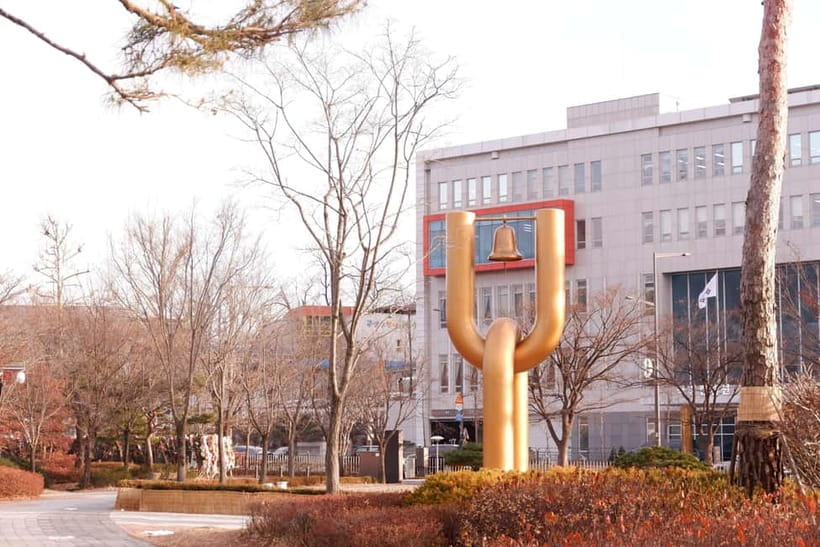
Then you step into a very different atmosphere at Jogyesa Temple. It’s the chief temple of the Jogye order, which is one of the best-known streams of Korean Buddhism. The tour framing connects the temple to community living and the spirit of the bodhisattva, which helps you understand why this isn’t just an architectural stop.
Jogyesa Temple also comes with a modern edge. It’s described as a historic site that has lived through Korea’s turbulent modern history. In other words, this place isn’t preserved in a bubble. It’s part of the country’s real lived experience.
What you’ll likely appreciate here is the pacing. After the museum intensity, the temple gives you a chance to slow down. Even if you’re not deeply religious, you’ll feel the shift in noise levels and the rhythm of people moving quietly.
Practical tip: wear shoes you can stand in. Temples can have uneven areas and steps, and this tour is rain or shine, so surfaces may get slippery.


Tapgol Park: March 1, 1919 and the Squid Game tie-in

Your last major stop is Tapgol Park, right in central Seoul near Insadong. This park matters historically because the March 1 Korean Independence Movement began here in 1919, calling for independence from Japanese rule.
What I like about Tapgol Park is that it’s not just a “sit and read” monument. It’s a real urban space. You’ll see daily Seoul life around a site tied to a turning point in modern identity, which makes the history feel less distant.
Then there’s the Squid Game connection. Tapgol Park is briefly featured in Season 2 episode 1, Bread and Lottery. In that scene, the recruiter passes out lottery tickets and bread before stamping down the remaining bread. The tour uses that pop-culture reference as a doorway into the real historical significance of the park.
A consideration: Tapgol Park is a public park, so it can feel more open and exposed than the temple or museums. If it’s rainy, you’ll want a small plan for staying comfortable. If it’s sunny, bring water and take shade breaks. This tour runs rain or shine.
The lottery moment: included fun without turning it into a gimmick
This tour includes a lottery experience, and the highlight is how it mirrors the Squid Game-style excitement people recognize from the show. It’s not meant to replace the real history of the places you visit; it’s a playful add-on that makes the day memorable.
Because the lottery is included, you don’t have to decide whether it’s worth your time or pay extra once you’re already out on the route. It also gives you a shared “moment” with your guide and group, which can make the rest of the tour feel more connected.
One practical note: there’s no mention of special costumes or traditional clothing. Hanbok is not available, so don’t count on getting dressed up as part of this experience.
How pacing and guide style affect your day
The strongest praise in the reviews you shared is about guides and how they run the day. People point out punctual starts, friendly communication, and guides who make the tour feel well-paced—whether you’re traveling solo, with friends, or with someone who needs a slower rhythm.
You’ll see guide names showing up often—Dragon, Connie, Orota, Leo, Jang, Melvin, and Mrs. Park. While each guide has a different personality, the common thread is how they handle questions and keep the group moving without rushing the meaning out of the stops.
This is also where the small-group feel matters. When you’re with fewer people, it’s easier to ask follow-ups in plain language, especially in museums where the topics can get complex fast.
If you’re the kind of person who wants to understand what you’re seeing—not just where to stand for a photo—this tour’s structure fits your style.
Price and value: what $42 buys you in real-world convenience
$42 per person is a fair price for a half-day tour when you break down what’s included:
- entrance fees for the museum stops
- a professional guide in English
- air-conditioned minivan transport
- the lottery experience
Doing this on your own usually means juggling transit and ticket timing, plus spending time figuring out how to connect three history-heavy stops smoothly. Here, the guide handles sequencing, and you’re not stuck trying to coordinate entry while also navigating a busy city.
The “hidden” value is less about savings and more about mental load. If Seoul feels a bit overwhelming, this tour gives you a clean route with a clear end point at Myeongdong Cathedral.
Who this tour suits best (and who should skip it)
This tour is ideal if you want a compact, high-impact afternoon. You’ll like it if you’re curious about modern Korean history and want a guided context at both the memorial and the museum.
It’s also a good choice if you like guided “storytelling” pacing. The sites work better when someone explains why each floor, exhibit area, or park matters.
Skip this one if:
- you use a wheelchair (it is not suitable for wheelchair users)
- you hate any walking at all (there is a moderate amount)
For families: children must be accompanied by an adult. That’s an important rule for the overall flow of the day.
Quick practical tips before you go
Bring comfortable shoes—you’ll be on your feet across museums, temple grounds, and a city park. The tour runs rain or shine, so plan for weather changes without turning the day stressful.
Alcohol and drugs are not allowed. If you’re traveling with friends, keep snacks and drinks simple since food and drinks are not included.
Finally, if you love pop culture history links, this tour gives you that Squid Game bridge—but don’t expect it to replace the real sites. The real payoff is how the story connections make the past feel readable in the present.
Should you book the Seoul War Memorial, Jogyesa Temple & Tapgol Park tour?
Book it if you want one afternoon that makes Seoul feel meaningful fast. The mix of War Memorial lessons, a museum timeline through modern Korea, a living temple, and a park tied to independence is a strong combo—especially with entrance fees, transport, and the lottery included.
Skip it if mobility is a concern, since moderate walking is part of the plan and it is not wheelchair-friendly.
If you’re choosing between “doing museums alone” and “getting the story in a guided flow,” this is the better call. You’ll get a clearer understanding of modern Korea, plus a fun lottery moment that gives the day a playful edge without losing its historical center.
FAQ
What does the $42 per person tour include?
It includes entrance fees, a professional guide, transport by air-conditioned minivan, and the lottery experience. Food and drinks are not included.
Where do I meet, and where do I end?
For the half-day tour, you meet at the lobby of the Koreana Hotel’s Office building. The tour ends with a drop-off at Myeongdong Cathedral.
How much walking is involved?
The tour involves a moderate amount of walking. Comfortable walking shoes are recommended.
Is hanbok provided on this tour?
No. Hanbok is not available.
Does this tour run in bad weather?
Yes. The tour takes place rain or shine.
Is the tour wheelchair accessible?
No. This tour is not suitable for wheelchair users.