REVIEW · SEOUL
Spiritual Adventure: Into Inwangsan and Korean Shamanism
Book on GetYourGuide →Operated by Ethan Kim · Bookable on GetYourGuide
A mountain path, then a live ritual.
This experience takes you into the spiritual side of Seoul through Inwangsan Mountain and Korean shamanism, with visits to sacred sites and a stop at Guksadang. You’ll also get time to write a wish/prayer charm to take home or leave at the shrine.
I especially love the way the guide, Ethan Kim, ties legends to everyday Korean thinking, so it feels cultural—not like a staged show. I also like the chance to see (and explain) the real elements of gut rituals, plus the optional private fortune reading that aims at practical topics like health, career, and family.
The one drawback to plan for is that this is a real walking experience on uneven, slightly uphill terrain. If you’re sensitive to hills or have respiratory concerns, it may not feel comfortable.
In This Review
- Key highlights worth your attention
- Inwangsan Mountain and the Seoul spiritual vibe you actually feel
- Ethan Kim’s guide style: clear English, stories with purpose
- The hike and shrine stops: offerings, spirits, and photo-ready moments
- Guksadang Shrine: where gut rituals and the resistance spirit come in
- The optional live shaman reading: a respectful, practical consultation
- Writing a wish or prayer charm: your intention becomes the souvenir
- Timing and what the 30–150 minute range really means
- What to pack (and what to skip) for Inwangsan
- Price at about $27: where the value comes from
- Who should book this spiritual adventure (and who might not)
- Should you book Into Inwangsan and Korean Shamanism?
- FAQ
- How long is the tour?
- How much does it cost?
- Where do I meet the guide?
- Is the shaman meeting included?
- Can I choose to have a live fortune reading?
- What language is the tour guide?
- Do I get food or drinks during the tour?
- What should I bring?
- Are there any important restrictions?
- What happens if the weather is bad?
Key highlights worth your attention
- Inwangsan Mountain: sacred sites around Seoul, with story-led photo stops
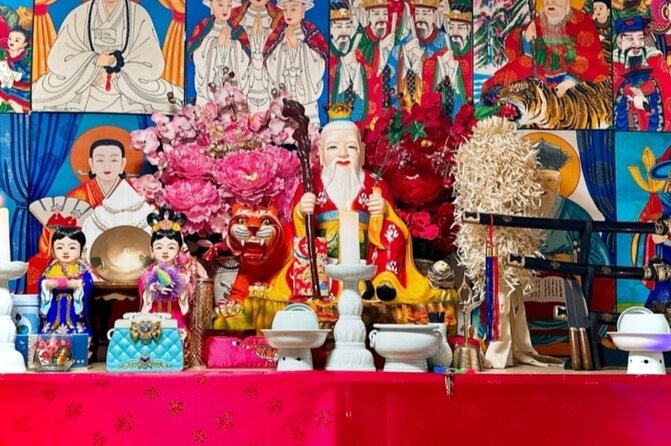
- Guksadang Shrine: learn the meaning behind gut rituals and shaman symbols
- Ethan Kim’s storytelling: patient English explanations and real Q&A time
- Optional live divination: short consultation interpreted with a real shaman
- Wish or prayer charm: write your intention and keep (or leave) it at the shrine
Inwangsan Mountain and the Seoul spiritual vibe you actually feel
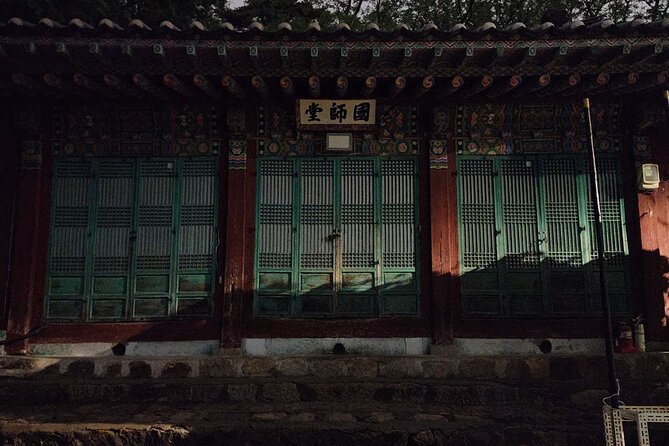
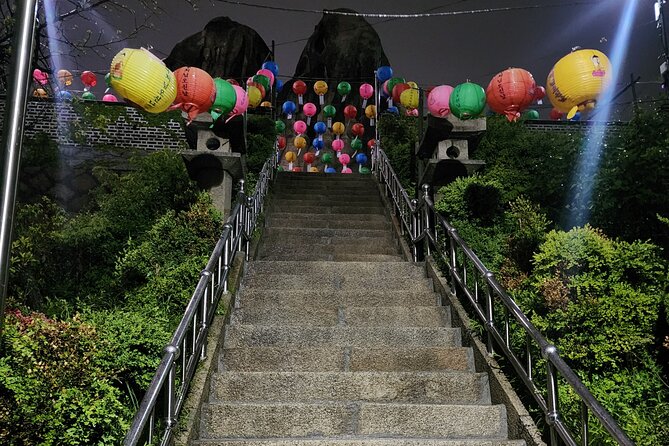
Inwangsan sits right in the city’s backyard, but it doesn’t feel like ordinary city scenery. The whole tour is built around the idea that this mountain has long been treated as a sacred place—one tied to spirits, stories, and personal prayer in Korean life. You’ll start at Inwangsan’s base and begin moving along forested paths where the guide sets the tone with the history and continuing role of shamanism.
What makes this memorable is that you’re not only seeing shrines. You’re learning how people interpret nature, fate, and “what’s going on” in life through a spiritual lens that still exists in modern Seoul. That matters because it turns your walk into a cultural translation exercise: you start noticing offerings, symbols, and the quiet logic behind rituals.
And yes, the views help. Even when you’re focused on faith and stories, you’ll still get scenic lookouts that make the hike feel like a reward, not just a chore.
You can also read our reviews of more tours and experiences in Seoul.


Ethan Kim’s guide style: clear English, stories with purpose
The tour runs with an English-speaking guide (Ethan Kim) in a small-group or private format, which makes a big difference for something this personal. You’re not stuck listening to a lecture from far away. You can ask questions, and the guide is set up to answer in a way that fits your background and comfort level.
From the reviews, one theme shows up again and again: Ethan’s patience and how he translates the experience so it lands. That’s not minor. Korean shamanism has its own language, symbols, and emotional tone, and if the guide rushes or glosses, the whole thing can feel confusing or awkward.
Here, you get guided context before each stop, plus a Q&A built into the flow. That means when you see offerings or ritual items later, you know what you’re looking at—and why someone would bring it.
The hike and shrine stops: offerings, spirits, and photo-ready moments
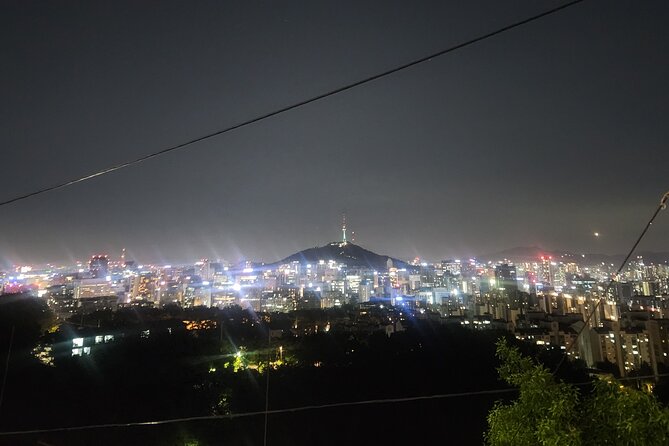
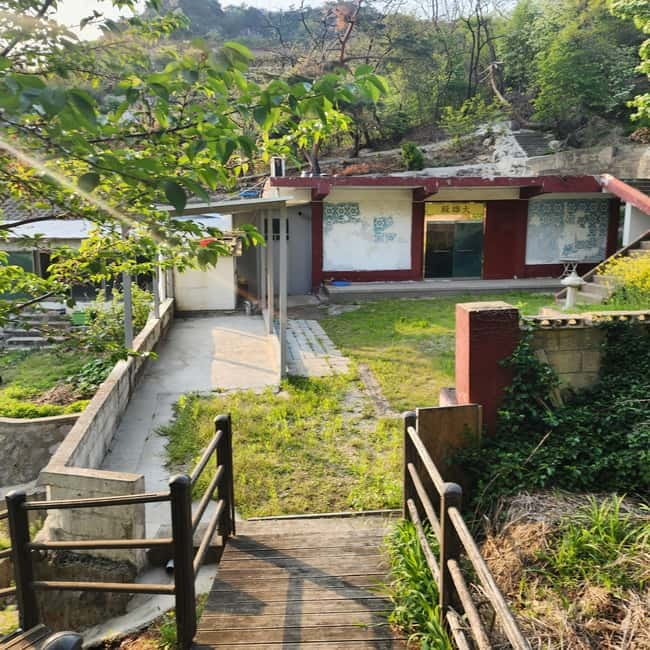
Expect a moderate walk with a bit of uphill along the way. The experience is designed around about an hour of movement through the Inwangsan area, with stops for sightseeing, guided explanations, and photos. Comfortable shoes are a must, especially if you want steady footing for uneven paths.
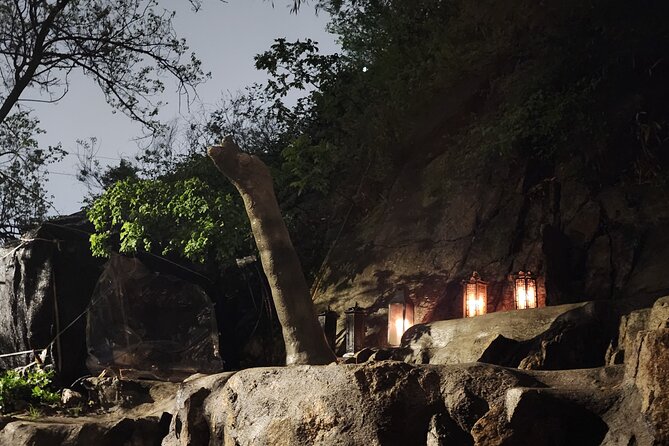
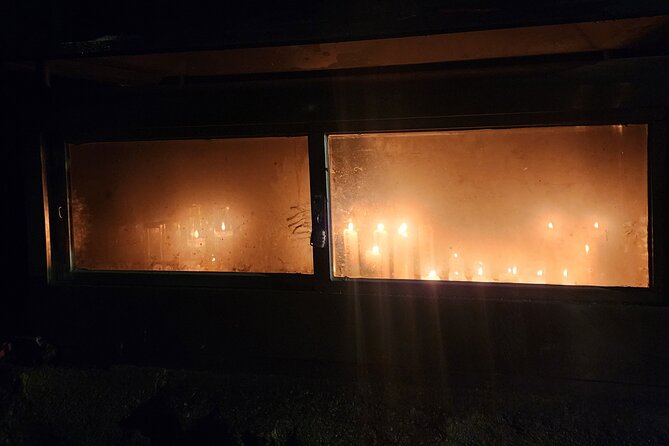
Along the route, you’ll visit hidden shrines and ritual sites tucked into the landscape. You’ll also see offerings people leave behind—candles, rice, alcohol, and written prayers. That list is important: it signals that shamanism isn’t only costumes and ceremonies. It’s also everyday devotion, the kind people use to communicate intentions to the spiritual world.
The guide explains the symbolic meaning behind what you’re seeing, including how this reflects an animistic worldview—nature and spirit are treated as connected. You’ll hear mountain spirit ideas and ghost legends, plus stories that help explain why the places matter.
One practical tip: slow down for photos at the designated stops. The experience moves at a walking-tour pace, and the best viewpoints show up when the group pauses—not when everyone is rushing uphill.
Guksadang Shrine: where gut rituals and the resistance spirit come in
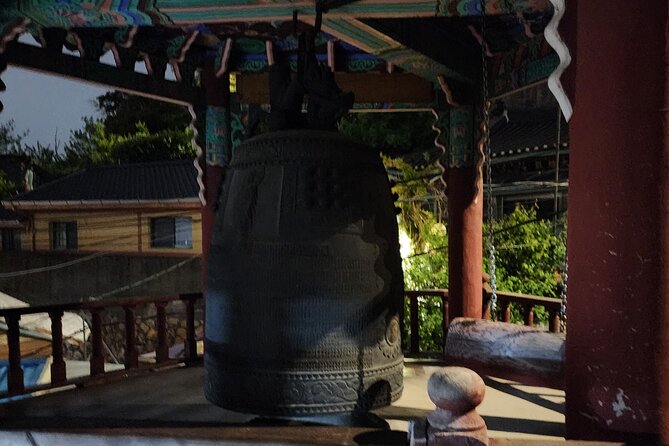
Your destination is Guksadang, described as the most iconic shamanic shrine in Seoul. This stop gives the tour its “core meaning” moment, because you’ll pause for storytelling centered on the shrine’s turbulent history and the resistance spirit tied to Korean shamanism.
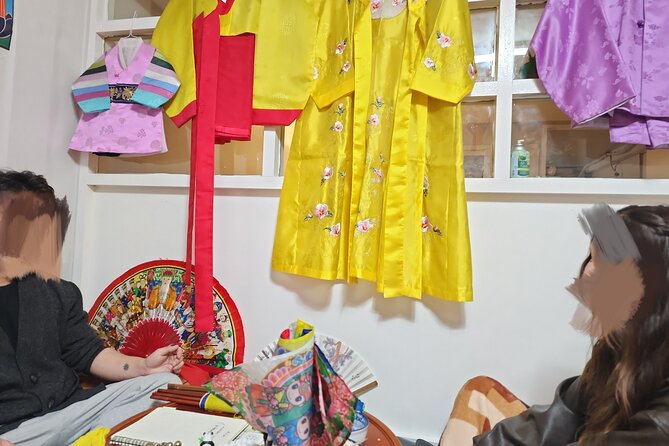
Then you move from story into basics: gut rituals (shamanic ceremonies), mudang (shamans), and the way ritual tools are used. The guide explains items like swords, bells, and fans—how those objects function in ceremonies, and what their presence suggests about communication between worlds.
This is also the point where the tour feels most grounded. It’s not played as spooky entertainment. The focus is on symbolism, cultural context, and respectful observation of living tradition.
If you’re the type who likes to understand what you’re looking at before you judge it, this stop will click. You’ll walk away with a framework you can carry into the rest of your Seoul trip, because you start seeing how spirituality shows up in public life and personal decisions.
The optional live shaman reading: a respectful, practical consultation
The tour’s main climax is the chance for a private audience with a real Korean shaman. This part is labeled optional, and when you choose it, you’ll witness a short live divination or spiritual consultation with interpretation.
The tone here is calm and personal, not theatrical. Based on what’s described, the shaman addresses guidance topics such as health, career, family, and fate. That’s a big deal for how to set your expectations. This isn’t about turning the shaman into a magic show. It’s about how people seek direction when the future feels unclear.
The guide’s role matters in this segment too. The consultation is interpreted, so you’re not left guessing what’s being said. Reviews also highlight that readings can be thorough and thoughtful, which suggests the shaman takes time to connect with each person rather than doing quick, cookie-cutter answers.
How should you prepare? Come with an open mind and a respectful attitude. If you’re nervous, remind yourself you can treat this like a cultural meeting: you’re there to understand and listen, not to test the supernatural.


Writing a wish or prayer charm: your intention becomes the souvenir
Near the shrine stops, you’ll get to write your own wish or prayer charm. This can be taken home or left at the shrine, depending on what feels right to you in the moment.
This part is simple, but it adds emotional weight. It’s not just a craft activity. It’s your way of participating in the symbolic practice you’ve been learning about—turning the tour’s ideas into a personal act.
I like this because it gives you something quieter to carry afterward than a pile of photos. You’ll remember the words you wrote, and you’ll remember why the guide explained offerings and rituals in the first place.
Practical note: wear something comfortable, since the hike continues and you may be standing at shrine areas for the writing and any short guidance the group receives.
Timing and what the 30–150 minute range really means
The listed duration range is 30–150 minutes, but the tour you’re likely picturing runs about 2.5 hours. The “shorter vs longer” variation often comes down to whether you include the optional shaman meeting/ritual segment and how the group moves based on conditions.
You start at a designated meeting point with instructions based on your option. One key reference point is near Dongnimmun Station (Exit 3), but the tour also lists other starting options, including Thunder Chicken locations and Muakjae Station. You’ll finish either at a summit shrine area or descend together, depending on weather and participant preferences.
That weather factor matters in a hillside area. Seoul can be windy or change fast, and the tour’s flexibility helps keep you safe and comfortable.
What to pack (and what to skip) for Inwangsan
This experience is outdoors for a good stretch, and it includes a slight uphill climb. Keep it practical:
- Comfortable shoes with grip
- A light jacket or umbrella if weather might turn
- Dress for cool-to-mild outdoor walking, since you’ll be outside for the climb and shrine pauses
You should also follow the listed on-tour restrictions: no smoking, no littering, and no making fire. Oversize luggage, pets, strollers, bikes, and certain mobility devices aren’t allowed. If you’re bringing any personal items, think light.
The tour is also flagged as not suitable for some needs, including mobility impairments and wheelchair users, as well as people with respiratory issues. If that’s you, it’s worth considering an alternative Seoul walking experience with flatter terrain.
Price at about $27: where the value comes from
At around $27 per person, the price feels fair for what you get—especially if you care about cultural context rather than just landmark photos. You’re not only paying for a guide-led hike. You’re paying for:
- Guided visits to Inwangsan shamanic hotspots and shrines
- Storytelling and explanations that connect rituals to culture
- Optional meeting with a real shaman and optional live ritual/fortune reading
- A guided writing moment for your wish/prayer charm
- An air-conditioned vehicle after the hiking portion
Here’s how I’d judge the value: if you want a standard “Seoul view + quick photos” walk, this won’t be the best fit. If you want something more personal—shamanism, symbols, and guided interpretation—this price lands in the right neighborhood.
Also, a small group or private format helps the experience feel more direct. You’re more likely to ask questions and understand what the shaman segment means when it comes.
Who should book this spiritual adventure (and who might not)
This tour fits best if you:
- Like stories that connect past and present beliefs in Korea
- Want a guided, respectful look at shamanism rather than just folklore as entertainment
- Enjoy walking with breaks, photos, and cultural explanations
- Care about practical interpretation during the optional consultation topics (health, career, family, fate)
It may not be right if you:
- Need wheelchair-friendly routes or have significant mobility limits
- Have respiratory concerns that make outdoor walking hard
- Prefer a low-effort, fully seated experience
One more check: if you’re uneasy with spiritual practices, the tone here is cultural and respectful, but it still includes a live shaman meeting when selected. An open mind helps.
Should you book Into Inwangsan and Korean Shamanism?
I’d book this if you want Seoul beyond the usual checklist. Inwangsan gives you nature right inside the city, and the shamanism focus gives you a different way to read Korean culture—through ritual, offerings, and the meaning people attach to fate and wellbeing.
Choose it especially if you value the guide’s role. Ethan Kim’s storytelling and patience come up repeatedly, and that matters because it turns symbols into something you can actually interpret. If you’re also interested in the optional fortune reading, this becomes a truly memorable, personal part of your trip.
Don’t book it if you want an easy, fully accessible stroll. This is a hike with moderate walking and shrine-area movement. If you plan smart—shoes, light layers, and a calm mindset—you’ll get one of the more human, thoughtful experiences Seoul offers.
FAQ
How long is the tour?
The duration is listed as 30–150 minutes, and the experience is described as about 2.5 hours for the full flow.
How much does it cost?
It’s priced at $27 per person.
Where do I meet the guide?
The meeting point can vary by the option you book. It may be near Dongnimmun Station (Exit 3), and other listed options include Thunder Chicken Independence Gate locations and Muakjae Station.
Is the shaman meeting included?
The meeting with a real shaman is listed as optional.
Can I choose to have a live fortune reading?
Yes. A live ritual or fortune reading is listed as optional as well.
What language is the tour guide?
The tour guide speaks English.
Do I get food or drinks during the tour?
Food or drinks are not included unless explicitly mentioned.
What should I bring?
Wear comfortable shoes for a slight uphill climb. Also bring a light jacket or umbrella depending on the weather.
Are there any important restrictions?
Yes. Pets are not allowed, and there are restrictions including no smoking, no littering, no making fire, and limits on certain strollers, bikes, and mobility scooters.
What happens if the weather is bad?
The tour can end at the summit shrine area or the group can descend together, depending on weather and participant preferences.