REVIEW · SEOUL
Seoul DMZ Tour with 3rd Tunnel and Red Suspension Bridge
Book on Viator →Operated by I Love Seoul Tour · Bookable on Viator
A day that feels part history class, part reality check. This Seoul DMZ outing takes you to Imjingak Park and the 3rd Tunnel, plus stops with standout sightlines like Dora Observatory and a suspension bridge tied to the 1951 battle story. It’s structured, time-efficient, and full of moments that make the Korean War feel very close to the ground.
I especially like two things: first, the way the day builds from memorials into physical evidence, so the tunnel doesn’t feel random. Second, the guides—from Stella to Mama Winnie, from Leo to Kenny, Grace, Thomas, and Chloe—tend to keep the pace smooth and the explanations clear, with respect and even humor to keep it from feeling heavy all day. One thing to consider: the 3rd Tunnel and the bridge area involve real climbing and low-ceiling walking, so comfortable shoes and a moderate fitness level matter.
In This Review
- Key highlights you’ll actually feel on the day
- Price and Logistics: Is $45 a good deal for DMZ access?
- Getting to the DMZ: A structured start from Myeong-dong
- Imjingak Pyeonghoa-Nuri Park: Memorials before the border gets physical
- Mangbaedan: A small stop with big meaning on New Year’s
- The 3rd Tunnel: Low ceilings, steep climbs, and the real workout part
- Dora Observatory: North Korea views that depend on the air
- Gamaksan Chulleong Bridge: Scenic bridge, serious war memory
- What guides do well: From Stella to Mama Winnie, the day stays human
- What’s included, what isn’t, and what that means for your day
- Fitness, clothing, and small decisions that prevent big headaches
- Should you book this DMZ tour or skip it?
- FAQ
- How long is the Seoul DMZ tour?
- What’s the price per person?
- Where does the tour start and end?
- Do I need a passport?
- Are tickets included for the major stops?
- Is the Joint Security Area (JSA) included?
- Will there be hotel pickup?
- What fitness level do I need?
- What should I wear?
- Can the tour be canceled?
Key highlights you’ll actually feel on the day
- Imjingak Park’s unification memorial vibe sets an emotional tone before you move toward the border-zone sights
- The 3rd Tunnel walk is longer and physically awkward than it looks, with steep sections and a very low head area
- Dora Observatory viewpoints can be stunning when the air is clear, but visibility depends on weather
- A suspension bridge tied to a British battle story gives you scenery with a sharp historical edge
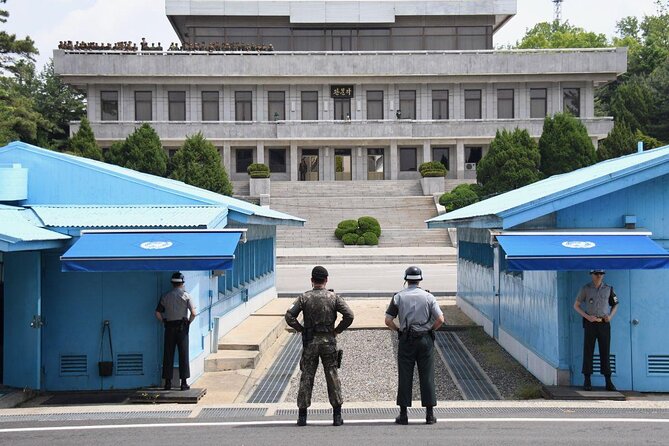
- No JSA stop, so you’ll focus on the accessible DMZ-adjacent sites included in the itinerary
- Guide-led pacing makes a long day feel organized, with helpful photo time at key moments
Price and Logistics: Is $45 a good deal for DMZ access?
At $45 per person, this is one of the more budget-friendly ways to reach multiple DMZ-area landmarks in a single day from Seoul. You’re not just paying for transportation. Your ticket price covers admission for the stops that require it (the tunnel and Dora Observatory), plus a professional guide and an air-conditioned vehicle.
That matters because many “DMZ-style” tours get expensive once you add entrance fees and specialized transport. Here, you get a full day’s worth of sights without the usual add-on costs. The day runs about 8 hours, and the tour ends back at the Myeong-dong subway station area, so you’re not stuck searching for connections far from your starting point.
Two small practical notes to keep your expectations realistic:
- You’re not included with hotel pickup/drop-off, so plan around the designated meeting point (Myeong-dong subway station).
- Meals aren’t included, and there’s no formal lunch break. You’ll want snacks ready or money for quick buys during breaks.
You can also read our reviews of more tours and experiences in Seoul.
Getting to the DMZ: A structured start from Myeong-dong
The day begins in Myeong-dong. You’ll meet your guide at the listed meeting spot (the tour points to Myeong-dong subway station) and then board an air-conditioned vehicle. Expect a long drive component—DMZ-area sites are far enough from central Seoul that the bus time is part of the experience.
One of the most consistent “this tour works” themes in the guide comments is pacing. People describe the day as smooth and on time, with the guide helping keep the schedule tight so you don’t feel rushed at every stop. You also get help with practical things like where to stand for group photos and when the timing is best for photos at viewpoints.
And since it’s a long day, it’s worth following the tour’s own common-sense advice: bring snacks and drinks. The tour encourages it, and the schedule suggests you’ll likely want a boost while you wait for your next entry point.
Imjingak Pyeonghoa-Nuri Park: Memorials before the border gets physical
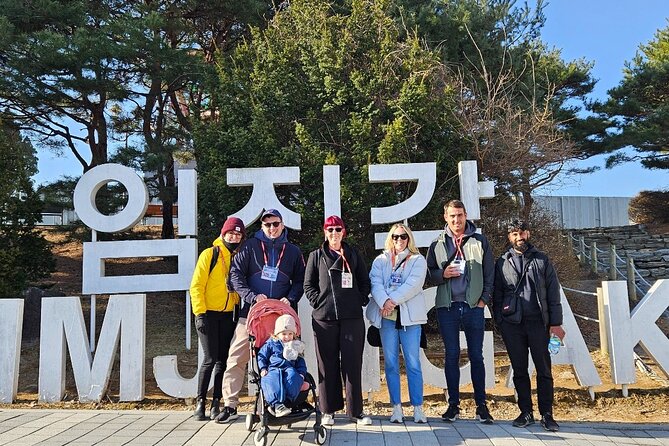
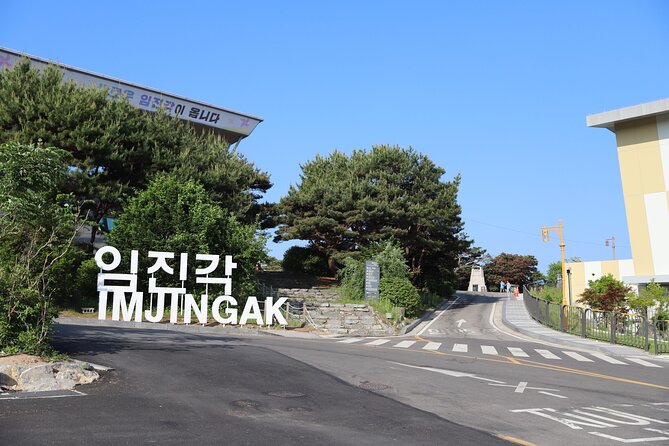
Imjingak Park is the kind of stop that changes your mindset fast. It was built in 1972, with the hope that unification would one day be possible. You’ll see it framed by monuments and additional spaces like Unification Park and the North Korea Center, plus the Imjingak structure itself is described as three-storied, with multiple memorial elements around it.
Why I think this stop is valuable: it gives you emotional and historical context before you head toward sights that are more “technical” (like tunnels and observation platforms). When you start with the memorial layer, the later stops don’t feel like random sightseeing.
What to watch for:
- Give yourself a moment to slow down. This part of the day sets the tone for everything that follows.
- Take photos if you want, but also read what’s around you. The park feels intentionally designed to help you understand the war’s human fallout.
Practical tip: This is a relatively short stop (about 30 minutes). If you want extra time for pictures, plan your quick walk first—then circle back for close shots.
Mangbaedan: A small stop with big meaning on New Year’s
Mangbaedan is short, but it’s specific. It’s described as a place where people who left their families in North visit on New Year’s Day. That detail gives the stop a clear purpose: it’s about family ties stretched across the divide.
You’ll typically have around 15 minutes here. That’s not much time, so don’t treat it like another long park walk. Treat it like a reflective pause on a day that’s otherwise heavy with structure and physical movement.
Best use of your time: look at the area thoughtfully, then move on. This is one of those stops that works more as a meaning marker than a photo marathon.
The 3rd Tunnel: Low ceilings, steep climbs, and the real workout part
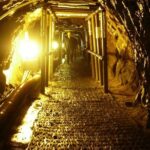
If you remember one part of this tour, make it the 3rd Tunnel. It’s described as a tunnel discovered by South Korea in 1978, and the numbers alone explain why it’s memorable: 1,635m long, 2m wide, and 2m high. Even if you’re not tall, the height creates an immediate “heads-up, shoulders-bent” walking experience.
It’s also where the tour’s moderate-fitness advice becomes real. You’ll go down into the tunnel and then later come back up. Reviews emphasize that it’s longer than it looks and steep on the return. One person even described hitting their helmet repeatedly on the low ceiling despite being 176cm tall, which tells you the clearance is tight in practice.
Key things you should plan for:
- Expect to walk hunched over for a chunk of the tunnel.
- Prepare for a steep return. Legs feel it.
- Wear shoes with solid grip. The tour strongly discourages flip-flops, slippers, and heels for a reason.
Timing wise, you’ll have about 40 minutes here, with the tunnel admission included. That’s enough time to experience it fully, but not enough time to “take your time” for every slow moment. Keep moving steadily, and let your guide manage the group flow.
Also: it’s cold in many tunnels by nature, but the specific temperature isn’t listed here. Still, you’ll likely feel a chill, especially because you’re moving slowly and staying bent. If you run cold easily, pack a light layer.

Dora Observatory: North Korea views that depend on the air
Dora Observatory is where your day shifts from physical effort to visual impact. From here, you can overlook North Korea and locations including Gaeseong, Songaksan, a Kim Il-Sung statue, and Cooperation Farm (Geumamgol).
Here’s the honest part: the view quality depends on weather. Reviews note that Dora’s North views are weather dependent, and a clear day helps you see without haze. So if you’re visiting during a rainy or hazy stretch, your “wow” factor might be lower, even though the stop still matters.
You’ll have about 30 minutes, and the observatory admission is included. This is the kind of stop where you want to stand in the right place early so you get your photos before the crowd shifts. Since the guides are praised for photo assistance, you can also take advantage of their timing help.
Don’t rush the meaning either. Looking across the divide turns the earlier memorial context into something you can actually point at. It’s not just information anymore.
Gamaksan Chulleong Bridge: Scenic bridge, serious war memory
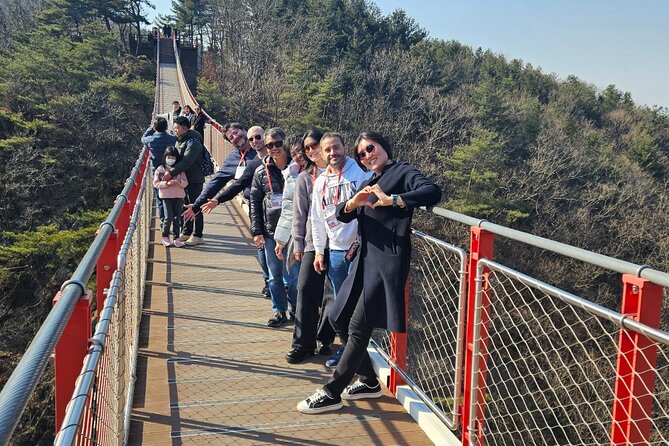
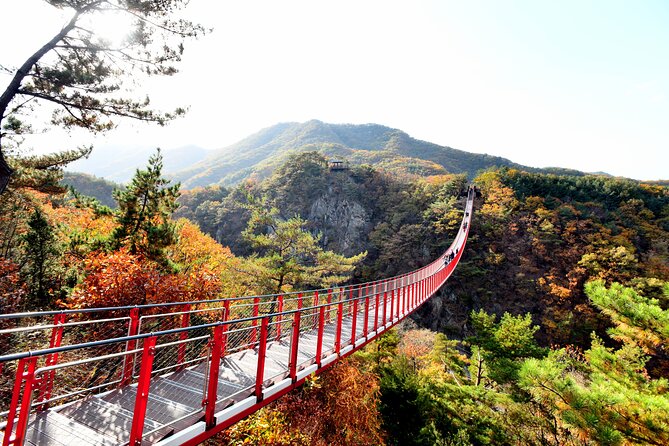
The red suspension bridge stop is a standout for many people, and it’s easy to see why. The Gamaksan Chulleong Bridge is described as a suspension bridge about 150m long and 1.5m wide, located in Solma-ri.
What makes this bridge different from a typical “walk across for photos” moment is the war connection. The area is tied to the Battle of Solma-ri, also known as the Battle of Gloster Hill held in 1951. Reviews specifically mention a British defense angle, and that battle framing adds weight to your walk.
You’ll have about 1 hour here, with admission listed as free. That gives you time to walk the bridge, take photos, and then also enjoy the wider surroundings from nearby viewpoints.
But keep your legs in mind. If you’ve already done the tunnel, the bridge climb and steps can feel like a second workout. One review described around 400 steps from the road to where the bridge starts. Even if your exact route differs, treat this stop as active.
What guides do well: From Stella to Mama Winnie, the day stays human
One reason the day earns strong ratings is the guide quality. Names that come up again and again include Stella, Mama Winnie, Leo, Kenny, Grace, Thomas, and Chloe. Across those different people, the themes are similar:
- Explanations that stay clear and timed to what you’re actually seeing
- A respectful tone (no showy shock value)
- Organization that keeps the group moving without chaos
- Help with individual and group photos
- Extra context through bus-time videos and photos in some cases
Even if you’re not a “history person,” this helps. The guide doesn’t just recite dates. They connect the memorial sites to the physical structures and to what you can see from Dora.
If you get a guide with a strong communication style, you’ll likely leave feeling like the DMZ is less like a headline and more like a place with layers.
What’s included, what isn’t, and what that means for your day
Included:
- Air-conditioned vehicle
- Admission tickets for stops that require them (Third Tunnel and Dora Observatory)
- Professional tour guide
- A mobile ticket
Not included:
- Meals and beverages
- Hotel pickup & drop-off
- Travel insurance
- JSA (Joint Security Area)
That last point matters. Some DMZ expectations in Seoul come from movies or older tour formats. This tour keeps you to accessible sites included in the day, so you’ll focus on Imjingak, Mangbaedan, the 3rd Tunnel, Dora Observatory, and the bridge area rather than trying to chase a JSA-style experience.
Fitness, clothing, and small decisions that prevent big headaches
This tour requires moderate physical fitness. That’s not a marketing line. Between the tunnel and the bridge approach, your body will notice.
Do:
- Wear closed-toe shoes with grip
- Bring a light layer if you get cold indoors (tunnel-type conditions can feel cooler)
- Pack snacks and water (highly recommended)
- Bring your passport (a current valid passport is required on travel day)
Avoid:
- Flip-flops, slippers, or shoes with heels
- Any shoes you wouldn’t want to hike in for a long day
Also, note the tour may be canceled without prior notice because the DMZ is operated by the military. This doesn’t happen all the time, but it’s part of the reality of going anywhere near the border zone.
Should you book this DMZ tour or skip it?
I’d book it if you want a value-packed day that goes beyond “drive-by photos.” The combination of Imjingak Park + the 3rd Tunnel + Dora Observatory gives you context, physical experience, and a real view line toward North Korea. Add the suspension bridge tied to a 1951 battle story, and you get a day that stays meaningful without feeling like a museum crawl.
I’d think twice if you know you struggle with low-ceiling walking, steep climbs, or long stair-and-step sections. The tunnel and the bridge approach can be tough. And if you’re hoping for a JSA-style stop, you’ll be disappointed—this one doesn’t include it.
If you’re flexible, bring snacks, wear grippy shoes, and show up with a moderate fitness mindset, this is a strong way to experience the DMZ belt from Seoul without breaking your budget.
FAQ
How long is the Seoul DMZ tour?
It’s about 8 hours.
What’s the price per person?
The tour costs $45.00 per person.
Where does the tour start and end?
It starts and ends at the Myeong-dong subway station area (Myeong-dong, Jung District, Seoul).
Do I need a passport?
Yes. A current valid passport is required on the day of travel.
Are tickets included for the major stops?
Admission tickets are included, including for the 3rd Tunnel and Dora Observatory.
Is the Joint Security Area (JSA) included?
No, this tour does not stop at the JSA.
Will there be hotel pickup?
No. Hotel pickup and drop-off are not included.
What fitness level do I need?
The tour recommends a moderate physical fitness level.
What should I wear?
Wear comfortable shoes and avoid flip-flops, slippers, or shoes with heels.
Can the tour be canceled?
Yes. Since the DMZ is operated by the military, the trip may be canceled without prior notice.