REVIEW · SEOUL
Seoul Cultural Tour – Kimchi Making, Gyeongbok palace with Hanbok
Book on Viator →Operated by VIP TRAVEL Co.Ltd · Bookable on Viator
Hanbok, tea, kimchi, and palace etiquette. I love how this tour turns hanbok into more than a costume stop, with real etiquette practice, and then gets you hands-on with kimchi you make yourself. The one drawback to keep in mind is that it’s a packed day (about 6.5 hours) and lunch isn’t included, so you’ll want to plan your timing.
You start at 9:30am with round-trip hotel transport and a professional guide, and you keep moving through several classic cultural stops in central Seoul. Between the tea ceremony, a Joseon-era style folk game, and a finish at a ginseng or amethyst-focused stop, you get a lot of Korean culture without having to coordinate it yourself.
In This Review
- Key Things I’d Plan For
- First Stop: Gyeongbokgung Palace and Hanbok Etiquette
- Tea Ceremony Moment: Slow Down Without Losing Time
- Folk Game in Seoul: The Fun Part of Learning Culture
- The 30-Minute Kimchi Class You Can Use at Home
- Insadong and the Cultural Center Vibe: Photos, Tea, and Context
- Amethyst Factory or Ginseng Stop: Shopping With a Lesson
- Price and Logistics: Does $99 Feel Like a Deal?
- Guide Quality Matters: Look for Clear, Friendly Hosting
- Who This Tour Is Best For (and Who Should Skip It)
- Should You Book This Seoul Hanbok and Kimchi Tour?
- FAQ
- How long is the Seoul Cultural Tour?
- What’s included in the price?
- Do I need lunch during the tour?
- Is hotel pickup offered?
- What’s the maximum group size?
- Can I get tickets digitally?
- Is free cancellation available?
Key Things I’d Plan For
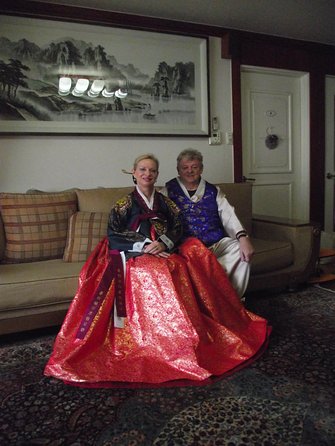
- Hanbok with etiquette practice: You’re not just dressed up for photos.
- Tea ceremony + a folk game: Expect hands-on participation, not passive watching.
- A 30-minute kimchi class: Fast, structured, and designed for you to take skills home.
- Small-group feel: Maximum 10 travelers, with lots of attention from the guide.
- Hotel pickup included: Big time-saver in a city where getting around can still be tricky.
First Stop: Gyeongbokgung Palace and Hanbok Etiquette
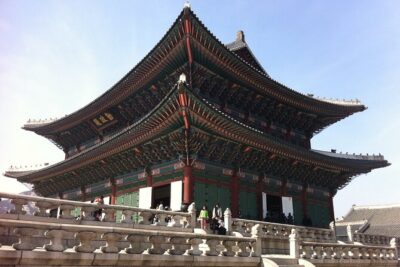
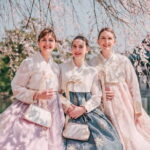
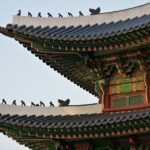
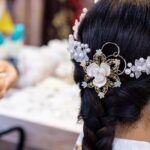
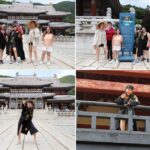
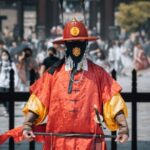
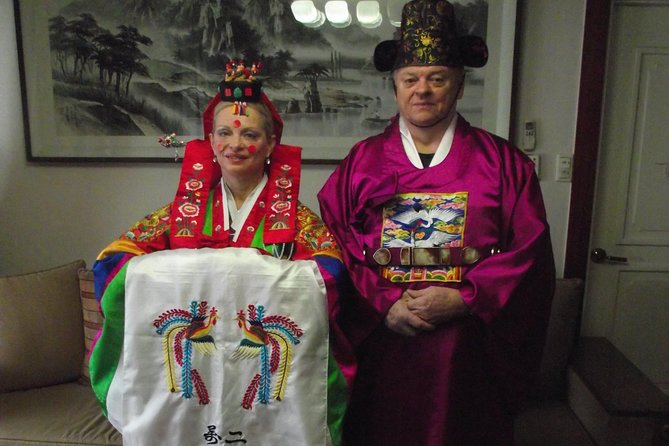
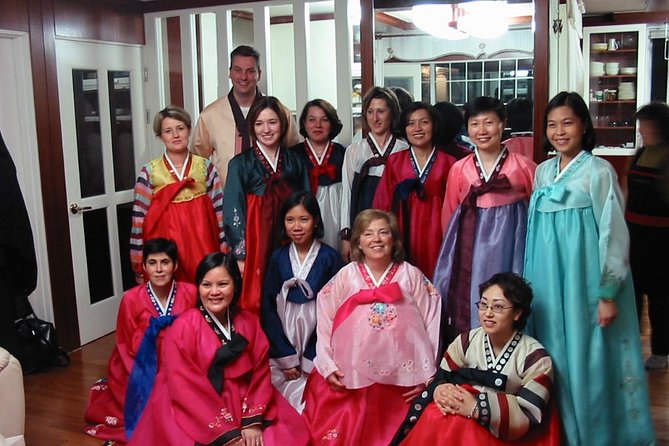
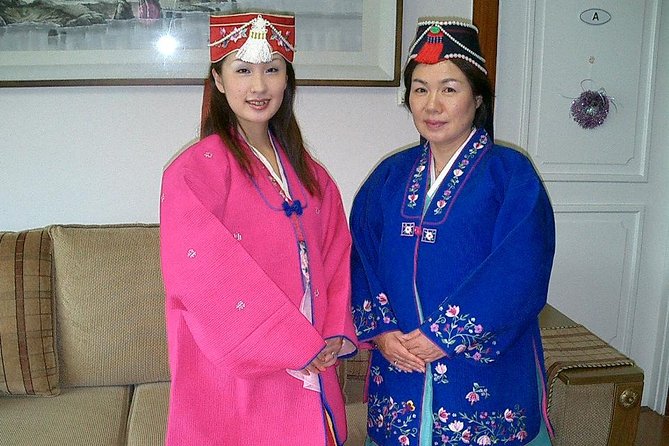
The heart of the experience is the palace visit, and the tour smartly uses hanbok to set the tone. Instead of treating hanbok like a souvenir moment, you learn how to wear it and how to behave properly while you’re in it. That matters because Korean etiquette isn’t just theory here. You’re using it right away as you move through the palace setting and take photos.
What I like about this approach is that it teaches you how to slow down. Hanbok changes your movement. You naturally adjust your posture and pacing, which makes the etiquette part feel practical rather than lecture-only. If you enjoy cultural “do’s and don’ts” that you can actually try in the moment, this is a great setup.
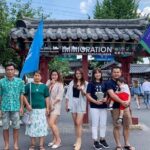
Also, this is where the photo value lands. The tour is built around the idea that you’ll look and feel like you belong in the scene, not just stand in front of something famous. Even if you’re not a serious photographer, you’ll likely leave with images you’re proud to post.
One practical note: hanbok can be warm, and your day includes more than one activity afterward. Wear comfortable shoes you can slip into quickly, since you’ll be changing pace through the tour.
You can also read our reviews of more historical tours in Seoul
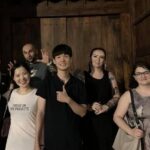
Tea Ceremony Moment: Slow Down Without Losing Time
After the palace, the tour shifts gears into a gentler, more indoor-feeling cultural stop. You get a cup of Korean tea and take part in a tea ceremony style experience. This is a nice contrast to the outdoor palace walking, and it gives your brain a break from photos and moving crowds.
Tea ceremony time also works because it’s informational without being heavy. You’re learning how Koreans think about hospitality and manners, but you’re also just drinking something warm and grounding. If you’ve ever had a tour where everything feels like a sprint, this section helps balance it out.
If you’re sensitive to strong flavors, treat the tea tasting like a sample, not a test. You don’t need to become a tea expert by the end. The point is to participate and notice what tastes different compared to what you know.
Folk Game in Seoul: The Fun Part of Learning Culture
Then you get to the section that most people remember: a traditional folk game. The tour frames it as a fun activity popular during the Joseon era, and it’s not just about playing. It’s about learning how everyday leisure worked in the past, and doing it with others in the group.
In this kind of setup, you can expect light guidance and a quick “start playing” rhythm. You’ll likely get chances to laugh, reset your energy, and interact more directly than you would at most cultural demonstrations.
One specific game name that shows up with this tour format is yut-nori, and if you’re handed that board-like game, it’s a classic way to pick up Korean cultural flavor fast. Even if you don’t win, you’ll understand the rules enough to participate. That’s the real goal.
This is also where the small group size quietly helps. When there are fewer people, you spend less time waiting your turn and more time actually doing the activity.
The 30-Minute Kimchi Class You Can Use at Home
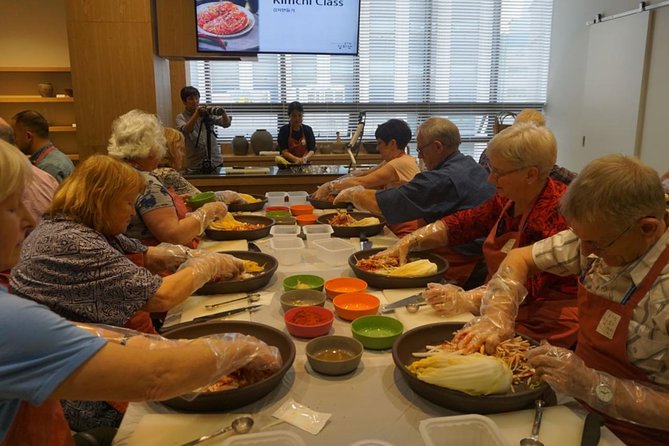
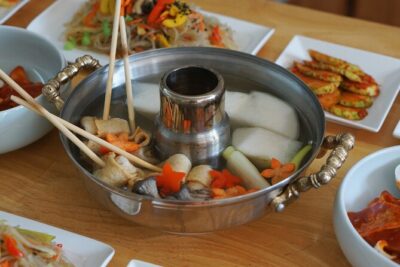
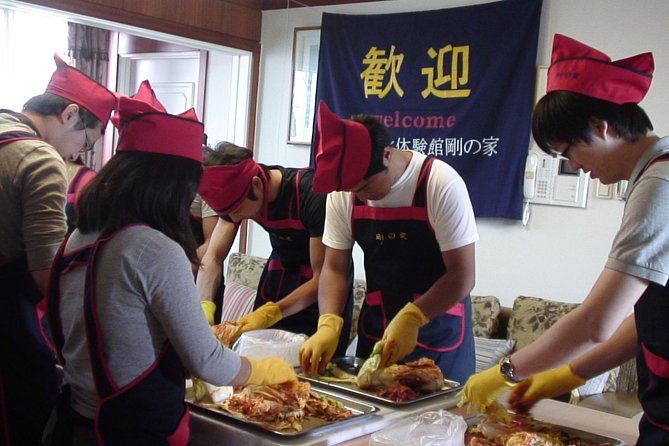
The kimchi-making segment is one of the biggest reasons this tour is so popular. You get a guided kimchi-making lecture and a structured class that runs about 30 minutes, which is a smart length. Long enough to learn the core steps. Short enough that you don’t lose the rest of your day to kitchen logistics.
The tour also emphasizes kimchi’s role in the Korean diet and explores the history and tradition around it. That’s not just trivia. It helps you understand why the process matters. When you learn the reasoning behind ingredients and preparation, you’re more likely to remember what you’re doing later if you try to cook at home.
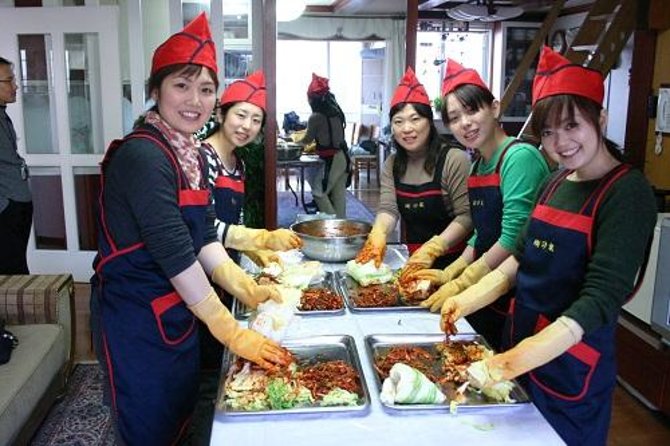
What makes this part feel valuable for real-world travelers is that you’re not just watching someone else cook. You’re getting involved with the prep. One review highlight called out getting elbow-deep in bright red kimchi, which is exactly the point: you should come away with a hands-on memory, not only a photo of a finished jar.
Practical advice before you go:
- You may get messy. Wear clothes you don’t mind if they pick up a little smell or splatter.
- Plan for time after class, since you’ll still have more stops.
- If you love spicy food, good. If you’re sensitive to heat, you might want to ask your guide about spice level expectations while you’re there (they can at least explain how the class is handled).
Insadong and the Cultural Center Vibe: Photos, Tea, and Context
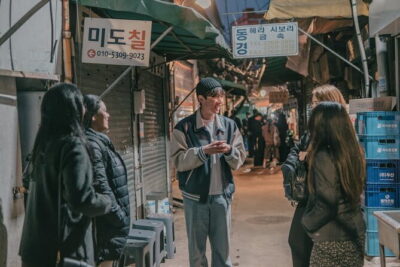
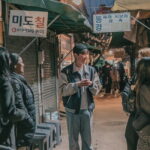
You visit Insadong, and you also spend time at a cultural center. This is where the tour ties the palace experience to daily cultural life. Insadong is a neighborhood name that many people associate with traditional Korea, and it fits perfectly after hanbok and tea because it helps the day feel less like a “theme park of history” and more like an ongoing culture you can walk through.
I like that the tour doesn’t just throw you into one official historical site. It builds a storyline: royal etiquette at the palace, thoughtful manners with tea, playful learning with a folk game, and then kimchi as an everyday food tradition.
If you’re the type who wants cultural meaning, this structure helps. You’re constantly switching between big visuals (palace and hanbok photos) and lived culture (tea, a game, and food preparation).


Amethyst Factory or Ginseng Stop: Shopping With a Lesson
After the main cultural activities, the tour returns to your hotel via either an amethyst factory or a ginseng center. This part can be polarizing, and it’s worth thinking about it honestly before booking.
Here’s the balanced way to see it:
- If you enjoy learning about Korean ingredients and products, the ginseng stop can make sense. It’s tied to a food/health idea you’ll recognize in Korean culture.
- If you like crafts, stones, and souvenir-style purchases, an amethyst stop might feel more entertaining than another lecture.
The key is that this is included as part of the route, so you’ll want to keep an open mind. You don’t have to buy anything, but going in with a “look and learn” attitude makes it more enjoyable.
Also, timing matters. By the end of a day like this, you’ll be tired. Choose how much energy you want to spend on shopping. I’d treat it as a short finale: enjoy the explanations, take your photos if you want, and then focus on getting back comfortably.
Price and Logistics: Does $99 Feel Like a Deal?
At $99 per person, this tour feels priced for travelers who want structure. You get a professional guide (English or Chinese), hotel pickup, the kimchi class lecture fee, and taxes/fees. That’s a lot of “already handled” costs for one fixed price.
What you should compare it to is not another palace visit. Compare it to the cost of doing three separate things on your own: a palace activity, a hands-on food class, and a guided cultural experience with transportation. Once you add guide time and transportation, the $99 starts looking more reasonable.
A couple value notes:
- The tour has a maximum group size of 10, which helps the experience feel personal.
- It also includes round-trip hotel transport, which saves time and stress. Seoul is easy for experienced navigators, but first-timers often waste energy just getting to meeting points.
- The activities are bundled into about 6 hours 30 minutes, with the cultural portion described as shorter. Translation: you’re paying for efficient movement through the day.
The main tradeoff is the pace. You’re out for most of the day, and lunch isn’t included. If you hate rushing, eat early before pickup or carry a simple snack so you’re not stuck hungry mid-activities.
Guide Quality Matters: Look for Clear, Friendly Hosting
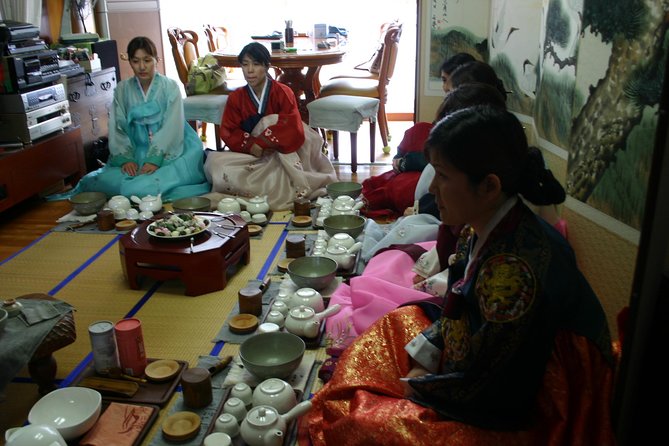
Because this is a guided cultural tour, your day will rise or fall on how the guide manages time and energy. The experience is designed to be interactive: hanbok handling, etiquette practice, tea ceremony participation, a folk game, and a kimchi class.
In the feedback connected to this tour, I’ve seen guide names called out such as Jay, Eva, Alice, Lena, Tom, Lady K, Grace, and Mi So. The common thread in how those guides are described is a mix of friendly attitude and clear information, plus lots of help with photos and answering questions.
So if you’re deciding whether to book, think about your own travel style:
- If you want someone to handle the flow and explain what you’re seeing, this format is a good fit.
- If you prefer freedom and no structure, a guided tour can feel like “someone is always telling me where to go.” You can still enjoy it, but be honest with yourself.
Who This Tour Is Best For (and Who Should Skip It)
This works especially well if you want:
- A short, high-activity way to experience Korean culture in Seoul.
- A real hands-on food experience (kimchi) rather than just tasting.
- Great photo chances without chasing multiple vendors and booking separate classes.
It’s also family-friendly in spirit. One highlight from feedback noted that kids can enjoy it, largely because you’re doing interactive activities like the folk game and hanbok dress-up.
Consider skipping if:
- You only want palace time and nothing else. This tour spreads your time across multiple activities.
- You’re very picky about lunch planning and don’t want to think about meals. Lunch is not included, and the day is scheduled tightly.
Should You Book This Seoul Hanbok and Kimchi Tour?
I’d recommend booking if you want a “best-of” cultural day that actually gets your hands involved. The combination of hanbok etiquette practice, tea, a folk game, and a guided 30-minute kimchi-making class is a strong mix. Plus, the included hotel pickup makes it low-stress, especially if you’re not yet fluent in Seoul transit.
I’d hesitate only if you hate busy schedules or you want long, slow exploration with unplanned breaks. In that case, you might be happier with a lighter, single-location plan.
If you’re flexible, comfortable getting a bit hands-on, and you like learning by doing, this $99 tour is a good way to spend one efficient afternoon in Seoul.
FAQ
How long is the Seoul Cultural Tour?
It runs about 6 hours 30 minutes.
What’s included in the price?
The tour includes the kimchi-making lecture fee, a professional guide (English or Chinese), hotel pickup in Seoul, and all taxes, fees, and handling charges.
Do I need lunch during the tour?
Lunch is not included.
Is hotel pickup offered?
Yes, round-trip hotel transport is included.
What’s the maximum group size?
This tour has a maximum of 10 travelers.
Can I get tickets digitally?
Yes, it uses a mobile ticket.
Is free cancellation available?
Yes. You can cancel up to 24 hours in advance for a full refund. Cancellation less than 24 hours before the start time is not refunded.