REVIEW · SEOUL
Spiritual Adventure : Into Inwangsan and Korean Shamanism
Book on Viator →Operated by Mystical seoul tour · Bookable on Viator
Inwangsan turns folklore into footsteps. This 2.5-hour Seoul experience takes you up to sacred sites tied to Korean shamanism, with your guide explaining the ritual meanings behind shrine objects and talismans.
I love the chance to see how this belief system shows up in real life, not as a staged performance. You also get a personal fortune reading opportunity alongside Q&A, including the option to ask about love, health, or career.
One thing to consider: this is a mountain walk with moderate fitness needed, and the experience depends on good weather, so plan some flexibility.
In This Review
- Key things you’ll notice on Inwangsan shamanism walks
- Inwangsan and Korean shamanism: what this tour helps you see
- Getting to the mountain: the Dongnimmun to Muakjae setup
- Guksadang and other sacred spots: learning by walking the spiritual map
- Watching rites up close: candles, chants, offerings, and what to look for
- Meeting a real Korean shaman: how the fortune session works
- Ritual objects, deities, and talismans: putting the symbols into everyday context
- Views and walking time: why the pace feels right
- Price and value in Seoul: what $28.20 gets you
- Who should book, and who should think twice
- Practical tips so you’ll have an easier day
- Should you book this Inwangsan shamanism tour?
- FAQ
- How long is the Inwangsan Korean shamanism experience?
- What does it cost?
- Where do I meet the guide, and where does it end?
- Is the tour private, and is it near transit?
- Can I ask personal questions or request a talisman?
- Is bottled water included, and what happens if weather is poor?
Key things you’ll notice on Inwangsan shamanism walks
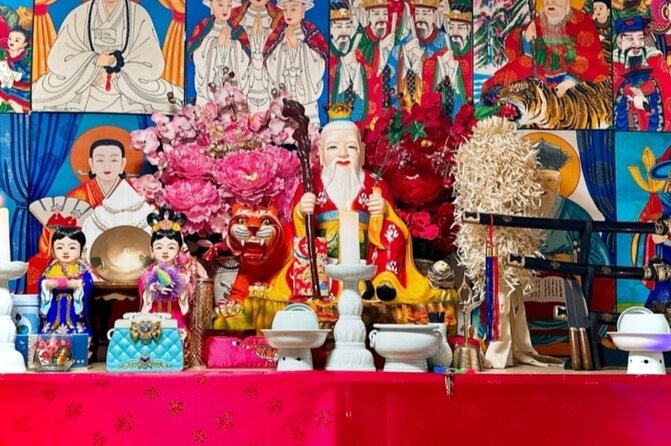
- Guksadang as a core stop, tying shaman traditions to the sacred geography of Inwangsan
- A real shaman meeting with ceremonies using candles, chants, and offerings
- A chance to ask personal questions about love, health, and career
- Explanations of deities, talismans, and ritual objects in everyday Korean life
- Time built in for photos plus a practical Q&A to clear up myths and meanings
- Private by group, with a small-group feel and a guide who keeps the pace comfortable
Inwangsan and Korean shamanism: what this tour helps you see
Korean shamanism is one of those parts of culture that outsiders often treat like folklore. This tour nudges you to see it as something people still reference for guidance, protection, and understanding the invisible side of life. You start on the city edge, then climb into the spiritual setting of Inwangsan, where legends and religious customs meet physical places you can actually stand on.
What I like most is how the tour doesn’t ask you to accept things blindly. Your guide connects rituals to symbols you can recognize—candles, chants, offerings, talismans, shrine items—and explains what those elements are meant to do. That makes the experience more than a quick photo stop.
Another strong point is balance. The tour frames shamanism as living alongside Confucian values, Buddhism, and modern routines. Instead of treating Korean spiritual culture as one single lane, you get a picture of how people mix beliefs in real life.
You can also read our reviews of more tours and experiences in Seoul.

Getting to the mountain: the Dongnimmun to Muakjae setup
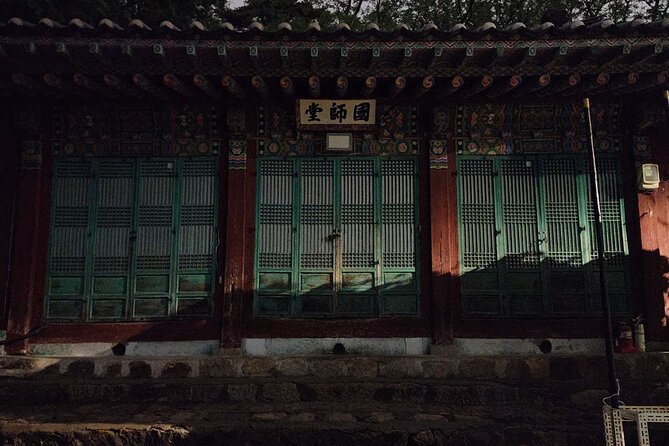
The route starts at Dongnimmun Station Exit 3, and it ends around Muakjae Station near 411 Moraenae-ro in Seodaemun-gu. That’s useful because you don’t have to backtrack to your start point, which can save time and energy after a walk.
The tour is built for easy logistics. It’s near public transportation, and there’s an optional air-conditioned vehicle component if you need it. You’ll also receive a mobile ticket, which keeps things simple on the day.
For pacing, the total time is about 2 hours 30 minutes. That’s long enough to feel you left the city and stepped into a different rhythm, but short enough that you’re not stuck trudging for half the day.
Guksadang and other sacred spots: learning by walking the spiritual map
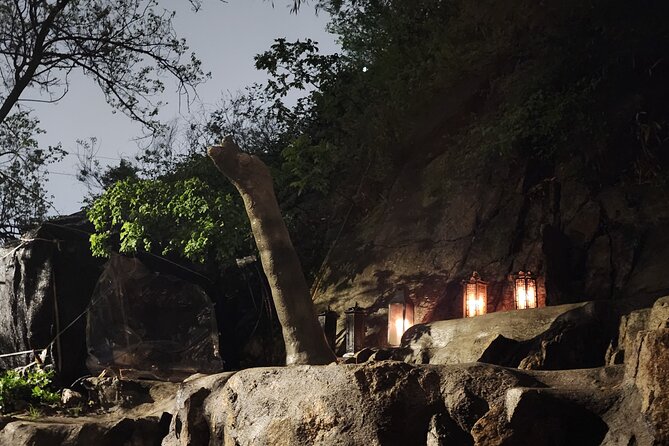
Inwangsan is one of Seoul’s most mystical mountain zones, and the tour uses that setting to teach you the idea of sacred geography. You don’t just arrive at a viewpoint and move on. Instead, you visit shrines and story-rich places where people historically came to seek help, protection, and answers.
A standout named stop is Guksadang. Your guide explains why it matters and how shaman traditions attach meaning to specific sites. When you’re on the ground, it’s easier to understand the logic behind shrine visits—why people believed certain locations were better aligned with spiritual forces.
You’ll also get context for the legends and beliefs connected to each area. That matters because shamanism in Korea often travels through story: what a place is said to be linked with, what kinds of rituals show up there, and what visitors were meant to request.
Watching rites up close: candles, chants, offerings, and what to look for
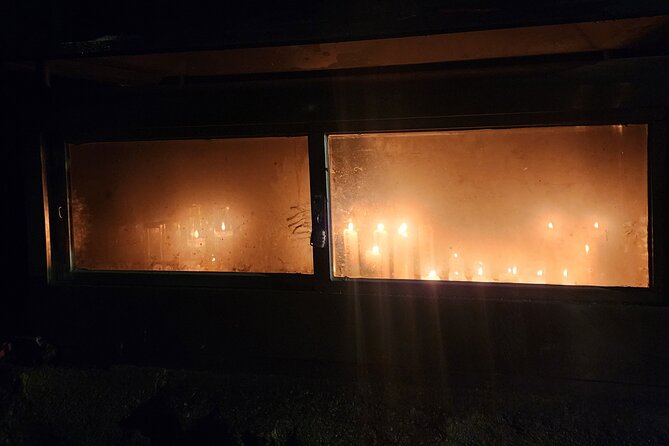
This isn’t a theme-park reenactment. The tour is designed around authentic ceremonies where you can witness the atmosphere of shaman rituals. Expect details like candles, chanting, and offerings as part of what you’ll see and learn about during the visit.
The practical value here is that your guide translates the symbolic language. Rituals can look like a blur if you don’t know what each element is meant to represent. With an explanation in place, the ceremony starts to make sense as a structured way of communicating with deities and spirits.
If you’re curious but cautious, that’s fine. You can treat it as cultural education: you’re learning how Korean people historically approached uncertainty—health, luck, relationships—and how rituals acted like a bridge between the physical and spiritual worlds.
Meeting a real Korean shaman: how the fortune session works
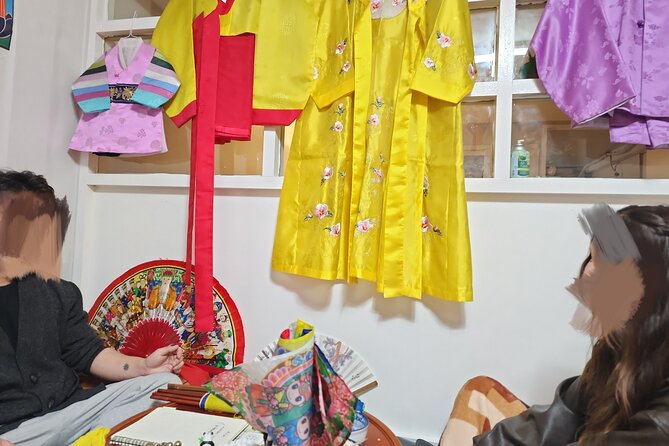
One of the highest-praised parts of this experience is the chance to meet a real shaman and receive insight through a fortune-telling session. This is described as a cultural opportunity rather than a scripted show, and the tone of the tour is meant to keep it respectful and understandable.
During the session, your guide explains the meanings behind ritual actions, including how talismans fit into the process. You may have the chance to ask personal questions about love, health, or career, which turns the experience from general education into something more immediate.
You can also purchase or request a custom talisman. That detail matters because it shows how shamanism isn’t only about information. It’s also about practical belief—people want something they can carry or follow after the visit, tied to their needs at that moment.
One more useful piece: there’s time for photos and a Q&A afterward. That lets you ask the questions that show up after your brain has time to process what you just saw.


Ritual objects, deities, and talismans: putting the symbols into everyday context
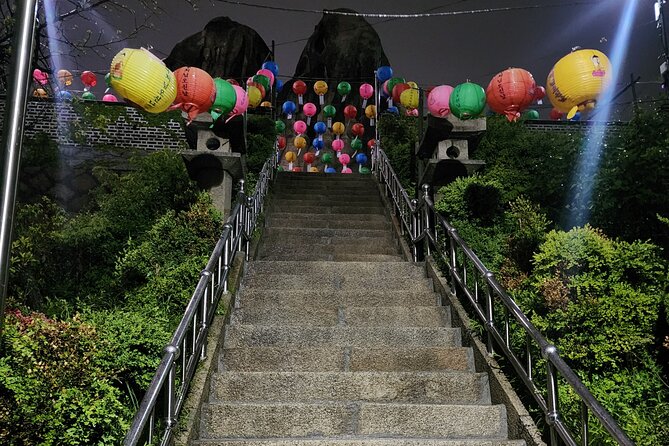
A lot of spiritual tours stop at atmosphere. This one aims to connect you to meaning. Your guide walks you through the purpose of ritual objects, deities, and talismans, with explanations aimed at helping you understand how the beliefs shaped daily life—then and now.
That framing is especially important in Korea, where spiritual ideas overlap. Shamanism has its own logic, but it also coexists with Confucianism and Buddhism. In real day-to-day terms, that often means people can hold more than one belief framework depending on the situation: family duties, religious practice, personal luck, and spiritual guidance.
So when you hear about a deity or see a talisman, you’re not just collecting random facts. You’re learning how belief systems work together in a culture where spirituality can be practical, personal, and public at different times.
Views and walking time: why the pace feels right
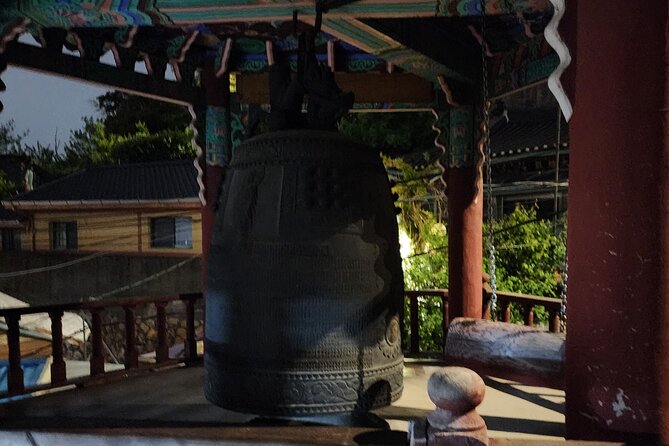
You climb as part of the experience, and the tour is designed for moderate physical fitness. You’ll be walking up a mountain side to reach sacred sites, so plan sensible footwear and an easy pace.
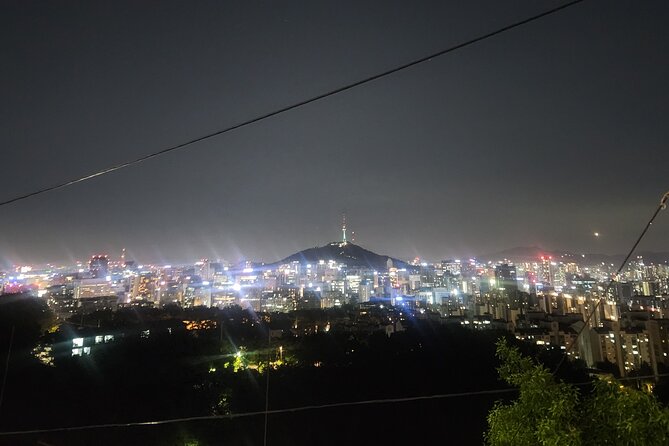
The payoff is the view and the change of setting. Multiple accounts highlight the way the route pulls you away from the city noise while still ending close to transit. The views of Seoul from the mountain area give you a physical reminder that this is not just a classroom topic. It’s geography plus belief.
Also, the duration helps. About 2 hours 30 minutes is often the sweet spot for this kind of tour: long enough to absorb stories, watch ceremonies, and get answers, but short enough that you don’t feel rushed or overloaded.
Price and value in Seoul: what $28.20 gets you
At $28.20 per person, this is priced like an experience that’s more than a casual walk. You’re paying for a guided interpretation of Korean shamanism on location, plus access to meaningful cultural moments such as visiting sacred sites and meeting a shaman for a fortune session.
The value isn’t just the ceremony part. It’s the translation. Without context, rituals can look like noise. With explanations for deities, talismans, and ritual objects, the same events become information you can actually use to understand Korean spiritual life.
It’s also private by group, meaning only your group participates. That matters in practice because shamanism questions can be personal, and it’s easier to feel comfortable when the setting isn’t packed with strangers.
Who should book, and who should think twice
This tour fits best if you want something different from Seoul’s usual routes. If you’re drawn to Korean folklore, religious traditions, and ancestral customs that still show up in modern routines, you’ll likely enjoy the way this experience connects stories to real places.
It also works well if you like asking questions. The Q&A time is built in, and you can ask about themes like love, health, or career during the session.
Think twice if you dislike any activity that involves a spiritual setting or ceremony elements. Even though this is presented as cultural insight, the experience still centers on ritual practice. Also, if you struggle with uphill walking, you’ll want to be honest with yourself about moderate fitness needs.
Practical tips so you’ll have an easier day
Bottled water isn’t included, so you’ll want to plan ahead—especially since you’ll be walking uphill. If you’re doing the tour on a day when Seoul weather is warm or humid, take hydration seriously.
Bring a camera mindset, not just a tourist mindset. There’s time for photos, but the more respectful you are during ceremonies, the more you’ll get from the explanations afterward. If you’ve ever wondered how to ask smart questions in a cultural setting, this is a good place to do it, because the guide is there to interpret meaning, not just lead you from point to point.
Finally, keep your expectations realistic about weather. The experience requires good weather, and if it gets canceled for poor conditions, you’ll be offered a different date or a full refund.
Should you book this Inwangsan shamanism tour?
Yes, if you want a Seoul experience that connects spiritual beliefs to actual places and real ritual practice. The combination of sacred site visits, ceremony atmosphere, and a guided translation of talismans and deities makes this more than an unusual walk.
I’d also book it if you like guided story-telling with Q&A time. The pace (around 2.5 hours) is built to keep you engaged without rushing, and the private-by-group format helps you feel comfortable asking personal questions.
Skip it if you want only modern sightseeing, or if you’re not comfortable with spiritual ceremonies. And do book with weather in mind, since the mountain setting depends on conditions.
FAQ
How long is the Inwangsan Korean shamanism experience?
The tour lasts about 2 hours 30 minutes.
What does it cost?
The price is $28.20 per person.
Where do I meet the guide, and where does it end?
You start at Dongnimmun Station Exit 3. The experience ends near Muakjae Station at 411 Moraenae-ro, Seodaemun-gu.
Is the tour private, and is it near transit?
It’s a private tour/activity, meaning only your group participates. It’s also near public transportation.
Can I ask personal questions or request a talisman?
Yes. You can ask personal questions about love, health, or career during the experience, and you can also purchase or request a custom talisman.
Is bottled water included, and what happens if weather is poor?
Bottled water is not included. The experience requires good weather, and if it’s canceled due to poor weather, you’ll be offered a different date or a full refund.


![Andong Hahoe Village [UNESCO site] Premium Private Tour from Seoul - Stop 1: Andong Hahoe Folk Village village walk that feels real](https://m.discoveringseoul.com/wp-content/uploads/andong-hahoe-village-unesco-site-premium-private-tour-from-seoul-400x267.jpg)