REVIEW · SEOUL
Private Seoul City Tour Palace, village, temple, market
Book on Viator →Operated by Korea Season Tour · Bookable on Viator
Seoul in one long, well-planned day. You’ll stitch together Joseon-era landmarks, temple life, and Seoul’s markets, then end with Namsan views. I like that the tour includes the main hits with enough time to actually look around, not just pose and move on. My favorite part is dressing in hanbok and walking in Bukchon like a yangban, and I also really like how the private guide keeps the schedule smooth. One thing to keep in mind: lunch and admission fees are extra, so your total day budget won’t be just the tour price.
It also helps that the guide quality tends to be excellent. In past groups, guides like Wendy and Julie Parks have been praised for making the hanbok + palace portion feel easy, and for adding real context as you walk. A driver named Mr Kim also gets credit for steering around traffic tied to political protests, which matters more than most people expect on a first Seoul day.
This is a proper private setup: hotel pickup and drop-off in an air-conditioned vehicle, plus a professional English local guide. Your day starts at 9:00 am, runs about 7–8 hours, and uses a mobile ticket. Plan on walking at a relaxed but steady pace across multiple neighborhoods.
In This Review
- Key things worth knowing before you go
- How This Private Seoul Route Fits Together
- Jogyesa Temple: Buddhism in the Middle of the City
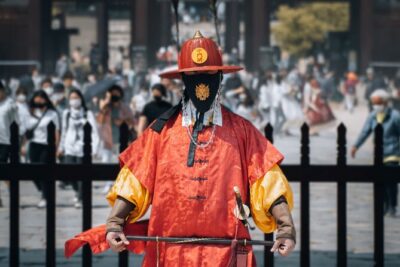
- Gyeongbokgung Palace and the Changing of the Guard
- Bukchon Hanok Village: Hanbok and Walking Like a Yangban
- The Blue House Area: A Quick, Meaningful Pass
- Ikseon-dong Hanok Street: Tradition Meets Coffee Shops
- Insadong: Crafts, Art Galleries, Antiques, and Old-School Shopping
- Namsan Park by Cable Car: Seoul Views and Cherry Blossoms
- N Seoul Tower: A Quick Summit Moment
- Gwangjang Market: Korean Silk and Street Food You’ll Actually Want
- Price and Value: What $261.92 Per Person Covers
- Tips to Keep the Day Smooth (Even If You’re Not a Power Walker)
- Who This Tour Is Best For
- Should You Book This Tour?
- FAQ
- What’s included in the tour price?
- How long is the tour, and when does it start?
- Is lunch included?
- Do I need to pay for palace or other admissions?
- Does the tour include hanbok at Bukchon Hanok Village?
- What food and market stops are part of this tour?
Key things worth knowing before you go
- A full Joseon-to-modern day route: palace, hanok village, artsy streets, and then classic market Seoul
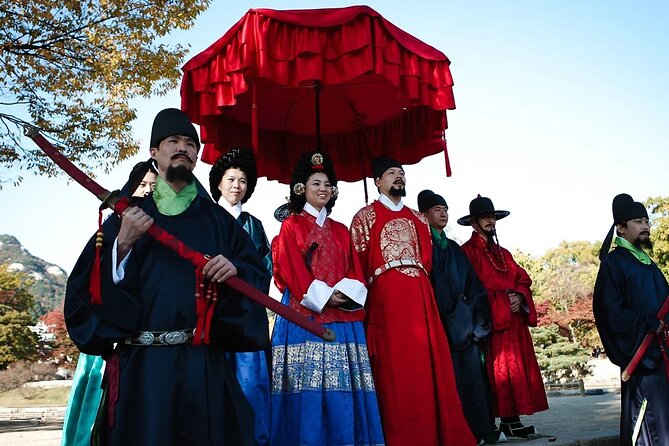
- Hanbok time at Bukchon: you get the traditional outfit portion and a guided “walk like a yangban” style experience
- Gyeongbokgung guard ceremony focus: you’re routed specifically for the changing of the guard at the palace entrance
- Two market stops, different vibes: Insadong is craft-and-art shopping; Gwangjang is food-first and textile-famous
- Cable car to Namsan: you get skyline views without needing to hike up
- Private-group comfort: only your group rides together, so the pace stays yours
How This Private Seoul Route Fits Together
This tour is built like a highlight reel, but with real movement between each scene. You start with a temple, switch to palace drama, step into old neighborhood streets, then end with city views and market food. That rhythm is useful if it’s your first day in Seoul or you want the big cultural markers without doing three separate half-days.
The private format changes the feeling. You’re not stuck waiting in a long line of the same group’s pace. With hotel pickup and drop-off, you also avoid the stress of figuring out transit while you’re still learning Seoul.
The timing is also pretty smart. The morning leans toward Joseon history (Jogyesa, Gyeongbokgung, Bukchon), then the afternoon pivots toward shopping and views (Ikseon-dong, Insadong, Namsan), and the late portion lands on the food and textile buzz of Gwangjang.
You can also read our reviews of more city tours in Seoul
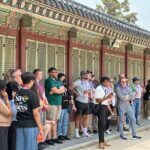
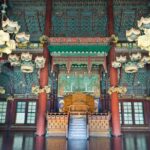
Jogyesa Temple: Buddhism in the Middle of the City
Your first stop is Jogyesa Temple, a major Buddhist site and the representative temple of Korean Buddhism under the Jogye Order. The visit is scheduled for about 40 minutes, and admission here is free, which makes it a low-stress start.
This temple stop works well because it grounds you before the palace route. Palace days can feel like pageantry on repeat, but Jogyesa gives you a calmer sense of religious tradition in an urban setting.
Practical tip: wear shoes that handle uneven stone and keep your camera ready, but don’t rush the courtyard moments. Forty minutes is enough to see the key areas without feeling like you’re sprinting.
Gyeongbokgung Palace and the Changing of the Guard
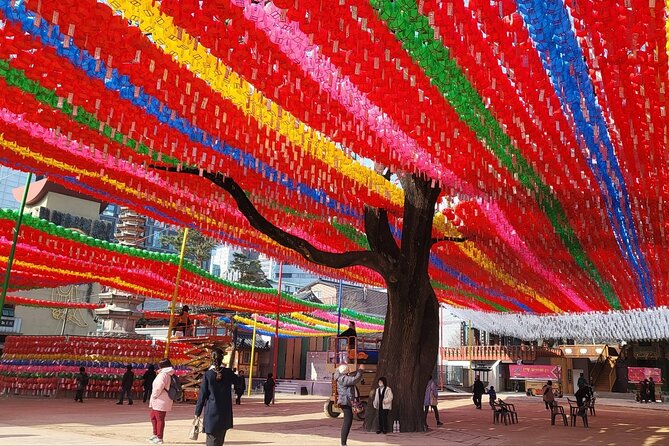
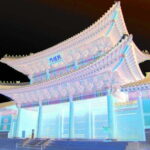
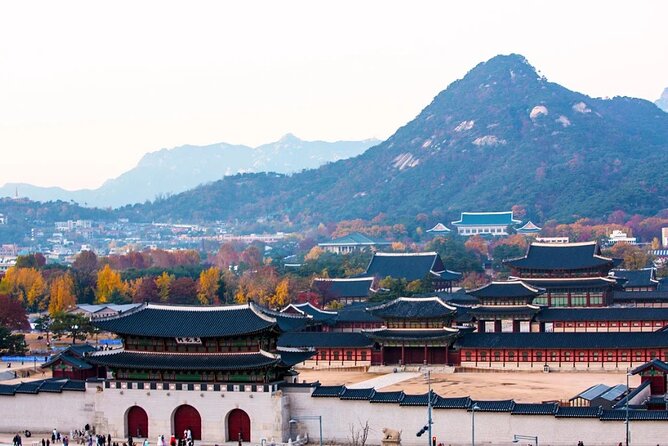
Next comes Gyeongbokgung Palace, with the highlight being the changing of the guard ceremony at the entrance. The tour gives you about 1 hour 30 minutes here, but the palace admission ticket is not included.
Gyeongbokgung is tied to the Joseon dynasty and was built in 1395, serving as the main palace for about 200 years. You’ll feel why this site anchors so many Korean historical dramas, but you’ll also get the real-world meaning of the space: it’s not just a backdrop, it’s a symbol of how power and order were staged.
A drawback to plan for: palace areas can be crowded, and ceremony timing can make people surge forward. This is where a good guide earns their fee. In previous groups, guides such as Julie Parks have helped with timing and pacing so you don’t spend the best part of the hour stuck behind someone else’s phone.
Bukchon Hanok Village: Hanbok and Walking Like a Yangban
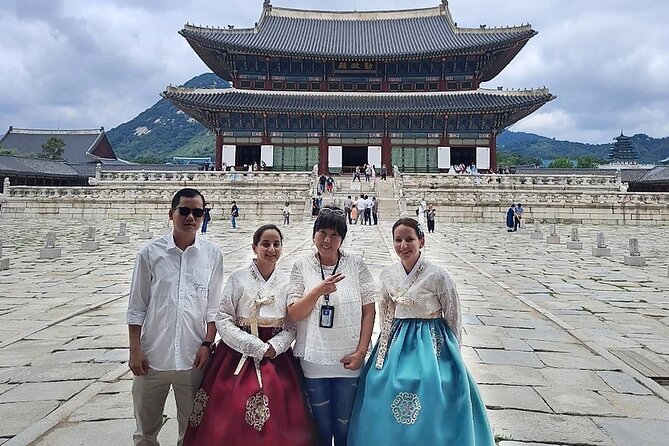
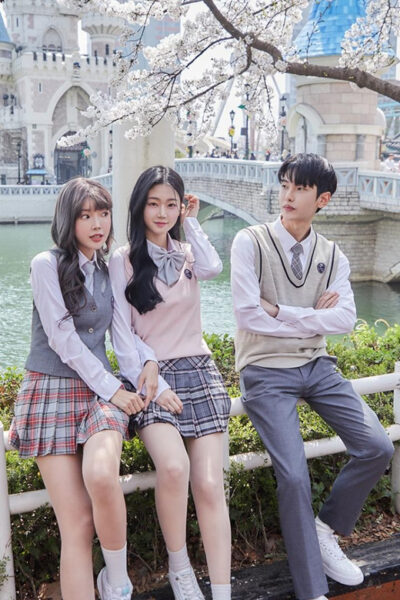
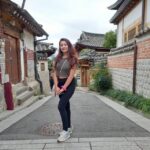
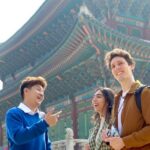
Then you step into Bukchon Hanok Village, where you’ll wear traditional hanbok and walk in a yangban-style route through the neighborhood. The stop is about 40 minutes, and admission is free.
This is one of the most memorable parts of the whole itinerary because it changes how you experience the place. A hanok street can be photogenic in the generic way, but dressed in period clothing, you naturally slow down and look at details like door shapes, roof lines, and the way the lanes feel.
You’ll also get a sense of why Bukchon mattered: it was traditionally a residential area of the nobility during the Joseon dynasty (1392–1910). Even in a short visit, that context helps the architecture click instead of just looking like old buildings.
Practical tip: choose breathable layers under your hanbok experience. You’ll want to move comfortably, and you’ll likely be in sun or breeze depending on the day.
The Blue House Area: A Quick, Meaningful Pass
The itinerary includes a stop at the Blue House area, described as the presidential area located behind Gyeongbokgung Palace. This is a “see it from the route” kind of stop, not a long deep-tour. It’s still worth noting because it connects the palace area’s historic power to modern political geography.
Don’t expect a full visit experience here. Treat it as a viewpoint-style moment where you look at the layout and understand how the palace zone sits inside today’s city.
You can also read our reviews of more private tours in Seoul
Ikseon-dong Hanok Street: Tradition Meets Coffee Shops
After Bukchon, you head to Ikseon-dong Hanok Street for about 40 minutes. This street is known for the coexistence of tradition and modernity, with traditional houses lined up in a narrow street. The area is packed with unique restaurants and coffee shops.
This stop is your “breather” between formal history and the next shopping-heavy neighborhood. It’s also one of the easiest places to stop for a quick snack or just enjoy the lane feel without committing to a full meal.
Practical tip: if you have a sweet tooth, this is often the kind of place where you’ll see tempting desserts. Just keep an eye on time, because Gwangjang Market is still coming later.
Insadong: Crafts, Art Galleries, Antiques, and Old-School Shopping
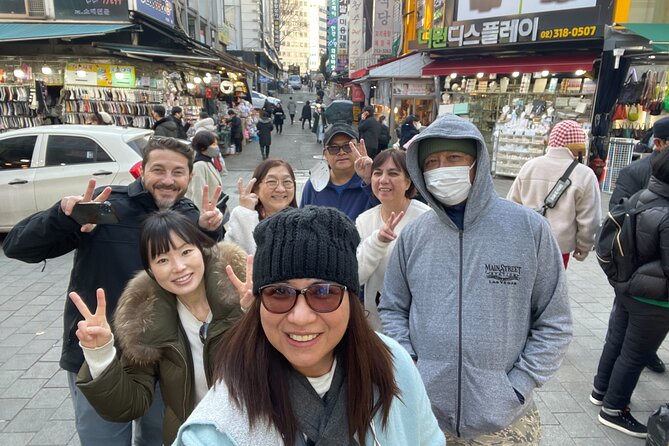
Then it’s into Insadong for about 1 hour 20 minutes. The focus here is traditional shopping: handicrafts, traditional paintings, art galleries, antiques, and traditional stationery shops. Insadong is also noted for a famous royal visit: Queen Elizabeth visited the street in 1999.
Insadong is a good match for travelers who like taking home something more personal than a generic souvenir. You can look for traditional paper goods, art prints, and small craft items that feel tied to place.
A consideration: Insadong is popular, and that means you’ll see more foot traffic. Keep your shopping priorities clear before you arrive—pick one or two categories, then enjoy browsing instead of trying to do everything.
Also, lunch is not included (it’s listed as 15,000 KRW per person). Many people use Insadong time to handle a meal because it’s already full of food options. Just remember that you’ll still end at Gwangjang Market, which is known for street food, so avoid going too heavy at lunch if you want to enjoy everything later.
Namsan Park by Cable Car: Seoul Views and Cherry Blossoms
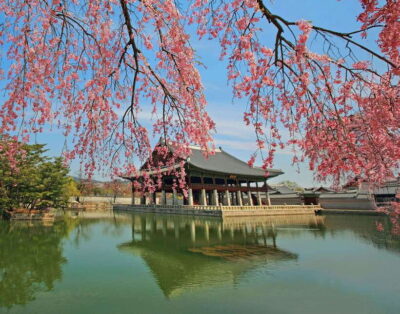
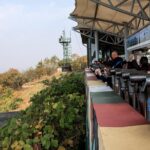
Next stop: Namsan Park. The route includes a cable car ride up, and you’ll get about 1 hour 20 minutes here. The big payoff is the view of Seoul from the mountain top area, and in spring you may catch cherry blossom trees blooming.
This part of the itinerary is designed to reset your eyes. After hours of streets, palaces, and market goods, it’s a relief to look out over the city and understand how Seoul expands.
A small consideration: the skyline views often come with cooler wind up top, especially early or late in the day. Bring a light layer even if you think it’s warm downtown.
N Seoul Tower: A Quick Summit Moment
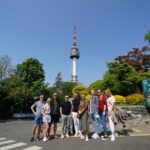
From Namsan Park, you’ll go to N Seoul Tower for about 15 minutes. The tower is described as a Seoul symbol located at the highest point on Namsan Mountain.
This stop is short on purpose. You get the signature “we were there” moment and the main photo angles without spending half your afternoon in ticket lines.
The itinerary notes that admission tickets aren’t included for this portion, so plan on paying for tower access separately if needed. The route still gives you a structured way to reach the top without figuring everything out alone.
Gwangjang Market: Korean Silk and Street Food You’ll Actually Want
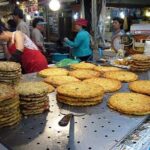
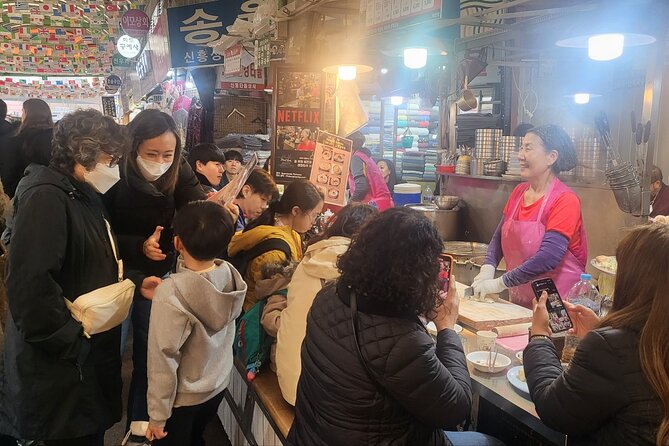
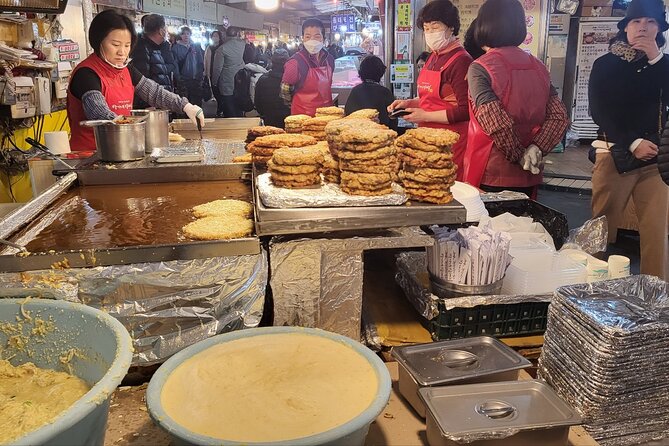
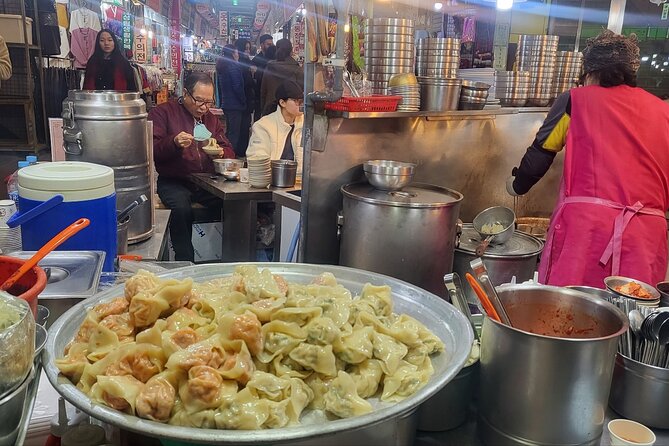
Your final featured stop is Gwangjang Market, a famous traditional street market that’s described as one of the oldest and largest, with more than 5,000 shops. The market also has about 1,500–2,000 vendors, so it’s busy in a way that feels very Seoul.
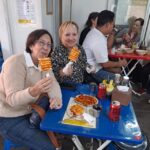
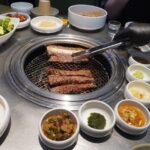
This is the best place on the itinerary for a “food first” payoff. It’s known for Korean silk and textiles, and the tour specifically calls out two street foods you may try: mayak kimbab (bite-size seaweed rice rolls) and mungbean pancakes.
The best part is that you’ll be able to sample the street culture instead of treating the market like a museum. If you’re the type who likes to eat as you walk, this stop is tailor-made.
Practical tip: come with a plan. Gwangjang has a lot going on, and it’s easy to overspend or try too much at once. I’d pick one main snack plus one savory (like mungbean pancakes) and then treat desserts or drinks as optional.
Price and Value: What $261.92 Per Person Covers
The listed price is $261.92 per person for a 7–8 hour private tour. That’s not cheap, but it does cover the parts that usually cost you time and friction in Seoul: hotel pickup and drop-off, an air-conditioned vehicle, and a professional English local guide.
Your extra costs are explicitly listed:
- Lunch: 15,000 KRW per person
- Admission fees: 18,000 KRW per person
- Some sites (like the palace and tower) also indicate admission tickets aren’t included
So the real question is: will you use the guide time well? If you want the ceremony timing handled, the route organized, and you’d rather not stand around figuring out where to go next, this price makes more sense.
It also helps that group discounts are mentioned and that the tour is private, meaning you’re not sharing your guide with strangers. If you’re traveling with friends or family, the value usually improves quickly because the fixed costs of a private vehicle and guide get split across more people.
One more note: it’s commonly booked about 69 days in advance on average. If your trip dates are flexible, you can sometimes find options later. If your dates are firm, booking early is a smart move.
Tips to Keep the Day Smooth (Even If You’re Not a Power Walker)
This itinerary stacks a lot of ground in one day, so comfort matters.
- Start the day with water and light snacks if you think you’ll get hungry before lunch. You’ll have long stretches between stops.
- Wear shoes you trust. You’ll move between palace zones, hanok lanes, and market streets.
- Keep your phone charged. You’ll be taking a lot of photos at Bukchon, at the palace, and up at Namsan.
- Think in chapters: history in the morning, shopping and views in the afternoon, food and textiles at the end.
Also, if you want the hanbok moment to feel special, don’t rush it. In past groups, guides like Wendy have been praised for making the costume + palace portion feel organized, which is exactly what you want—less fuss, more meaning.
Who This Tour Is Best For
This is a strong fit for first-timers who want a clean introduction to Seoul’s major cultural and food highlights in one day. It’s also great if you care about understanding what you’re seeing, not just collecting photos.
I’d especially recommend it if:
- you want the changing of the guard experience at Gyeongbokgung without planning it yourself
- you like markets, but you also want structure so you don’t get lost
- you want Namsan views without hiking up
- you prefer a private route so your group can set the pace
If you’re the type who loves slow travel and doesn’t want to move every couple of hours, you might feel the schedule is busy. In that case, it could be better to split Seoul into two days instead of one long day.
Should You Book This Tour?
If you want one day that hits the strongest Seoul hits—temple, palace ceremony, hanok village hanbok walk, craft shopping, skyline views, and classic street food—this private tour is a practical way to do it. The route makes sense, the guide attention gets real praise (including help with hanbok and palace timing), and the private pickup/drop-off saves you mental energy.
If you hate extra costs or you’re hoping for everything to be fully included, budget for lunch and admission fees. Once you factor that in, the price starts to feel more like paying for time, access, and guidance.
FAQ
What’s included in the tour price?
The tour includes an air-conditioned vehicle, hotel pickup and drop-off, and a professional English local guide.
How long is the tour, and when does it start?
It starts at 9:00 am and runs about 7 to 8 hours.
Is lunch included?
No. Lunch is listed as 15,000 KRW per person and is not included.
Do I need to pay for palace or other admissions?
Yes. Admission fees are listed as 18,000 KRW per person, and the Gyeongbokgung Palace admission ticket is not included.
Does the tour include hanbok at Bukchon Hanok Village?
Yes. At Bukchon Hanok Village, you’ll wear traditional hanbok and walk like a yangban.
What food and market stops are part of this tour?
You’ll visit Insadong and Gwangjang Market. The tour highlights Gwangjang Market street food, including mayak kimbab and mungbean pancakes, plus Korean silk and textiles shopping.