REVIEW · SEOUL
K-food cooking Japchae Mandu Tteokbokki & Fishcake
Book on Viator →Operated by sunnysdiningbz · Bookable on Viator
K-cooking, no guesswork. This 2-hour Seoul class makes it simple to handle four famous Korean favorites in one go, with a calm, ready-to-cook flow led by a guide like Jenny. I also love the built-in photo moment at your Korean table, plus the bonus indoor market stop right across the street. The main thing to consider is time: it’s only about 2 hours, so you won’t have the slow, relaxed pace you might want if you’re the type who loves lingering at every step.
You start in the early evening (5:30 pm), cook, eat what you made, and then keep the fun going with seasonal desserts and a short supermarket walkthrough. And yes, there’s room to make things look good for your social feed, but the bigger win is practical know-how—how to shop for ingredients and how to assemble the dishes without stress. One small catch: the market tour part doesn’t run on the 2nd and 4th Sundays of each month.
The price—$81 per person—covers the ingredients, tools, and packaging, plus the tasting and the guided indoor market time. Alcohol isn’t included, so plan on soft drinks or water for the class meal. If you’re traveling with kids, the class is designed for age 10+, with younger kids only allowed when accompanied by a guardian.
In This Review
- Key highlights to know before you go
- Why This 2-Hour K-Food Workshop Fits Seoul Evenings
- Your Four-Dish Menu: Japchae, Tteokbokki, Mandu and Fishcake
- A quick note on what you actually eat
- Dessert Included: Yakgwa and Seasonal Rice Cakes
- Inside the Studio: Photo Time, a Korean Table, and Calm Cooking
- The Market Tour Across the Street (and Why the Kimchi Fridge Matters)
- Tax refund help if you shop over 30,000 won
- When the market tour doesn’t run
- Price and Value: Is $81 Really Reasonable?
- Who This Class Suits Best in Seoul
- What to Expect from Start to Finish (Realistic Timing)
- Should You Book This K-Food Cooking Class?
- FAQ
- What dishes will I cook?
- How long is the class?
- Is dessert included?
- Are alcoholic drinks included?
- What happens after cooking?
- When is the market tour not held?
Key highlights to know before you go
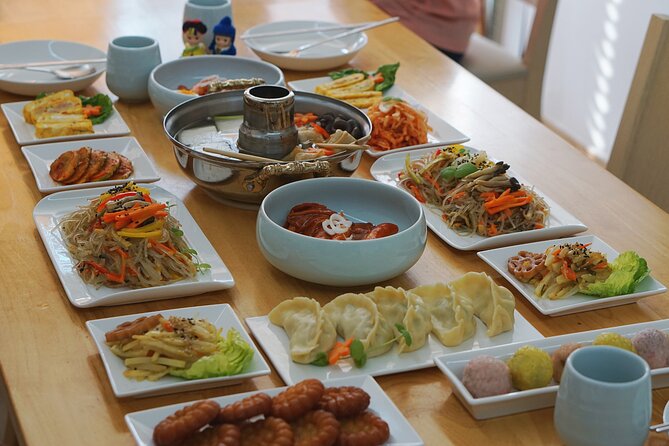
- Four iconic dishes in one session: Japchae, Mandu, Tteokbokki, and fishcake at one time
- Calm instruction with everything staged so you can cook without a steep learning curve
- Photo-friendly plating at a Korean table, with time set aside to film and take a neat shot
- Seasonal desserts included, such as yakgwa and rice cakes (varies by season)
- Indoor market tour across the street with a focus on groceries, snacks, and kimchi fridges
- Tax refund help for qualifying purchases when you bring your passport
Why This 2-Hour K-Food Workshop Fits Seoul Evenings
This class is scheduled for 5:30 pm, which I like because it turns your evening meal into an experience. You’re not just eating out—you’re cooking first, then eating what you made. And because it runs for about 2 hours, it won’t steal your whole day or force you to rush around Seoul later.
The group size is capped at up to 6 people, which changes the vibe. With a small group, it’s easier to ask questions, and you’re less likely to feel lost at a shared station. That matters most when you’re learning cooking steps in a new kitchen setup, in a foreign language environment, or with unfamiliar ingredient types.
You’ll also get a mobile ticket, so you can keep your plans simple on your phone. And because the market is right across the street from the studio, you’re stacking experiences in a way that feels efficient rather than complicated.
You can also read our reviews of more food & drink experiences in Seoul
Your Four-Dish Menu: Japchae, Tteokbokki, Mandu and Fishcake
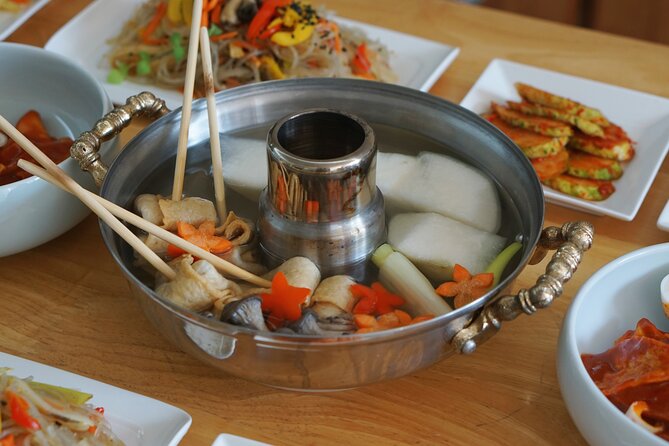
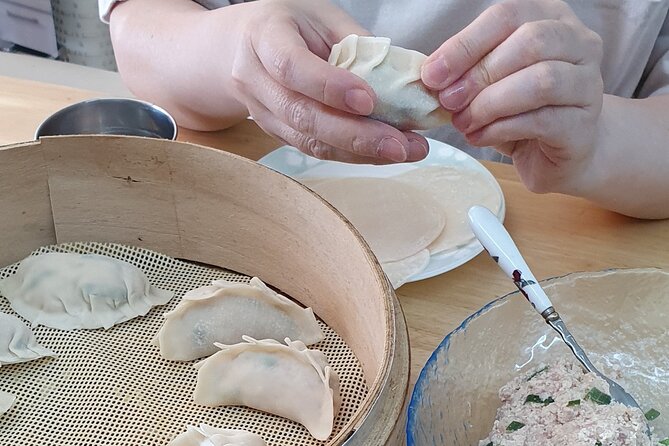
The core of this experience is straightforward: you make four representative Korean foods in one session. The dishes are Japchae, Mandu, Tteokbokki, and fishcake—cooked together as a set.
I like that this format gives you variety without overwhelming you. If you’ve ever tried to pick just one Korean dish to learn, you know it can feel a little narrow. Here, you end up with a spread that covers different styles of Korean comfort food—no matter if you’re more into noodles, dumplings, or spicy-and-sauce-forward meals.
It’s also the kind of class where the “learning” part is practical, not just theoretical. The goal is that you can confidently recreate these dishes back home. The best signal is how the experience is structured: everything is ready to go, and the pace is meant to keep you cooking and tasting rather than staring at a recipe sheet.
A quick note on what you actually eat
The class is centered on making the meal and then sharing it together. Since you’ll be tasting what you cook, it’s a good fit if you don’t want a class where you only nibble tiny bits and never feel full.
Also, while the session includes desserts and the meal, alcoholic beverages aren’t included, so don’t count on pairing your food with soju or beer as part of the ticket price.
Dessert Included: Yakgwa and Seasonal Rice Cakes
After cooking, you’ll get to enjoy seasonal Korean desserts. The examples given include yakgwa, wind rice cake, and sesame rice cake.
What’s smart here is that desserts rotate with the season, so the experience feels more “Korea-specific” rather than identical year-round. You also get a tasting moment that isn’t just a sweet finish—it’s part of the cultural context the class provides.
The desserts might be different depending on when you go, but the benefit for you is the same: you’ll get a hands-on introduction to what people actually eat, beyond the usual tourist candy. If you’re the type who loves taking food knowledge home and not just photos, this portion is a good payoff.
Inside the Studio: Photo Time, a Korean Table, and Calm Cooking
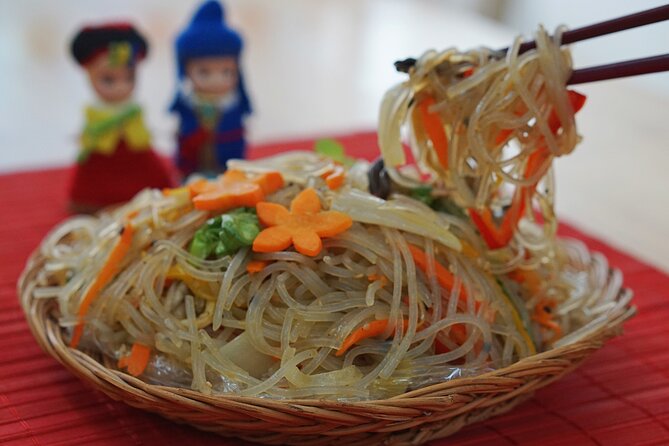
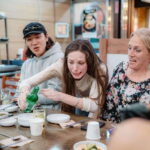
One thing that makes this class more enjoyable than a typical cooking lesson is the focus on presentation. After you cook, you’ll set up your Korean table nicely and there’s time to film carefully and post on your personal social media.
That sounds fun—and it is—but it’s also useful. When you plate your food thoughtfully, you naturally learn how the dishes look when they’re done properly. It turns into a built-in checklist for what “finished” means, which helps later when you try to cook again at home.
The instruction style also comes through strongly in how people describe the class: everything is prepared, and the teacher keeps things calm. In one experience, the guide was Jenny, and the vibe was friendly and focused, with no chaotic scramble for tools or ingredients.
If you’re worried about cooking classes being stressful—especially when you’re using unfamiliar ingredients—the setup here is designed to prevent that. The materials, tools, and packaging are included, and the session is kept tight enough that you stay engaged.
You can also read our reviews of more tours and experiences in Seoul
The Market Tour Across the Street (and Why the Kimchi Fridge Matters)
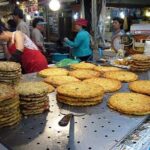
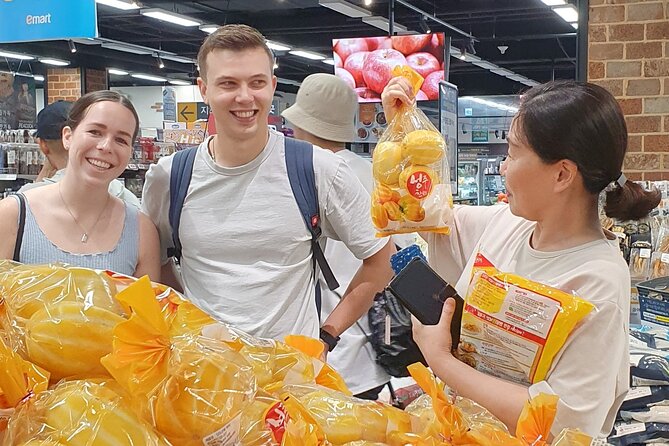
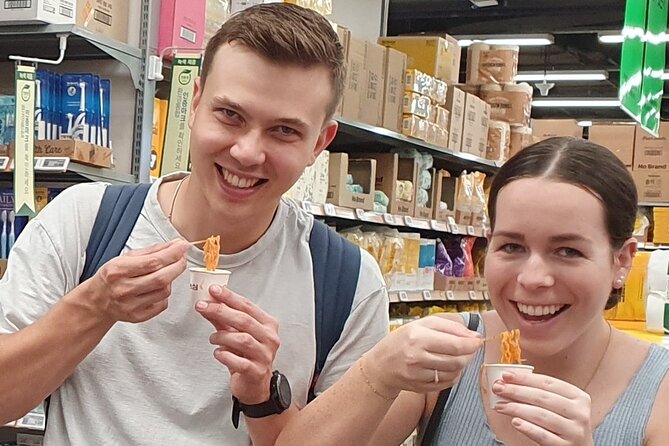
The class doesn’t end when the meal is done. After cooking and dessert, you head to a large indoor market directly across the street from the studio for about 30 minutes.
This is a practical add-on. You get to see the ingredients and snacks you were dealing with in the cooking session, plus a sense of what Koreans stock for everyday eating. The market highlights include kimchi refrigerators used by Koreans, and that’s a small detail that makes the whole trip feel real.
It’s also where you can shop with confidence. You’ll get help making purchase decisions—especially for Korean snacks or a wide range of seasonings—so you’re not standing in front of 40 versions of the same product wondering which one matters for your next meal.
Tax refund help if you shop over 30,000 won
If you’re doing any bigger ingredient shopping, there’s a tax-refund opportunity tied to the purchase process for the used materials. For purchases over 30,000 won including VAT, you can receive the tax refund immediately as long as you bring your passport and you go through the purchase process you’re shown during the market stop.
Even if you don’t end up buying a lot, this part is worth knowing because it can change the math on your souvenirs. In other words: the class isn’t only a one-time cooking lesson; it’s also designed to help you buy things that make sense for recreating the dishes.
When the market tour doesn’t run
The market tour is not held on the 2nd and 4th Sundays of each month. If your dates land on those days, expect the market portion to be missing, even though the cooking focus may still be the main draw. Plan your schedule with that in mind so you’re not counting on the indoor supermarket stop.
Price and Value: Is $81 Really Reasonable?
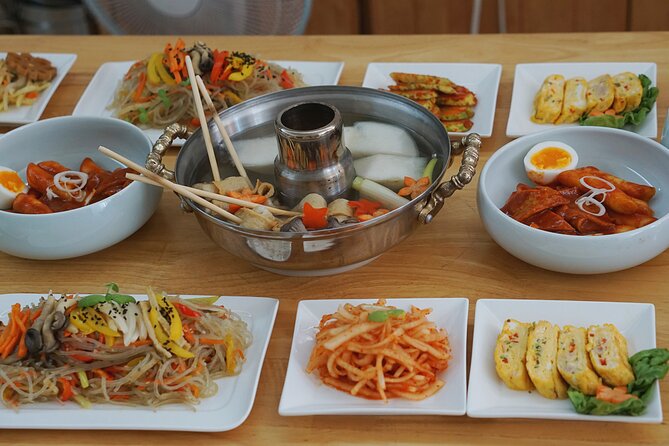
At $81 per person, the price is in the “you’re paying for convenience and guidance” category. What you get makes that feel more fair: the ticket includes all materials, tools, and packaging, plus the cooking experience, tasting, dessert, and the short indoor market tour.
And since the class is capped at 6 people, you’re not fighting a crowd or waiting forever for help. That alone can justify paying more than you would for a self-guided recipe-and-market afternoon.
Here’s what isn’t included: alcoholic beverages. So if you want to drink with your meal, budget extra.
In practical terms, the best value shows up if you want three things at once:
- a guided way to cook multiple Korean dishes without second-guessing
- included dessert so you get the full food experience
- market time so you can shop like you know what you’re doing
If you’re just looking for a quick snack and a cheap activity, this may feel pricey. But if you want a skill-building dinner plus a shopping shortcut, it’s easier to see the value.
Who This Class Suits Best in Seoul
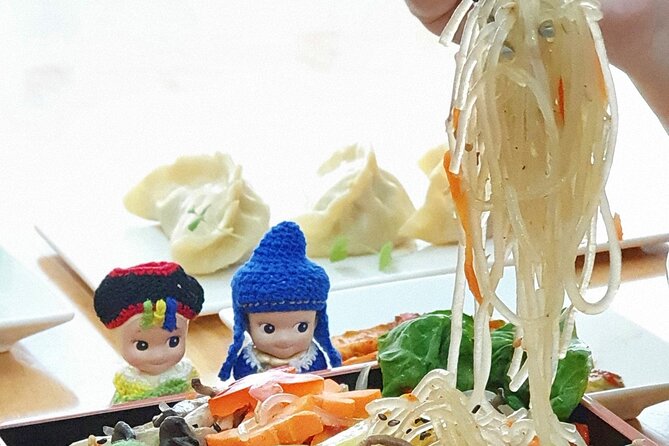
This experience is best for people who like hands-on food learning and want a structured way to try Korean flavors without navigating everything alone.
It’s especially good if:
- you’re a first-time visitor to Seoul and want a compact intro to Korean home-style foods
- you like tasting as you go, not just watching
- you want to bring back practical shopping ideas for seasonings and snacks
- you want a social-media-friendly plating moment, but with real cooking behind it
It’s also a solid fit for families with older kids. The class is designed for children 10 years old and above. Kids under 10 can join only when accompanied by a guardian.
If you don’t like group activities, the small group size still helps. You’ll feel more like you’re cooking with a handful of people rather than being herded through a big factory-like experience.
What to Expect from Start to Finish (Realistic Timing)
Plan on an evening flow: you meet at 199 Baekbeom-ro, Mapo-gu, Seoul, start at 5:30 pm, and the session runs for about 2 hours.
You’ll spend the bulk of the time cooking the four dishes and getting dessert. Then you’ll move to the indoor market across the street for roughly 30 minutes. The exact rhythm can vary depending on how the class moves, but the structure is designed to keep you fed, learning, and ready to shop without a long wait.
If you’re building a dinner plan in Seoul, treat this as your dinner anchor. It’s not a “light snack” activity. You’ll come away full, with food you cooked and desserts included.
Should You Book This K-Food Cooking Class?
I’d book it if you want an experience that combines skill + meal + dessert + shopping without draining your whole day. The small group setup, calm teaching style, and the fact that everything is ready for you makes it a good option even if you’re not a confident cook.
Skip or reconsider if you’re traveling only for the market, because the indoor supermarket stop is short and won’t run on the 2nd and 4th Sundays. Also note that if you love long, slow cooking sessions, the 2-hour timeframe may feel tight.
Overall, for Seoul evenings, this hits a sweet spot: you leave with dishes you can repeat and an easier time shopping for the ingredients that make them work.
FAQ
What dishes will I cook?
You’ll cook four Korean foods in the same session: Japchae, Tteokbokki, Mandu, and fishcake.
How long is the class?
The experience is about 2 hours.
Is dessert included?
Yes. Seasonal Korean desserts are provided, and examples can include yakgwa, wind rice cake, and sesame rice cake.
Are alcoholic drinks included?
No. Alcoholic beverages are not included.
What happens after cooking?
You’ll go to an indoor supermarket across the street for about 30 minutes, where you can see groceries, snacks, and kimchi refrigerators, and you can get help with purchasing decisions.
When is the market tour not held?
The indoor market tour isn’t held on the 2nd and 4th Sundays of each month.