REVIEW · SEOUL
Discover Eastern Korea in 4days: All-Inclusive Experience
Book on Viator →Operated by Hanatour ITC (하나투어 아이티씨) · Bookable on Viator
One tight plan beats four solo planning headaches. This 4-day Eastern Korea tour strings together famous sights across Busan, Gyeongju, Andong, and Seoraksan—without the usual shopping trap. I like that it’s truly no-shopping and little fuss, and I also like that you get hands-on Korean culture through food experiences plus classic heritage stops. The one thing to think about is the pace: it’s scheduled, so if you want lots of free time, this may feel a bit “tour bus-y.”
You’ll start at Seoul Station at 8:00am and spend three nights in hotels while an English-speaking guide (or driver-guide) keeps things moving. The itinerary hits top-name places like Jagalchi Market, Songdo Cable Car, Bulguksa Temple, Andong Hahoe Folk Village, and Seoraksan National Park’s Jujeongol Valley. One more detail I appreciate: entrance fees are included, so you’re not doing math on every stop.
Finally, a practical note: part of the day-one routing depends on how your group is formed. One past departure issue involved understanding the plan for getting to Busan by KTX when fewer people joined, so it’s worth checking the exact start-to-Busan logistics before you lock it in.
In This Review
- Key things to know before you go
- What all-inclusive means in real life (and what it doesn’t)
- Money and value: how $1,200 can work (or not)
- Getting started: Seoul Station and how the group logistics feel
- Day 1 in Busan: Jagalchi Market and the Songdo Cable Car
- Day 2 in Gyeongju: UNESCO-grade heritage you can actually picture
- Day 3 in Andong: dessert-making plus Hahoe Folk Village
- Day 4 in Seoraksan: Jujeongol Valley and mountain time
- The wellness stop: what you’re signing up for
- Hotels and meals: the real schedule relief
- Group size, comfort, and how to pace yourself
- Should you book this 4-day Eastern Korea tour?
- FAQ
- What does the tour price include?
- How long is the tour?
- Where do I meet the tour?
- What’s the end point?
- Is shopping included?
- What kind of fitness level do I need?
- How big is the group?
- Are entrance fees and transport included?
- Can I cancel, and what are the weather rules?
Key things to know before you go

- No-shopping, no shopping pressure: the focus stays on sights and experiences.
- All entrance fees included, so your “total cost” stays more predictable.
- Food + culture hands-on, not just photos from the roadside.
- A cable car with sea views plus major UNESCO-level heritage in Gyeongju.
- Small-ish group up to 35 people, with an air-conditioned van/coach.
- A scheduled wellness stop tied to a Korea Tourism Organization program.
What all-inclusive means in real life (and what it doesn’t)
This tour is described as all-inclusive in the sense that you don’t have to budget entrance fees scene-by-scene. You also don’t have to hunt down meals all day. In practical terms, you get 3 nights of hotel and a set number of meals—breakfast 3 times, lunch 4 times, dinner 2 times—so your days are pre-shaped.
But don’t confuse “included” with “nothing to carry.” You’ll still want cash/card for drinks, personal extras, and anything that pops up outside the meal plan. Also, no explicit free-time blocks are built in the way they might be on more open-ended tours. If you love choosing your own detours, you might find the structure limiting.
There’s another part of “no-shopping” that matters: it changes the emotional tone of the day. You spend time where you planned to go, not herded between stores. That’s a real value if you’ve had enough of the scarf-and-ginseng routine.
You can also read our reviews of more tours and experiences in Seoul
Money and value: how $1,200 can work (or not)
At $1,200 per person for 4 days, this isn’t a bargain-basement deal. The value comes from the mix of included items that are expensive or time-consuming to arrange yourself:
- Entrance fees are covered for the sights on the schedule.
- You get English-speaking guiding plus transport in an air-conditioned vehicle.
- Your hotel nights are included (twin/double rooms).
- You get multiple meals that remove a chunk of day-to-day planning.
Where the math gets tricky is when you compare this to the cheapest approach: flying or train-hopping between cities and paying for tickets one by one. You can often do that cheaper. But you’ll likely spend extra time figuring out routes, booking sites, and getting everyone lined up.
This tour makes sense if you want a “put me on the rails” trip: you show up, follow the schedule, and spend your energy on the sights. It makes less sense if you travel slowly, like to linger, or hate being on a deadline.
One more value clue: it’s booked about 64 days in advance on average. That suggests it’s popular and can fill up. If you’re aiming for a specific month, don’t wait for the last minute.
Getting started: Seoul Station and how the group logistics feel
Your tour starts in Seoul at Seoul Station at 8:00am. You’ll meet your guide there, and the tour includes an air-conditioned vehicle for moving around once you’re in the route. The itinerary text also references meeting at Busan Station for part of day one, which is where things can vary by departure.
Here’s my practical advice: before you go, confirm the “how do we reach Busan” step for your specific departure group. On at least one past experience, smaller participation created confusion—people were given train tickets and then had to make their own way to Busan by KTX. That can be totally fine if you’re comfortable with trains and Korean signage. If you’re not, ask for the clearest written plan possible.
Also note: hotel pickup on the first day and drop-off on the last day isn’t included. So plan on getting to the meeting point yourself, and plan your end point at AMID Hotel Seoul.
Day 1 in Busan: Jagalchi Market and the Songdo Cable Car
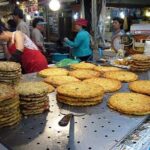
Day one starts with Busan’s food theater: Jagalchi Market. This is one of those places where you stop thinking like a tourist and start thinking like a person hungry for seafood. You’ll explore rows of stalls selling fresh seafood, and you’ll also have lunch included after meeting your guide and transferring together.
What I like about this stop is timing and contrast. A market like Jagalchi works best when you’re not exhausted. Here, you’re fresh enough to walk, look, and actually enjoy the sensory overload. It’s a strong “first Korea” day because the food focus is immediate, not theoretical.
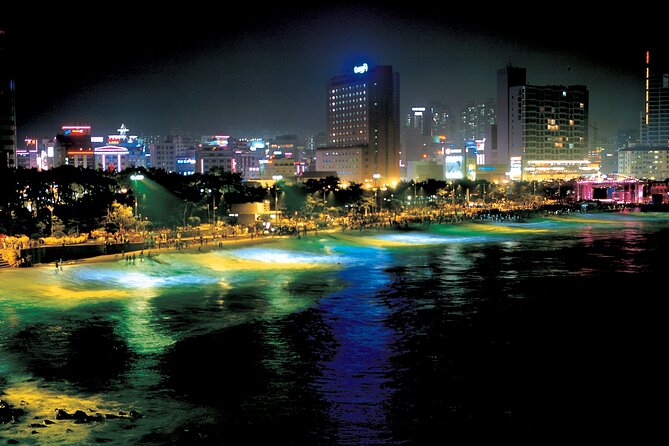
Next comes the scenic payoff: Songdo Cable Car. The ride runs about 1.6 km, crossing from Songdo Beach Station toward Songdo Sky Park. You glide across the coastline, so the views do the heavy lifting. Admission is included, which helps because cable cars are the kind of thing that can quietly add up if you self-plan.
Possible downside: cable cars and markets are both great but very “body energy” spots. If you have mobility limitations or you hate crowds, go slower, and don’t feel you have to see every stall. Grab a snack, take your pictures, and keep the day enjoyable.
Day 2 in Gyeongju: UNESCO-grade heritage you can actually picture
Gyeongju is where Korean history starts to feel real. It’s not just names on a map. It’s temples, tombs, crowns, and astronomy symbols that connect the dots across centuries.
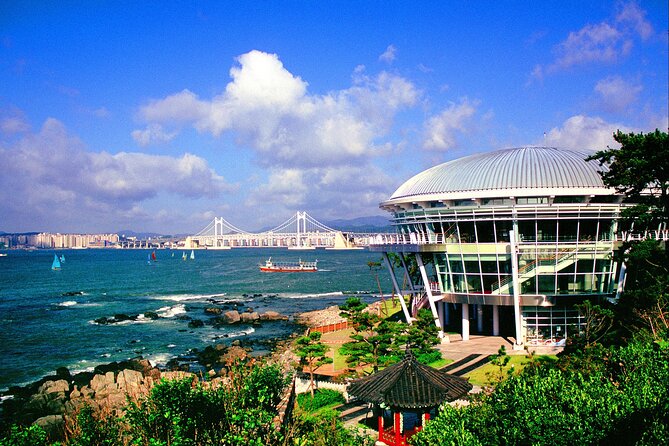
You begin at Nurimaru APEC House on Dongbaekseom Island, visiting the modern venue tied to the 2005 APEC Summit. Admission is free. If you like architecture or just want a break from older stone monuments, this stop works as a visual palate cleanser.
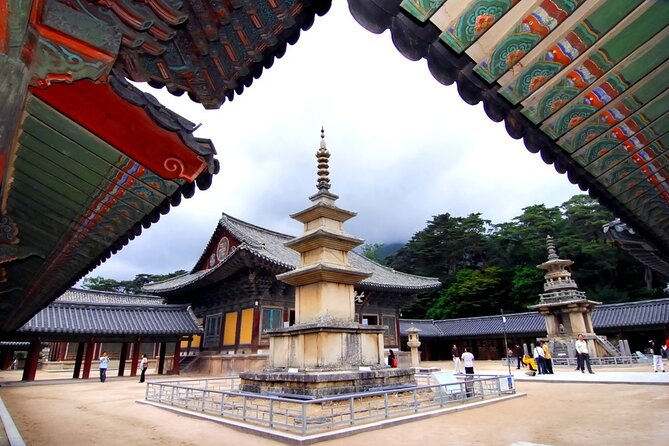
Then it’s straight into ancient grandeur: Bulguksa Temple. You’ll visit the UNESCO World Heritage temple, and admission is included. Even if you don’t know the historical details, the setting helps you “get” why people kept coming back—stone, symmetry, and the quiet feeling temples create.
Next: Daereungwon Tomb Complex. This is where you see large royal burial mounds and relics such as elaborate gold crowns, giving you a sense of Silla royal court power. It’s a different kind of history from a museum. Here, the scale and layout do the work.
The day continues at Gyeongju National Museum, with artifacts from the Silla era, including famous gold crowns and masterpieces. Admission is included again. Pairing the tomb complex with the museum is smart. Outdoor relic viewing shows you the environment. The museum then gives you context—so you understand what you just saw.
Finally, you close with Cheomseongdae Observatory, a well-known symbol of Gyeongju. It’s a short stop with free admission, but it sticks because it’s simple and iconic: an ancient astronomical structure that makes you think about how people watched the sky long before modern calendars.
If you’re the type who gets museum-fatigue, take quick breaks and focus on the items that match what you saw outside.


Day 3 in Andong: dessert-making plus Hahoe Folk Village
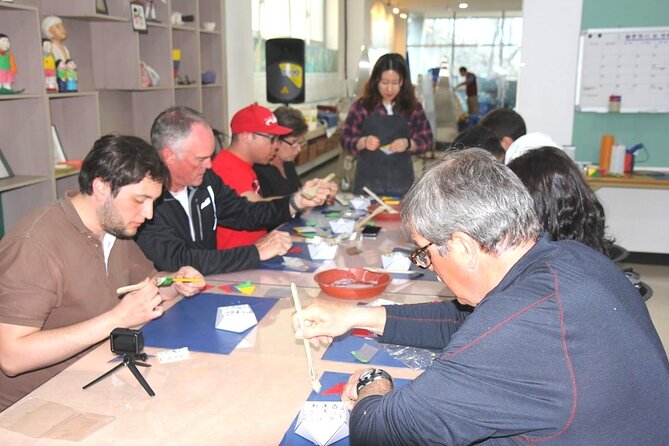
Day three is a culture day, and it’s cleverly varied. You start with Momyeongjae, a traditional Korean dessert-making experience. You’ll make Korean traditional desserts at the Korean Traditional Culture Center, with admission included.
This is one of the best “why this tour is worth it” moments. You’re not just observing a craft—you’re doing it. Even if your dessert doesn’t look like the instructor’s perfect sample, you’ll leave with the sensory memory and a better sense of Korean ingredients and sweetness styles.
Next you head to Andong Hahoe Folk Village, a UNESCO site with more than 600 years of history. The village is described as a living cultural landscape, so it’s not just buildings behind rope. Admission is included.
This is where you get the folklore-style feeling the itinerary promises: preserved traditional village life and the sense that the culture stayed relevant, not frozen in time. The practical angle is that you can walk at a comfortable pace, take photos, and connect the dots between what you made earlier and what you’re seeing now—food culture and village culture.
Possible drawback: this is a full day of cultural stops. If you prefer scenery over workshops, you may want to lean into the walking and photo time and treat the dessert class as the “energy reset” before Hahoe.
Day 4 in Seoraksan: Jujeongol Valley and mountain time
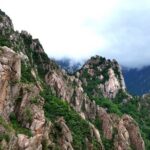
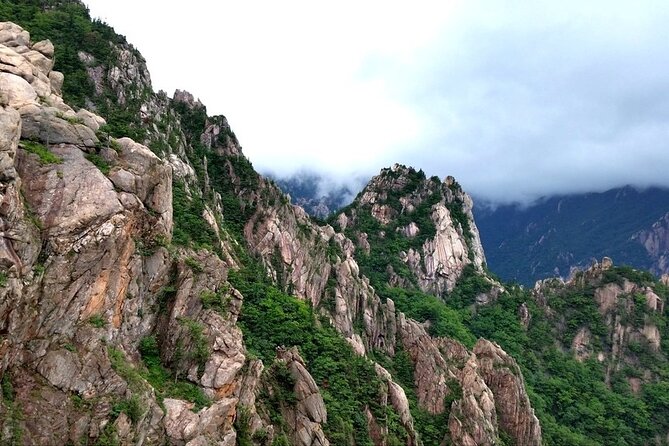
Your last day shifts to the outdoors: Seoraksan National Park, specifically Jujeongol Valley. You’ll travel in the morning, and the experience is about nature—rock formations, peaks, and clear streams are part of what makes Seoraksan famous. Admission is free for this stop, and you’ll spend about 2 hours at the valley area.
This is a moderate fitness requirement tour overall, so you don’t need to be a trail athlete. But you do need to be comfortable with outdoor walking and uneven paths. Bring shoes you trust.
What makes this final day work is contrast. After market textures, temple stone, and village streets, mountain scenery feels like a reset for your brain. It’s the kind of stop that makes you realize you’re not just checking boxes.
A weather note matters here: the tour is said to require good weather. If conditions aren’t good, you may be offered a different date or a full refund. So if you’re going in a season with fast-changing conditions, keep that in mind.
The wellness stop: what you’re signing up for
One feature called out in the tour description is a scheduled visit to a wellness facility designated by the Korea Tourism Organization. The itinerary details don’t list the exact name here, but the inclusion is part of the “all-inclusive” promise and the overall rhythm of the trip.
How to think about it: treat it like a planned cultural/personal-care component, not like an optional add-on. If you like relaxation and structured downtime, you’ll probably appreciate it. If you’re the type who wants every hour to be outdoors or sightseeing, you might find it less exciting than another historical stop—but it’s built in, so you can plan your expectations.
Hotels and meals: the real schedule relief
You get 3 nights in twin or double rooms, with accommodations included in the price. The tour also includes:
- Breakfast (3 times)
- Lunch (4 times)
- Dinner (2 times)
That matters more than it sounds. When you travel quickly between cities, eating becomes a planning tax. Here, meals are baked into the day, and that helps you keep momentum—especially on days stacked with temples, museums, and villages.
Also, the tour description emphasizes serving a variety of traditional Korean food. You won’t be stuck only with the “tourist standard” menu. That said, if you have dietary restrictions or dislike certain foods, you should tell the operator in advance so they can guide you appropriately. The data doesn’t list dietary options, so don’t assume.
Group size, comfort, and how to pace yourself
The max group size is 35 travelers, and transport includes an air-conditioned vehicle (vehicle varies by group size). That’s typically comfortable for the long-distance route between cities, and it also means you’ll have a consistent rhythm with the guide calling the shots.
You should also know this tour is suitable for ages 1 to 80+, but it still says you need a moderate physical fitness level. Translation: you don’t need to be fearless on steep trails, but you do need to walk and stand for museum blocks, village areas, and the Seoraksan valley time.
My practical pacing tip: treat each stop like a “mission,” not a marathon. Spend enough time to understand the place, take your photos, try one signature food moment if available, then move on while you still feel fresh.
Should you book this 4-day Eastern Korea tour?
Book it if you want:
- A structured, low-planning way to see eastern and southeastern Korea in a short time.
- A trip where entrance fees, hotels, and many meals are handled for you.
- A mix of icons (Jagalchi, Songdo Cable Car, Bulguksa, Hahoe) plus at least one hands-on activity through dessert-making.
Skip it (or at least confirm the details) if:
- You strongly prefer free time and spontaneity over a fixed schedule.
- The idea of doing planned transfers between cities sounds stressful.
- You dislike wellness-style facility stops.
One more decision tool: if you’re traveling with limited time and want a “show me the best parts in four days” plan, this is the kind of tour that helps you succeed without map anxiety.
FAQ
What does the tour price include?
The tour price includes 3 nights of accommodation, an English-speaking guide (or driver-guide), an air-conditioned vehicle, and entrance fees for the included stops. It also includes 4 lunches, 3 breakfasts, and 2 dinners.
How long is the tour?
It’s listed as 4 days (approx.).
Where do I meet the tour?
The start is at Seoul Station, address: 43-203 Dongja-dong, Yongsan District, Seoul. The start time is 8:00am.
What’s the end point?
The tour ends at AMID Hotel Seoul, 38 Insadong 5-gil, Jongno District, Seoul.
Is shopping included?
No. The program is described as having no shopping.
What kind of fitness level do I need?
You should have a moderate physical fitness level.
How big is the group?
The tour has a maximum of 35 travelers.
Are entrance fees and transport included?
Yes. The tour includes all entrance fees during the tour and air-conditioned vehicle transport (vehicle varies by group size).
Can I cancel, and what are the weather rules?
You can cancel up to 6 days in advance for a full refund. The experience requires good weather; if it’s canceled due to poor weather, you’ll be offered a different date or a full refund.