REVIEW · SEOUL
DMZ Tour Seoul to North Korea’s 3rd Tunnel & Majang Lake Crossing
Book on Viator →Operated by VIP TRAVEL Co.Ltd · Bookable on Viator
You feel history in your chest on this DMZ day.
This Seoul-to-DMZ tour strings together the big Cold War sites in one long day: Imjingak peace grounds, the Third Tunnel, and the Dora Observatory telescope view of North Korea. I like the way the day builds like a story, not a checklist, and I especially love the chance to see North Korea through a high-power telescope from South Korea. I also love the emotional clarity at the Bridge of Freedom, where the return of thousands of POWs is part of the visual experience, not just trivia.
One thing to plan for: it’s not a sit-and-smoothly-sightsee kind of outing. Expect stairs and physical effort, and the day can sometimes feel rushed if areas close early for military reasons. Also, for the checkpoint moment at the Unification Bridge, you’ll want your passport or proper ID ready to avoid stress.
In This Review
- Key highlights that make this DMZ day different
- A DMZ day that actually has a storyline
- Meeting spots in Seoul: get on the right bus, fast
- Imjingak Park: where grief and hope sit side by side
- Bridge of Freedom and the POW return story
- Memorial stops and train relics that add texture
- Unification Bridge checkpoint: the moment you must be ready
- Third Tunnel of Aggression: what to expect underground
- Dora Observatory: telescope time and North Korean products
- Tongilchon-gil village and the soybeans stop
- Majang Lake crossing: the last wow moment (optional)
- Guides are the hidden engine of this tour
- Price and value: why $35 can work for this day
- Who should book, and who should skip
- Should you book the DMZ + Tunnel 3 and Majang Lake crossing?
- FAQ
- How long is the DMZ Tour Seoul to North Korea’s 3rd Tunnel & Majang Lake Crossing?
- What does the tour cost?
- Where are the meeting points in Seoul?
- Is hotel pickup included?
- Do I need a passport or ID for the tour?
- Can I view North Korea during the tour?
- Is Majang Lake crossing included?
- Are there other optional add-ons?
- Is lunch included?
- What is the cancellation window?
Key highlights that make this DMZ day different
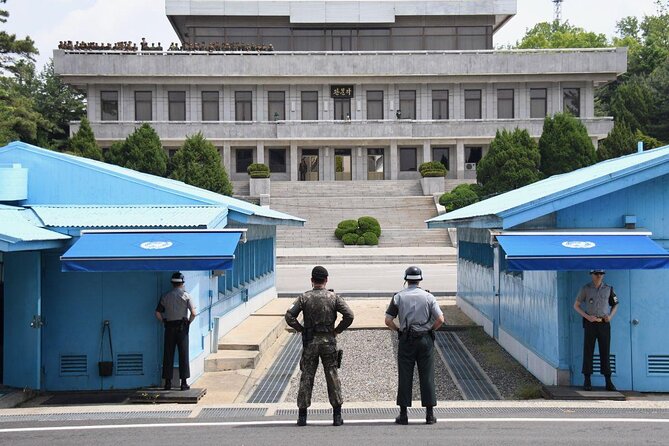
- North Korea viewing with a telescope at Dora Observatory and the chance to buy North Korean products there
- Tunnel 3 (Third Tunnel of Aggression), a long underground passage where even the hard hat feels like part of the story
- Imjingak Park and the Peace Bell (Pyeonghwauijong), a heavy 21-ton bronze reminder of Korea’s wish for unity
- Bridge of Freedom and the POW story tied to the exact crossing you step onto
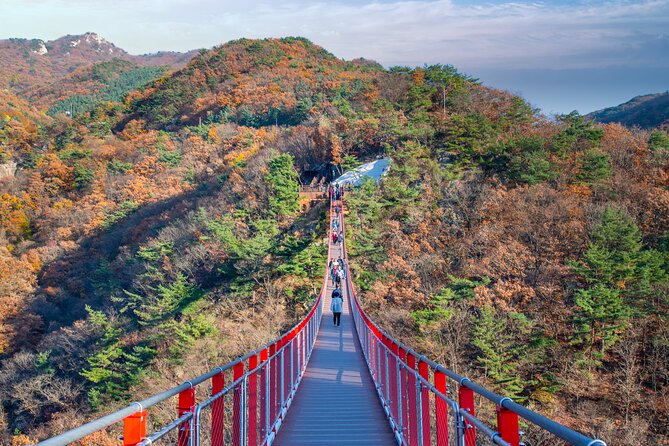
- Majang Lake suspension bridge crossing (optional) for a rare, non-memorial “stretch of air” at day’s end
A DMZ day that actually has a storyline
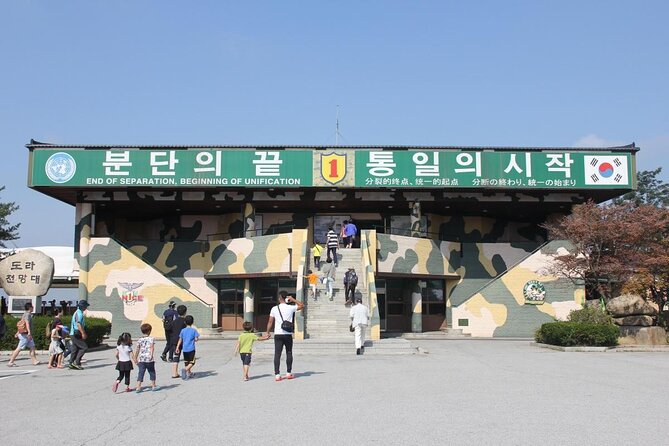
A good DMZ tour doesn’t just point at fences. It helps you understand why these places matter and how the war still shapes daily life across the border.
This one flows through South Korea’s peace and reunification sites first, then moves into the DMZ’s physical realities with the Third Tunnel and Dora Observatory. That pacing matters because you go from symbolism (bells, memorials, bridges) to hard infrastructure (tunnels, checkpoints, controlled areas). And if the weather is foggy early, you may see the schedule shift so the observatory portion happens when visibility is better.
You can also read our reviews of more tours and experiences in Seoul.
Meeting spots in Seoul: get on the right bus, fast
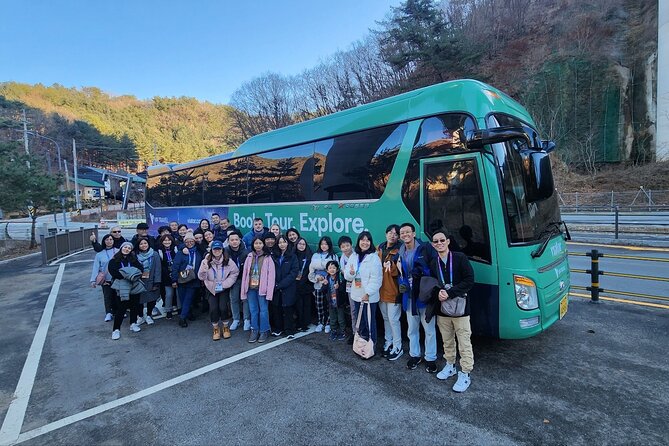
You’ll meet your group at one of three subway exits: Myeongdong Subway Station Exit 9, Seoul City Hall Subway Station Exit 6, or Hongdae Subway Station Exit 3. Plan to arrive 10–15 minutes early. This is one of those tours where being late doesn’t just delay you—it can delay everyone.
A nice plus is that pickup is generally organized with a meeting point near downtown, and the tour uses a mobile ticket. With a day this structured, it helps to have your ticket ready on your phone so you’re not fumbling while the bus is loading.
Imjingak Park: where grief and hope sit side by side
You start at Imjingak’s area after your early checkpoint and clearance steps. The Imjingak stops are where the tour turns human. This isn’t just border geography; it’s remembrance built into the grounds.
At Imjingak Resort, you’ll stand before a Bell Tower and hear how the site honors those separated by the Korean War. Then the day hits the big visual symbol: the Peace Bell, Pyeonghwauijong. It’s a 21-ton bronze bell cast in 2002, and it lands differently when you’re standing there instead of reading about it.
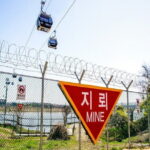
If you choose the Paju Imjingak Peace Gondola option, it’s an extra hour that gives you a higher vantage over the Imjin River edge. The gondola was launched in 2020 and can be a good break from walking, especially if you want some views without adding more stairs.
Bridge of Freedom and the POW return story
The Bridge of Freedom is one of those places where the details make the crossing feel real. It’s a wooden span built in 1953 to replace a war-damaged railroad bridge over the Imjin River. You also hear the POW return number tied to this bridge—12,773 prisoners of war returning to South Korea.
You don’t need to be a history nerd to feel what this stop is doing. It’s a symbolic link between a wartime break and a wartime ending, even though the peninsula’s conflict never fully resolved. The stop is short, so be ready to look up, look around, and take photos quickly without losing the context your guide is giving.
Memorial stops and train relics that add texture
A couple of quick but meaningful stops keep the day from becoming only dramatic.
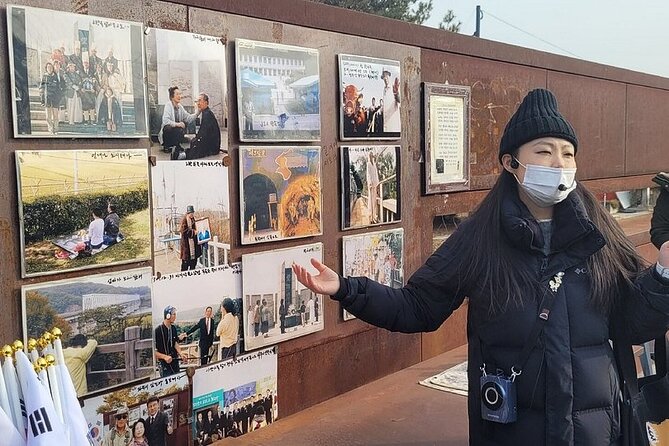
At Mangbaedan, you visit a memorial altar built in 1987 where families leave tributes to relatives in North Korea during traditional holidays. It’s brief, but it’s one of the few stops where you get the sense this is still part of living culture.
Then you’ll see the steam locomotive at Jangdan Station on the Gyeongui Line. This preserved “Iron Horse” is tied to the line’s earlier role before the Korean War halted it in 1950. It’s the kind of object you’ll appreciate more the longer you stand there—because it’s hard to look at a train that literally stopped and not think about all the plans that were interrupted.

Unification Bridge checkpoint: the moment you must be ready
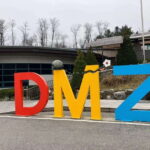
This is the practical checkpoint part of the day. The bus goes to a military area where soldiers inspect the vehicle and perform ID checks before entry is allowed.
Bring the right documents. Your tour info is explicit: you’ll need a passport, military ID card, or a South Korea-issued ID. Don’t wait until the last second with a half-found document or a phone with low battery. That checkpoint sets the tone for how smooth the rest of your DMZ time will feel.
Third Tunnel of Aggression: what to expect underground
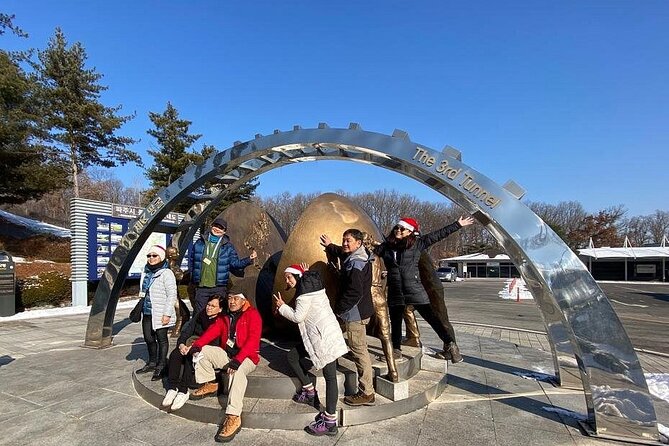
The Third Tunnel is the core reason a lot of people book this tour, and it earns the hype. The tunnel—also known as the 3rd Infiltration Tunnel—was unearthed in 1978. It’s 1,635 meters long, and the site is about 52 km from Seoul and around 12 km from Munsan.
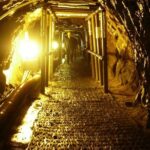
You’ll spend about an hour at the tunnel area. One practical tip that came up again and again: expect a tight, low, physical experience. A guide recommendation from past guests: keep your hard hat fastened, because if you’re taller, you can bump your head. Even if you’re short, it helps to move carefully and not rush your steps.
This stop is also where the tour’s storytelling matters most. The tunnel isn’t just a “see it once” attraction. It’s a reminder that in this part of the world, conflict is also about logistics—about how movements were planned, hidden, and prepared.
Dora Observatory: telescope time and North Korean products
Dora Observatory is positioned as the closest viewing point from South Korea. It was established in 1986 and refreshed in 2018, and it’s where your day becomes intensely visual.
You’ll spend about 40 minutes here. Through the high-power telescope, you get the unusual experience of looking toward North Korea from within the South. Some tours also mention being able to buy items made in North Korea while you’re there, and this one specifically notes that you can purchase North Korean products at the observatory.
If you want to make the most of this hour, think like a photographer: be patient, keep your eyes moving, and don’t leave the telescope view too early. Fog and visibility can change how much you can see, and one past experience suggests the tour may adjust the order if conditions start out poor.
Tongilchon-gil village and the soybeans stop
After Dora Observatory, you pause in a calmer setting: Tongilchon-gil, a village area just past the civilian control line. The tour frames it as an area where the soil supports Jangdan soybeans, and you may get time for small tastings like the nutty, smooth flavor you’re offered there.
This is a helpful change of pace. After the tunnel and observatory, your brain needs a lighter landing. It’s also where you can do quick shopping or pick up small items without the heavy emotional weight of the earlier memorial stops.
Majang Lake crossing: the last wow moment (optional)
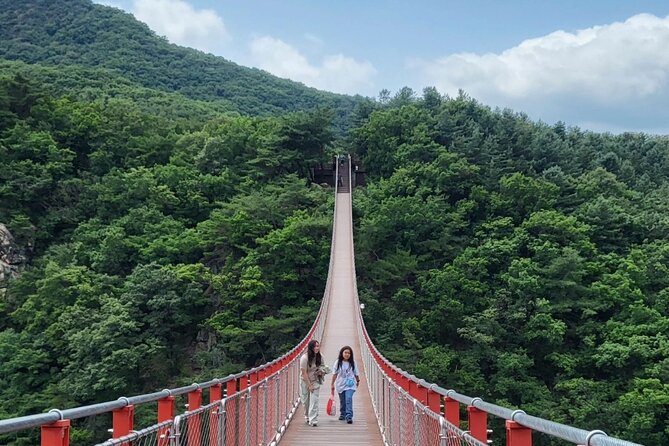
If you choose the Majang Lake option, you’ll end the day with an actual crossing instead of another memorial stop. Majang Lake is tied to a Majang Reservoir Suspension Bridge, which opened in 2020.
The bridge is 262 meters long and rises about 25 meters above the water. It’s a nice contrast: you go from controlled, historical space to open air and a sweeping view. The crossing takes about an hour of tour time including the stop.
And yes, it’s optional. If you’re prioritizing the tunnel and observatory, you can still do the DMZ portion without the bridge. But if you want a final reset that doesn’t feel like one more checkpoint, Majang Lake is a smart add-on.
Guides are the hidden engine of this tour
A DMZ tour lives or dies on interpretation, and the guiding here seems to land well. Names that come up strongly from past participants include Nancy, Alex, Kelly, Crystal, Lina, Hana, Moon, Ray, Emily, K, and Gogo/GoGo.
The most consistent theme: the guides keep the day moving, answer questions, and add personal context that makes the history feel connected rather than distant. You’ll also notice a practical style—clear directions at each stop, tips for what to look for, and little moments that make the long day less draining.
If you’re hoping for facts plus human tone, pick a departure where you’ll get a guide you connect with. On a day this intense, personality changes everything.
Price and value: why $35 can work for this day
At $35 per person, this tour is priced like a bargain compared to the time, transport, and number of included sites in a single day. You’re not just paying for a bus—you’re paying for the guide, hotel pickup, and access to major stops where entry is otherwise tightly controlled.
The structure also helps you avoid decision fatigue. You don’t have to piece together separate tickets for each DMZ-related location and then coordinate timing yourself. You’ll also get built-in time allocations at each major site, including Third Tunnel and Dora Observatory.
Two value notes to keep it honest:
- Lunch is not included, so plan your eating time in advance.
- Some extras are optional (like the Majang Lake bridge and certain suspension bridge options), so your final cost depends on which add-ons you select.
Who should book, and who should skip
This tour is a strong fit if you want a full, structured DMZ day and you like context. It’s also ideal if you want the major sites in one go: Imjingak, Bridge of Freedom, Third Tunnel, Dora Observatory, and (if you choose it) Majang Lake.
Skip it if you hate crowds and long bus days, or if you’re dealing with limited mobility. Even with good pacing, the day includes walking, inclines, and stairs, and the tunnel adds its own physical demands.
If you’re flexible and prepared, you’ll likely get a day that feels both emotionally grounded and logistically smooth.
Should you book the DMZ + Tunnel 3 and Majang Lake crossing?
I’d book this if you want the big DMZ highlights without trying to manage a complicated day on your own. The combination of Tunnel 3, Dora Observatory telescope viewing, and the human-scale peace sites at Imjingak makes this feel like more than a sightseeing drive.
Just go in with the right expectations: it’s long, it’s physically active, and a checkpoint day means you need your documents and patience. If you pick the Majang Lake bridge option, you also get a rare closing moment of open air after all the heavy stops.
FAQ
How long is the DMZ Tour Seoul to North Korea’s 3rd Tunnel & Majang Lake Crossing?
The tour runs about 8 hours (approx.).
What does the tour cost?
It’s listed at $35.00 per person.
Where are the meeting points in Seoul?
You meet at one of these: Myeongdong Subway Station Exit 9, Seoul City Hall Subway Station Exit 6, or Hongdae Subway Station Exit 3.
Is hotel pickup included?
Yes, hotel pickup is included as complimentary pickup from a main subway station near your hotel or in the downtown area.
Do I need a passport or ID for the tour?
Yes. At the Unification Bridge military checkpoint, you’ll need your passport, military ID card, or a South Korea-issued ID.
Can I view North Korea during the tour?
Yes. At Dora Observatory you can view North Korea through a telescope.
Is Majang Lake crossing included?
Majang Lake crossing is optional and included only if you select it during checkout.
Are there other optional add-ons?
Yes. Optional items include the Gamaksan Red Suspension Bridge (if selected), the Majang Lake bridge (if selected), and strawberry picking (if selected). The Paju Imjingak Peace Gondola is also optional.
Is lunch included?
No. Lunch is not included.
What is the cancellation window?
You can cancel for a full refund up to 24 hours in advance of the experience start time.