REVIEW · SEOUL
DMZ, Eunpyeong village and Jinkwansa Temple Private Tour
Book on Viator →Operated by K ONE TOUR Travel Agency · Bookable on Viator
A border tour that feels real, fast. I like how this private day blends DMZ tension with quiet time at Eunpyeong Hanok Village, then tops it off with a calm forest stop at Jingwansa. You get a full day that’s not just photos and facts—it’s guided context that helps the place make sense.
What I especially enjoy is the comfort piece: you ride in an air-conditioned private car, so the day stays manageable. And the storytelling from guides like Daniel and Gina can turn the DMZ visit from information into something you actually remember.
One consideration: it’s a long, packed day starting at 8:00 am, and meals aren’t included, so you’ll want to plan for energy before you leave.
In This Review
- Key things I’d circle before you book
- DMZ at 8:00 am: what your morning actually looks like
- Inside the DMZ experience: tension, boundaries, and clear guide explanations
- Third Infiltration Tunnel: the stop that shifts how you think about distance
- Eunpyeong Hanok Village: a calm reset after the border
- Jingwansa Temple in the forest: peace, tradition, and a short spiritual stop
- Private car + admissions included: where the value really comes from
- Who should book this DMZ, hanok, and Jingwansa private day
- Should you book it? My practical take
- FAQ
- What time does the tour start?
- Is pickup included?
- Is this a private tour?
- How long does the tour last?
- Are admission fees included?
- What stops are part of the itinerary?
- Is a professional guide included, and what language?
- Are meals included?
- How does cancellation work?
- Do I need to bring a ticket?
Key things I’d circle before you book
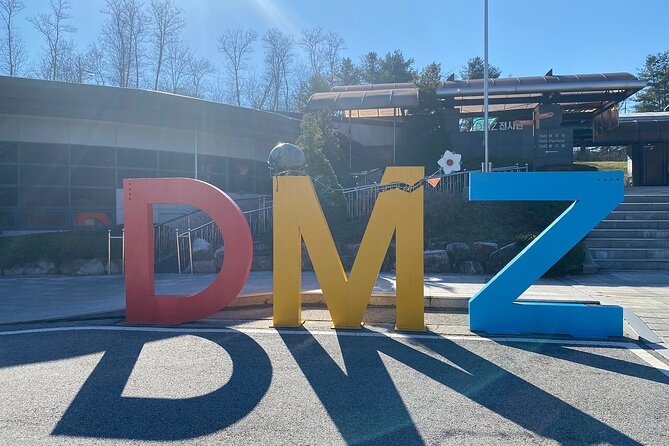
- Private car convenience: pickup and door-to-area comfort beats long public-transport hops
- DMZ with core sights: you’ll see the main DMZ experience plus the Third Infiltration Tunnel
- Admissions included: admission fees are part of the package cost for planned stops
- Hanok village pacing: a slower, scenic break after the security zone
- Jingwansa Temple in the forest: a short, peaceful temple visit with a spiritual feel
- English guide support: you get a professional English guide for the day
DMZ at 8:00 am: what your morning actually looks like
This is the kind of itinerary where timing matters. You start at 8:00 am, which is early enough to feel efficient but not so early that you can’t get going smoothly. You’ll be picked up (pickup is offered), and from there you’re in the driver’s hands for the longer stretches.
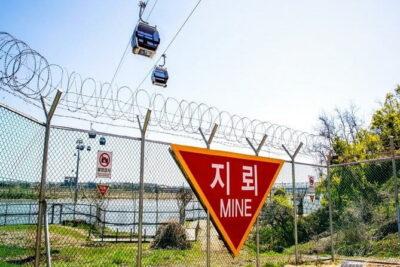
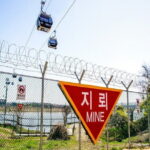
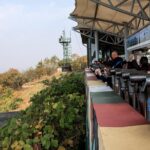
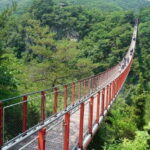
The big draw here is the setting: the DMZ is the buffer zone separating North and South Korea since the Korean War. That sentence sounds straightforward. On the ground, though, you feel how carefully controlled the area is—and how the Korean conflict still shapes daily life in ways most places don’t. Expect a serious tone from the moment you arrive, and expect your guide to explain what you’re seeing in plain, practical terms.
This is also where private format pays off. A private car keeps you from being dragged through the day with a crowd, and it makes it easier to follow instructions at sites that require everyone to stay together. If you prefer not to share space and pace with strangers, this style fits well.
One small practical tip: treat the DMZ morning as your priority block. If you’re the type who wants to shop or snack right away, do that after the heavier sights. The day’s structure is built so you can handle DMZ first, then switch gears.
You can also read our reviews of more private tours in Seoul

Inside the DMZ experience: tension, boundaries, and clear guide explanations
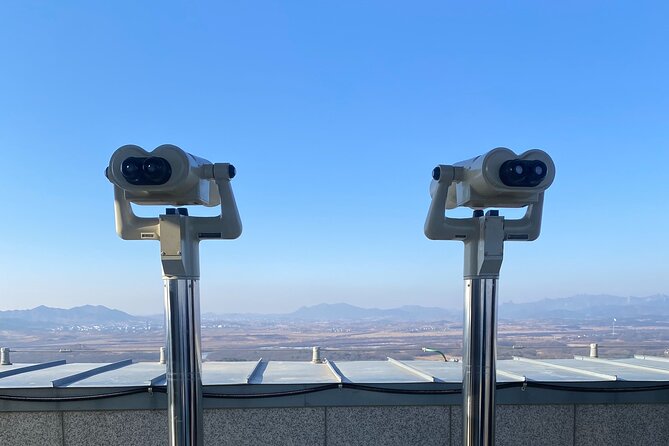
The DMZ portion is the centerpiece of the day, and it’s the part you’ll likely talk about afterward. You go there to experience the tension and history of the Korean Peninsula at the border area—an area that exists because the war never truly ended in the way many people expect.
Here’s what I’d focus on when you’re there: listen to what your guide is connecting. You’re not just reading placards. You’re being walked through the logic of separation—what the DMZ is, why it’s guarded, and how the story affects both sides. Good guide storytelling is the difference between feeling distant from the subject and feeling grounded.
The reviews tied strong emphasis to that guide-led storytelling. People highlighted that guides like Daniel and Gina made the experience more powerful through their delivery and how they explained what you were looking at. That matters because the DMZ can feel emotionally heavy. When the explanation is clear, you can process it without getting overwhelmed.
Also, it’s a place where you should plan to follow guidance without rushing. Your job is to pay attention and stay with the group, not to multitask. If you come in expecting a quick sightseeing loop, you may feel time pressure. If you come in ready to learn, you’ll get much more out of the day.
Third Infiltration Tunnel: the stop that shifts how you think about distance
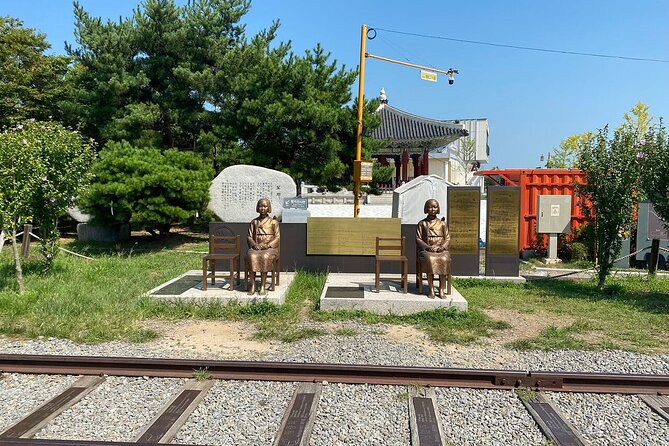
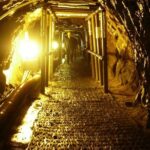
Among DMZ sights, the Third Infiltration Tunnel (3rd Tunnel) is one of the most gripping parts. It’s a secret tunneling site associated with infiltration plans during the Korean War, and seeing it in context helps you grasp the stakes behind the border.
Even if you already know the basics, a tunnel changes the scale. You go from thinking of the DMZ as a line on a map to understanding it as something people tried to breach through engineering and risk. Your guide’s framing is crucial here. The tunnel isn’t just a structure; it’s a story about conflict, planning, fear, and the lengths people tried to go to.
When I’m on a site like this, I like to slow down and look at details while my guide explains the background. The tunnel is the kind of place where your brain wants to fill in the timeline: who, when, why, and what happened afterward. With the guide’s context, those pieces connect instead of sitting as separate facts.
Practical note: the tunnel area can feel physically demanding compared with outdoor stops, simply because tunnels and controlled paths often mean more standing, more movement restrictions, and less chance to wander. The tour is described as “most travelers can participate,” which suggests it’s generally doable, but if you have mobility concerns, you’ll want to think about whether you’re comfortable with the tighter, more structured environment.
Eunpyeong Hanok Village: a calm reset after the border
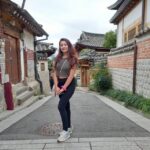
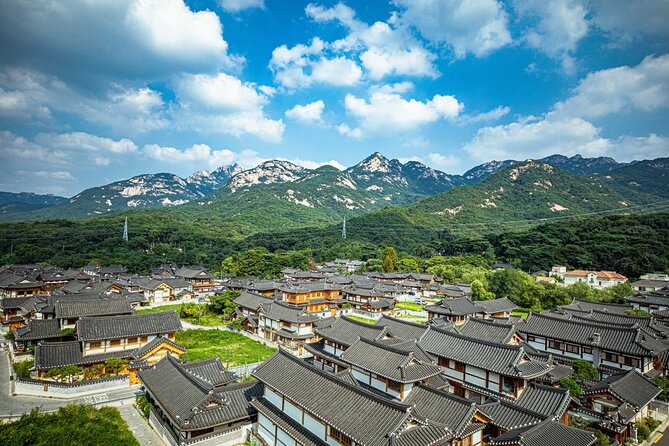
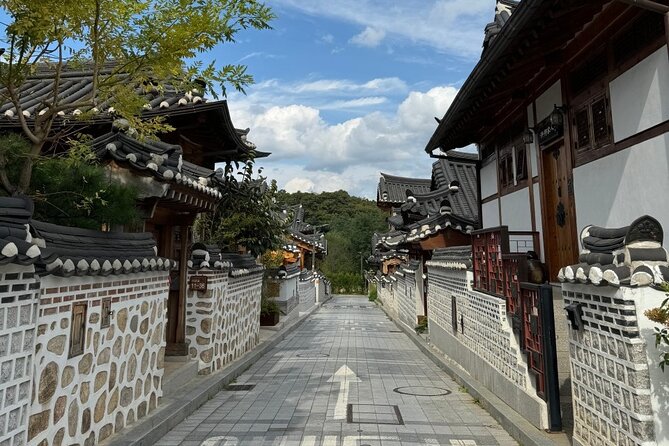
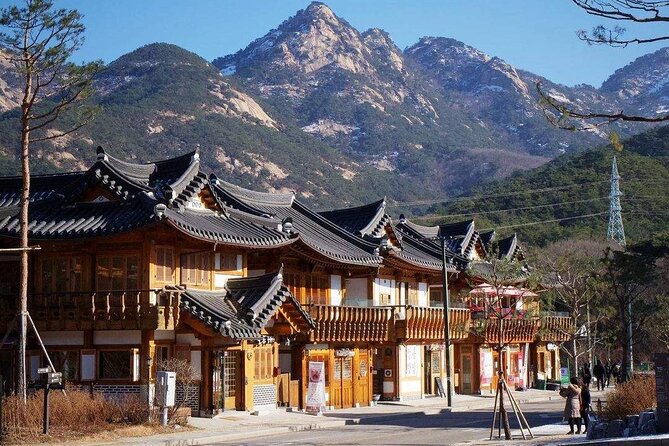
After the DMZ, the itinerary moves to Eunpyeong Hanok Village. This is where the day changes tone. Instead of border tension, you get traditional Korean houses (hanoks) placed against scenic mountain surroundings. The atmosphere is slower, quieter, and more “walk and absorb” than “listen and process.”
What you’ll likely enjoy most here is the contrast. A DMZ visit can make the whole day feel heavy. Hanok village time gives your brain a breather. You can take photos without feeling like you’re in a controlled security environment. You can also stretch a bit, which helps after a longer morning.
The value of this stop isn’t only aesthetics. It also helps you understand modern Korea as more than war history. Hanok architecture reflects traditional living patterns and design choices shaped by climate and culture. Even a short visit can give you a better sense of what people mean when they talk about heritage beyond the big museum sites.
Timing-wise, this segment is typically a lighter load than the DMZ. That’s a good thing on a 9-hour day. It keeps you from ending the tour exhausted and helps you enjoy the last temple stop with better energy.
If you’re planning what to wear: consider comfortable shoes. This is a walking-and-strolling kind of stop, and you’ll want footing that works for uneven areas.
Jingwansa Temple in the forest: peace, tradition, and a short spiritual stop
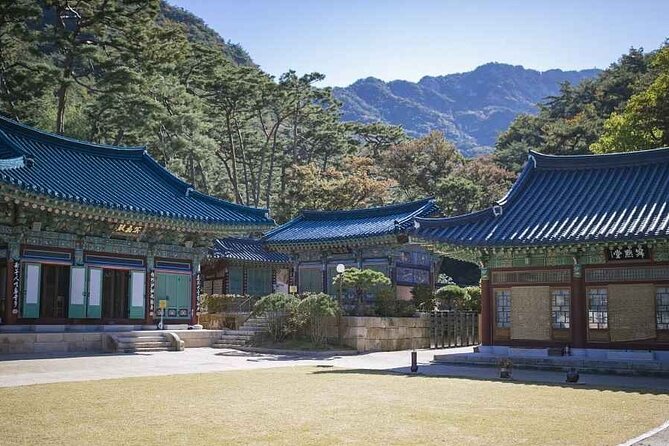
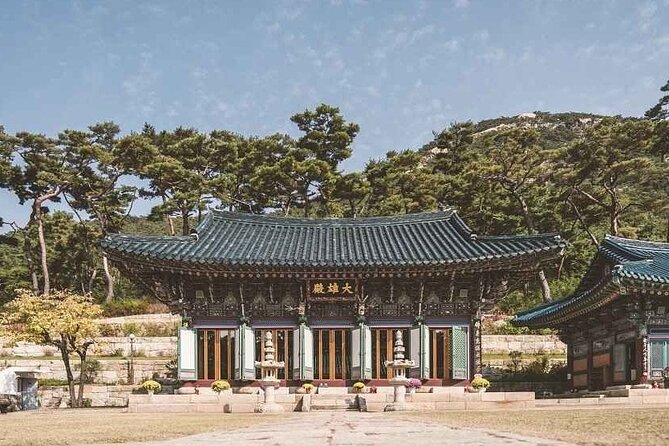
Next comes Jingwansa Temple, described as a thousand-year-old Buddhist temple hidden in the forest. The best way to experience this stop is to treat it like a mental exhale, not another checklist item.
The tour’s temple time is about 1 hour, including the admission. In that window, you’ll get a taste of monastic and spiritual life as presented to visitors. A short temple visit isn’t about doing everything. It’s about stepping into a quieter rhythm and letting the setting do some of the work.
In practical terms, bring a respectful mindset. Temples are places where silence and attention matter more than speed. Your guide can help translate what you’re seeing, but you’ll still want to keep your pace slow. If you rush, you’ll miss the tone that makes Jingwansa worth the trip.
Why I like including a temple after a border visit: it’s not random sightseeing. It’s emotional pacing. DMZ challenges your sense of history and separation; the temple gives you perspective through spirituality and calm. It turns the day into a fuller story arc—from conflict to reflection.


Private car + admissions included: where the value really comes from
The price is $202.41 per person, and the tour is about 9 hours long. That can sound like a lot until you break down what’s covered and what isn’t.
On the plus side, this package includes:
- Private transportation
- Admission fees for the planned stops
- Fuel surcharge and parking fees
- A professional English guide
So you’re not piecing together tickets and transit on your own. You also don’t have to worry about the logistics of moving between DMZ, a hanok village, and a temple in the same day.
On the other side of the equation: meals aren’t included, and tips are not included. That means your real total cost depends on what you eat and how you tip at the end. But at least you won’t be surprised by extra admission charges for the key sights. In my book, that’s part of good value—fewer moving parts.
The private format also has a hidden benefit: time efficiency. With a private car, you’re less likely to lose time coordinating schedules, transfers, and waiting around. On a day starting at 8:00 am, that matters.
There are also group discounts listed. If you’re traveling with a few people, it’s worth checking whether your party size makes the price more attractive.
Who should book this DMZ, hanok, and Jingwansa private day
This is a great fit if you:
- Want a private day instead of a large group crawl
- Prefer an English guide who can explain what you’re seeing
- Like contrast in your itinerary: serious history, then a quiet cultural break, then a temple stop
- Want comfort on a full day via an air-conditioned private car
It may be a harder fit if you:
- Need frequent meal breaks (since meals aren’t included)
- Have limited mobility and aren’t sure about tunnel-style environments
- Want a flexible, slow pace with lots of free time on your own (this day is structured)
If you’re traveling as a couple, friends, or a small family group and you don’t want to deal with big-group pacing, this kind of private routing makes sense.
Should you book it? My practical take
If your goal is to see the DMZ while still keeping your day comfortable and guided, I’d lean toward booking this private experience. The biggest reason is simple: the day’s structure is built to handle heavy history first, then soften the mood with hanok scenery, and end with a calm temple visit. Add the English guide (with standout storytelling credited to guides like Daniel and Gina) and admissions included, and you’re set up for an efficient, thoughtful day.
I’d only hesitate if you strongly dislike early starts or if you know you’ll get frustrated when a day is tightly planned. Otherwise, this is one of those Korea experiences that feels both educational and emotionally memorable without making you navigate the hardest parts alone.
FAQ
What time does the tour start?
It starts at 8:00 am.
Is pickup included?
Yes, pickup is offered.
Is this a private tour?
Yes. It’s a private tour/activity, and only your group participates.
How long does the tour last?
The duration is about 9 hours.
Are admission fees included?
Yes. Admission fee(s) for the included stops are listed as included.
What stops are part of the itinerary?
The tour includes the DMZ (including the Third Infiltration Tunnel), Eunpyeong Hanok Village, and Jingwansa Temple.
Is a professional guide included, and what language?
Yes. You get a professional English guide.
Are meals included?
No. Meals are not included.
How does cancellation work?
You can cancel for a full refund up to 24 hours before the experience’s start time.
Do I need to bring a ticket?
A mobile ticket is provided.