REVIEW · SEOUL
Seoul: Authentic Korean Cooking Class and Market Tour
Book on GetYourGuide →Operated by Seoul : Authentic Korean Cooking at a Local Home & Market Tour · Bookable on GetYourGuide
Seoul cooking gets real when you shop first. This small-group class blends a local market walk with hands-on cooking and a calm tea-time in a hand-embroidered home. I like the market ingredient shopping and the way you cook in a real house, not a studio. One consideration: the pace is unhurried, so it’s not the best fit if you want a rushed, high-volume checklist day.
You’ll start with a guided tour of a traditional market, learning what to buy and why, before you ever touch a stove. Then you cook Korean dishes you choose, and you end with a homemade dessert and tea session in a beautifully decorated room. I also appreciate that the group is limited to 4 participants, which keeps things friendly and personal. The only possible drawback is that you’re sharing a home setting, so you’ll want to keep your schedule flexible and your volume low.
In This Review
- Key reasons this Seoul cooking class works
- A small-group Seoul cooking day in Sillim
- Finding the meeting point at Sillim station
- Traditional market tour: picking ingredients like you mean it
- From vendors to the stove: why the market matters
- The hand-embroidered home: what you’ll notice right away
- Cooking what you choose: bulgogi, bibimbap, and kimchi pancakes
- Lunch from the dishes you made
- Traditional Korean dessert and a calm tea-time finish
- Price and value: what $69 buys you in Seoul
- Who this cooking class is best for
- Before you go: simple tips that make it easier
- Should you book this Seoul cooking class?
- FAQ
- What is the duration of the Seoul cooking class and market tour?
- What is the meeting point and start time?
- Where is Sillim station on the subway?
- How many people are in the group?
- What language is the host or greeter?
- Do we cook Korean dishes ourselves?
- Is lunch included?
- Do we make dessert and have tea?
- Is the activity wheelchair accessible?
Key reasons this Seoul cooking class works
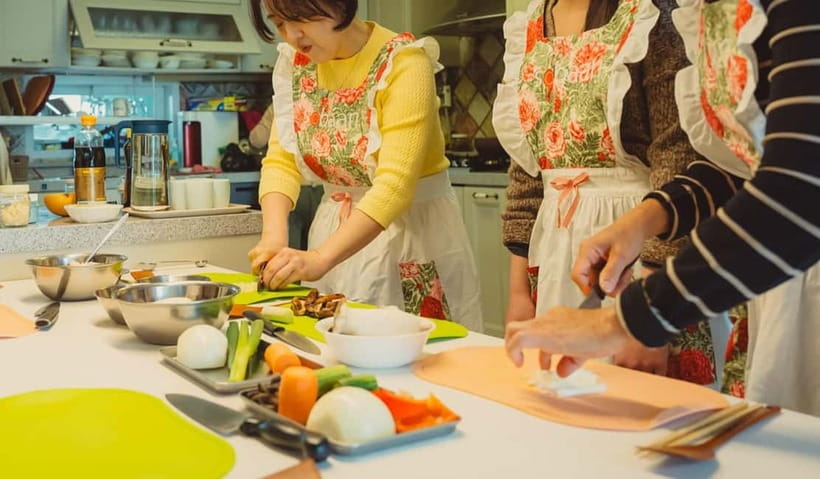
- Market-to-home flow: you buy seasonal ingredients first, then use them in your meal
- You choose what you cook: options like bulgogi, bibimbap, and kimchi pancakes, plus alternatives
- A host-led house tour: you see the home and get cultural context from the people living there
- Tea-time in an embroidered room: the day ends with a relaxed, quieter finish
- Small-group attention: limited to 4 participants, so questions don’t get lost
A small-group Seoul cooking day in Sillim
If you want Seoul food that feels like it belongs to the neighborhood, this is the kind of experience that delivers. It’s not a “watch someone cook” program. You shop together, cook together, and eat what you made—so your brain remembers the flavors, not just the photos.
This class runs for 210 minutes and starts at 10:30am at Sillim station. The host is English-speaking, and the group is capped at 4 people, which makes a big difference when you’re learning technique and ingredient choices. If you’ve had cooking classes that feel crowded or rushed, you’ll probably like the smaller scale here.
The setting is also a big part of the charm: you cook in a Korean house filled with traditional hand-embroidered pieces. That matters more than it sounds. When the space feels calm and cared-for, you naturally slow down and pick up details you’d otherwise miss.
You can also read our reviews of more shopping tours in Seoul
Finding the meeting point at Sillim station
Plan to arrive a little early so you can find the meeting spot without stress. You meet inside Sillim station (subway line 2, station number 230) at 10:30am. Come out through the ticket turnstiles, then look for Cafe Mignon inside the station before you choose an exit.
Your greeter will be holding a Sobaan cooking sign. If you’re the kind of traveler who likes certainty, this meeting setup is clear and easy to follow, as long as you’re already inside the station.
Practical note: give yourself buffer time on Seoul subway connections. You’re trying to start a cooking day, not chase it.
Traditional market tour: picking ingredients like you mean it
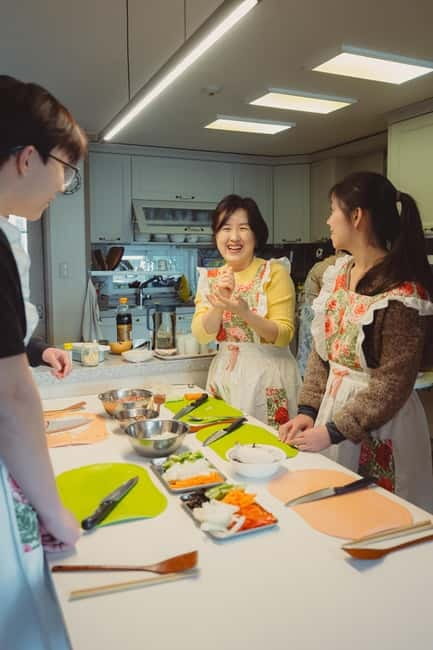
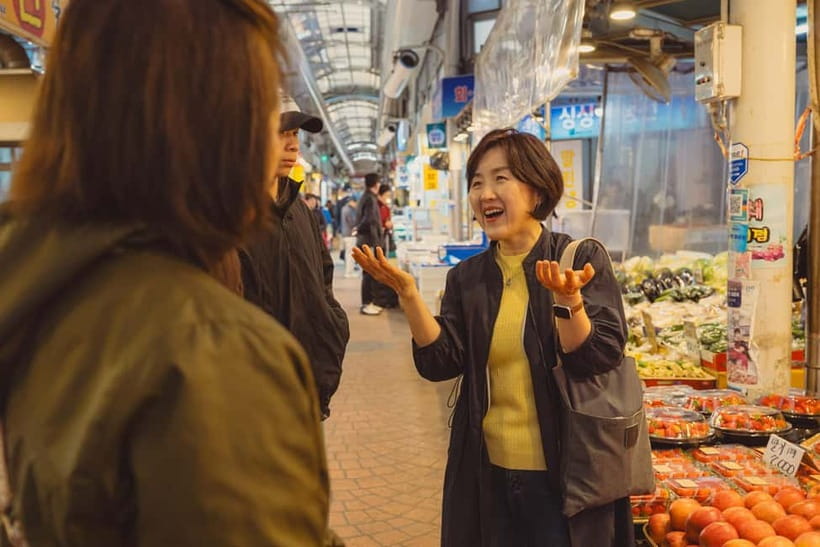
The experience begins with a guided walk through a local traditional market. You’ll explore seasonal ingredients and learn cultural stories behind what you’re seeing. That’s important because Korean cooking isn’t just about ingredients—it’s about how ingredients work together, what season they’re linked to, and how people use them day to day.
You also shop from local vendors as a group. The goal is not souvenir shopping. You’re collecting fresh produce and authentic seasonings you’ll use later. If you’ve ever wondered why two kimchis taste different or why a sauce hits differently, this is the moment the class explains it.
The smartest way to enjoy a market tour like this is to slow down and ask questions as you go. When the host tells you what to look for—textures, aromas, how something should feel or smell—you’ll be able to translate that into better choices later when you’re eating on your own.
From vendors to the stove: why the market matters
Many cooking classes skip the buying part, then wonder why the meal feels generic. Here, the market tour sets you up with a mental map of ingredients and their roles.
Once you’ve picked seasonal produce and seasonings, cooking becomes more than following steps. You’re actively working with ingredients you understand. That tends to make the final food taste better—and it makes you more confident if you try to recreate dishes later.
There’s also a cultural payoff: market stops give you context about the food itself, not just the recipe card. You’ll hear stories tied to specific items, which makes the meal feel connected to daily life in Korea.
The hand-embroidered home: what you’ll notice right away
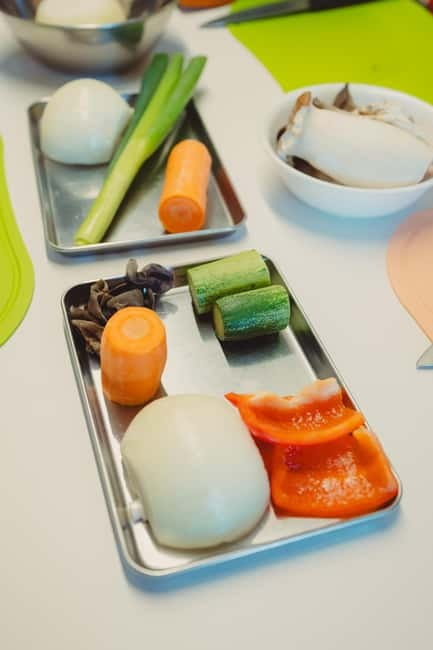
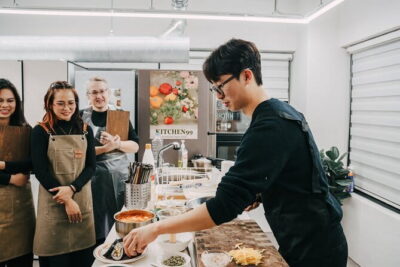
After the market, you head to a Korean house designed for this kind of class. One highlight is that the home is filled with traditional hand-embroidered works. It’s not just decoration, either. The room helps set the tone: this is meant to feel welcoming and slightly ceremonial.
You’ll also get a tour of the house, and you’ll be welcomed into the space by the host and their family. In particular, you’ll see how the people living there think about hospitality. That’s part of why the class feels personal rather than transactional.
Cooking in someone’s home also changes your expectations for comfort and pace. You’re not in a commercial kitchen. You’ll likely work more closely with the host, ask more questions, and move with the rhythm of the household.
You can also read our reviews of more tours and experiences in Seoul
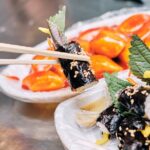
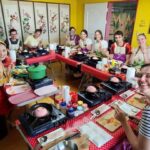


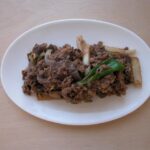

Cooking what you choose: bulgogi, bibimbap, and kimchi pancakes
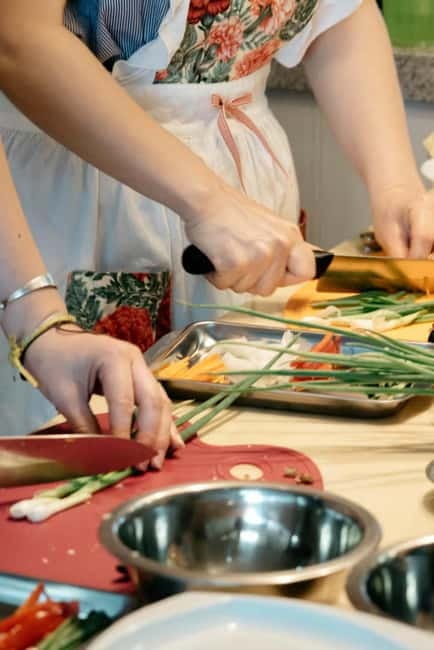
Now for the fun part: you cook Korean dishes you choose. The class is built to be flexible, so you can pick what sounds good to you and what you want to learn. Some of the options include bulgogi, bibimbap, and kimchi pancakes, with the possibility to cook something else you’re curious about.
This matters if you have strong food preferences. You’re not locked into one menu no matter what you like. You can build the meal around your taste.
You’ll cook in the house you visited, and you’ll work with the host throughout. The best way to get value here is to be decisive when the host offers choices. If you wait too long, you may end up cooking the “leftover option” rather than the dish you actually wanted.
Also, keep an eye on technique, not just ingredients. Korean cooking often depends on things like balancing sweetness and saltiness, controlling heat, and getting the right textures. If you focus on those, the class becomes something you can repeat later.
Lunch from the dishes you made
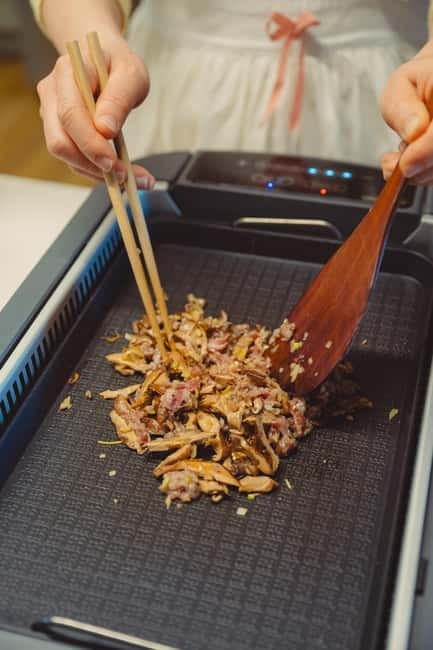
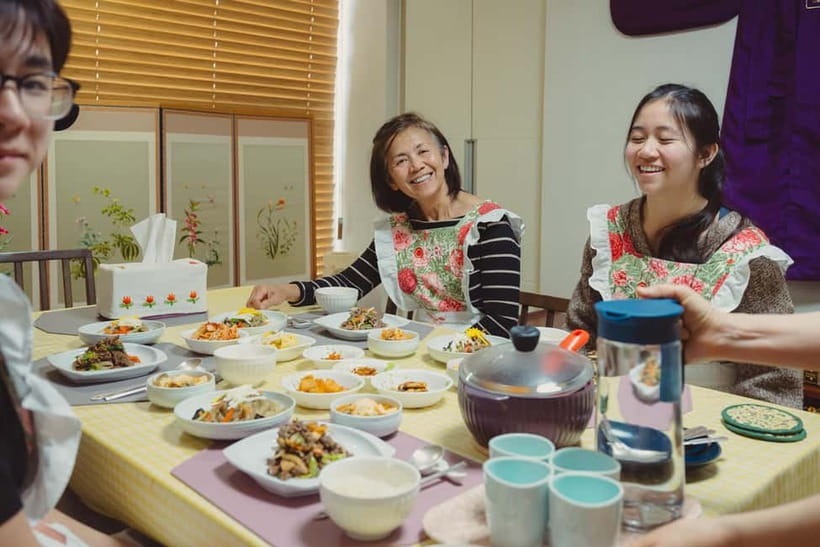
After you finish cooking, you get to enjoy a homemade lunch that matches what you created. That’s a major reason I think this style of class is worth the time. You’re eating your own work while it still feels fresh and understandable.
A good lunch in a cooking class isn’t just a free meal. It’s a feedback loop. You’ll taste what worked, notice what you might tweak, and understand how your ingredient choices came together.
The lunch is also part of the day’s pacing. The class stays structured around cooking and eating, not around long lectures. You’ll likely feel fed and satisfied without needing to hunt down food afterward.
Traditional Korean dessert and a calm tea-time finish
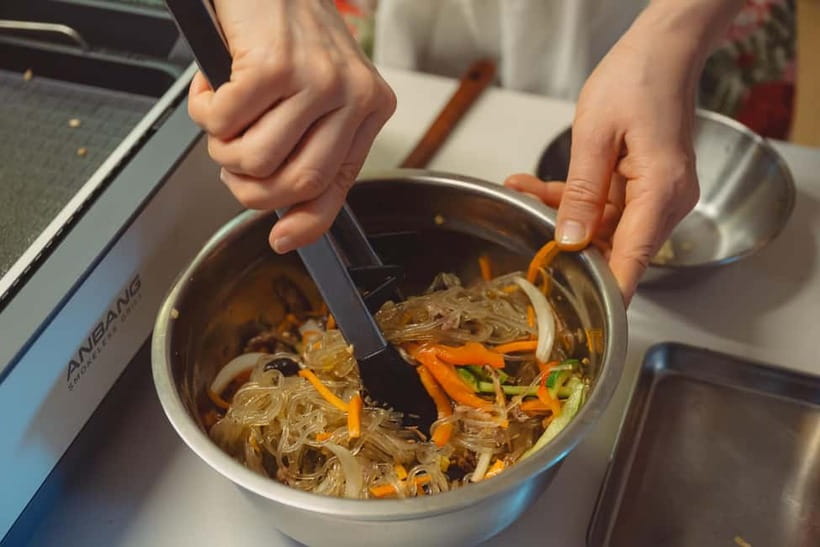
The day doesn’t stop at lunch. You’ll also make a traditional Korean dessert and enjoy tea-time afterward. This is a lovely shift from cooking intensity into something slower and more reflective.
Tea-time in a room full of hand-embroidered pieces adds atmosphere in a practical way. When the setting is quiet and visually warm, you’re more likely to actually taste the dessert instead of rushing through it. And you get a chance to slow down, chat, and absorb what you learned.
Dessert is also a smart choice from an educational perspective. If you only learn savory cooking, you miss half the picture of Korean food culture. This gives you a broader sense of flavors and cooking styles.
Price and value: what $69 buys you in Seoul
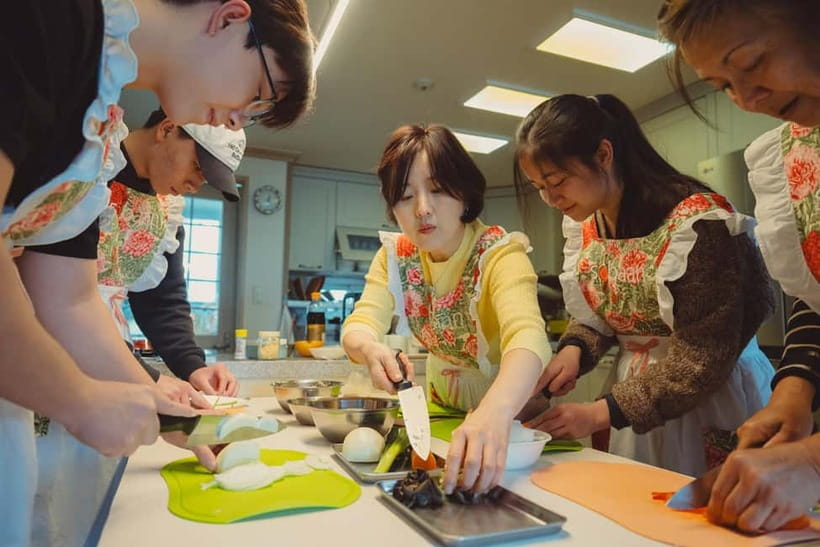
At $69 per person, you’re paying for more than a recipe. You’re paying for a full arc: market tour, ingredient shopping, cooking instruction, lunch, dessert making, and tea-time. That turns the class into a complete food experience rather than a one-dish workshop.
The small-group size (limited to 4) is part of the value too. Less crowding usually means more hands-on help and more attention from the host. In practical terms, you learn faster and get clearer answers while you’re still in the process.
Is it a budget class? No. But compared to paying separately for a food tour plus a cooking workshop plus lunch, it’s a solid package. You’re also getting the home setting, which is difficult to replicate on your own without knowing locals.
Who this cooking class is best for
This experience fits best if you want your Seoul food day to feel grounded in daily life. It’s great for:
- Food-first travelers who want to learn how ingredients are chosen and used
- People who like cooking classes that stay hands-on and unhurried
- Travelers who enjoy neighborhood experiences more than major attraction hopping
- Anyone who wants both savory dishes and a traditional dessert
It might be less ideal if you’re trying to cram in a high-energy schedule the same morning. Since the experience is 210 minutes and includes shopping plus multiple cooking steps, it deserves real time on your calendar.
Before you go: simple tips that make it easier
A market-to-home cooking class rewards good prep. Here’s how to make your morning smooth:
- Wear comfortable shoes for the market walking
- Arrive on time at Sillim station so you can start cooking without delays
- Come with food preferences in mind, since you choose what to cook
- If you have allergies or avoid certain ingredients, tell the host during the dish selection stage so you can plan accordingly
Since the host communicates in English, you’ll likely feel comfortable asking questions as you cook. If you’re the type who learns by doing, you’ll do well here.
Should you book this Seoul cooking class?
Book it if you want a small-group day that connects market shopping to real cooking and then to homemade meals in a Korean home. The structure is thoughtful: start with ingredients, learn techniques through actual cooking, then finish with dessert and tea-time.
Skip it only if you need a fast, sightseeing-focused itinerary with lots of moving parts. This class is about making and eating, not collecting dozens of stops.
If you’re on the fence, this is one of those rare experiences where the price makes sense because it bundles the whole food story into one calm, friendly morning.
FAQ
What is the duration of the Seoul cooking class and market tour?
The experience lasts 210 minutes.
What is the meeting point and start time?
You meet inside Sillim station at 10:30am. Look for Cafe Mignon inside the station before you find any exit.
Where is Sillim station on the subway?
Sillim station is on subway line 2, and it’s listed as station number 230.
How many people are in the group?
The group is limited to 4 participants.
What language is the host or greeter?
The host or greeter speaks English.
Do we cook Korean dishes ourselves?
Yes. You cook Korean dishes you choose, such as bulgogi, bibimbap, and kimchi pancakes, or something else you’re curious about.
Is lunch included?
Yes. You’ll enjoy a homemade Korean lunch.
Do we make dessert and have tea?
Yes. You’ll make a traditional Korean dessert and have tea-time.
Is the activity wheelchair accessible?
Yes, it is listed as wheelchair accessible.