REVIEW · SEOUL
Seoul: Herbal Tea Class & Korean Medicine Tour
Book on GetYourGuide →Operated by Heojunoppa · Bookable on GetYourGuide
Herbs become real when you can touch them. This Seoul class is a hands-on herbal workshop plus a guided visit to the TKM Museum, built around Traditional Korean Medicine.
I really like the tea-making part: you pick ingredients, blend herbs, and leave with your own bottled tea. Another strong point is the expert-led education, including easy explanations of Yin-Yang and the Five Elements, plus how Eastern and Western ideas differ.
One thing to plan for: the day can include extra stops and the museum experience depends on how much guide time is spent on explanations. You’ll get commentary, but you should still be ready to ask questions if the pace feels more self-guided than you expect.
In This Review
- What Makes This Seoul Herbal Tour Work So Well
- A Real Itinerary: Workshop, Herb Blending, Then the TKM Museum
- 2:00 p.m. Workshop Start at Room 401
- See, Touch, and Learn About Around 40 Herbs
- Build Your Own Personalized Herbal Tea
- Short Break, Then Head to the K-Medi Center and TKM Museum
- Optional Add-Ons After the Museum (Not Included)
- The Hands-On Herbal Tea Making: The Part You’ll Remember
- What you learn even if you don’t know TKM yet
- A small practical tip for the blending moment
- East vs West Medicine and the Yin–Yang/Five Elements Basics
- TKM Museum Stop: What It Adds and What to Watch
- Optional Healing Experiences: How to Plan Your Budget
- How I’d choose if you only add one thing
- Logistics That Matter: Timing, Meeting Point, and Group Flow
- Photo, Video, and Courtesy Expectations
- Who This Tour Is Best For (and Who Should Skip It)
- Value: Is $50 a Fair Deal for What You Get?
- Should You Book? My Practical Recommendation
- FAQ
- What time does the tour start?
- Where is the meeting point?
- What’s included in the tour fee?
- What language is the tour in?
- How many herbs will you cover in the workshop?
- What optional experiences can I add after the museum?
- Are optional healing activities included in the $50 price?
What Makes This Seoul Herbal Tour Work So Well
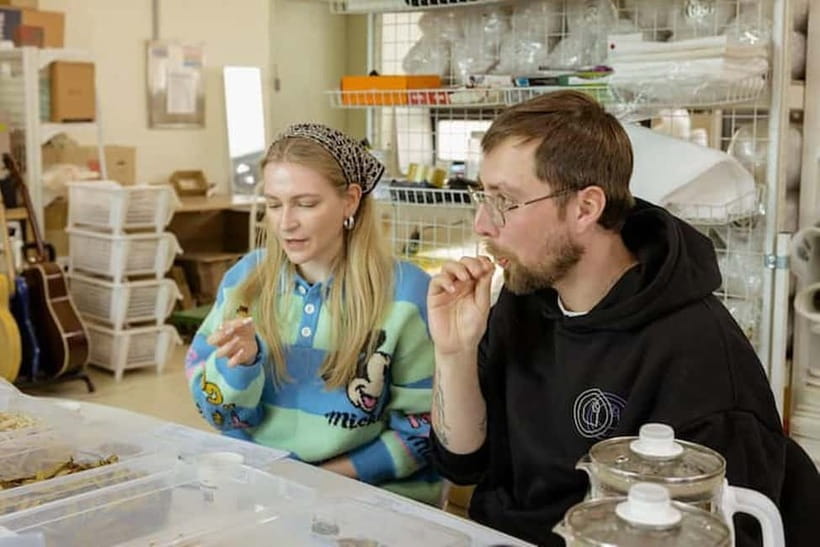
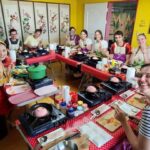
This experience is simple on paper: go from herb basics to your own herbal tea, then wrap it up with a TKM Museum visit. The difference is that the teacher, Sungil Choi (Heojunoppa), clearly designs the session to match you. Some people come in with zero background and want practical takeaways. Others arrive already studying Traditional Korean Medicine and want more nuance. Sungil builds a flexible flow so the class doesn’t feel like it’s aimed only at one type of learner.
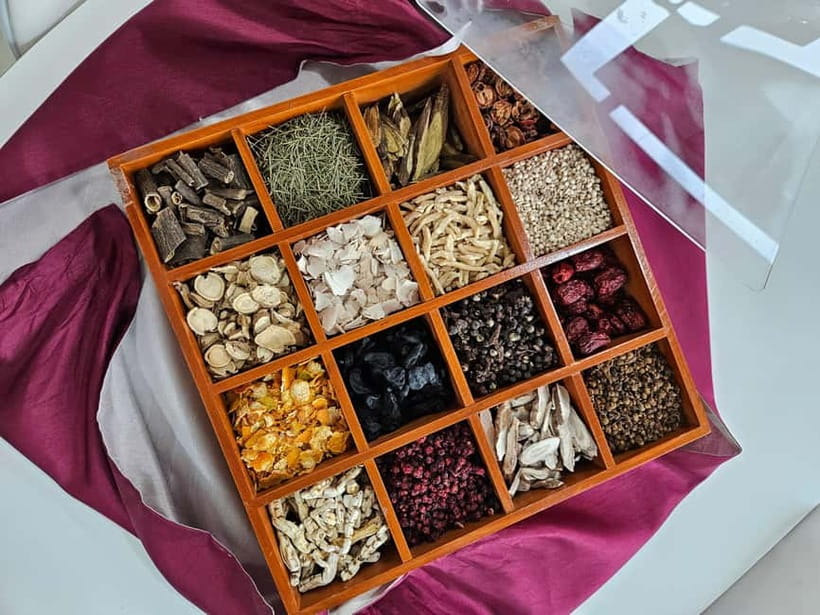
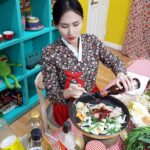
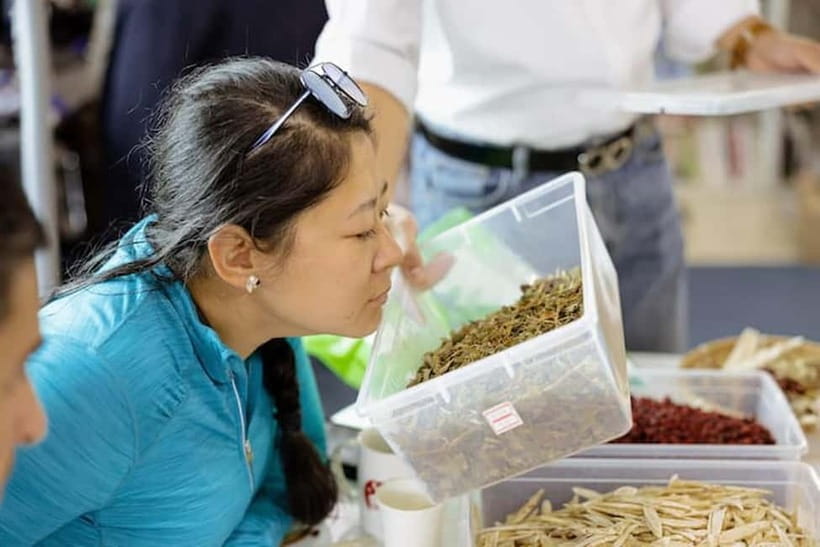
You also get to see herbs up close. The session covers around 40 medicinal herbs commonly used in TKM, and you get to touch and handle them in the workshop, not just watch slides. That physical element matters more than you’d think.
A Real Itinerary: Workshop, Herb Blending, Then the TKM Museum
Here’s the rhythm you should expect from the day’s structure.
You can also read our reviews of more tours and experiences in Seoul

2:00 p.m. Workshop Start at Room 401
You start at Sungil Choi’s workshop at 2:00 p.m., with the meeting point listed as Room 401. If you’re not familiar with the address, you’ll receive detailed directions on the day. The tour ends back at the same meeting point.
This matters because herbal shops and community buildings in Seoul can be tricky to find without local guidance. The directions help you get there without stress, and you can arrive ready to focus on the herbs, not lost in navigation.
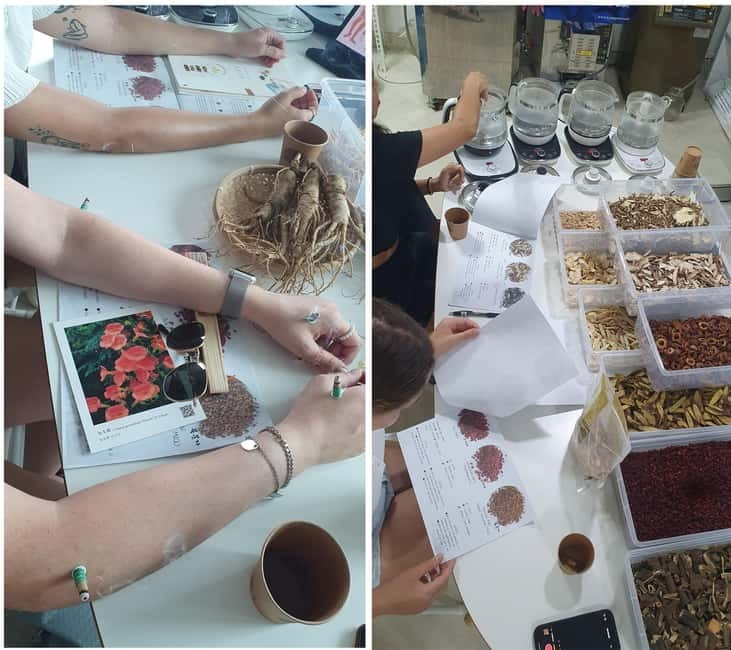
See, Touch, and Learn About Around 40 Herbs
In the workshop, you’ll work with roughly 40 herbs that are commonly used in TKM. Sungil Choi’s teaching style is meant to be clear for non-experts, but the content can still satisfy people with deeper interest. That mix comes through in how the lesson is described: you’re not just naming plants, you’re learning how TKM thinks about them.
You’ll also get a grounding in key framework ideas:
- Yin–Yang concepts
- Five Elements basics
- An explanation of differences between Eastern and Western medicine in a way that’s easy to follow
If you’re coming from a Western medicine background, don’t expect this to be a substitute for clinical care. Instead, think of it as learning a different model for how symptoms may be interpreted and how herbs are selected.
Build Your Own Personalized Herbal Tea
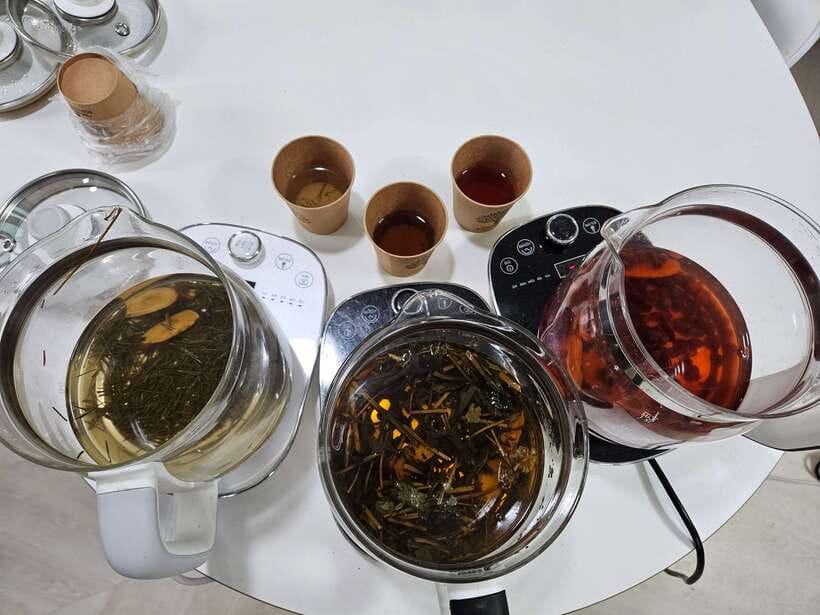
After the herb overview, you’ll create your own herbal tea. You choose and blend ingredients based on what’s suitable for you. During this process, Sungil provides practical guidance on selection and the logic behind the blend.
What you take home is part of the value: you get a bottle you can keep and use after the class. That turns the experience from a “nice tour” into something you can actually reference later when you’re comparing teas, studying ingredients, or just curious how the flavors and effects might feel over time.
Short Break, Then Head to the K-Medi Center and TKM Museum
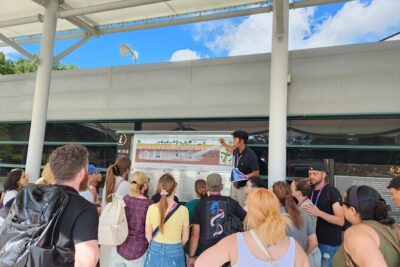
Next, you go to the K-medi center area to visit the TKM Museum. Museum entry is included, and the experience includes museum commentary by a Traditional Korean Medicine expert. This is where you connect what you handled in the workshop to broader TKM themes.
The museum stop is also one of the reasons this tour feels more complete than a pure tea class. You’re not only making a drink—you’re learning how traditional practice is presented, explained, and preserved.

Optional Add-Ons After the Museum (Not Included)
After the museum, you can choose optional healing or self-care activities such as:
- acupuncture
- moxibustion
- a Korean medicine clinic visit
- shopping for herbs
- outdoor foot baths
- acupressure massage
These optional items are not included in the tour fee, and they have separate costs. If you’re curious about trying something, treat this as your menu—pick one thing you’re most interested in rather than trying to do everything.
The Hands-On Herbal Tea Making: The Part You’ll Remember
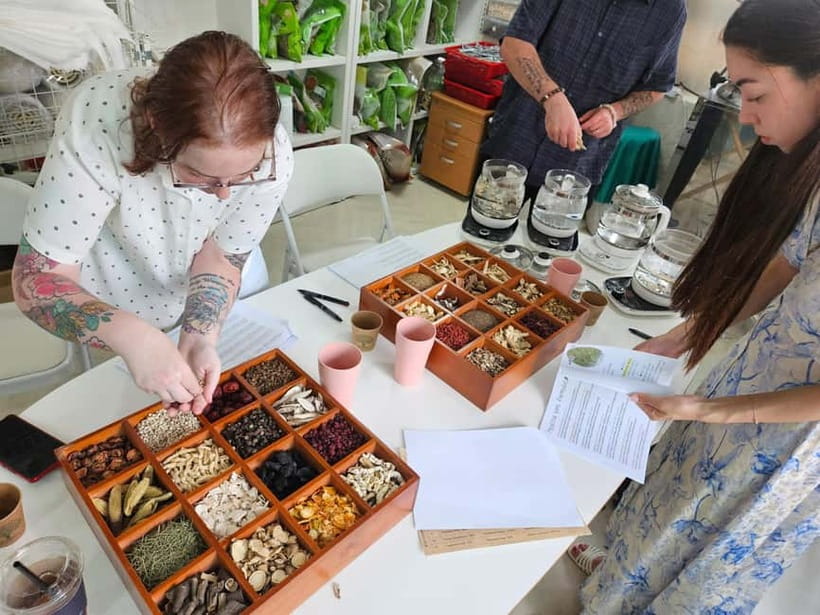
Tea making is the core “wow” moment here. It’s also where you’ll get the most practical learning, because you’re doing the steps yourself.
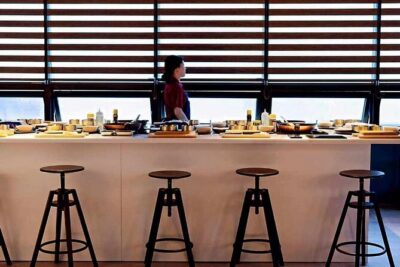
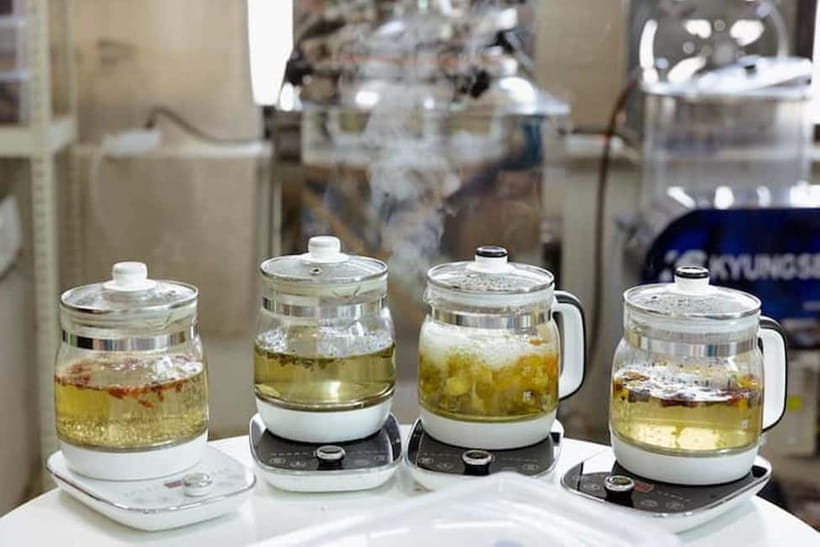
The class includes the herbs and teapot needed for blending traditional Korean herbal tea, plus a welcome drink (herb medicine tea) when you start. The act of choosing herbs and mixing them forces you to pay attention to what you’re selecting, not just what you’re hearing.
What you learn even if you don’t know TKM yet
Even if Yin–Yang and Five Elements are new to you, the lesson is designed to be approachable. The goal is to give you a working mental map:
- Herbs aren’t treated as random ingredients.
- Selection follows a framework.
- Your blend is personalized, not one-size-fits-all.
That’s why this works for beginners, and it’s also why returning students can still feel satisfied—because personalization is the hook, not just a lecture.
A small practical tip for the blending moment
During workshops, timing can get tight and explanations can get fast. If something feels unclear while you’re picking ingredients, ask right then. You’ll get the most value when your questions match what you’re currently doing.
East vs West Medicine and the Yin–Yang/Five Elements Basics
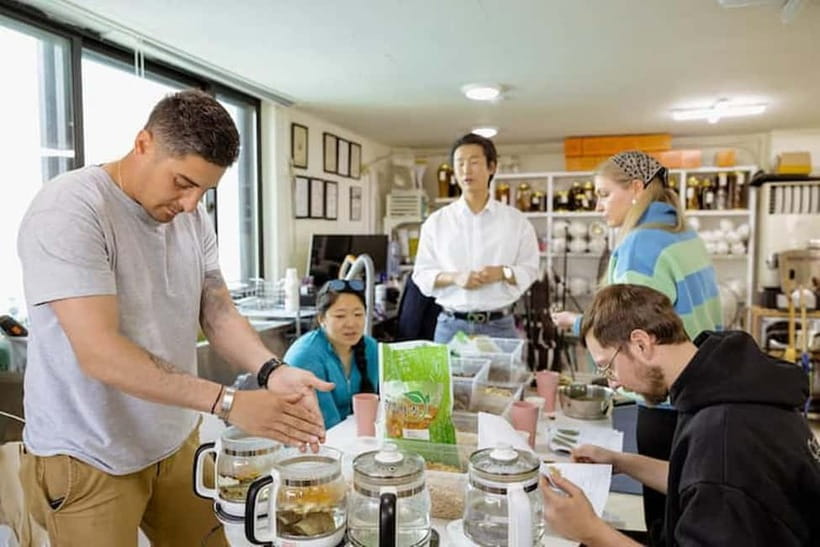
One of the tour’s stated goals is simple: make it understandable. Sungil Choi’s approach includes:
- easy explanations of how Eastern and Western medicine differ
- foundational Yin–Yang and Five Elements principles
Here’s why this is useful. A lot of visitors come to Korean herbal culture thinking it’s mostly tradition and taste. This framework teaches you the logic behind herb choice. Even if you’re not convinced by the model, it helps you interpret what you’re buying and what the claims mean.
Also, the framing helps with decision-making later. If you keep thinking in terms of the herbs’ roles (not just their names), you can ask better questions if you ever consult a clinic.
TKM Museum Stop: What It Adds and What to Watch
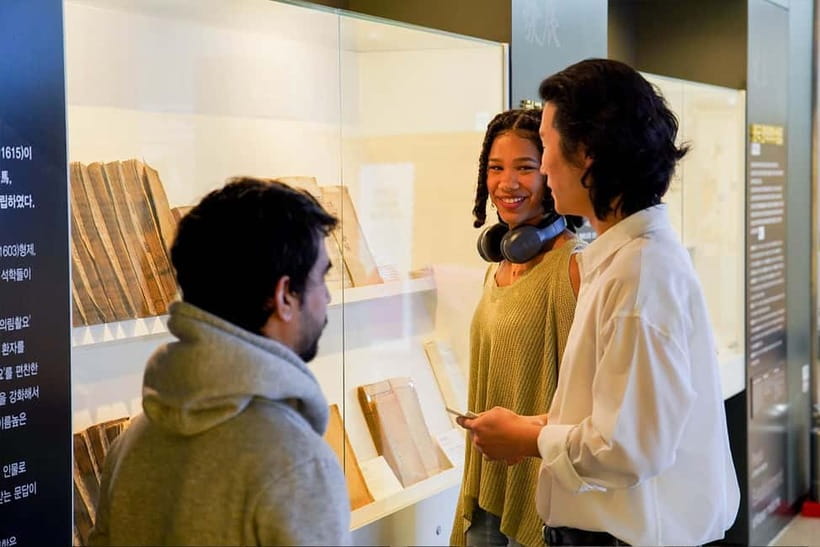
The museum visit is included, and you should expect an expert guide to explain the exhibits. This is one of the reasons the tour doesn’t feel like a quick add-on.
That said, pacing can vary. In some runs, the museum experience may feel more independent than expected. Also, English written text may not be consistent across exhibits, so you’ll get more from the visit if you actively ask your guide to translate or explain what you’re seeing.
If you want a museum stop that’s deeply narrated from start to finish, show up ready with questions. Ask about the specific herb ideas you learned earlier, then connect them to what you see.
Optional Healing Experiences: How to Plan Your Budget
You can add experiences after the museum, but you need to plan for separate costs. Here’s what’s listed:
- Outdoor foot bath: 6,000 KRW per tub (fits 2 people)
- Meridian massage: 5,000 KRW per person
- Moxibustion or acupuncture: approximately 50,000 KRW
- Korean medicine clinic treatment: around 50,000 KRW without health insurance (price may vary slightly)
A helpful detail: Sungil Choi can assist with interpreting your symptoms to the doctor and guide you through consultation and treatment process. Based on your needs, he connects you with an appropriate specialist. That support is valuable if you’re worried about language or don’t know what to ask.
How I’d choose if you only add one thing
If you’re new to TKM, pick one optional activity that matches your goal:
- Want relaxation and body awareness? Choose massage or foot bath.
- Want to try a more medical-style intervention? Choose acupuncture or moxibustion.
- Want guided evaluation for symptoms? Choose a clinic consultation.
Doing more than one can turn the day into a spending spree, and you’ll learn less from each option because you won’t have time to reflect.
Logistics That Matter: Timing, Meeting Point, and Group Flow
The tour starts at 2:00 p.m. at Room 401, and it ends back at the same meeting point. If you’re not familiar with the location, you’ll get detailed directions.
The biggest practical thing to know: the itinerary includes workshop → tea making → break → museum stop → optional add-ons. If anything else is added for a meal or other timing reasons, it can shift how much time you spend at each stop. If you care about squeezing in the museum commentary, ask early how the timing will work.
Also, language is listed as English, and the tour is built to tailor explanations to your interest level. Still, museum visuals can move faster than you want, so keep questions handy.
Photo, Video, and Courtesy Expectations
One complaint worth taking seriously: some experiences include taking photo/video without clear permission. If you care about privacy (or simply want control over your own image), you can politely remind the guide at the start that you prefer not to be recorded. Clear expectations make everything smoother.
Who This Tour Is Best For (and Who Should Skip It)
This is a strong fit if:
- you want a hands-on herbal experience, not just sightseeing
- you’re interested in Traditional Korean Medicine or East Asian health concepts
- you like learning frameworks (Yin–Yang, Five Elements) that help explain herb selection
- you want guidance that can go from beginner to more advanced discussion
It might be less ideal if:
- you expect a fully scripted, tightly timed museum narration
- you want zero chance of schedule detours for comfort stops
- you’re only looking for casual tea tasting and don’t care about the TKM education
If you’re the type who likes asking questions, this tour rewards that behavior.
Value: Is $50 a Fair Deal for What You Get?
At $50 per person, you’re not just paying for entry to a museum. You’re getting:
- a welcome drink
- herbs and tools to blend your own traditional herbal tea
- a basic lecture on Traditional Korean Medicine
- a bottle to take your tea home
- museum entry
- museum commentary by a Traditional Korean Medicine expert
Then you have optional activities if you choose to add them. That structure means your “base value” is solid even if you skip extras. The tour fee covers the learning and tea you’ll keep, while the extras are your add-on choices.
If you compare this to doing museum entry plus buying tea plus paying for a guided explanation separately, the combined format helps keep costs reasonable.
Should You Book? My Practical Recommendation
Book this tour if you want a hands-on taste of TKM with real structure: herb handling, personalized tea blending, and an expert museum stop. The take-home bottle is a nice touch, and the education portion is built for English speakers.
Skip or adjust your expectations if you’re very strict about time at each stop or if you want the museum explained word-for-word in English on every exhibit panel. In that case, go in ready to ask for clarification and don’t be shy about guiding your own attention: focus on the exhibits that connect back to the herbs you’re learning.
If you do book, bring curiosity and a short list of questions you want answered about your own interests or symptoms. After the tour, you can stay connected for questions anytime, which is the kind of support that turns a one-time class into something you can keep using.
FAQ
What time does the tour start?
The tour starts at 2:00 p.m. in the workshop.
Where is the meeting point?
The meeting point is Room 401. If you’re not familiar with the address, you’ll receive detailed directions for the day.
What’s included in the tour fee?
Included are a welcome herb medicine tea, herbs and a teapot for blending traditional Korean herbal tea, a basic lecture on Traditional Korean Medicine, a bottle of tea to take home, museum entry, and museum commentary by a Traditional Korean Medicine expert.
What language is the tour in?
The tour is offered in English.
How many herbs will you cover in the workshop?
The workshop covers around 40 of commonly used medicinal herbs.
What optional experiences can I add after the museum?
You can choose from acupuncture, moxibustion, a Korean medicine clinic visit, herb shopping, outdoor foot baths, or acupressure massage.
Are optional healing activities included in the $50 price?
No. Medical treatment fees and activity costs after the museum are not included, and there are separate prices listed for foot baths, massage, acupuncture/moxibustion, and clinic treatments.