REVIEW · SEOUL
Traditional Gourmet
Book on Viator →Operated by Gastro Tour Seoul · Bookable on Viator
Seoul food is easiest when someone points the way. This 3-hour Traditional Gourmet walk pairs Bukchon Hanok Village sights with an included traditional lunch, then keeps things practical with a guide who helps you order and understand what you’re eating.
Two things I really like: you’re not stuck with English-only menus, because the guide gives personalized recommendations that cut through the language barrier; and you get a proper sit-down meal in a traditional Korean house setting, plus coffee or tea.
One thing to consider: it’s still a walking tour in real Seoul weather, so wear comfortable shoes and expect a moderate amount of strolling around the Bukchon area.
In This Review
- Key highlights to notice before you go
- Seoul’s Traditional Gourmet: What the Experience Feels Like
- Bukchon Hanok Village Stop: The Setting for What You’ll Taste
- House of Baek Inje: A Hanok Around 1900 (Not a Generic Photo Stop)
- Yun Bo-seon Birthplace: Rare Hanok Space in Modern Seoul
- Lunch in a Hanok House: Included, Traditional, and Actually Filling
- How the Guide Helps You Eat Confidently (Veronica’s Impact)
- Timing, Walking, and Weather: The Real-World Plan
- Where You Meet: Anguk-dong, Jongno District
- Price and Value: Does $120 Really Add Up?
- Who Should Book This Tour (and Who Might Skip It)
- Should You Book Traditional Gourmet in Seoul?
- FAQ
- How long is the Traditional Gourmet tour in Seoul?
- What is included in the $120 per person price?
- Is there a vegetarian option?
- Do I need to speak Korean to enjoy the tour?
- Is alcohol included?
- How big is the group?
- Where does the tour start and end?
- What is the cancellation policy?
- Can a solo traveler join?
Key highlights to notice before you go
- Small group size (max 12) means your guide can actually steer you to the right dishes
- Hanok-focused stops set the scene for Korean food culture, not just photos
- Included lunch + coffee/tea keeps the cost more predictable than a scattershot food crawl
- Guide-led food etiquette helps you feel confident eating Korean meals in public
- All-weather operation means plan for rain or sun with appropriate layers
Seoul’s Traditional Gourmet: What the Experience Feels Like
If you only have a few days in Seoul, this kind of tour gives you instant context. You start in the Bukchon area, famous for its traditional hanoks, then you move through history-flavored streets while learning how Koreans think about meals, timing, and ordering.
The tour is built for first-timers who might otherwise miss the best food choices. You’re not just handed a list of places to try. You get a guide who helps you interpret menus and translate what matters—what to taste, how to eat it, and how to avoid common “I picked the wrong thing” moments.
You can also read our reviews of more tours and experiences in Seoul.

Bukchon Hanok Village Stop: The Setting for What You’ll Taste
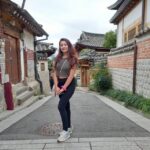
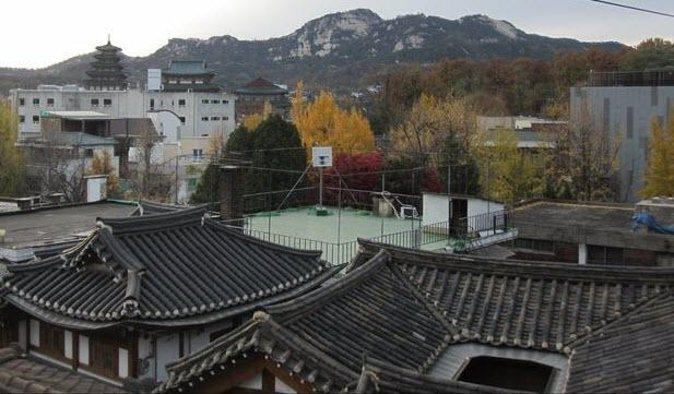
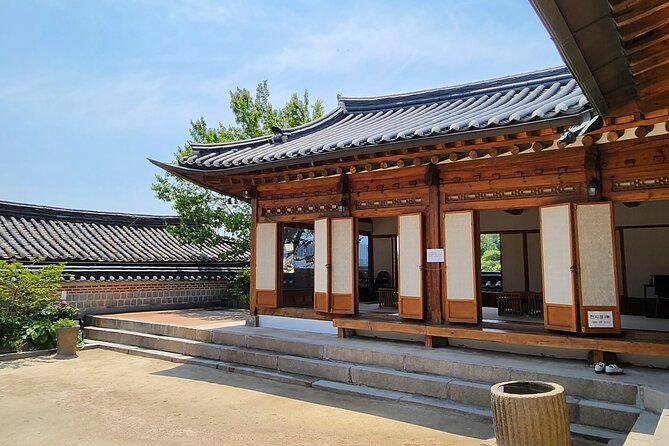
Bukchon Hanok Village is the right opening act. As you walk through the area, you’ll see traditional houses alongside smaller workshops and shops tucked into the neighborhood. It’s the kind of place where food makes more sense because you can connect it to daily life and the spaces people actually inhabited.
This stop also helps you get your bearings fast. Instead of going straight into a restaurant with zero context, you start with the neighborhood’s visual language: hanok architecture, old pathways, and how the area is organized for foot traffic. That matters because later, when the guide recommends specific foods, you’ll feel like you understand where you are.
A practical note: this is a walking-heavy start, and Bukchon streets can take you uphill or unevenly. If your legs are sensitive, plan to keep a steady pace and bring shoes that won’t slow you down.
House of Baek Inje: A Hanok Around 1900 (Not a Generic Photo Stop)
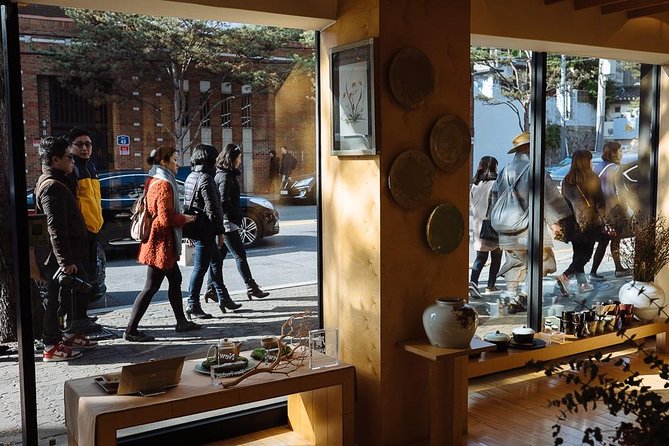
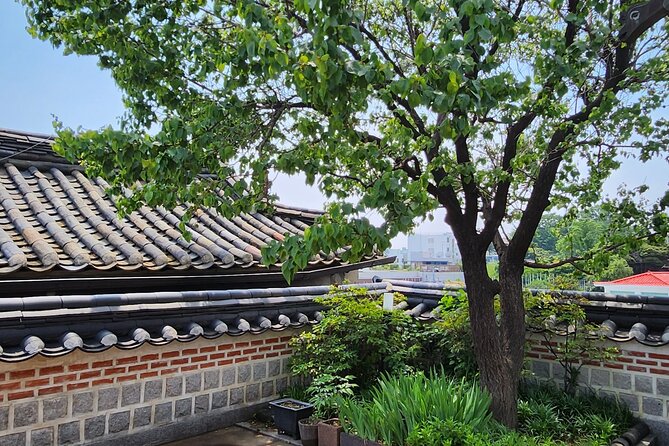
The House of Baek Inje adds a more focused layer. Built around 1900, it’s a preserved hanok with preservation value and is tied to the “best technology of its time” idea—so you’re not just looking at a pretty old house. You’re seeing how people designed living spaces using the practical tools available then.
The vibe here feels quieter than a typical sightseeing lane. It’s short—about 30 minutes—but it gives you something useful: a clearer sense of why hanoks are so valued. You also get a story arc about how the building functioned as the home of a powerful family at the time, which helps you understand what “heritage house” really means in Seoul.
I like this stop because it breaks the pattern of food tours that only talk about what’s on the plate. You get context for how tradition survives in the built environment—then your lunch lands with more meaning.
Yun Bo-seon Birthplace: Rare Hanok Space in Modern Seoul
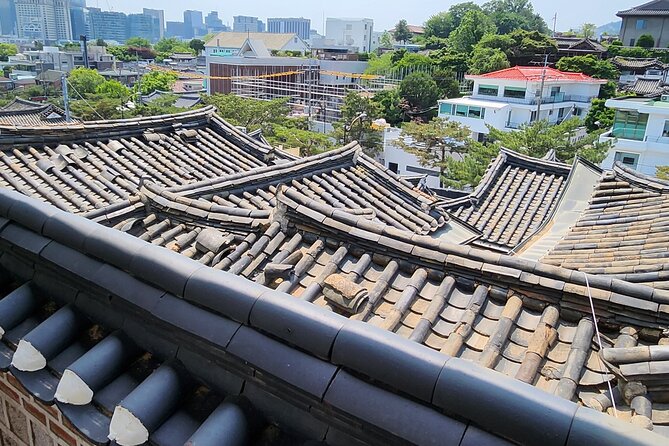
The tour’s third stop shifts to the birthplace of Korea’s second president, Yun Bo-seon. It’s known for being a well-built hanok mansion that’s rare in Seoul, and it’s described as being large for this kind of traditional property.
One of the most interesting angles here is that it’s still lived in—your guide can point out that a granddaughter-in-law currently lives there and the home is maintained. That turns the experience from “museum mode” into something more human-scale. You’re not only seeing the architecture; you’re seeing how tradition continues with real caretakers.
For food lovers, this stop works because it reinforces a theme: Korean cuisine is deeply tied to home life, household roles, and the idea of food as something personal, not just entertainment. You’ll feel that more once lunch starts.
Lunch in a Hanok House: Included, Traditional, and Actually Filling
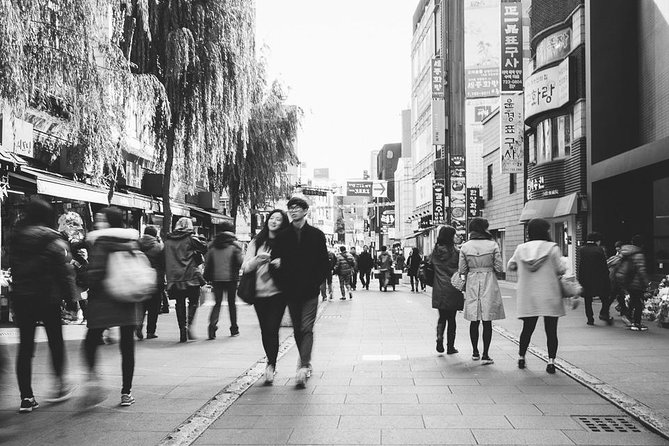
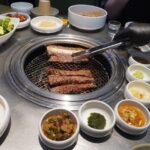
Lunch is the core value driver here. The tour includes lunch at a Traditional Korean House called a hanok, with authentic traditional Korean dishes prepared there. Coffee and/or tea are also included, which is a small detail that adds up—by the time you leave, you’re not spending extra money just to stay comfortably fueled.
This is also one of those meals that changes how you eat later in Seoul. When your guide explains what’s served and how it’s meant to be eaten, you’re more likely to pick similar dishes on your own. One standout point from the experience is that the sit-down lunch can land in a top-tier restaurant setting—so you may get a pleasant surprise beyond the expectation of a simple group meal.
And it’s not just about the main meal. After lunch, you can expect a walk to something sweet—there’s typically a street-food dessert moment that’s described as freshly made. That’s a smart way to balance savory and sweet without turning the whole tour into a sugar scavenger hunt.
Alcohol isn’t included (you can purchase it separately if you want), so the tour keeps the focus on food and tea rather than turning into a late-night drinking plan.


How the Guide Helps You Eat Confidently (Veronica’s Impact)
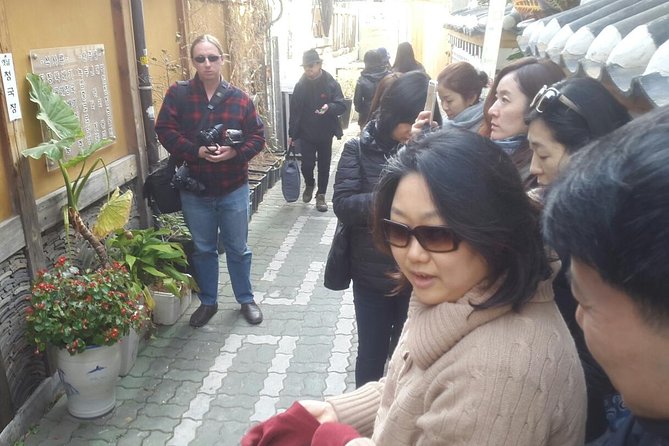
The guide is the glue that makes this tour more than a route. Many food experiences fail because language barriers leave you guessing. Here, the guide helps you interpret what you’re ordering and gives personalized recommendations based on what you like and what’s best at the moment.
Veronica is specifically mentioned in standout feedback for being friendly and very good at connecting food to culture. The result is that you don’t just hear facts—you get practical context like what different dishes represent and how Korean eating etiquette works in real settings.
I also appreciate the kind of exchange that tends to happen on this tour: you learn enough to make smarter choices afterward. One review even notes that Veronica promised to send fermentation recipes, which is the sort of detail that makes food tours stick in your brain long after you’re back in your hotel.
If you’re the type who likes to ask questions and then apply the answers later, this format fits you well.
Timing, Walking, and Weather: The Real-World Plan
This tour runs for about 3 hours and starts at 1:00 pm. It ends back at the meeting point, so you’re not left navigating your own way after lunch.
The group size stays small—up to 12 people—which helps the pacing. You’re walking around Bukchon and taking in multiple stops, so moderate fitness is the right expectation. Comfortable walking shoes matter more here than most food tours, because the neighborhood isn’t built for slow, flat stroller movement.
It operates in all weather conditions, so treat the forecast seriously. If it’s raining, keep a light rain layer handy. If it’s hot, plan hydration and consider a hat or umbrella. The tour isn’t designed to disappear if the sky changes.
Where You Meet: Anguk-dong, Jongno District
You’ll meet at 164-6 Anguk-dong, Jongno District, Seoul. The location is listed as near public transportation, so you’re not forced to rely on taxis just to start.
You’ll also receive a mobile ticket, which makes check-in simpler once you arrive. This matters because Seoul can be busy, and the easier the start, the more relaxed your food walk feels.
Price and Value: Does $120 Really Add Up?
At $120 per person, the question isn’t just what you see—it’s what you get folded into that price. Here, the value comes from three bundled pieces:
- A professional guide who helps you navigate language and ordering
- Lunch included in a traditional hanok house setting
- Coffee and/or tea included, so you’re not constantly buying “little extras”
That’s why it’s usually worth it for first-timers. If you were to recreate this day on your own, you’d likely pay for guide time, then still spend time guessing at what to order and where to go for a proper traditional meal. Even if you later add snacks and dessert yourself, having the structured meal and expert direction reduces wasted calories and wasted effort.
Also, with stops that include free admission tickets for at least the Bukchon Hanok Village and House of Baek Inje segments, you’re not hit with extra entrance fees during the walk.
Who Should Book This Tour (and Who Might Skip It)
This tour is a great fit if:
- You’re visiting Seoul for the first time and want a food-focused introduction
- You’d rather walk a curated route than wing it with translation apps
- You care about traditional Korean culture, not only trendy restaurant picks
- You want a meal that’s included and worth the price
You might skip it if you:
- Want a long, market-style “stay out for hours” food crawl
- Prefer a completely self-guided schedule with no walking stops
- Have very limited mobility, since the tour involves walking in the Bukchon area
Should You Book Traditional Gourmet in Seoul?
I’d book it if you want the fastest path to understanding Korean food in a way that sticks. You get the hanok setting, you eat an included traditional lunch, and you travel with a guide who helps you avoid the language trap. That combination is exactly what makes a short 3-hour tour feel more substantial than it sounds.
If you’re on the fence, think about your priorities. If your goal is confidence—knowing what to order, why it matters, and how to keep eating well after the tour—this one is a strong match. If your goal is maximum free time and you hate structured walking routes, look for something more flexible.
FAQ
How long is the Traditional Gourmet tour in Seoul?
It runs for about 3 hours.
What is included in the $120 per person price?
The tour includes a professional guide, lunch (traditional Korean dishes prepared in a hanok), and coffee and/or tea.
Is there a vegetarian option?
Yes. A vegetarian option is available—advise the provider at the time of booking.
Do I need to speak Korean to enjoy the tour?
No. The tour is designed to help you overcome the language barrier with personalized recommendations from the guide.
Is alcohol included?
No. Alcoholic drinks are not included, but they can be purchased separately.
How big is the group?
The booking is capped at a maximum of 12 people.
Where does the tour start and end?
It starts at 164-6 Anguk-dong, Jongno District, Seoul, and ends back at the same meeting point.
What is the cancellation policy?
You can cancel for a full refund up to 24 hours before the experience starts. If you cancel less than 24 hours in advance, the amount paid is not refunded.
Can a solo traveler join?
There’s a minimum of 2 people required per booking. Solo travelers should contact the provider individually.