REVIEW · SEOUL
Seoul: Small-Group DMZ Tour with North Korea Experience Hall
Book on GetYourGuide →Operated by Seoul N Tour · Bookable on GetYourGuide
One day, two Koreas, one uneasy border.
This DMZ tour is a long day (about 8–10 hours) that balances scenic overlooks with a serious, human look at how life behind the line works, highlighted by the North Korea Experience Hall and defector storytelling. I also like how it’s designed for real understanding, not just check-the-box photos, with guided interpretation at multiple stops.
My second big reason to recommend it: the guides. On past departures, English-speaking guides like Mr. Young, Sookhee, BK, and Junie have a knack for turning heavy material into something you can actually follow, with pacing that keeps the day moving without feeling rushed. That matters on this kind of tour.
One possible drawback: the day can include time in places where you’ll walk, ride, and sometimes handle stairs or uneven ground. If you’re sensitive to claustrophobia (the tunnel is part of the standard route) or you’re uncomfortable with heights, you’ll want to think hard before booking.
In This Review
- Key highlights worth your attention
- Is This DMZ Tour Worth $55 From Seoul?
- Signature vs Special Route: The DMZ Is Not One Fixed Script
- Signature Course (Tuesday to Sunday)
- Special Course (Mondays, Public holidays, or when Third Tunnel and Dora Observatory are closed)
- Pickup and Start Time: How to Avoid the Usual Seoul Chaos
- Imjingak Park and Freedom Bridge: The View That Explains Everything
- DMZ Zone and the Practical Meaning of Guided Time
- North Korea Experience Hall: Defector Stories That Put Faces on the Facts
- Third Tunnel of Aggression: When the DMZ Becomes Physical
- Dora Observatory and Unification Village: Seeing the Other Side Through People’s Lens
- Gamaksan Suspension Bridge: The Air Changes, the Day Still Hits
- How Guides Like Mr. Young, Sookhee, BK, and Junie Shape the Whole Day
- Who Should Book This Tour, and Who Should Skip It
- Practical Tips: What to Bring and How to Prepare
- Should You Book This DMZ Tour With North Korea Experience Hall?
- FAQ
- What is the duration of this DMZ tour from Seoul?
- How much does the tour cost?
- Is the JSA included?
- Do both routes include the North Korea Experience Hall?
- What’s the difference between the Signature and Special course days?
- Does this DMZ tour run year-round?
- What’s required to join?
- Are there restrictions on what I can wear or bring?
- Is the tour suitable for wheelchair users or walkers?
- Can I cancel for a refund?
Key highlights worth your attention
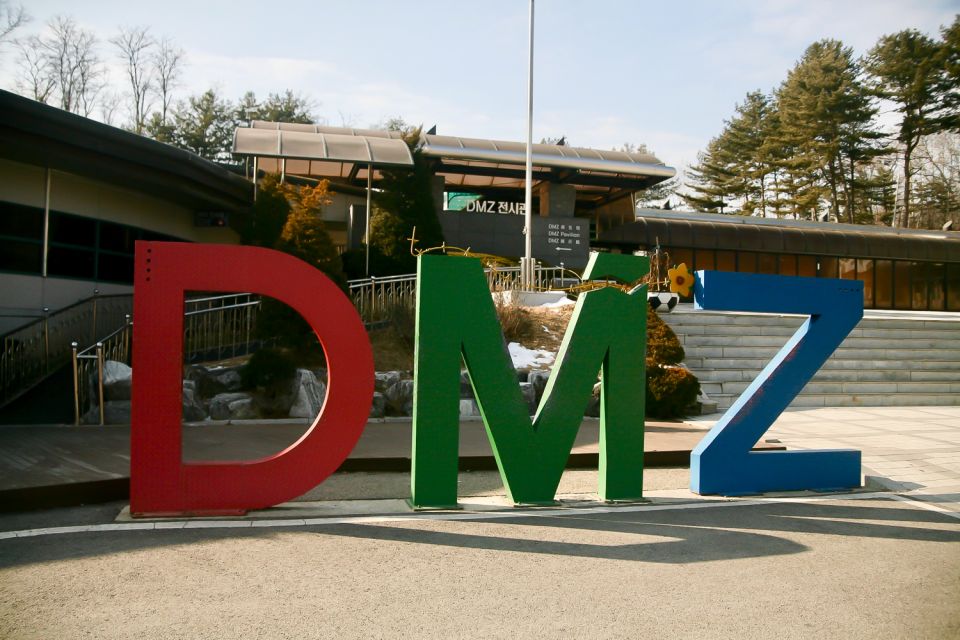
- North Korea Experience Hall with guided context and defector testimonies
- Imjingak Park and Freedom Bridge for perspective on division and distance
- Third Tunnel of Aggression (Signature route) for a hands-on, sobering experience
- Dora Observatory and Unification Village (Signature route) for how people imagine the other side
- Gamaksan Suspension Bridge for fresh air and a break from the heavier stops
- Small-group feel that helps you get questions answered and see things without constant crowding
Is This DMZ Tour Worth $55 From Seoul?
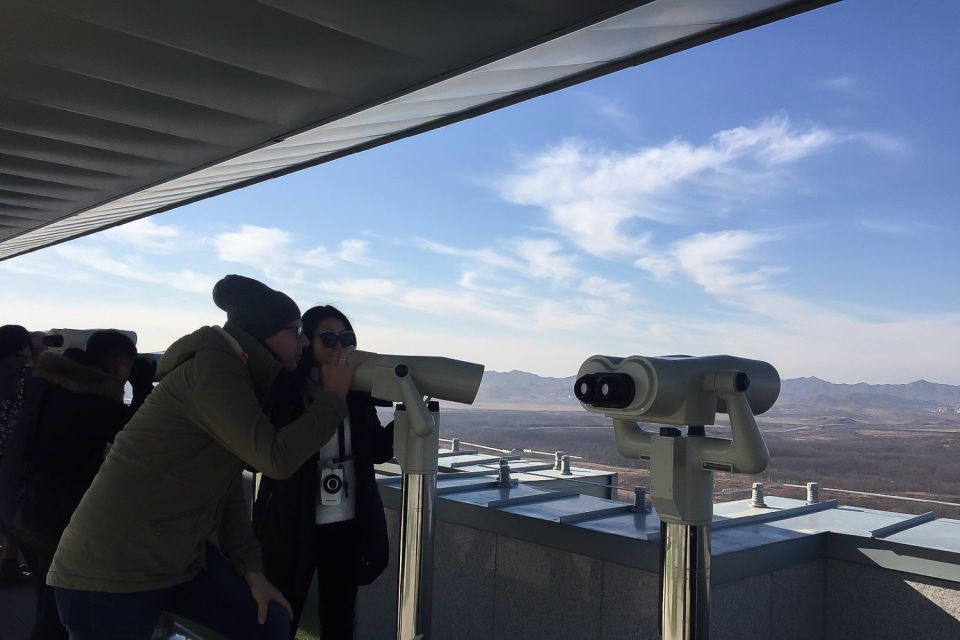
At around $55 per person for an 8–10 hour outing, this is one of those prices that feels almost too reasonable for what you get. You’re not just being driven somewhere. You’re getting a full-day structure: transportation, a live guide, and entry fees are built in, which keeps costs simple when you’re comparing other day trips.
You should also know what you are not getting. This tour does not include the JSA (Joint Security Area). If JSA is your must-see, you’ll need a different option. But if your goal is to understand the DMZ’s story through multiple sites plus the North Korea Experience Hall, the value is strong.
The other value lever is time. You leave Seoul in the morning and return after a full circuit. That matters because the DMZ area is spread out, and the day is paced with guided blocks (not just free time).
You can also read our reviews of more tours and experiences in Seoul.
Signature vs Special Route: The DMZ Is Not One Fixed Script
This is a 365-day operation, so you can join on many days throughout the year. The route depends on the weekday and on whether certain sites are open.
Signature Course (Tuesday to Sunday)
This is the most complete version. It typically includes:
- North Korea Experience Hall
- Imjingak Park
- Dora Observatory
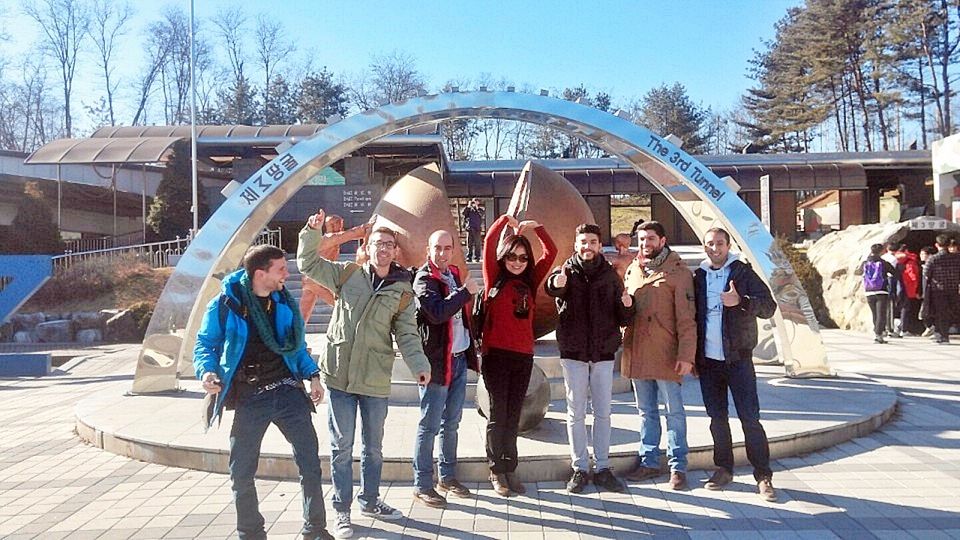
- The Third Tunnel
- Suspension Bridge
Special Course (Mondays, Public holidays, or when Third Tunnel and Dora Observatory are closed)
When those sites aren’t available, you still get key DMZ viewpoints and interpretation, with stops such as:
- North Korea Experience Hall
- Imjingak Park
- DMZ Peace Gondola
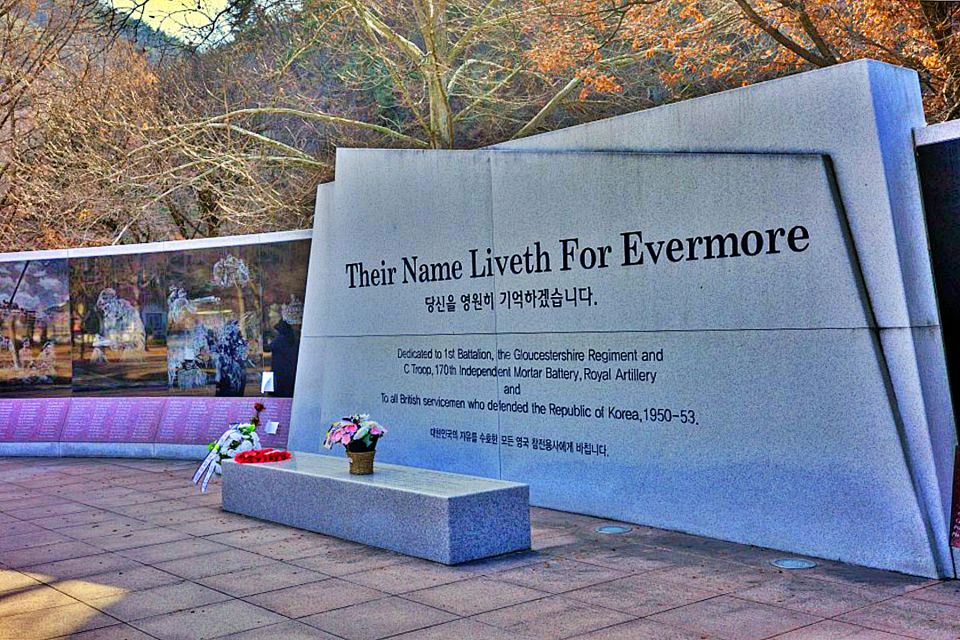
- Gloster Hill Memorial Park
- Suspension Bridge
What I like about this setup is that it prevents the common problem with DMZ trips: you don’t just show up and hope. Even when a major site is closed, you still get a meaningful route rather than a shortened day.
Pickup and Start Time: How to Avoid the Usual Seoul Chaos
You’ll have multiple pickup options around Seoul, which is helpful when you’re staying outside the classic tourist grid. The tour uses select subway stations and some hotels, and pickup is handled from six locations.
Important detail that can save you stress: the time shown on your voucher isn’t the exact pickup time. The provider emails the precise pickup time and meeting point about one day before. If you don’t see it in your inbox, check spam. Doing that once will make the morning go smoothly.
Plan for a full day, not a quick sightseeing pop-out. The tour includes bus/coach travel segments, and those transit stretches are part of how the guide layers context between stops.

Imjingak Park and Freedom Bridge: The View That Explains Everything
Imjingak Park is where the division starts to feel real, even if you’ve read about it before. You’ll get about one hour of free time, which is useful. It lets you step away from the guide’s narration for a while and simply look: take in the area, notice the viewpoints, and let the scale sink in.
Then you continue to Freedom Bridge for sightseeing. This isn’t a stop where you rush through. It’s a perspective moment. You’re standing in a place designed around the idea of connection and separation at the same time, and that’s the emotional theme of the DMZ.
From there, you move into Mangbaedan for a guided segment, and it helps to treat that time like a story beat, not like another checkbox. The guide ties each location together, so you understand why it’s here and what people associate with it.
One practical note: the day includes walking and outdoor time. If weather turns, you’ll feel it more than in a museum. Comfortable shoes are not optional.
DMZ Zone and the Practical Meaning of Guided Time
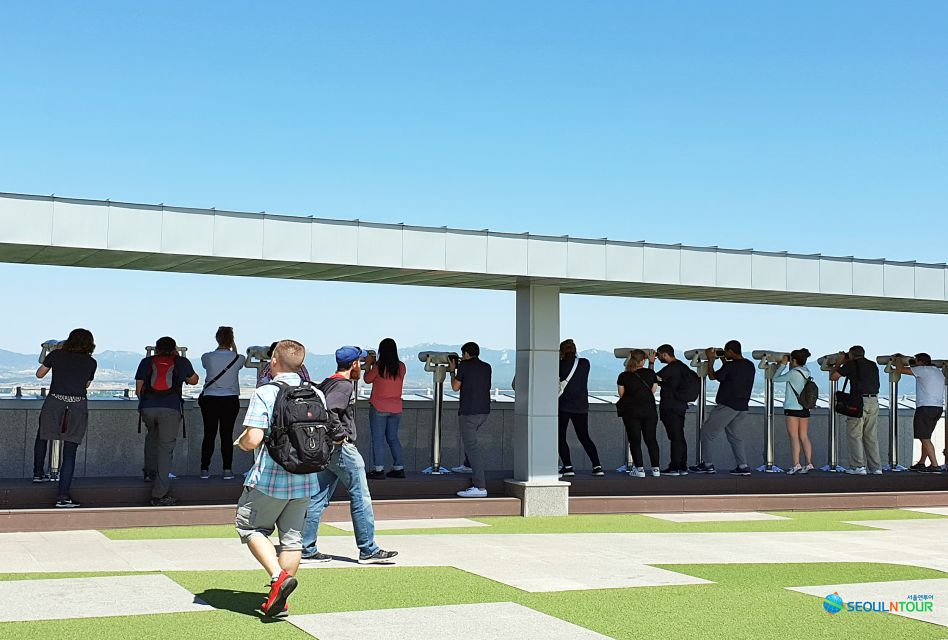
At the heart of the day, you’ll have a guided tour (about 2 hours) in the DMZ zone. This is the time when structure matters most.
Without guidance, DMZ stops can feel like a set of view platforms. With guidance, the day becomes a timeline and a set of explanations: what happened, what changed, and what still shapes everyday life across the border.
This is also where the “small-group” factor can help. When you have fewer people, you can ask follow-up questions and you’re less likely to lose the guide every time the group shifts position.
North Korea Experience Hall: Defector Stories That Put Faces on the Facts
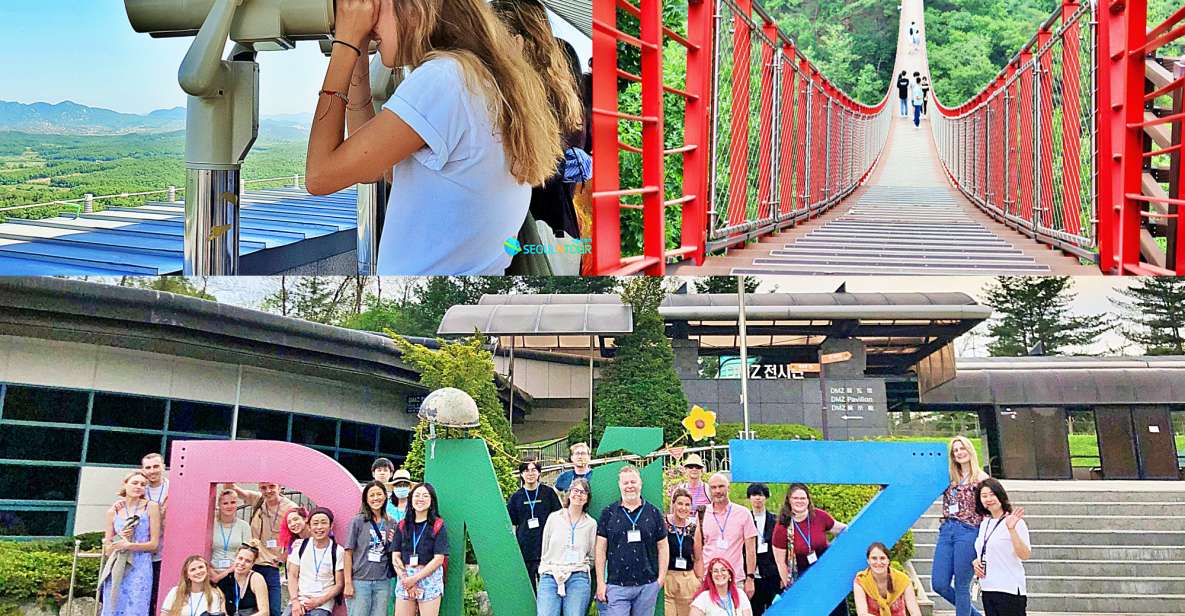
The North Korea Experience Hall is the emotional center of this tour. The whole concept is built around storytelling and interpretation, including a defector’s story.
What I like about this stop is that it doesn’t stay academic. The guide connects the dots between political decisions and human experience. You’re not just learning about a system; you’re hearing about how it feels to live in it.
It’s also handled with guided interpretation, which matters for a topic this heavy. The guide’s job here is to give you enough context to understand what you’re seeing and hearing without turning it into sensational content.
If you want the DMZ experience to feel like more than scenery, this is the place that makes it click. And it’s also the part you’ll remember long after the photos fade.
Third Tunnel of Aggression: When the DMZ Becomes Physical
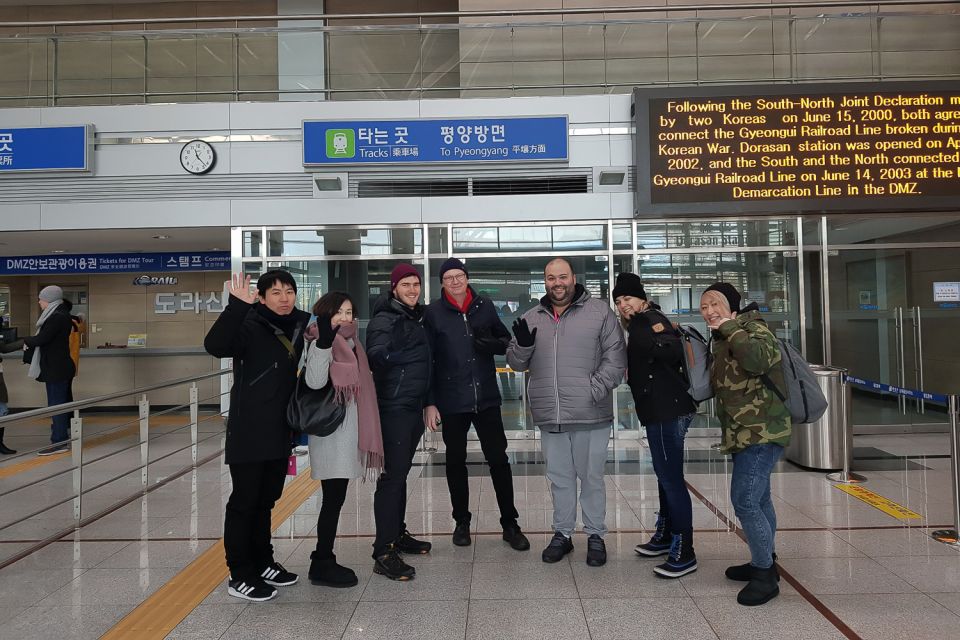
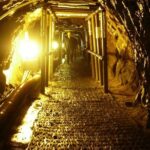
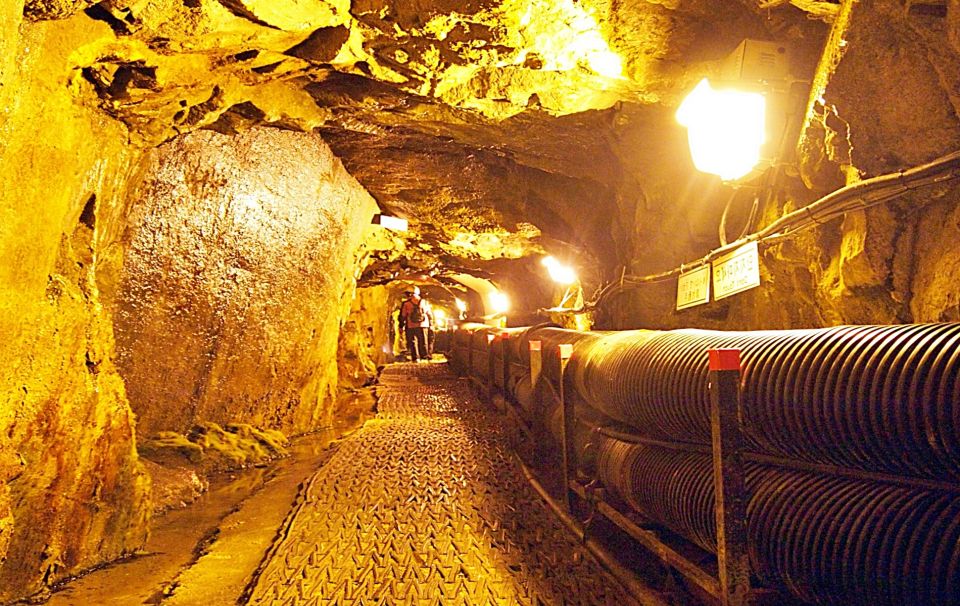
The Third Tunnel of Aggression is part of the Signature route, with about a one-hour guided tour.
This stop is a different kind of experience. It’s not about looking from afar. It’s about confronting what conflict planning can do when it gets practical. Because it’s a tunnel, you should consider it only if you’re comfortable with enclosed spaces.
If you have claustrophobia, this may be a deal-breaker. The tour is designed for people who can handle that kind of physical setting. The guide and the route also depend on safe movement, so follow instructions closely.
If you’re visiting with friends or family, this is a good point to align expectations: the tunnel is where the tone of the day shifts toward the most physical, most sobering imagery.
Dora Observatory and Unification Village: Seeing the Other Side Through People’s Lens
On the Signature route, you’ll visit Dora Observatory for a guided session (about 40 minutes) and then Unification Village for around 30 minutes.
This pairing works well because it shows two ways humans think about the divide:
- Dora Observatory is about lines of sight and what people believe those views represent.
- Unification Village is about the idea of separation turning into daily life, dreams, and planning.
You don’t just watch from a platform. You listen to how the guide frames what you’re seeing and what people hoped would change.
On the Special route, when Dora Observatory isn’t available, you’ll instead get other stops such as DMZ Peace Gondola and Gloster Hill Memorial Park. That gives you a similar “meaning through place” experience, even if you don’t enter every signature site.
Gamaksan Suspension Bridge: The Air Changes, the Day Still Hits
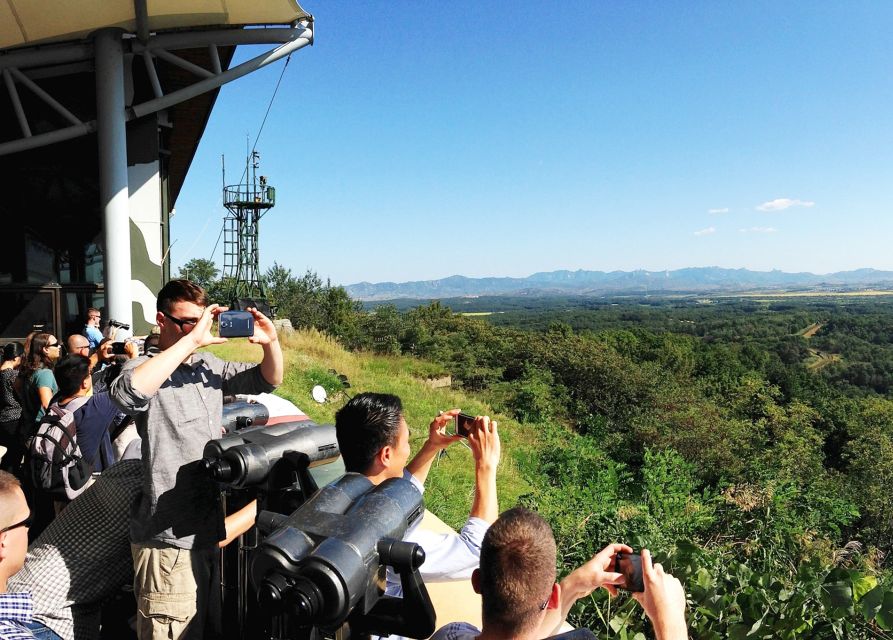
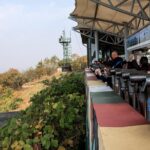
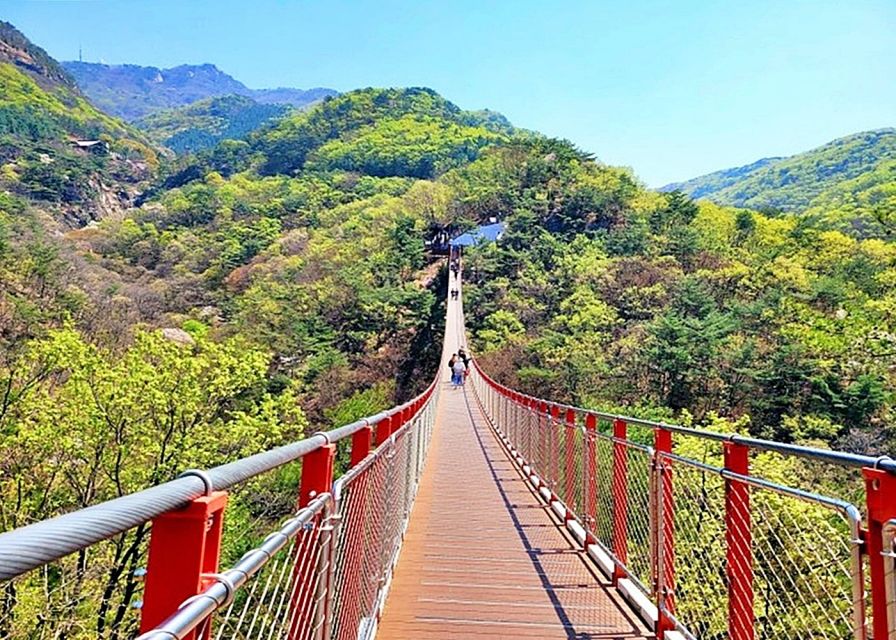
Near the end of the trip, you’ll reach Gamaksan Suspension Bridge for a visit and walk. This is a welcome shift. After hours of heavy subject matter, getting outdoors in mountain air helps reset your brain.
It also gives you a chance to breathe and take photos. The bridge itself is part of the tone of the day: it’s a literal crossing over a dramatic gap.
Here’s the heads-up that can matter in real life. Some seasonal days bring snow or rain, and that can make the bridge and the approach slippery. If you’re traveling in colder months, bring shoes with good grip and go slow. The DMZ day is long; you want to stay steady.
How Guides Like Mr. Young, Sookhee, BK, and Junie Shape the Whole Day
A lot of DMZ tours exist. What makes this one feel different is how the guide handles the story.
On past departures, guides such as Mr. Young and Sookhee have been praised for:
- strong English delivery
- the ability to explain complex events clearly and sensitively
- pacing that keeps you on schedule without speeding past key points
- humor that lightens the emotional load at appropriate moments
- photo support and extra attention when weather affects visibility
There’s also a subtle skill in the best DMZ guides: knowing when to move the group to a quieter spot so you can see and understand without a crowd blocking your view.
If you care about getting meaning out of the day, this guide-led storytelling is a major part of the value.
Who Should Book This Tour, and Who Should Skip It
This tour is not for every body or every comfort level.
It’s not recommended if you’re pregnant or dealing with serious medical conditions. It’s also listed as unsuitable for people with:
- back problems
- claustrophobia
- heart problems
- respiratory issues
- high blood pressure
- fear of heights
- people over 75 years
And you should know the movement style before you book. The tour is not available for wheelchair users or walkers, and it restricts items like walking sticks.
So who is it best for? If you’re healthy enough for a long day and you can handle enclosed spaces (or you’re on a Special route that avoids the tunnel), you’ll likely find it powerful and worthwhile. If you want JSA specifically, look elsewhere.
Practical Tips: What to Bring and How to Prepare
Bring a passport. This trip requires it. Also bring comfortable shoes you trust for long walking and outdoor weather.
The tour also has clear restrictions:
- No high-heeled shoes
- No sandals or flip-flops
- No pets
- No alcohol or drugs
- No walking frames
- No military-style clothing
- Follow the tour guide’s instructions at all times
For clothing and gear, think practical over stylish. You’ll be outside, you’ll walk, and you’ll want stable footing for the suspension bridge. A small day bag with water helps, but the tour details here focus on the big safety items above.
Should You Book This DMZ Tour With North Korea Experience Hall?
If you want a structured, guided DMZ day from Seoul that includes the most story-driven stop (the North Korea Experience Hall), this is a strong option. The combination of Imjingak Park + Freedom Bridge, the guided DMZ zone time, and the hands-on stops like the Third Tunnel (on Signature days) gives you both perspective and a more human understanding of what the border really means.
I’d book it if:
- you want the defector-focused North Korea Experience Hall experience
- you’re okay with a long day and guided walking
- you want a route that runs across most of the year (365 days)
I’d skip or reconsider if:
- you need JSA included
- you’re uncomfortable with enclosed spaces or heights
- you have medical constraints listed as not suitable
- you can’t manage long outdoor walking and transit
FAQ
What is the duration of this DMZ tour from Seoul?
The tour runs about 8 to 10 hours.
How much does the tour cost?
It’s listed at $55 per person.
Is the JSA included?
No. This tour does not include a visit to the JSA (Joint Security Area).
Do both routes include the North Korea Experience Hall?
Yes. Both the Signature and Special courses include the North Korea Experience Hall.
What’s the difference between the Signature and Special course days?
The Signature course operates Tuesday to Sunday and includes stops such as Dora Observatory and The Third Tunnel.
The Special course operates Mondays and Public holidays (or when Third Tunnel and Dora Observatory are closed) and swaps in options like DMZ Peace Gondola and Gloster Hill Memorial Park.
Does this DMZ tour run year-round?
Yes. It operates year-round and you can join available schedules on the day.
What’s required to join?
You’ll need a passport and comfortable shoes.
Are there restrictions on what I can wear or bring?
Yes. The tour does not allow high-heeled shoes, sandals/flip-flops, pets, alcohol and drugs, and some mobility aids. You also need to follow the guide’s instructions.
Is the tour suitable for wheelchair users or walkers?
No. It is stated as not available for participants with a wheelchair or walker.
Can I cancel for a refund?
Yes. It offers free cancellation up to 24 hours in advance for a full refund.
If you tell me your travel month and whether you’re more interested in the tunnel/Dora stops or you want the Monday/Public-holiday version, I can help you choose the best day and course.