REVIEW · SEOUL
Seoul: DMZ, Gyeongbokgung Palace & City Tour
Book on GetYourGuide →Operated by Cosmojin Tour Consulting · Bookable on GetYourGuide
A short ride turns Seoul into history. In one day, you’ll pair the DMZ with Gyeongbok Palace, with a guide who can explain what the world sees from a safe distance and what Koreans still feel up close. It’s not just a photo stop; it’s a structured way to understand how the peninsula’s split shaped daily life, borders, and politics.
What I really like is the level of guidance. You don’t just “watch” the DMZ; you’re there with a military tourist guide, and that changes the tone from curiosity to clarity. I also appreciate how the day is built around the DMZ’s main sights—especially the Third Tunnel Experience plus the observatory and war-focused exhibits—so you leave with a full picture, not a handful of highlights.
One consideration: it’s a long, early start day with strict rules. You’ll need a valid passport, you’ll be on an authorized bus, and you should wear sneakers (no sandals or slippers), which means your feet will do most of the work.
In This Review
- Key highlights worth planning for
- One long day from Seoul: what 10 hours feels like
- DMZ rules, real access, and why you should take them seriously
- Third Tunnel Experience: the invasion idea shown in physical form
- Observatory views and the War History Pavilion in the same arc
- Imjingak: where the emotional weight catches up
- Gyeongbok Palace: royal rooms explained as real-world management
- Price and logistics: is $110 worth it for a full-day DMZ + palace tour?
- Who should book this and who should skip it
- Practical tips that actually help on this day
- Should you book this Seoul DMZ and Gyeongbok Palace tour?
- FAQ
- What is the meeting point and start time?
- How long is the tour?
- What do I need to bring?
- Is lunch included?
- What happens if there is an unannounced military training or official event in the DMZ?
- Is this tour wheelchair accessible?
Key highlights worth planning for
- Military-style context at the DMZ with security specialists as guides
- Third Tunnel Experience that was designed as an invasion route using tanks
- An observatory view where you can see North Korean residents from designated areas
- War History Pavilion + a history exhibition center that connects past, present, and future
- Gyeongbok Palace explained as real “operations” rather than a silent royal museum
One long day from Seoul: what 10 hours feels like
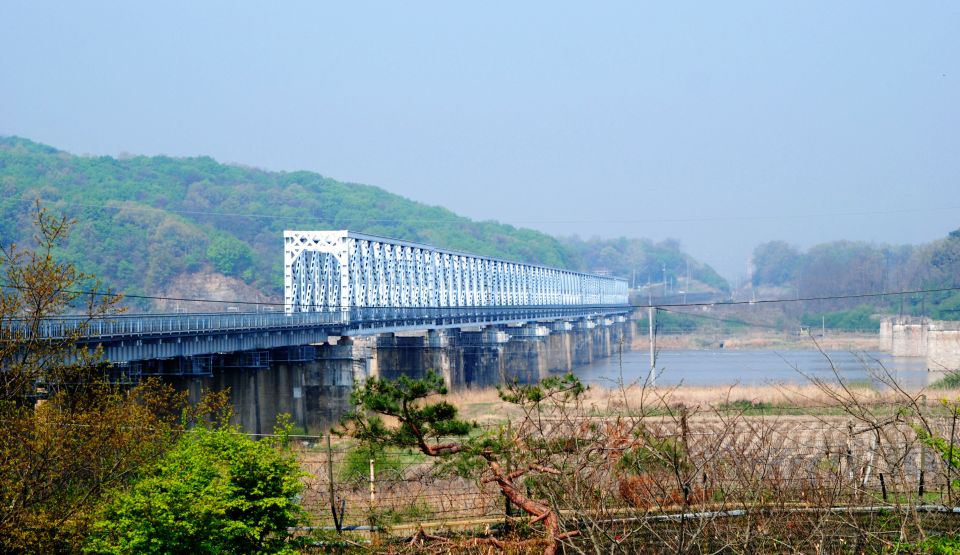
This tour is built for people who want a DMZ day without having to stitch together tickets, transportation, and interpretation. You’ll start with a 7:30AM meeting point at Exit 7 of City Hall Station, and you’ll be moving between major sites using a shuttle/coach setup.
In practice, that means you’re trading freedom for structure. You’ll get access to the big DMZ stops in one organized sweep, plus a palace visit in the same day. The tradeoff is you’ll follow timing closely and you won’t drift off for extra detours.
You also get hotel convenience: hotel pickup and drop-off are included (if you choose pickup). That matters because the DMZ day has enough moving pieces already, and it’s easier when you aren’t trying to figure out Seoul transit at dawn.
You can also read our reviews of more city tours in Seoul

DMZ rules, real access, and why you should take them seriously
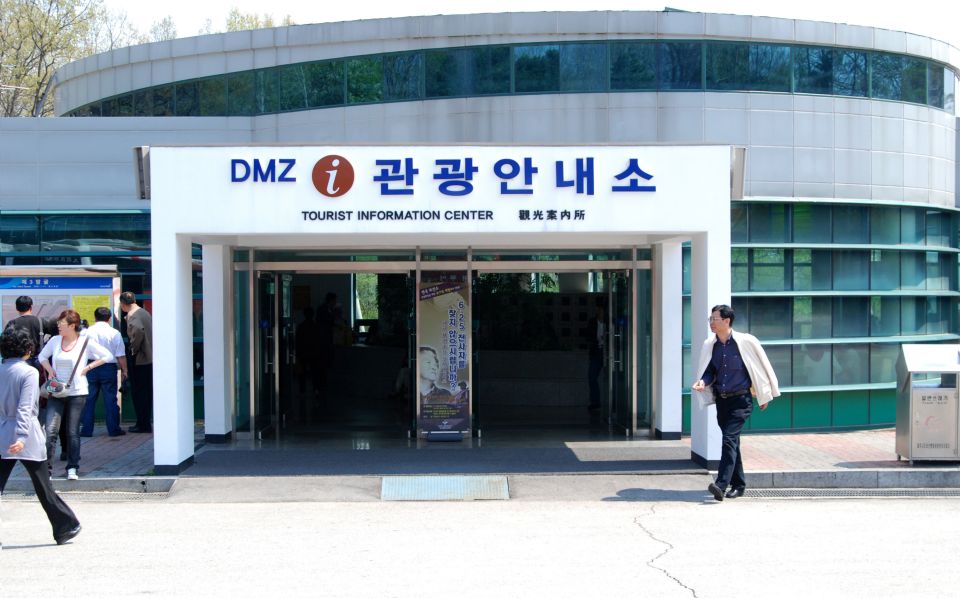
The DMZ isn’t like a normal sightseeing zone. Your tour includes an English-speaking professional security specialist guide plus entry to the DMZ area, and you’ll move using the authorized bus. That isn’t just paperwork—it affects how you experience the day, since the schedule and photo timing rules are part of the system.
A few practical things to know before you go:
- Bring a current valid passport. The day-of requirement is explicit.
- Wear sneakers. No sandals or slippers.
- Expect a time-based photo regulation connected to your authorized transportation.
- Follow the guide’s instructions closely; the DMZ is a controlled environment.
There’s also a built-in “reality check” for how official the area can be. If there’s an unannounced military training or official event in the DMZ, the tour you booked will be replaced with a different route that still covers unification-related sites (Tomorrow’s Whistle-Bunker Beat 131, Odusan Unification Tower, and the War Memorial of Korea). That replacement option is worth mentally planning for: you’re still getting a history-and-unification day, but the specific DMZ stops may shift.
Finally, this tour isn’t suitable for wheelchair users. If mobility is a concern, you’ll want to look for another option.
Third Tunnel Experience: the invasion idea shown in physical form
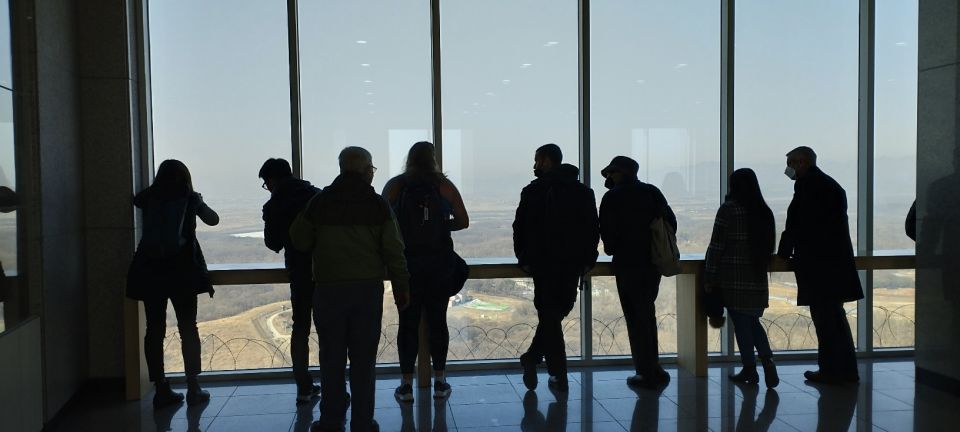
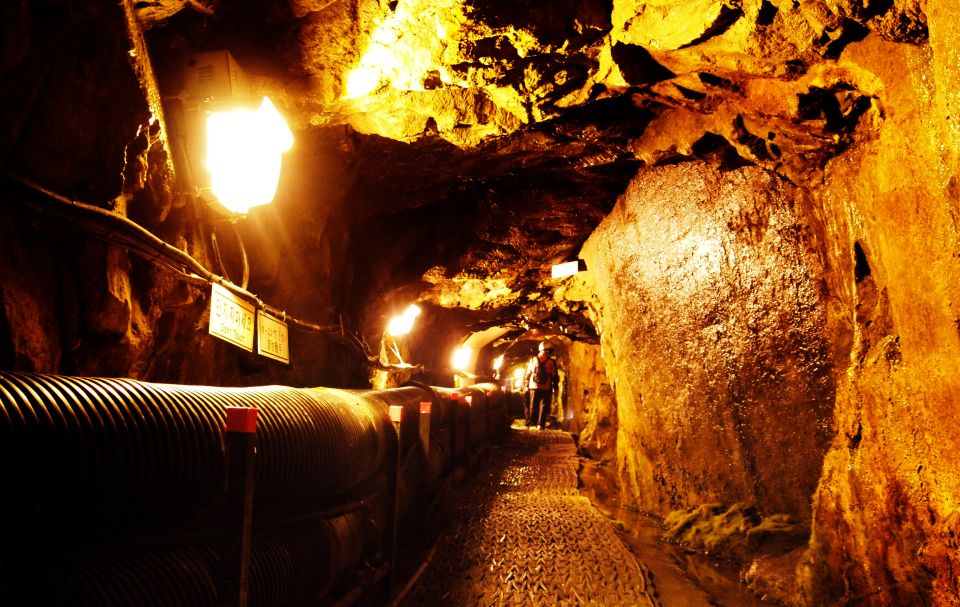
One of the most striking DMZ stops on this kind of day is the Third Tunnel Experience. The key detail is right in the name: this tunnel was designed as part of a plan to invade South Korea using tanks.
Even without getting lost in technical history, that concept does something important. It makes the peninsula’s division feel less abstract. You’re not just hearing about tensions; you’re standing in the kind of infrastructure that shows how seriously both sides planned for conflict. It turns “geopolitics” into something concrete.
I like this stop because it gives you a cause-and-effect story: why the DMZ exists, why security matters, and how the conflict was imagined and prepared for. It also gives your brain something to anchor on when you move afterward to places focused on observation and exhibitions.
Observatory views and the War History Pavilion in the same arc
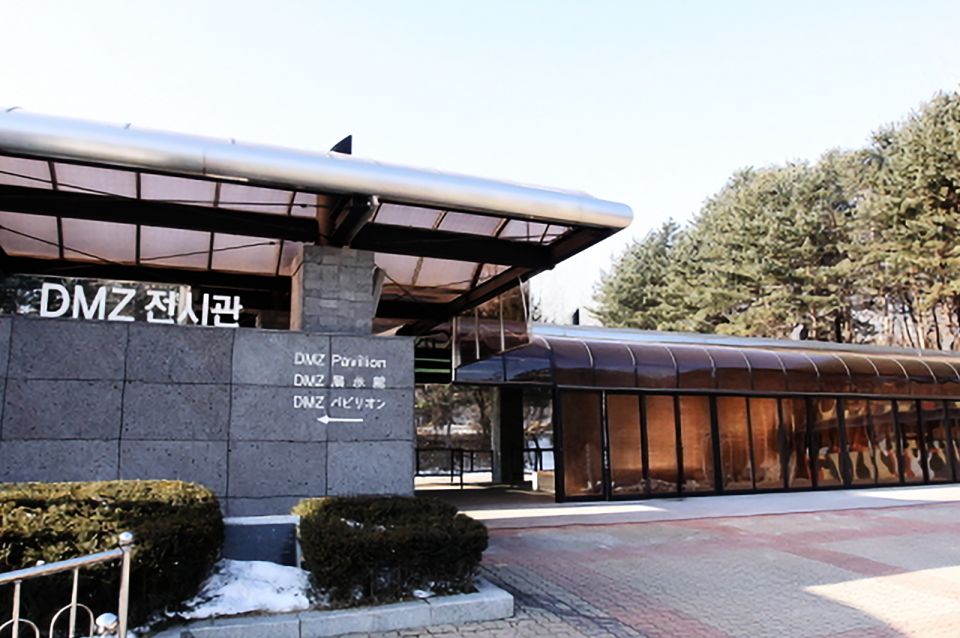
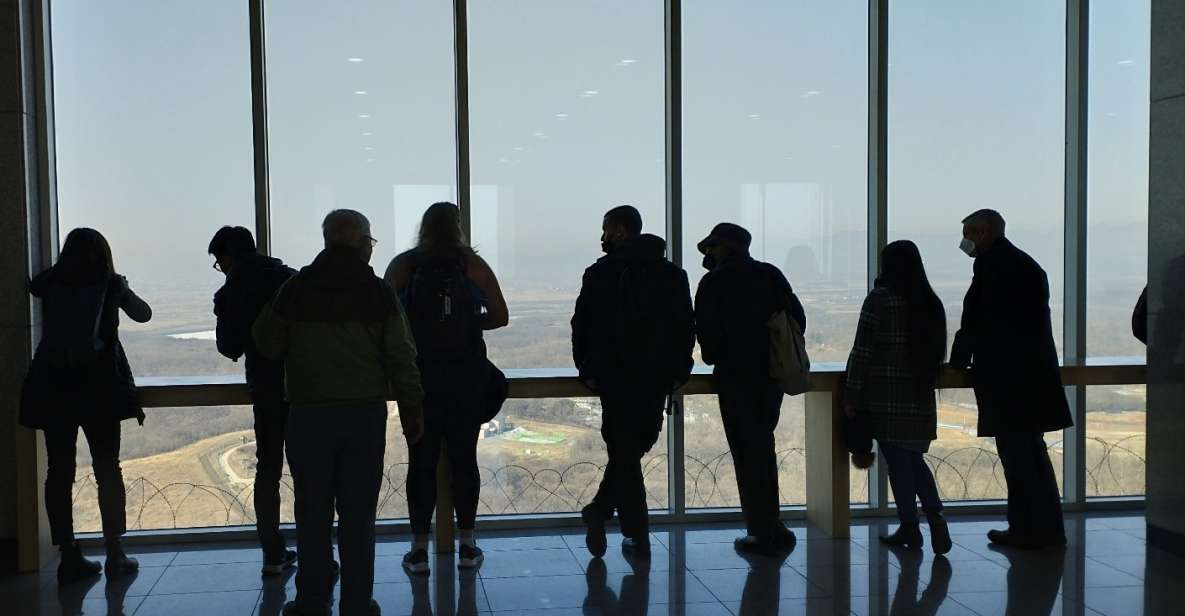
After the tunnel experience, you’ll head toward the areas that help you see the division and understand what it means. A major highlight here is the observatory, where you can view North Korean residents from the designated viewpoint area.
That’s one of those moments where the facts matter. The view is limited and controlled, and that’s exactly the point. You’re learning what’s possible to observe from safety rules, not trying to “game” access. For many people, that controlled visibility creates a stronger emotional response than a general museum explanation would.
Then you’ll continue into the War History Pavilion and a venue/exhibition center designed to explain the history of war. What I find valuable about this part is that it doesn’t keep you stuck in only the past. It’s built to show Korea’s past, present, and future—an approach that helps you understand why the DMZ remains such a central symbol even as South Korea has grown into a modern, globally connected society.
If you like context that connects big events to daily realities, this portion of the day is the bridge. The DMZ stops give you “what happened and how it was planned.” The pavilion and exhibits help you interpret “what it means now.”
Imjingak: where the emotional weight catches up
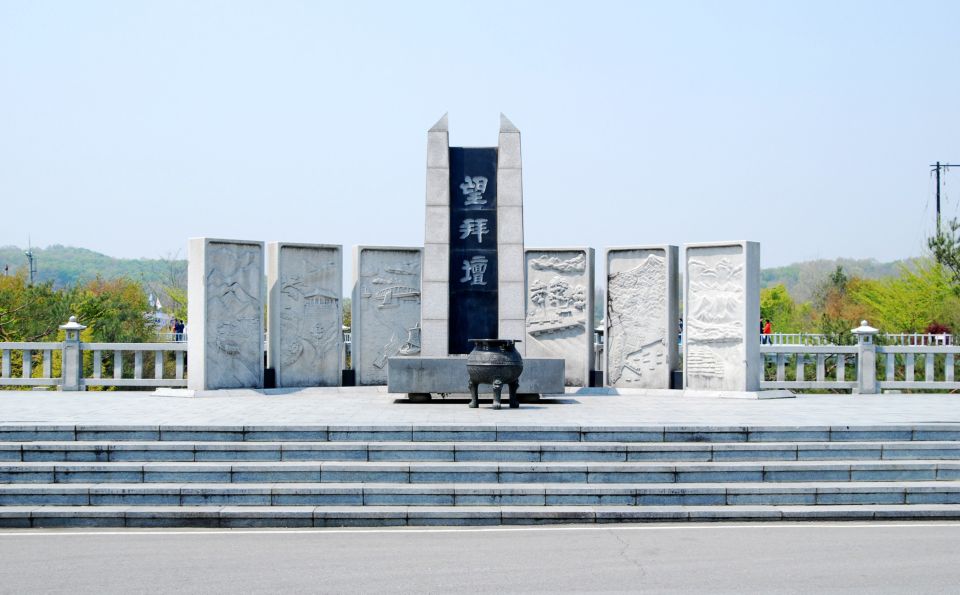
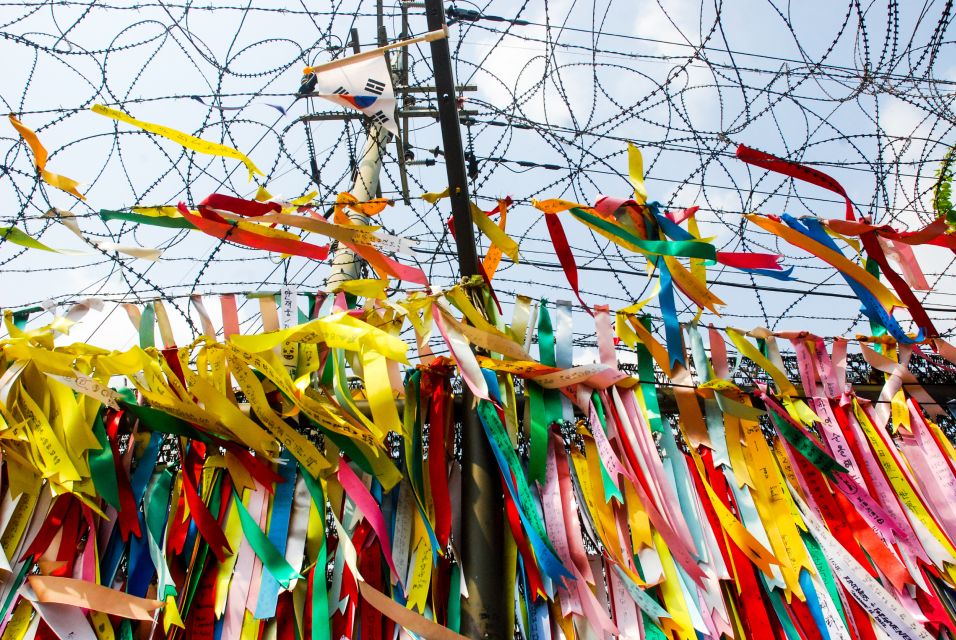
Imjingak is part of the DMZ area experience, and it tends to feel different from the tunnel and observation stops. If the other sites are about systems—security, infrastructure, visibility—Imjingak offers more of a pause. It’s a place where the division’s human impact comes through more directly.
Even if you know the headline history already, the flow of the day makes Imjingak hit harder. By the time you arrive, you’ve seen how the peninsula was engineered for conflict and how observation works under restrictions. That makes any site tied to separation and unification themes feel less like a stop on a checklist and more like the emotional point of the day.




Gyeongbok Palace: royal rooms explained as real-world management

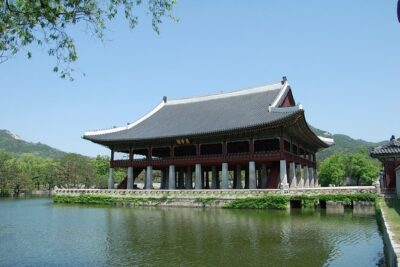
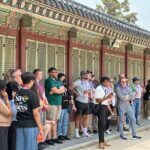
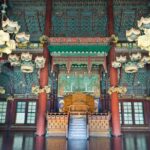
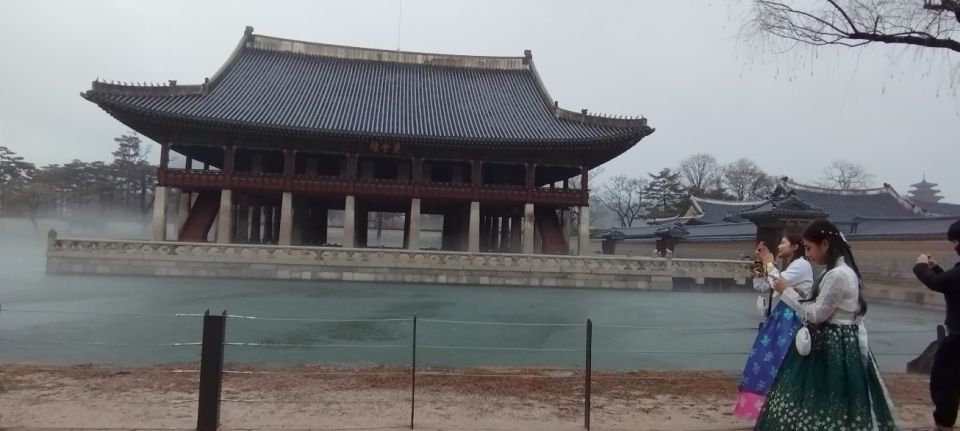
Once you’ve processed the DMZ, you’ll pivot to something softer but still meaningful: Gyeongbok Palace. This is the kind of palace visit where the best moments come from interpretation, not just architecture.
You’ll learn that the palace wasn’t only a backdrop for a king. It was once home to the king, his family, and around 2,000 others as they ruled the nation. That detail changes the scale. You’re not imagining only royalty in grand halls. You’re picturing a larger household and an operating structure.
What I like here is how the guide explains the palace as more like a modern workplace than a distant, royal-only complex. You’ll hear about employees and advisers, and that framing helps you understand governance as a functioning system rather than a mythic performance.
One more important timing note: Gyeongbok Palace is replaced by Deoksu Palace when it’s closed on Tuesdays. If your dates include a Tuesday, plan for the swap so you don’t feel like you’re missing the main experience. You’ll still get the palace-day feel, just with a different site.
Price and logistics: is $110 worth it for a full-day DMZ + palace tour?
At $110 per person for about 10 hours, this tour can be a strong value if you care about access and interpretation.
Here’s what’s included:
- Hotel pickup and drop-off
- Professional English guide
- Transportation
- Entrance to the DMZ
Lunch is not included, so you’ll budget for a meal on your own. (That’s a key part of the real cost in a day like this, so don’t forget it when you’re comparing prices.)
Why the price makes sense: the DMZ portion requires specialized logistics and access rules. You’re not just paying for a ride; you’re paying for the organized structure that gets you there with a guide who can explain what you’re seeing and why it’s complicated. Add in Gyeongbok Palace, and you get a full “Korea then-and-now” day without the stress of planning two major activities across the city and beyond.
Who this is for: people who want one organized day that covers both the most sensitive geography near Seoul and one of the capital’s most important historical palaces. If you’re trying to maximize learning per hour, the coached format helps.
Who should book this and who should skip it
This tour fits best if you:
- Want a single-day DMZ experience with expert-style interpretation
- Enjoy clear historical framing that connects military planning to what the peninsula means today
- Prefer a guided pace that keeps you from missing major stops
- Are comfortable with walking and a long day
It can also work for families, as long as children are accompanied by an adult. That rule matters.
Skip it if:
- You’re a wheelchair user (not suitable)
- You’re traveling with unaccompanied minors (not allowed)
If you’re the type who hates rules and schedules, the DMZ environment may feel restrictive. But if you can roll with guided timing and photo instructions, the payoff is big: you’re getting structured access to sites that are hard to experience well on your own.
Practical tips that actually help on this day
Do a little prep, and the day runs smoother.
- Bring your passport and keep it easy to access.
- Wear sneakers. You’ll be moving enough that proper shoes matter.
- Expect that the day may include DMZ replacement routing if there are official military training events.
- If you’re going on a Tuesday, mentally prepare for the palace swap to Deoksu Palace.
- Plan for lunch on your own since it’s not included.
One more small but useful tip: build in patience for the time your guide spends keeping everyone aligned. This is the kind of tour where coordination is part of the learning experience.
Should you book this Seoul DMZ and Gyeongbok Palace tour?
If your goal is a high-impact day that links Korea’s split reality to a major palace story, I think this is a smart pick. The guide setup is a big reason why: you’re getting professional security-oriented context at the DMZ, plus an organized palace interpretation that goes beyond the usual surface-level sightseeing.
Book it if you want one day that covers the DMZ’s major stops—Third Tunnel, the observatory, the War History Pavilion, and Imjingak—and you also want Gyeongbok Palace explained in a way that makes the past feel like a real system, not just a set of ruins.
Consider another option if you need maximum physical comfort, wheelchair accessibility, or a looser schedule. The DMZ rules are the star of the show here, and the tour works best when you accept that structure.
FAQ
What is the meeting point and start time?
You meet at Exit 7 of City Hall Station at 07:30AM.
How long is the tour?
The tour lasts 10 hours.
What do I need to bring?
You need a current valid passport. You should also wear sneakers because sandals or slippers aren’t allowed.
Is lunch included?
Lunch is not included.
What happens if there is an unannounced military training or official event in the DMZ?
The DMZ portion is replaced with a tour of Tomorrow’s Whistle-Bunker Beat 131, Odusan Unification Tower, and the War Memorial of Korea.
Is this tour wheelchair accessible?
No. The tour is not wheelchair accessible.