REVIEW · SEOUL
Royal Palace, Full-day Seoul City Tour (Pick up & Drop off)
Book on Viator →Operated by Cosmojin Agency · Bookable on Viator
Palaces and markets in one day? That is exactly the idea here. You roll through Seoul’s royal sites and then shift gears to traditional market streets, all with a guide and transport that keep the day from turning into a map app workout.
I really like that admission fees are included, so you spend less time queuing and more time looking. I also love the value of a professional English guide, especially when you want context that makes the palaces and temples feel more than just pretty buildings.
One drawback to plan for: the schedule is full, and some shopping-oriented stops can feel salesy for certain people. If you want maximum quiet time at the palaces, this might feel a bit tight.
In This Review
- Key highlights to know before you go
- Why Seoul’s royal-and-market combo is a smart first-day plan
- Hotel pickup and an 8-hour rhythm you should plan around
- Jogyesa Temple: a calm reset right in the city
- Gyeongbokgung Palace and the Royal Guard ceremony at Gwanghwamun
- Changdeokgung Palace: UNESCO value plus a Monday swap
- Insadong and Namdaemun: where browsing feels like sightseeing
- Shopping stops and the ginseng museum caution (how to keep control)
- Lunch, vegetarian option, and keeping your energy up
- Price and value: what $75 buys you in real convenience
- Who this Royal Palace Seoul tour fits best
- Should you book this full-day Royal Palace Seoul tour?
- FAQ
- What’s included in the Royal Palace full-day Seoul City Tour?
- How long is the tour, and what time does it start?
- Do you get hotel pickup and drop-off?
- What happens to the Royal Guard Changing Ceremony if it rains?
- Are the palace stops always the same on every day?
- Do you have to buy anything at the shopping stops?
- What is the cancellation policy for a full refund?
Key highlights to know before you go
- Hotel pickup and drop-off in Seoul keeps the day efficient
- Admission fees included for the main palace stops reduces hassle
- English guidance helps you connect the dots across temple, palace, and market
- Gyeongbokgung Royal Guard Changing Ceremony may be canceled if it rains
- Day-of swaps happen: Tuesday and Monday changes keep you seeing major sites
- Controlled shopping time exists, but you are not required to buy
Why Seoul’s royal-and-market combo is a smart first-day plan
Seoul can feel like two cities at once: palace grounds and street markets, both with their own rules and rhythms. This tour stitches those worlds together into one clean circuit. It starts with a temple-side reset, moves into royal architecture and ceremonies, then ends with neighborhoods where you can browse, snack, and people-watch.
I like that you get both the “old Korea” visuals and the day-to-day street experience in the same day. Jogyesa Temple gives you a quieter spiritual pause, while the palace stops bring in big ceremonial symbolism. Then you finish with areas like Insadong and Namdaemun Market, where the city’s commercial energy is part of the experience, not a distraction.
The other win: you do not have to figure out tickets, transport timing, or which sites pair well together. You just show up, follow the plan, and use your free time to explore at the right pace.
You can also read our reviews of more city tours in Seoul
Hotel pickup and an 8-hour rhythm you should plan around
This is an 8-hour day tour that starts at 9:10 am, with pickup and drop-off service in Seoul. That timing matters. Early starts help you beat the heaviest crowds at the palaces and also give you a realistic chunk of time at each stop before fatigue kicks in.
The group size has a maximum of 44 travelers, which is big enough that logistics still matter, but small enough that you typically stay coordinated. A mobile ticket is included, which is useful in a city where tickets can be scattered across apps, counters, and printed passes.
Here’s the practical part: this day includes palace walking plus market wandering, and those steps add up. Wear comfortable shoes. If you are sensitive to stairs or uneven ground, keep that in mind at the palace grounds (and at temple entrances where paths can vary).
Also note that the day’s plan can adjust depending on conditions and calendar closures, so your “must see” list should include a little flexibility. The tour includes that flexibility for you, but you should still mentally expect a few swaps.
Jogyesa Temple: a calm reset right in the city
Your morning starts at Jogyesa Temple, described as a place of living Buddhist tradition tucked into central Seoul. It was founded in 1935, and the whole vibe is different from the palace grounds later in the day. Instead of grand state ceremony, you get a quieter, more inward kind of atmosphere.
This stop also works well as a warm-up. You can slow down your pace, look around without rushing, and get your bearings for the rest of the day’s royal and historical sights. Plus, the admission is free, so you keep the day’s costs predictable.
Practical tip: if you enjoy photography, temples can be great because the lighting and details are varied. Just be respectful—some areas may have quiet rules or limited movement.
Gyeongbokgung Palace and the Royal Guard ceremony at Gwanghwamun
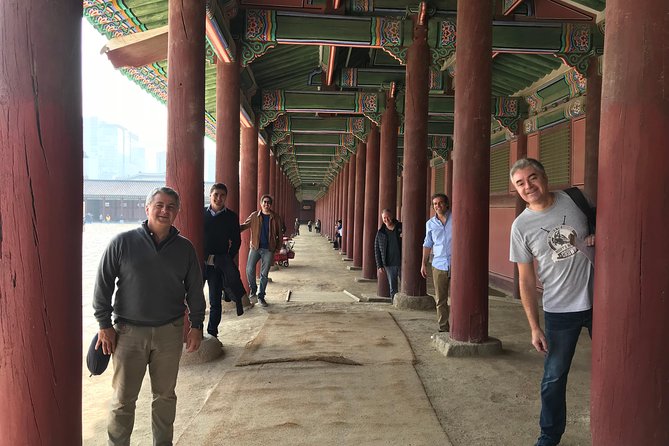
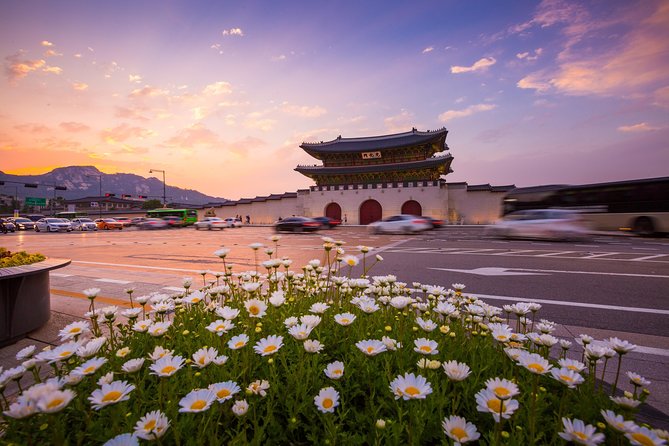
Gyeongbokgung Palace is the headline palace stop, with time set aside to see it properly (about 1 hour). The experience begins at the Gwanghwamun Gate, where you may catch the Royal Guard Changing Ceremony. This is one of those moments where the performance helps you understand why this kind of ceremony mattered socially and politically in Joseon-era Korea.
A key thing to know: the ceremony can be canceled when it’s rainy. If the weather is questionable, bring a light umbrella or rain layer. Even when the ceremony is not running, the palace grounds still deliver—so you are not losing the entire main event, but you may miss that scheduled show element.
Another small but important logistical note: the tour may include a pass by the Presidential Blue House after Jogyesa. The iconic blue-tile look is part of the appeal, but you might not be allowed to pass by it due to security restrictions. Treat that as a bonus, not a guarantee.
At Gyeongbokgung, you will also want to watch your footing and expect some walking within the palace complex. The time is solid, but you should move with purpose—especially if you want to see key areas without sprinting.
Changdeokgung Palace: UNESCO value plus a Monday swap
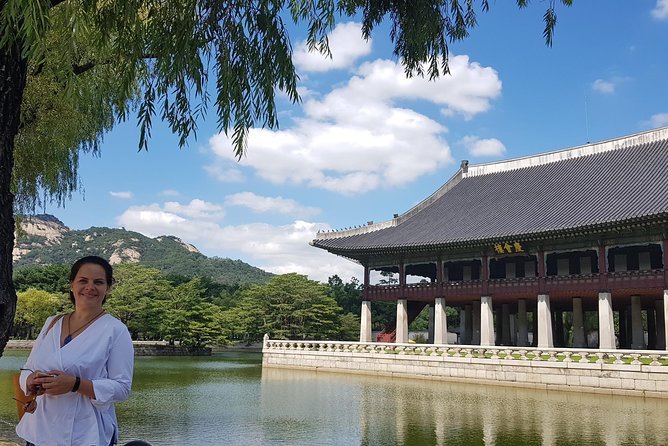
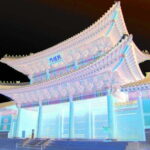
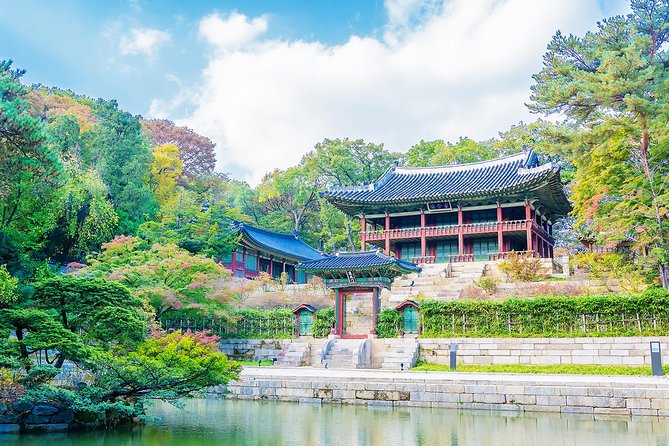
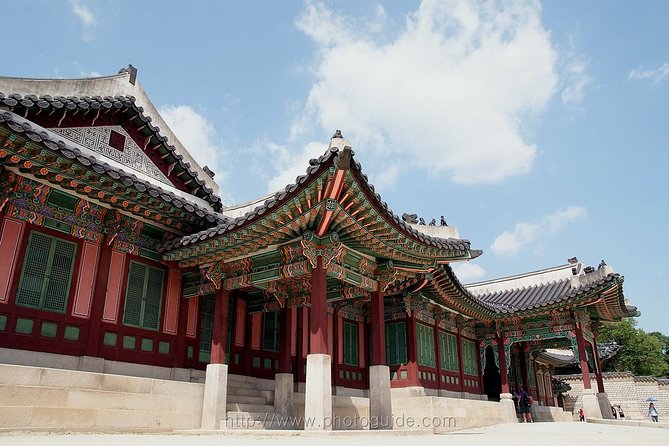
After lunch, the tour shifts to Changdeokgung Palace, a UNESCO World Heritage site and often described as one of the more enchanting royal palace experiences. It has admission included, and you get about 1 hour here as well.
Changdeokgung stands apart from many palace visits because it is known for a more garden-and-harmony feel rather than only monumental scale. That makes it a good match after Gyeongbokgung. You get two different “modes” of royal design in one day: big ceremonial presence and then a more atmospheric palace layout.
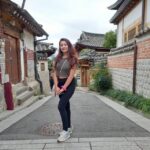
One calendar detail matters: Changdeokgung Palace is replaced by Bukchon Hanok Village on Mondays. That swap can actually be a win if you love traditional neighborhoods and house architecture. But it also means your “palace-only” day becomes “palace plus hanok neighborhood.” If your heart is set on Changdeokgung specifically, check the day you’re going.
If you are traveling with someone who likes to understand Korean culture through built heritage, this is one of the best parts of the tour to focus on. Take your time with visual details—rooflines, courtyards, and the way people move through the spaces.
You can also read our reviews of more tours and experiences in Seoul


Insadong and Namdaemun: where browsing feels like sightseeing
Next up is Insadong, about 1 hour of free time. Insadong is the kind of neighborhood where the street energy helps you understand how tradition survives in everyday shopping. It was once a center for antique trade during the Joseon Dynasty, and even though today is more modern, you still see the old-world craft vibe in the alleys and storefronts.
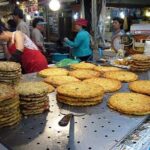
Then you head to Namdaemun Market, about 50 minutes. It’s Korea’s largest and oldest traditional market, originally established in 1414 and located beside the historic South Gate. The best way to experience Namdaemun is to treat it like a maze you can wander, not a place you need to conquer in one pass.
Important practical note: admission for these stops is free, which keeps the spending pressure lower. Also, one nice reassurance from the tour approach: at Korean shopping stops, you do not have to buy anything. They are there to show national products and related items, but you can simply browse.
If you are trying to manage your budget, here’s how I’d do it: pick one category to sample (a snack, a small souvenir, a craft item) and ignore the rest. When you do that, market time becomes fun instead of stressful.
Shopping stops and the ginseng museum caution (how to keep control)
One review detail is worth your attention: a ginseng museum stop can feel aggressive with product pitching inside and at the gift shop. That does not mean the entire tour is like that, and you may also find that guides explain shopping stops as informational.
Still, you should treat any medical or supplement-focused shop stop as optional for your wallet. Go in with a plan: either decide you’re curious and willing to browse, or politely skip. If you want to avoid that feeling, be firm with yourself about not being swept up by sales pressure.
Also keep in mind pace can vary. One person noted that the day sometimes felt rushed, with less palace time than expected because time got pulled into shops. That is not guaranteed, but it is a useful reminder: if palace time is your top priority, you should go in expecting a lot of “moving parts,” and you might want to save any deep dives for a separate return trip.
The good news: guides are often praised for being patient and helpful. Names that come up include Cathy, Rose, Molly, Orota, and Park—and several people mention that guides assisted with stairs, answered questions, and even took group photos shared via WhatsApp. If photos matter to you, it is totally reasonable to ask your guide about photo spots during the day.
Lunch, vegetarian option, and keeping your energy up
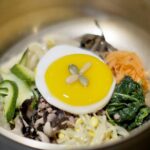
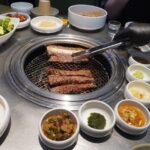
Lunch is included, with a vegetarian option available. That’s a real value in a day where you do not want to hunt for food between major sites.
I’d treat lunch as your anchor. Markets and palaces both involve walking, and energy dips can hit fast. Eat something filling, even if you plan to graze later in Insadong or Namdaemun.
Hydration also matters. Seoul weather can shift, and you will be outdoors at multiple points. Bring a water bottle if you prefer it, and plan small breaks when the group pauses.
The tour is roughly 8 hours, which is long enough that you should expect the “end of day” part to feel more tiring than the morning. If you have limited stamina, go slower during market time and focus on one area rather than trying to see everything.
Price and value: what $75 buys you in real convenience
At $75.00 per person, this tour is priced like a convenience package. The big question is whether it’s worth it compared to doing things on your own.
Here’s what you get that normally costs time and money:
- Round-trip transport from your Seoul hotel
- Professional English guide
- Admission fees included for the main palace stops
- Lunch (vegetarian option available)
If you try to do these sites yourself, the friction is usually not the attractions—it’s the coordination. Hotels to palaces, palace ticketing, and making sure you land at the right gate at the right time can be work. Paying for transport plus included admissions removes a lot of that hassle.
Where the value can feel less perfect is if you dislike shopping add-ons or if you are hoping for a slow, detailed palace study. This day is designed to cover key sights efficiently, not to give you deep, unhurried wandering inside every corner.
So, is it good value? For first-time Seoul visitors who want the major royal sights plus classic market time without planning stress, yes. For people who want a very slow palace experience or who strongly dislike shop stops, the value depends on how much you personally care about shopping segments.
Who this Royal Palace Seoul tour fits best
This tour is a strong fit if you:
- Want a structured introduction to Seoul’s royal sites and traditional market areas
- Appreciate included admissions and don’t want to manage tickets back and forth
- Prefer hotel pickup over figuring out transportation between multiple neighborhoods
- Like having an English-speaking guide explain what you’re seeing
It may be less ideal if you:
- Want maximum time inside palaces and dislike a packed schedule
- Are very sensitive to sales pressure at shop stops (the ginseng museum example is the one to remember)
- Are traveling with strict mobility needs, since palace and temple paths can include stairs and uneven areas
If you’re going for a “see the classics” day, this delivers a lot for one price.
Should you book this full-day Royal Palace Seoul tour?
Book it if your goal is a smooth, well-paced highlights day: Jogyesa Temple for calm, Gyeongbokgung Palace for ceremony, Changdeokgung Palace for UNESCO charm, then Insadong and Namdaemun for real street browsing. The included transport, guide, admissions, and lunch add up to solid convenience value.
Hold off or plan a backup strategy if you feel protective of your time inside palaces. The schedule is full, and you should expect that parts of the day could lean into shopping stops. Also, check what day you’re going for the Tuesday/ Monday swaps and remember the ceremony can be canceled if it rains.
If you like organized days with built-in explanations, this is a good pick. If you prefer total freedom and quiet time, you might be happier building a lighter self-guided plan.
FAQ
What’s included in the Royal Palace full-day Seoul City Tour?
The tour includes a professional English guide, transportation, pick-up and drop-off service in Seoul, admission fees, and lunch with a vegetarian option available. You also receive a mobile ticket.
How long is the tour, and what time does it start?
The tour runs for about 8 hours and starts at 9:10 am.
Do you get hotel pickup and drop-off?
Yes. Pick-up and drop-off service is provided for locations in Seoul.
What happens to the Royal Guard Changing Ceremony if it rains?
The Royal Guard Changing Ceremony will be canceled when it is rainy.
Are the palace stops always the same on every day?
Not always. Gyeongbok Palace will be replaced by another tourist attraction when it is closed on Tuesdays. Changdeok Palace will be replaced by Bukchon Hanok Village on Mondays.
Do you have to buy anything at the shopping stops?
No. At the Korean shopping stops, you do not have to buy anything if you do not want to.
What is the cancellation policy for a full refund?
You can cancel up to 24 hours in advance for a full refund. If you cancel less than 24 hours before the experience start time, the amount paid is not refunded.