REVIEW · SEOUL
Private DMZ(Demilitarized Zone) Tour with DMZ experts
Book on Viator →Operated by Here Korea Travel · Bookable on Viator
You get a front-row seat to a living border.
This private DMZ day is built for clarity, not crowd herding, with DMZ experts explaining what you’re seeing step by step. I also like that Korean BBQ is part of the plan, so your day has a real food break after the heavy stuff.
Here’s the one thing to watch: DMZ access runs on tight rules and time windows. You’ll spend limited hours in the civilian areas, and on some busy days there can be day-of ticket limits, which means longer waits or schedule pressure even with a private tour.
In This Review
- Key Highlights You’ll Notice on This DMZ Day
- Why This Private DMZ Tour Feels More Personal Than a Bus Trip
- Guide Quality: What DMZ Experts Actually Change for You
- Starting in Imjingak Pyeonghoa-Nuri Park and the Civilian Control Zone Clock
- Bridge of Freedom: The 5-Minute Stop That Actually Matters
- The DMZ Segment in Paju: Where Time and Rules Feel Real
- The Third Tunnel: Going Down Yourself and Watching the Film
- Dora Observatory and Tongilchonan-gil: Naked-Eye Views and Snack Time
- Korean BBQ Lunch: How to Plan the Meal Part Correctly
- Price and Value: What $250 Gets You in the Real World
- Logistics That Can Make or Break Your Day
- Who This DMZ Tour Is Best For
- Should You Book This Private DMZ Tour With DMZ Experts?
- FAQ
- What time does hotel pickup happen?
- How long is the tour?
- What are the main stops during the day?
- Is hotel pickup and drop-off included?
- Are entrance fees included?
- Is Korean BBQ included?
- Can I cancel for a full refund?
Key Highlights You’ll Notice on This DMZ Day
- Imjingak Pyeonghoa-Nuri Park as the staging ground, including Unification village farmers market stops
- Bridge of Freedom for a quick, dramatic North Korea connection moment
- Third Tunnel where you can go down yourself plus an included documentary film
- Dora Observatory for seeing North Korea with your naked eyes and a propaganda village view
- Hotel pickup and a private ride with bottled water and a guide who stays with you
- A flexible private itinerary with an included Korean BBQ-style lunch and a vegetarian option
Why This Private DMZ Tour Feels More Personal Than a Bus Trip

A DMZ tour isn’t just sightseeing. It’s controlled access, strict routes, and information you can easily miss if nobody explains it. That’s why I like the private format here: you’re not stuck listening to the bare minimum over the noise of a bigger group.
In practical terms, you get a proper DMZ expert guide and a comfortable private vehicle with bottled water. That matters because the day is long enough already (about 6 to 8 hours), and the real value is what happens during the waiting and the walking, not only at the main overlooks.
Another plus: the day is designed as a bespoke experience. The core stops are DMZ-focused, but the itinerary can flex based on your interests. Some people want the military-and-border angle hardest. Others want a broader Seoul-culture add-on like Gyeongbokgung Palace or the War Memorial of Korea, when the schedule allows.
You can also read our reviews of more private tours in Seoul

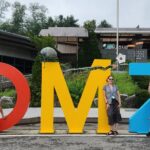
Guide Quality: What DMZ Experts Actually Change for You

DMZ tours can go one of two ways. Either the guide gives you context and helps you connect dots, or you just stand in the wind hoping the signs explain everything. The big thing I’d plan for here is the guide’s role as your translator of the experience.
This service has consistently shown strong guide performance in past trips, with names like Junie, Taylor, Christine, Harry, Kevin, Sophia, Robert, Vincent, Jake, and Jones coming up for clear DMZ explanations and good on-the-ground problem-solving. The pattern is simple: a guide who can explain what each location represents helps you leave with a mental map, not just photos.
Also, you’ll feel the difference in logistics. Several guides are praised for being punctual, keeping the group moving, and handling the mess that can happen around DMZ sites and road traffic. Even in a private vehicle, you’re still tied to government-controlled timing.
Starting in Imjingak Pyeonghoa-Nuri Park and the Civilian Control Zone Clock
Your day typically begins with hotel pickup in Seoul at 09:00, then you head to Paju for the DMZ area. The first major stop is Imjingak Pyeonghoa-Nuri Park, the kind of place that sets your expectations for the whole day.
What makes Imjingak worth your attention is that it’s more than a viewpoint. It’s the must-visit hub where the DMZ peace-tour route lines up key experiences. The plan includes the Unification village farmers market element, plus access that connects you to other major DMZ locations later.
One consideration is timing. You get about three hours only in the Civilian Control Zone (at least as described for this part of the experience). That’s not bad if you’re mentally prepared, but it does mean you shouldn’t expect a slow, wandering pace.
If you tend to get overwhelmed by heavy topics, this stop can be a good warm-up. It’s where you can get oriented before you move into the more intense viewing and tunnel areas.
Bridge of Freedom: The 5-Minute Stop That Actually Matters
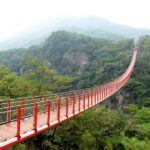
Right after Imjingak, the schedule includes the Bridge of Freedom, connected to North Korea. This is a short stop (around five minutes) with admission listed as free.
Don’t treat this as a throwaway photo break. On a DMZ day, the short stops often hit hardest because you’re not using them to relax. You’re using them to absorb one clear symbol, then move on with better context.
Because the visit is brief, I’d keep your routine simple. Wear shoes you can walk in comfortably, and have your phone ready for quick pictures without slowing the group down. Your guide will keep you on the right route so you don’t lose time in the in-between areas.
The DMZ Segment in Paju: Where Time and Rules Feel Real
After you’ve started at Imjingak, the tour moves into the broader DMZ portion, with about five hours allocated for the DMZ experience and admission included.
This is where you’ll feel the “we’re not just visiting a park” reality. Access routes, permitted areas, and timing are controlled, and you’ll go through a process like a timed visit—not a casual wander.
The practical value of having a guide here is that they help you interpret what you’re seeing as you pass through the areas. Without that, it’s easy to focus only on one dramatic moment and miss the overall structure of the border zone.
Also, the itinerary is flexible. If there are substitutions available on your specific day, that flexibility is part of the design. Some people want extra cultural stops paired with the DMZ day, such as Gyeongbokgung Palace or the War Memorial of Korea, based on the bespoke plan.
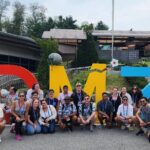


The Third Tunnel: Going Down Yourself and Watching the Film
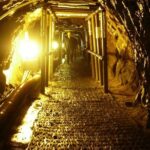
The most hands-on part of this itinerary is The Third Tunnel. North Korea dug this tunnel after the Korean War with the goal of invading South Korea. The tour includes time to go down the tunnel yourself, plus a documentary film about the Korean War and the DMZ.
What I like about this stop is that it turns abstract conflict into something physical. You’re not only looking at a structure from a distance. You experience the narrowness and the reality of how such a plan would have operated.
There are tradeoffs. Tunnel time can feel more intense than the outdoor viewing stops, and your body will do more work. If you’re sensitive to enclosed spaces, consider bringing it up in advance with your guide so they can help you pace yourself during the visit.
This stop is also a place where a good guide makes the difference between a scary photo and a real understanding of the historical intent.
Dora Observatory and Tongilchonan-gil: Naked-Eye Views and Snack Time
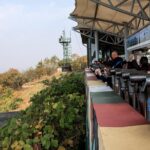
Next up is Dora Observatory, with about thirty minutes allocated and admission included. It’s located in the DMZ area, and the big draw is that you can see North Korea with your naked eyes, along with a propaganda village view.
This is the part where you’ll likely get the clearest “oh wow” moment of the day. It’s not a distant dot on a screen. It’s a direct line of sight that makes the border feel immediate.
After that, you’ll finish with Tongilchonan-gil, a last stop for souvenirs and snacks (about fifteen minutes, admission free). This is your decompression moment. You’ve processed a lot by then, and this short market-style stretch lets you bring the day home in a normal, human way.
A small practical tip: keep your cash habits simple. You’ll be in short-stop mode, so having a plan for snacks and small purchases helps you avoid last-minute scrambling.
Korean BBQ Lunch: How to Plan the Meal Part Correctly
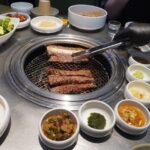
This tour is described as including Korean BBQ as part of the day. In practice, guides have taken groups to eat Korean BBQ, and vegetarian options are available if you ask during booking.
Here’s the honest wrinkle: the stated package details list meals as not included, while the tour overview and past experiences point to a BBQ lunch being part of the day. Because of that mismatch, I recommend you confirm two things when you book:
- whether BBQ lunch is included in your specific itinerary, and
- what vegetarian options are available for your group.
If you’re strict about dietary needs, message early. A DMZ day runs on schedules. If you wait until you arrive, there’s less flexibility.
Price and Value: What $250 Gets You in the Real World
At $250 per person, this is not a budget tour. But it’s also not priced like a luxury-only experience, because most of what you’re paying for is operational reality: private pickup, a private vehicle, and a DMZ expert guide who stays with you through the controlled-access parts.
The value equation usually comes down to three things:
- Private timing: you’re not fighting for position like a mass-group bus ride.
- DMZ expertise: you’re paying for interpretation, not just transportation.
- Included fees and logistics: entrance costs, vehicle costs like fuel/parking/tolls, and bottled water are part of the deal.
If you’re a solo traveler, the per-person price can sting compared to group tours. If you’re traveling as a pair or small group, the private format often becomes easier to justify because you’re essentially buying control over your pacing and attention.
Also note booking demand. On average, this is booked about 47 days in advance, which is a sign the DMZ day is popular and access can be harder to arrange on short notice.
Logistics That Can Make or Break Your Day
DMZ tours live and die by constraints outside anyone’s control. The biggest one is access. While the itinerary is structured, day-of operations can still shift the flow, and you should plan for waiting.
On busy holiday conditions, there can be limits that affect timing. One example note references a first-come, first-served style system and a cap described as 3,000 people allowed for a particular day context. I’m sharing this to set expectations: don’t assume you can simply reserve your way to a frictionless experience.
My practical advice:
- Wear layers. DMZ weather can change fast, and you’ll be outside for parts of the day.
- Use a simple phone setup: mobile ticket ready, screen brightness comfortable, offline maps if you want them.
- Arrive prepared for a longer day than you expect. The schedule is about 6 to 8 hours, and controlled waiting times can stretch the feel of that window.
Who This DMZ Tour Is Best For
This private DMZ tour is a strong fit if you want structure plus context. It’s especially good for:
- First-timers to the DMZ who need real explanations at each stop
- People who want a more comfortable experience than large-group tours
- Families who appreciate a guide keeping things organized and moving
- Anyone who values flexibility, since this is a private experience and the itinerary can be tailored to your interests
If you’re traveling with mobility limitations, the tour description only says most travelers can participate, so it’s worth asking specific questions about pacing and the tunnel segment when you book.
Should You Book This Private DMZ Tour With DMZ Experts?
If your goal is a DMZ day that makes sense—not just a collection of stops—then I think this is a sensible booking. The strongest reason to choose it is the combination of private logistics and a guide focused on DMZ context, plus the included flow to major points like Imjingak, Bridge of Freedom, The Third Tunnel, and Dora Observatory.
I’d book with extra care if you’re going on a major holiday or you hate uncertainty around timing. On those days, access rules and ticket flow can create waiting pressure no matter how good the guide is.
Two quick booking recommendations:
- Ask for the vegetarian option if anyone needs it.
- Confirm the BBQ lunch detail so you know what’s included for your specific plan.
If you want a DMZ experience that stays readable in your mind when you’re done, this private format is a smart way to get there.
FAQ
What time does hotel pickup happen?
Hotel pickup in Seoul is listed at 09:00, then the tour heads to the DMZ area (Paju).
How long is the tour?
The duration is approximately 6 to 8 hours.
What are the main stops during the day?
The listed stops include Imjingak Pyeonghoa-Nuri Park, Bridge of Freedom, the DMZ area, The Third Tunnel, Tongilchonan-gil, and Dora Observatory.
Is hotel pickup and drop-off included?
Yes. Hotel pickup and drop-off are included.
Are entrance fees included?
Entrance fee to the DMZ is included, and the itinerary also lists admission for several specific stops (while some short stops like Bridge of Freedom and Tongilchonan-gil are free).
Is Korean BBQ included?
The overview says a lunch of Korean BBQ is included, and vegetarian options are available. However, the package details also list meals as not included, so you should confirm the BBQ lunch inclusion for your exact itinerary when booking.
Can I cancel for a full refund?
Yes. Free cancellation is allowed up to 24 hours in advance for a full refund.