REVIEW · SEOUL
Seoul: Bukchon Hanok Village Walking Tour
Book on GetYourGuide →Operated by Korea Guide Tour · Bookable on GetYourGuide
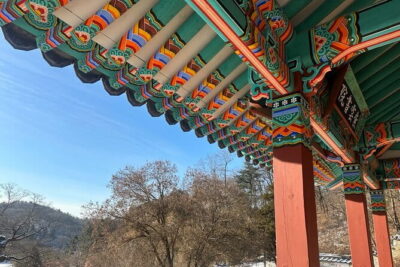
Hanoks make Seoul feel timeless. This Bukchon Hanok Village walking tour helps you understand traditional Korean houses (hanok) through real streetside storytelling, not just photos. You’ll also get a quick lesson in how old Seoul businesses survive, thanks to the tour’s focus on OraeGage culture.
What I like most is the way you’re guided through the village with clear context: how hanok changed over centuries, and what daily life looked like for different classes. I also like that you get a coffee or tea break during the walk, with a calm pause that doesn’t feel like a trap. One thing to consider: it’s a walking tour, so comfortable shoes matter, and you should expect a bit of hilly, uneven old-village terrain.
Key things to know before you go
- Hanok interiors, explained clearly: You don’t just look from the outside—you learn how houses worked and how they evolved.
- Bukchon’s urban history: This area carries a 600-year urban story in a preserved traditional neighborhood north of Cheonggyecheon Stream and Jongno.
- OraeGage meaning and purpose: You’ll learn what OraeGage is, why the city highlights these old stores, and how that shapes Seoul’s character.
- Food and noble-era etiquette: You’ll hear about the lifestyles and values behind traditional Korean cuisine, manners, and art.
- A guide who keeps things moving at your pace: You’re not rushed; one guide highlighted was Alan, praised for history, courtesy, and even photography help.
In This Review
- Bukchon Hanok Village: What you’re actually looking at
- A practical expectation
- OraeGage: Why old stores matter in modern Seoul
- Entering the hanok world: Houses from different periods
- The biggest value here
- Tea and sweets break: a calm moment built into the tour
- Food, etiquette, and art: the culture behind the doors
- Price and value: is $54 worth it?
- Timing, meeting point, and how to plan your afternoon
- Who this Bukchon walk suits best (and who might skip it)
- Should you book the Seoul Bukchon Hanok Village Walking Tour?
- FAQ
- Where does the tour start?
- Does the tour include coffee or tea?
- What languages are offered?
- What should I wear?
- What does the tour cover?
- What happens if the tour doesn’t have enough participants?
- Is there a cancellation policy?
Bukchon Hanok Village: What you’re actually looking at
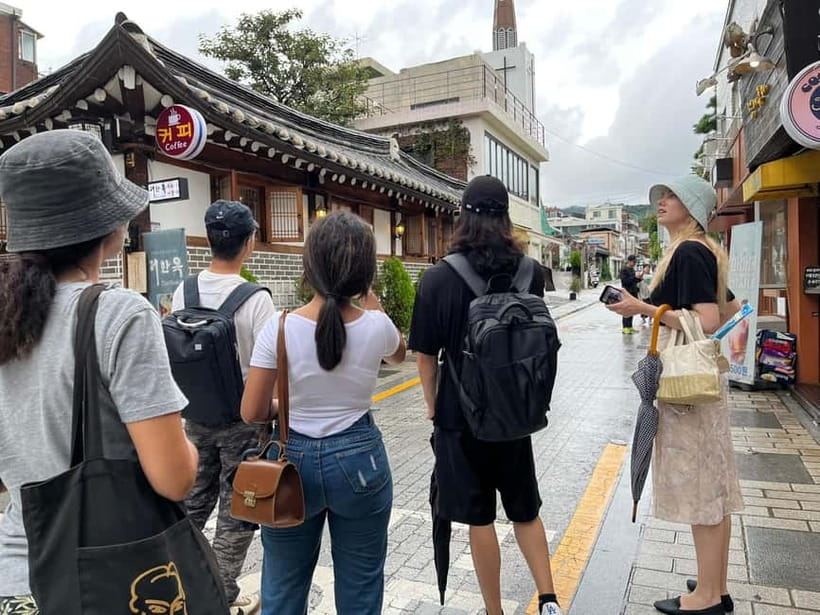
Bukchon Hanok Village is one of those places where the setting matters as much as the buildings. The neighborhood sits north of Cheonggyecheon Stream and around Jongno, and that positioning helps explain why it became an important “old Seoul” district. The big takeaway: this isn’t a theme park of hanok. It’s a living urban landscape shaped by centuries.
A hanok isn’t just a pretty roofline. It’s a traditional Korean architectural style that persisted through different eras, and that’s why a good tour here focuses on evolution. You’ll learn that hanok features reflect practical choices (like how spaces function) and cultural values (like how daily life and social roles were organized).
If you’re the kind of traveler who hates vague sightseeing (“cool buildings!”), you’ll probably enjoy how the tour frames what you see. The guide’s commentary turns architecture into a story you can follow while you walk.
A practical expectation
You’ll spend time observing multiple hanok and hearing how their appearance and use changed over time. That’s the contrast that makes Bukchon more interesting than a single “best photo spot.”
You can also read our reviews of more walking tours in Seoul


OraeGage: Why old stores matter in modern Seoul
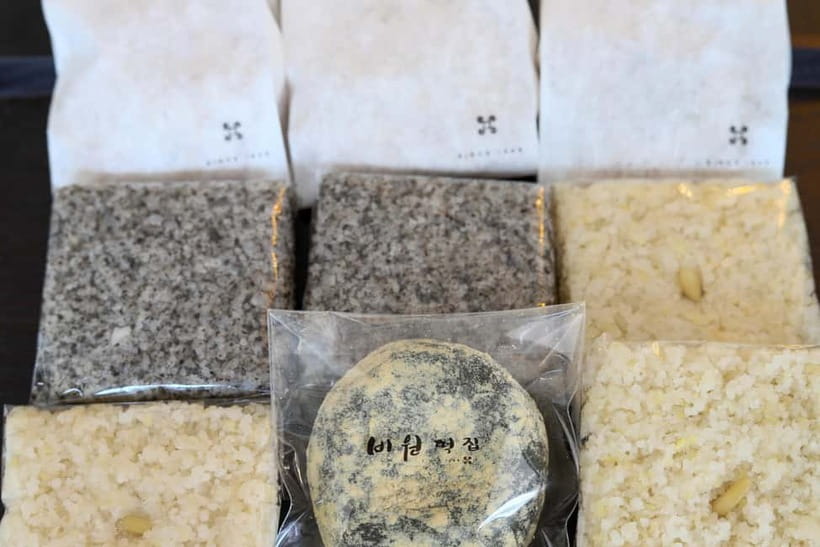
One part of this tour that I genuinely appreciate is the OraeGage angle. OraeGage refers to an old store that has carried on Seoul’s traditions for a long time—and the name carries the idea of something people want to last.
Here’s the useful context: Seoul has identified and designated OraeGage stores for the past five years from 2017. That means the city is actively trying to protect a certain kind of everyday heritage, not just landmark buildings.
So what does this mean for you on the ground? You’re not only chasing rooftops. You’re also learning how traditional value systems show up in ordinary places—shops, local routines, and the kind of atmosphere that makes old districts feel believable.
If you like cultural experiences that go beyond “look at this,” OraeGage is a smart addition to a Bukchon walk.
Entering the hanok world: Houses from different periods
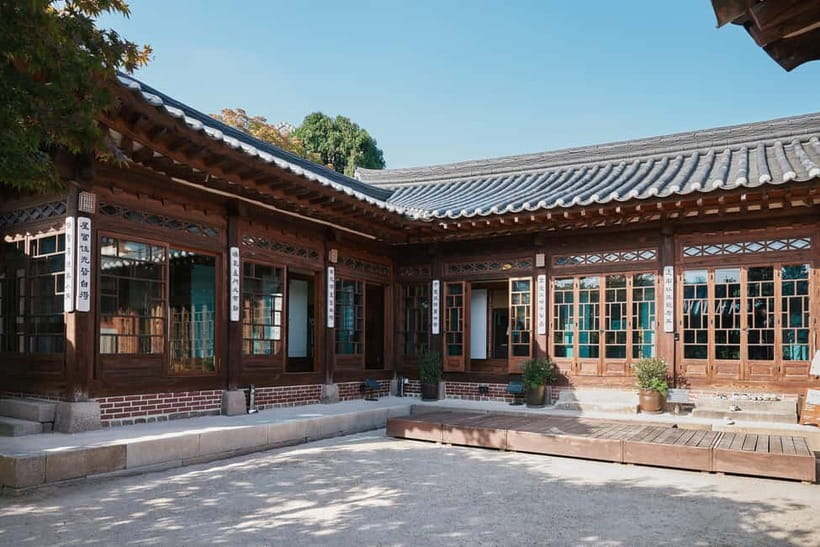
The most educational part of this tour is the way you learn about hanok across different periods. The neighborhood is known for well-preserved traditional houses that haven’t been reshaped by other cultures. That preservation matters, because it keeps the architectural details legible.
During the walk, you’ll visit hanok houses from various times and learn about the unique features and transformations. The point isn’t to memorize terms like a textbook. The point is to understand the why behind the look.
For example, you’ll start seeing how certain design choices match how people lived—how spaces supported daily routines, how household life differed across eras, and how that shows up in the structure itself. The guide’s explanations make those details easier to notice, even if you don’t have an architecture background.
The biggest value here
You’re building a mental “before and after” map in your head: how hanok appearance changes over time, while still feeling rooted in Korean identity.
Tea and sweets break: a calm moment built into the tour
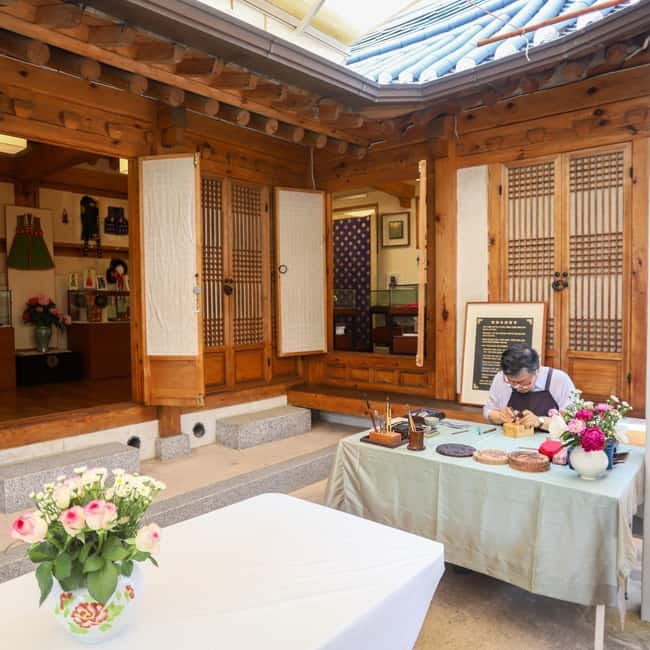
This is a small thing, but it’s a big travel quality-of-life feature. The tour includes coffee or tea, and one highlighted experience included a stop at a beautiful tea house with tea and sweets. That kind of pause is useful in a neighborhood like Bukchon, where you’ll be looking up, walking carefully, and taking in lots of details.
A tea stop also gives your brain time to process what you just learned. You’re not rushing from “house explanation” to “next house explanation” without a breather. You can ask questions, slow down, and reset.
If you enjoy tours that feel like a thoughtful afternoon rather than a nonstop stamp-collection exercise, this format fits.




Food, etiquette, and art: the culture behind the doors

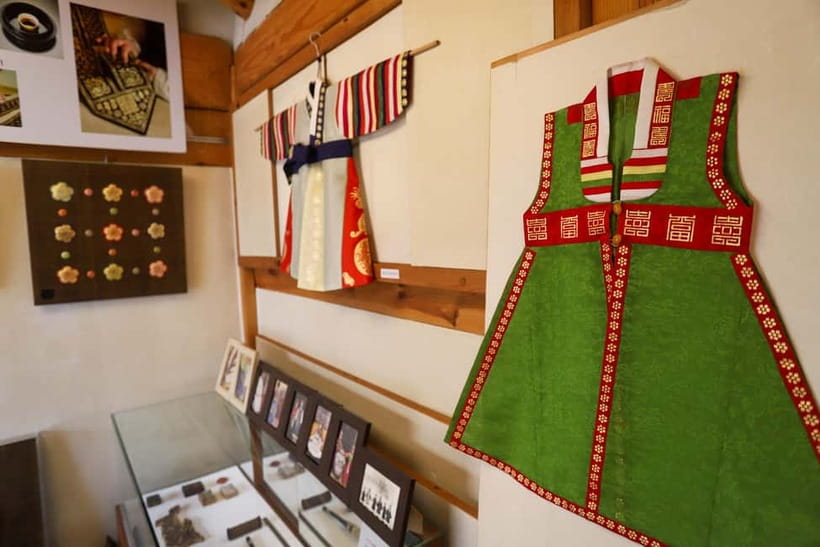
One of the tour’s best promises is that it connects buildings to culture. You’ll observe how hanok life links to traditional food and the lifestyle enjoyed by Korean nobles. That matters because cuisine and etiquette are part of how people express values—how they host, how they show respect, and how art shows up in daily life.
What you should expect is commentary that frames traditional Korean cuisine and culture in a way you can actually picture while you walk. Instead of treating food as a separate “later activity,” you get it as part of the same story: how people lived inside these spaces, how manners shaped interaction, and how art and values were reflected in everyday life.
Even if you don’t plan a formal meal afterward, this cultural link makes your next stops around Seoul feel more meaningful.
Price and value: is $54 worth it?
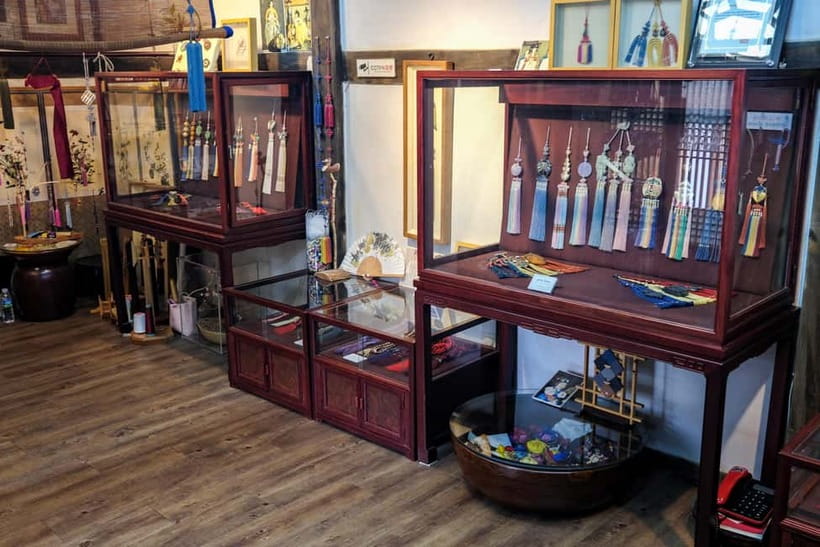
At $54 per person, this tour isn’t the cheapest option in Seoul, but it also isn’t overpriced for what you get. You’re paying for two concrete inclusions: a local English guide and coffee or tea. You’re also paying for guided access and explanation inside typical traditional houses, plus context that would be hard to piece together on your own if you don’t already know what to look for.
Where value comes in:
- The guide helps you interpret what you see, especially the time changes across hanok.
- The tour adds cultural depth through OraeGage and the noble-era lifestyle and etiquette connection.
- The tea/coffee stop turns the walk into a more complete experience instead of just photo chasing.
Where you should be honest with yourself:
- If you want a purely self-guided Bukchon walk, you can do that. But you’ll likely miss a lot of the “why” that makes this neighborhood click.
My rule of thumb: if you enjoy walking tours with strong narration, this price can feel fair. If you’re mostly here for quick views and selfies, you might feel it’s more guided than you need.
Timing, meeting point, and how to plan your afternoon
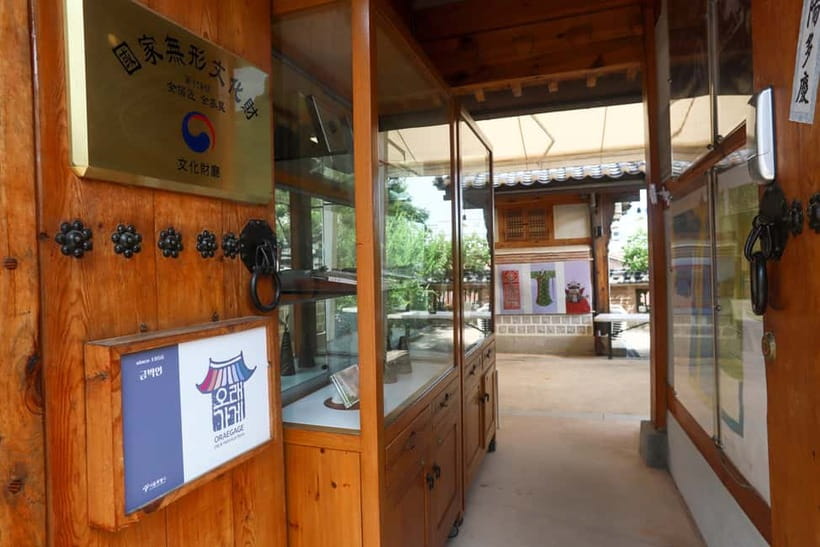
The tour starts at Anguk Station Exit 3 (Subway Line 3) and ends back at the same meeting point. That round-trip convenience is helpful: you’re not stranded halfway across the old city.
For a walking tour, planning matters. Wear comfortable shoes. Bukchon streets can be uneven and the best viewpoints often mean short stretches of careful walking. If you’re the type who likes stopping for photos, bring a little extra time and don’t expect speed.
Also note that the tour includes English commentary. If you prefer guided explanations in your own language, this is a good fit.
Who this Bukchon walk suits best (and who might skip it)
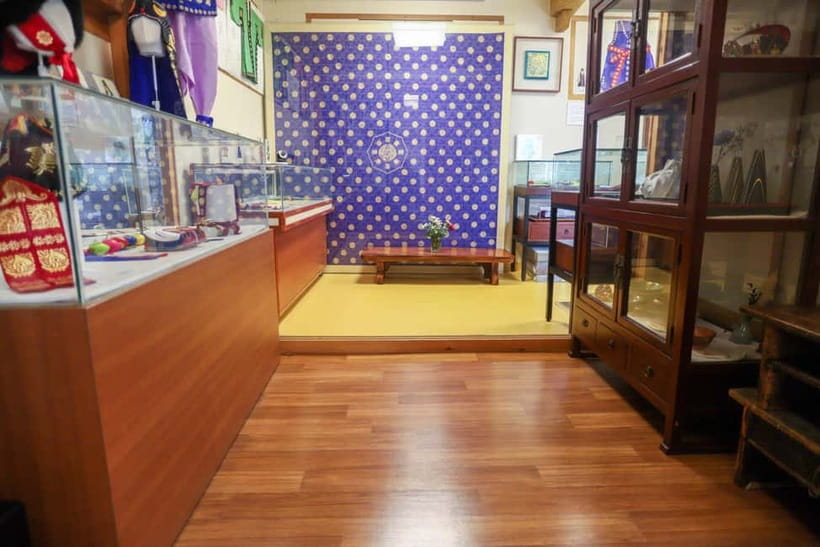
This experience is especially a good match if you:
- Want to understand hanok instead of just photographing them
- Like cultural stories tied to real neighborhoods
- Enjoy small breaks during walking tours, like tea or coffee
- Appreciate old-store culture through OraeGage
It might be less ideal if you:
- Dislike walking or can’t handle uneven ground
- Prefer totally independent travel with minimal guidance
- Want a strictly “food market” style experience (this one leans culture and architecture)
If you’re curious about Korea beyond the big headline sites, this is the kind of afternoon that helps the rest of Seoul make sense.
Should you book the Seoul Bukchon Hanok Village Walking Tour?
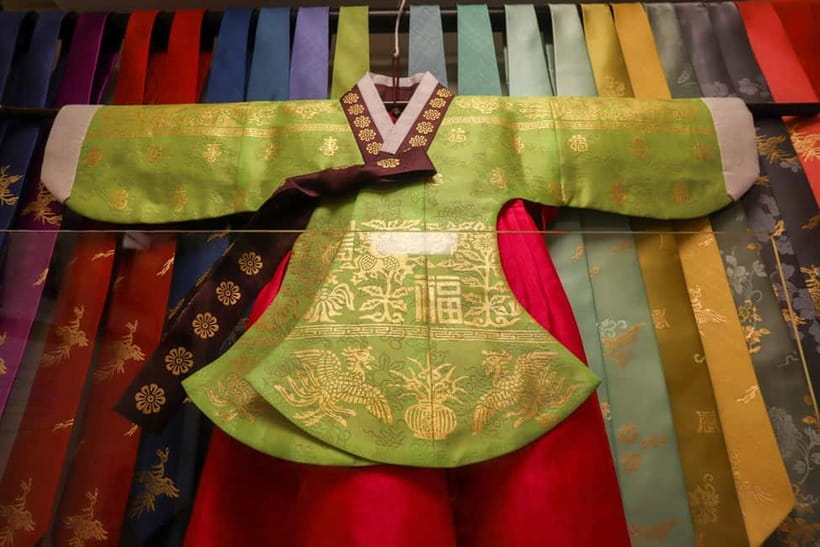
If you want a guided afternoon that connects traditional architecture, historic neighborhoods, and everyday heritage, I’d say yes. The combination of hanok explanations across periods, OraeGage context, and a tea/coffee pause is a strong trio for $54.
Book it if you learn best by walking and listening, and if you’re excited by cultural details like etiquette and noble-era lifestyle. Skip it if you’re only after quick views and don’t care about interpretation—Bukchon shines most when you know what you’re seeing.
FAQ
Where does the tour start?
It starts at Anguk Station Exit 3 on Subway Line 3.
Does the tour include coffee or tea?
Yes. Coffee or tea is included.
What languages are offered?
The tour is in English.
What should I wear?
Bring comfortable shoes since it’s a walking tour.
What does the tour cover?
You’ll learn about hanok and visit traditional hanok houses from various periods, with commentary on Korean history and culture. You’ll also hear about OraeGage and traditional food and culture enjoyed by Korean nobles.
What happens if the tour doesn’t have enough participants?
If the number of participants is under 4, the tour will be canceled, and you’ll be notified via WhatsApp.
Is there a cancellation policy?
You can cancel up to 24 hours in advance for a full refund. No refund is issued for a no-show or cancellation on the day of the tour.
![[Private Tour] Nami Island & Snow Viewing and Snow sled (More Members Less Cost) - A private driving guide that keeps your day simple](https://m.discoveringseoul.com/wp-content/uploads/private-tour-nami-island-snow-viewing-and-snow-sled-more-members-less-cost-400x267.jpg)