REVIEW · SEOUL
Vegan Korean Food Cooking Class: Gimbap, Sundubu Jjigae, and more
Book on Viator →Operated by Tofu Artist · Bookable on Viator
Korean food gets way easier when you cook it yourself. This vegan Seoul class is hands-on and taught by Soomin, with a small group and step-by-step guidance. I especially like that you’ll make a full meal you can actually eat on-site, and you’ll learn how tofu fits into Korean flavors without missing the fun. One thing to plan for: it’s on the 3rd floor, and there’s no elevator.
You also get a “real Korea” angle, not just recipes on paper. Expect Sundubu-jjigae cooked from scratch, plus gimbap rolled by your own hands, along with tofu-based pancakes and flower-topped rice dough. The class is pricey for a 2.5-hour workshop, but the small-group format and multiple dishes help it feel like value rather than a snack stop.
In This Review
- Key highlights you’ll care about
- Why this Itaewon vegan cooking class is a smart Seoul plan
- What you’ll cook: gimbap, sundubu jjigae, tofu pancakes, and flower-topped rice dough
- Soomin’s teaching style: clear steps and useful Seoul food tips
- The workshop flow: how the hands-on timeline builds a full meal
- Price and value: is $75 worth it for 2.5 hours?
- Meal logistics: timing, what to bring, and how to plan your day
- Dietary fit: vegan, plus gluten-free on request
- Who this class is best for (and who should reconsider)
- Should you book this vegan Korean cooking class in Seoul?
- FAQ
- Where is the meeting point, and what time does the class start?
- How long is the vegan Korean cooking workshop?
- What dishes will I make during the class?
- Is the class fully vegan, and can it be gluten-free?
- How many people are in each class?
- When will I receive confirmation, and how does free cancellation work?
- Is the location wheelchair-friendly or does it have an elevator?
Key highlights you’ll care about
- Small group (max 4), so you get actual coaching, not just watching
- Sundubu-jjigae from scratch plus gimbap assembly and rolling
- Tofu-based Biji-jeon and other plant-forward takes on Korean comfort food
- Seasonal edible flowers used for Hwa-jeon so the food looks as good as it tastes
- Mobile ticket and a fixed start time (11:00 am) at Itaewon-dong
Why this Itaewon vegan cooking class is a smart Seoul plan

If you’re trying to understand Korean food fast, this kind of workshop beats reading and guessing. You don’t just hear about textures, you handle them—rolling sheets, cooking a stew, and shaping dough. The result is practical. You’ll leave with recipes you can repeat at home, and you’ll know what you’re looking for when you eat out in Seoul.
This class is also a nice solution if you’ve struggled to find vegan Korean meals. The menu centers on tofu and other plant ingredients, and it’s designed as a real meal, not a token side dish. The host, Soomin, is a big part of why it feels welcoming: she explains clearly, uses step-by-step instructions, and shares ingredient and tradition context as you cook.
Finally, the location matters. Meeting in Itaewon-dong (Yongsan District) puts you in a part of Seoul that’s practical for getting around. It’s also close to public transportation, which helps if you’re fitting this into a packed day.
You can also read our reviews of more food & drink experiences in Seoul
What you’ll cook: gimbap, sundubu jjigae, tofu pancakes, and flower-topped rice dough

The dishes are the selling point here, and the best part is that they’re varied. You get a stew, a rolled rice dish, and pancakes with different textures—plus a finale that looks like something you’d pay extra for at a restaurant.
Here’s what’s on the menu:
- Gimbap: you assemble and roll it, so you learn the mechanics of getting neat slices later
- Sundubu-jjigae: you cook it from scratch, which is where many Korean cooking classes win or fail
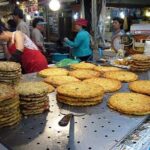
- Biji-jeon: soy pulp pancakes, cooked and plated like a real Korean banchan set
- Hwa-jeon: glutinous rice dough shaped and cooked with seasonal edible flowers
Even if you already know some Korean dishes, tofu-centered versions can shift your understanding. The class is built around tofu’s versatility—how it works in savory stew, how it becomes pancakes, and how it supports comforting Korean flavors without relying on meat or seafood.
Soomin’s teaching style: clear steps and useful Seoul food tips

The biggest advantage in a cooking class is not the recipe list—it’s whether you can follow along while your hands are busy. This workshop is guided in a way that keeps things calm and doable. Soomin’s explanations are clear and structured, and she slows down where people usually get stuck: ingredient roles, timing, and the small choices that change the final texture.
From the reviews, there’s also a strong emphasis on understanding what you’re eating. Soomin doesn’t only tell you what to do; she explains ingredients and traditions as you go. That matters because Korean cooking is often about balance—saltiness, heat, and the right texture—rather than fancy technique.
One more practical benefit: the conversation can include tips for finding vegan food in Seoul. If you’re staying in the city for more than a day, that kind of local guidance can save you time and keep you from eating the same few safe meals.
The workshop flow: how the hands-on timeline builds a full meal
This is a 2 hours 30 minutes class, starting at 11:00 am. You’ll finish back at the meeting point. With a cap of 4 travelers, the pace stays friendly—enough time to cook, ask questions, and not feel rushed.
While the exact order can vary slightly in the moment, the structure follows the menu:
1) Start with a savory foundation
You’ll work on Sundubu-jjigae from scratch. Making it early (or alongside other prep) helps you understand the stew’s backbone—how it comes together and how the tofu texture fits into the dish.
2) Move into rolling and assembling
Then you’ll tackle gimbap, where assembly and rolling are the core skill. This part is great even for beginners because it’s visual: you can see what the roll should look like as you work.
3) Cook the pancake component
Next up is Biji-jeon, soy pulp pancakes. Pancakes teach you a different set of skills than stew and rolling. You’ll focus more on heat control and how the batter/paste behaves during cooking.
4) Finish with a showpiece: Hwa-jeon
The final dish is Hwa-jeon—glutinous rice dough shaped and cooked with seasonal edible flowers. This is where the workshop feels special, because the food isn’t just tasty. It’s also a small edible art project.
That mix is why this class feels like more than a cooking demo. By the end, you’ve practiced multiple Korean food “systems”: stew-making, rolling, pan-cooking, and plated finishing.
Price and value: is $75 worth it for 2.5 hours?

At $75 per person, you should treat this as an experience-price, not grocery-price. But it can be good value if you compare it to the real costs of ingredients and the time you’d spend learning without guidance.
Here’s why the number can work:
- Small group size (max 4) means more hands-on time and fewer bottlenecks
- You make multiple dishes, so the meal isn’t limited to one item
- You get ingredient and tradition explanations, plus tips for navigating vegan Korean food in Seoul
- The menu includes components that are hard to replicate without instruction—especially Hwa-jeon and the practical stew-building for sundubu-jjigae
Also, the class tends to book up: on average, it’s reserved about 41 days in advance. That’s a sign the workshop is in demand, likely because it delivers more than a one-dish class.
My practical take: if you want a one-time tasting tour, you might prefer something cheaper. If you want skills you can reuse, and you want a real Korean meal that matches your dietary needs, this is the kind of workshop where $75 starts to feel fair.
You can also read our reviews of more tours and experiences in Seoul

Meal logistics: timing, what to bring, and how to plan your day
The class starts at 11:00 am and runs about 2 hours 30 minutes. So it fits nicely as a late-morning meal or an early lunch. Many people will leave this with a full belly, so plan your afternoon lightly.
A simple, smart prep: consider bringing something to pack leftovers. Even when a class is hands-on, food can be more than you expect—especially when you’re making multiple dishes. If you don’t want to carry anything, you can always plan to eat it all and skip a big meal later.
Also remember the physical logistics. The location is on the 3rd floor with no elevator. If stairs are an issue for you, factor that in before you book. On the plus side, it’s near public transportation, so you’re not dependent on taxis to make it on time.
Dietary fit: vegan, plus gluten-free on request
This workshop is built as vegan Korean food, so it focuses on plant ingredients and tofu. That alone makes it easier if you’re avoiding meat and seafood.
There’s also gluten-free on request. If you need gluten-free meals, I’d treat the request as part of your planning rather than a last-minute add-on. The safest move is to message ahead and confirm what “on request” means for your specific needs.
For Muslim-friendly diets, the information provided lists it as muslim-friendly. Since every kitchen can have different practices, still consider asking the host for reassurance about ingredients and how they handle substitutions.
Who this class is best for (and who should reconsider)
This class is a great match if you:
- want a beginner-friendly introduction to Korean home-style cooking
- are vegan or vegetarian and want a complete Korean meal you can actually cook
- enjoy hands-on workshops where you learn technique, not just eat
- want local context and practical advice from a real instructor like Soomin
You might reconsider if:
- you hate stairs and need an elevator (it’s on the 3rd floor)
- you’re looking for a bargain-price snack lesson
- you’re only interested in one dish (this experience is built around making several)
That said, even if you’re a “meat eater” by default, the cooking skills transfer. You’ll learn how Korean flavors work, which can make ordering in restaurants later feel less confusing.
Should you book this vegan Korean cooking class in Seoul?
If you’re going to spend money on one cooking experience in Seoul, this is the kind where your skills and your meal overlap. You get a small group, clear teaching from Soomin, and a menu that covers stew, rolled rice, pancakes, and a flower-topped showpiece. It’s also a strong choice for vegan travelers because it’s built to be a real Korean meal, not a workaround.
I’d book it if:
- you want hands-on confidence with gimbap and sundubu-jjigae
- you care about plant-based Korean flavors and how tofu is used
- you like the idea of learning the why, not just the how
Skip it if stairs are a deal-breaker, or if you only want a quick bite rather than cooking multiple dishes.
FAQ
Where is the meeting point, and what time does the class start?
The class meets in Itaewon-dong, Yongsan District, Seoul, South Korea and starts at 11:00 am. It ends back at the meeting point.
How long is the vegan Korean cooking workshop?
It lasts about 2 hours 30 minutes.
What dishes will I make during the class?
You’ll make gimbap, sundubu-jjigae (cooked from scratch), Biji-jeon (soy pulp pancakes), and Hwa-jeon (glutinous rice dough with seasonal edible flowers).
Is the class fully vegan, and can it be gluten-free?
The workshop is vegan. Gluten-free is available on request, so you should request it when booking.
How many people are in each class?
The maximum group size is 4 travelers.
When will I receive confirmation, and how does free cancellation work?
You’ll receive confirmation within 48 hours of booking (subject to availability). You can cancel for a full refund up to 24 hours in advance.
Is the location wheelchair-friendly or does it have an elevator?
There is no elevator, and the location is on the 3rd floor. Service animals are allowed.
![The Seoul Pub Crawl [official] - Hongdae vs. Itaewon: choosing your kind of Seoul night](https://m.discoveringseoul.com/wp-content/uploads/the-seoul-pub-crawl-official-400x267.jpg)