REVIEW · SEOUL
Full Day Private Tour DMZ (The 3rd Tunnel) & Suspension Bridge
Book on Viator →Operated by Lucky Korea Travel · Bookable on Viator
History gets real fast at the DMZ. This private full-day route strings together Imjingak Park, the 3rd Tunnel, Dora Observatory, Unification Village, and then a hike to the Gamak Mountain Chulleong suspension bridge.
I like how smoothly the day is handled with hotel pickup, an English-speaking guide, and a private air-conditioned vehicle. I also like that entrance fees, tickets, and lunch are included, so you can focus on the places instead of budgeting every stop.
One consideration: this is a long, full day, and the DMZ portion can shift if weather turns or military situations change things. Add in one short hike on top of the bridge, and you’ll want a moderate fitness level to enjoy it comfortably.
In This Review
- Key things that make this DMZ + bridge day worth it
- How the 7 to 8 hour private day actually feels
- Imjingak Pyeonghoa-Nuri Park: the calm setup before the DMZ sites
- The 3rd Tunnel experience: video, exhibits, then the long look
- Dora Observatory and Tongilchon-gil: what you see, and what you can’t
- Gamaksan Chulleong Suspension Bridge: history meets a viewpoint
- Price and value: what you’re paying for beyond the DMZ name
- The guide experience: why names like Emily and Andy keep showing up
- Who should book this DMZ + suspension bridge tour
- Practical tips for a smoother day
- Should you book it?
- FAQ
- How long is the full-day private tour?
- Where does the tour start from?
- What’s included in the tour price?
- Which DMZ sights are covered?
- How much time do you spend at the 3rd Tunnel and Dora Observatory?
- Is there an additional stop outside the DMZ?
- What should I know about physical effort?
- What if the schedule changes due to weather or military operations?
- Is cancellation free, and how late can I cancel?
Key things that make this DMZ + bridge day worth it
- Private, family-only format: you ride with just your group, not a cattle-car bus of strangers.
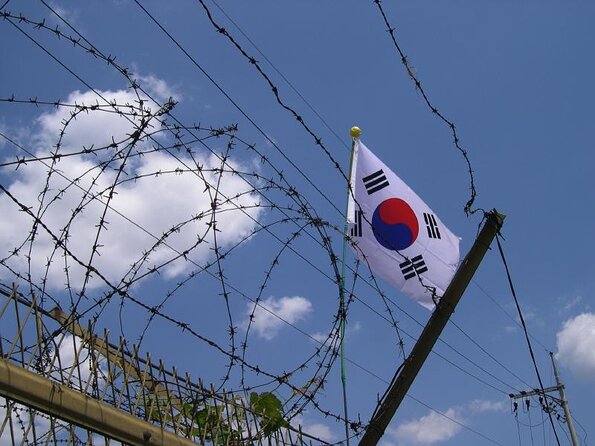
- Full DMZ sequence, not just one photo stop: Imjingak Park sets context, then you go to the 3rd Tunnel, Dora Observatory, and Unification Village.
- Real time spent at the 3rd Tunnel: the visit runs about 1 hour 10 minutes after a short intro video and exhibition hall time.
- Gamak Mountain Chulleong Bridge is the fun contrast: it adds a nature break and a viewpoint, not only border history.
- Guide quality shows up in the details: good communication before pickup and helpful, clear explanations are repeatedly highlighted.
- Weather matters: the DMZ is scheduled around conditions, so plan for flexibility.
How the 7 to 8 hour private day actually feels
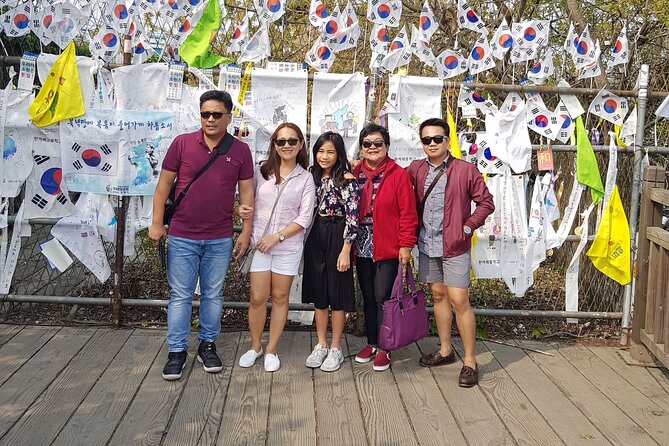
This is built as a true day trip, not a quick hit. You’ll start with a drive out of Seoul, spend substantial time at each DMZ-related site, then move on to Gamak Mountain for the suspension bridge viewpoint.
Because it’s private, you get something many group tours don’t: a little breathing room. You can ask questions without competing for the guide’s attention, and the pace is easier to keep together with your group’s energy.
Still, it’s not a relaxed spa day. The schedule packs in multiple sites, and the DMZ portion can be adjusted if weather deteriorates or if military operations require changes. If you hate tight timing, go in with realistic expectations and plan to take breaks when you can.
You can also read our reviews of more private tours in Seoul

Imjingak Pyeonghoa-Nuri Park: the calm setup before the DMZ sites
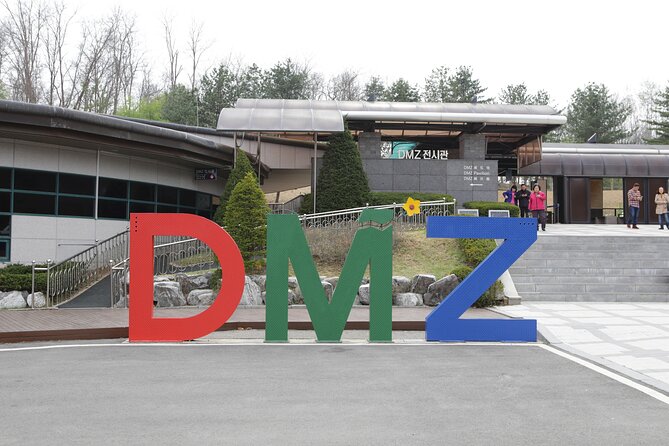
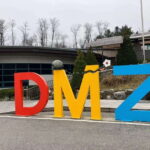
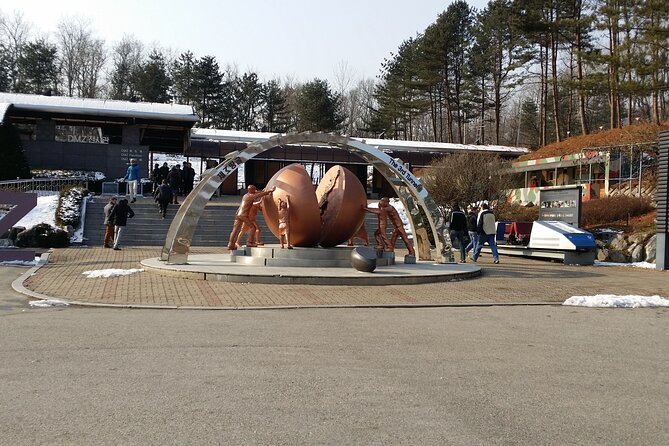
Your first stop is Imjingak Pyeonghoa-Nuri Park, about 70 minutes from Seoul. This is where the tour begins to make sense: the area is designed as a unification tourism site, so the emotional tone lands before you reach the more restricted border views.
You’ll typically pick up a DMZ-related ticket and register your information on arrival. It’s a small step, but it matters: it signals that the DMZ isn’t just a sightseeing route. It’s security-controlled, with procedures that have to be followed.
There’s also the practical benefit of starting here. You get oriented early, and you’re less likely to feel overwhelmed once the tour shifts into tunnel-and-observatory mode. This first stop is free of admission time in the schedule, so you’re not wasting the day on another paid attraction.
The 3rd Tunnel experience: video, exhibits, then the long look
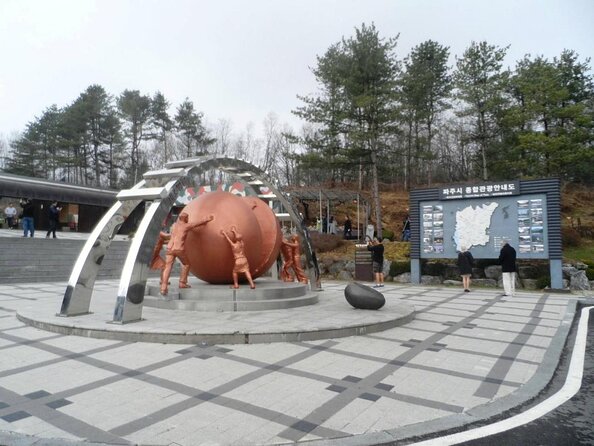
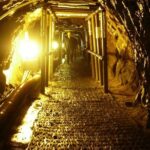
The highlight many people come for is the Third Tunnel. You start with about 8 minutes of video clips tied to the DMZ, then you have time to look around in an exhibition hall.
After that, the main event is the 3rd Tunnel itself. The visit runs roughly 1 hour 20 minutes including the earlier intro and exploration, which means you aren’t stuck for a token walk-through. You get time to slow down, absorb what you’re seeing, and read at your pace.
If you’re the kind of person who likes context, this stop is built for you. A lot of the meaning of the DMZ gets compressed into one tunnel, one decision, one engineered route. The tunnel is where the history becomes physical: walls, space, and the sense of how something was planned and built.
One note from tour dynamics: this area can feel heavy and intense. If your group prefers a lighter mood, balance it by leaning into the explanations and asking the guide for clarifying questions rather than trying to power through on your own.
Dora Observatory and Tongilchon-gil: what you see, and what you can’t
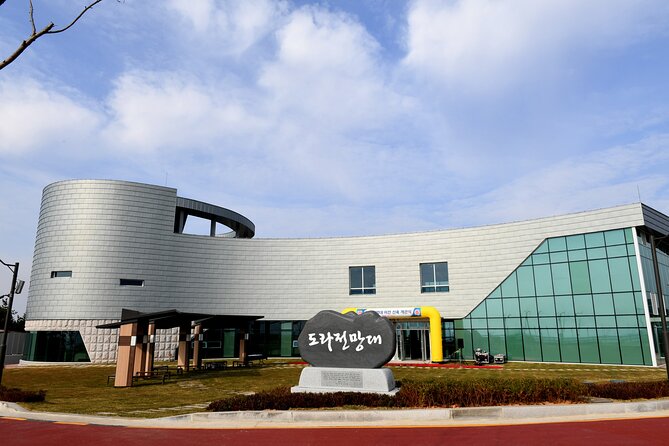
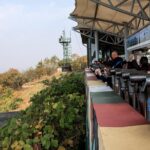
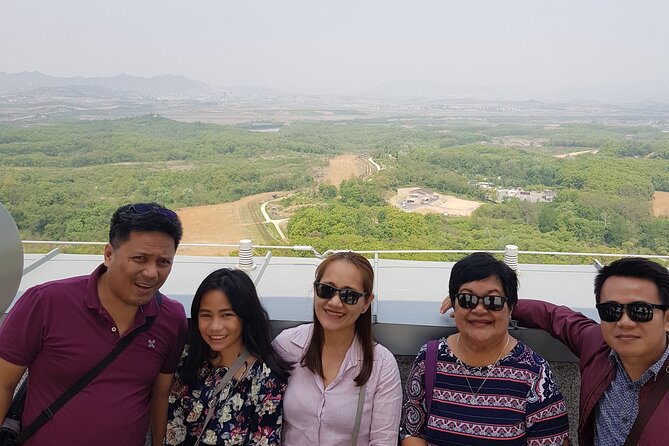
Next up is Dora Observatory, where you can view North Korea. The observatory building has three floors, and the tour includes time to move through exhibits and photo displays.
One of the most specific parts of the Dora Observatory visit is the display related to the 2018 inter-Korean summit at JSA, including photos and contents about meetings between Moon Jae-in and Kim Jong-un. That detail helps turn the DMZ from a distant headline into something tied to recent political moments.
After Dora, you head to Tongilchon-gil, or Unification Village. This is described as a residential area inside the civilian off-limits zone. Around 500 South Korean farmers cultivate gaesung ginseng (and also soybeans), and you’ll have time to look around and buy DMZ souvenirs.
This pairing works well because it covers two different kinds of “seeing.” Dora is all about lines of sight—what’s visible across the boundary. Tongilchon-gil is about how people live and work in a tightly controlled area, with a practical economy layered over the geography.
Total time here is about 50 minutes at Tongilchon-gil, with free admission noted for that stop. It’s short enough to stay efficient, but long enough to pick up souvenirs and connect the dots between the border sights and the people living under the rules.
Gamaksan Chulleong Suspension Bridge: history meets a viewpoint
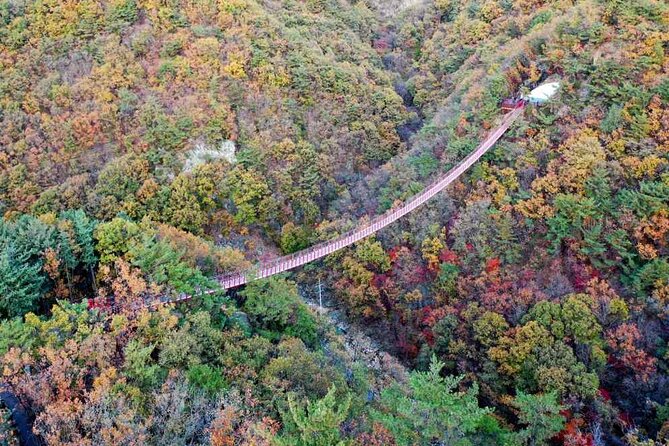
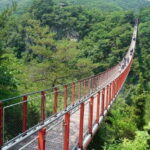
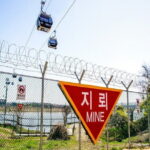
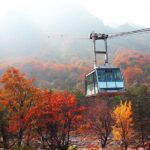
After the DMZ portion, the tour heads to Gamaksan Mountain for the Chulleong suspension bridge. This is a long suspension bridge in Korea, with a length of 150 meters.
The tour includes a short hike to reach the top, where you arrive at a viewpoint. For many people, this is the relief valve of the day: after intense border sites, you switch gears to open air, mountain views, and the simple satisfaction of walking up for a payoff.
This bridge also has war connections. It’s noted as a fierce battle field during the Korean War, which means you don’t fully escape history even when you’re enjoying nature. That contrast can be powerful if you keep an open mind: it turns the day from “DMZ stops” into a broader story about what the terrain has meant for decades.
In the schedule, this stop runs about 2 hours 10 minutes and the bridge admission is included. Because it involves a hike, it’s smart to wear shoes you trust on uneven ground and to bring water.
You can also read our reviews of more tours and experiences in Seoul

Price and value: what you’re paying for beyond the DMZ name
At $160 per person, this is a premium day trip by design. You’re not just booking “a DMZ visit.” You’re paying for private transportation, hotel pickup and drop-off, an English-speaking guide, and included entry fees across the major sites.
Here’s why that matters for value: the DMZ route comes with extra friction—procedures, limited access rhythms, and the reality that schedules can shift. A private guide and private vehicle help absorb that complexity so your day doesn’t turn into you herding your own group through checkpoints.
The inclusion of lunch is also a quiet win. It reduces decision fatigue when you’re out for 7 to 8 hours. No frantic hunt for food between stops, and fewer chances for your timing to unravel.
And the Gamak Mountain bridge add-on is not just filler. It’s a meaningful change of pace at the end, so the day doesn’t end with everyone mentally fried. When the full day works, you’re getting both border history and a tangible outdoor reward.
The guide experience: why names like Emily and Andy keep showing up
This is a private tour, so the guide makes a big difference in how the information lands. In recent shared experiences, guides such as Emily, Eugene, and Shane are highlighted for English clarity and for going above and beyond to keep things smooth.
Some details matter more than you’d think. One group described Taylor communicating by WhatsApp the night before around 8pm and adjusting pickup a few minutes later based on hotel location and traffic. That kind of care reduces stress on a day where timing already matters.
Another group mentioned Andy helping a mom, age 98, who uses a small compact wheelchair. That doesn’t mean every group will have the same conditions, but it does suggest the operator takes assistance seriously when asked.
There’s also a caution flag from at least one experience: the day can feel rushed to some people, and the storytelling can vary in what it emphasizes. If your group wants deep coverage of every angle of the conflict and the UN role, go in prepared to ask direct questions. The guide may be able to cover more than what’s shown in the standard stops.
Who should book this DMZ + suspension bridge tour
This tour makes the most sense for you if you want a private DMZ day without the hassle of planning each step. It’s also ideal if you care about asking questions in English and want guided context at multiple locations, not just one or two.
It fits families, small groups, couples, and anyone who’s curious about how South and North Korea’s separation shows up in places like tunnels, observatories, and controlled villages.
You might want a different style of tour if your group dislikes long schedules or hates the idea that the DMZ timing can change with weather or military operations. Also, if your group members struggle with even a short hike, the Gamak Mountain portion could be uncomfortable despite the overall “moderate fitness” note.
Practical tips for a smoother day
Plan around a long day and moving between sites. Comfortable shoes are non-negotiable because you’ll walk at multiple locations and do a short hike for the suspension bridge.
Bring something for changing weather. The tour requires good weather, and it can be rerouted if conditions deteriorate. Even if the bridge portion is outdoors, you’ll want layers for wind and temperature shifts.
Because this is a private tour with hotel pickup, be ready for a tight schedule morning. When your guide is on time, everything else feels easier, and guides in this program have shown they’ll adjust for hotel location and traffic.
Finally, decide in advance how you want to handle questions. If you’re the type who likes detail, ask early at the DMZ sites—during the video and exhibition time—so the rest of the day feels clearer.
Should you book it?
I’d book this DMZ + Gamak suspension bridge tour if you want a private, efficient day that covers the core DMZ stops (Imjingak, 3rd Tunnel, Dora, Unification Village) and then finishes with a genuinely enjoyable outdoor payoff.
It’s also a good choice for value if you’d otherwise have to piece together transportation and pay entry fees on top. The included lunch and pickup/drop-off make the day simpler.
If you’re sensitive to timing, want a very specific political narrative every step of the way, or your group struggles with outdoor walking, consider that it’s still a full-day route with a short hike and possible schedule adjustments. If you can handle that, this tour can be a powerful mix of history and a mountain viewpoint that brings your brain back online.
FAQ
How long is the full-day private tour?
It runs about 7 to 8 hours.
Where does the tour start from?
The tour includes hotel pickup and drop-off in Seoul.
What’s included in the tour price?
Private transportation, an English-speaking tour guide, hotel pickup/drop-off, all fees and taxes (including entrance fees), and lunch are included.
Which DMZ sights are covered?
You visit Imjingak Pyeonghoa-Nuri Park, the 3rd Tunnel, Dora Observatory, and Tongilchon-gil (Unification Village).
How much time do you spend at the 3rd Tunnel and Dora Observatory?
The 3rd Tunnel stop is about 1 hour 20 minutes total in the schedule, and Dora Observatory is about 1 hour.
Is there an additional stop outside the DMZ?
Yes. After the DMZ portion, you go to Gamaksan Chulleong Suspension Bridge.
What should I know about physical effort?
The tour notes a moderate fitness level is recommended because the bridge stop includes a short hike.
What if the schedule changes due to weather or military operations?
The DMZ tour schedule may change to another location if weather deteriorates or due to military operations.
Is cancellation free, and how late can I cancel?
Free cancellation is available up to 24 hours in advance for a full refund. If you cancel less than 24 hours before the start time, the amount paid is not refunded.